Appeals court confirms Colorado judges can compel electronic records from out of state
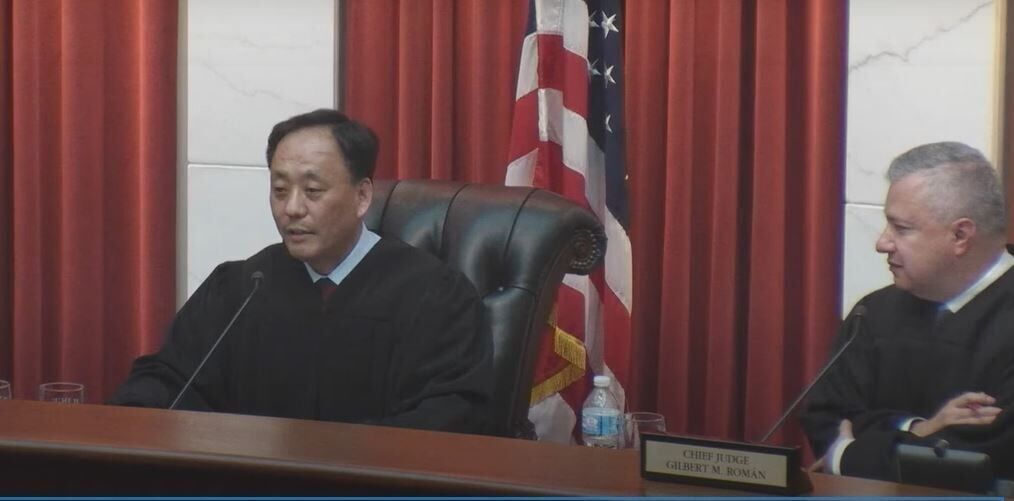
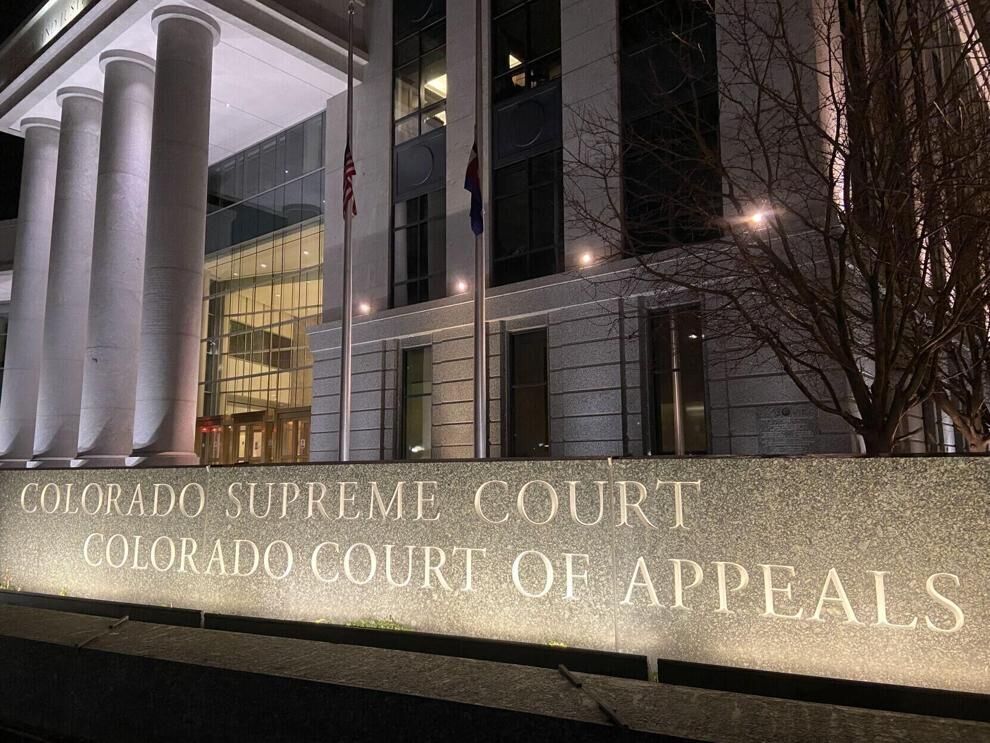
Colorado’s second-highest court clarified on Thursday that judges are empowered to compel out-of-state companies to produce electronic records under state law.
El Paso County jurors convicted Mischa Jargowsky on three counts of money laundering and one violation of Colorado’s organized crime law. She owned pawnshops in Pueblo and Colorado Springs, and prosecutors introduced evidence that Jargowsky’s business accepted items for resale that were still in their boxes and had been stolen from retailers. The defense argued that Jargowsky took reasonable steps to verify the items were not stolen and that she was not involved in any transactions involving stolen merchandise.
As part of the investigation, a detective obtained warrants for banks and businesses located outside of Colorado, seeking information about Jargowsky. He also sought records from businesses that were in Colorado, but outside El Paso County. The applications to the court referenced the federal Stored Communications Act.
The defense sought to bar evidence obtained through the warrants, arguing the federal law did not apply and no Colorado law gave state judges the authority to authorize out-of-state searches for electronic business records.
The prosecution acknowledged that the federal law did not apply, but then-District Court Judge David A. Gilbert concluded the warrants were valid under the Colorado law authorizing the production of electronic business records “in Colorado or elsewhere.”
“There is no merit in the argument that the warrants requesting records are invalid because they do not state the correct statute that justifies such warrants under Colorado Law. No cases have been cited that suggest that failure to include in the warrant affidavit or the warrant itself the correct legal authority that would support the warrant invalidates the warrant,” he wrote.
On appeal, Jargowsky maintained that judges cannot order the production of evidence outside of their judicial district or the state.
“Most fundamentally, the Colorado General Assembly has no authority to unilaterally enact a statute governing conduct occurring in a different state. Colorado’s authority as a sovereign extends to its borders and no further,” wrote attorney Jeffrey S. Pagliuca.
Case: People v. Jargowsky
Decided: September 3, 2026
Jurisdiction: El Paso County
Ruling: 3-0
Judges: David H. Yun (author)
Lino S. Lipinsky de Orlov
Timothy J. Schutz
A three-judge Court of Appeals panel disagreed.
“Colorado has the authority to regulate entities that conduct business within its borders,” wrote Judge David H. Yun in a Sept. 3 opinion. “By choosing to do business in Colorado, these entities are subject to Colorado state law, including the requirement to produce records.”
The panel also agreed with Gilbert that the detective’s erroneous reference to federal law did not invalidate the warrants.
The case is People v. Jargowsky.


10th Circuit upholds finding of no racial discrimination against family at Denver Chili’s
Michael Karlik
michael.karlik@coloradopolitics.com
Updated 5 hours ago
The Denver-based federal appeals court agreed on Wednesday that a Black plaintiff failed to show that a Chili’s manager’s request for her family to provide valid payment at the outset of their meal amounted to racial discrimination. Markesha Futrell-Smith filed...
Appeals court reinstates Mesa County defendant’s request for DNA testing under new Colorado law
Michael Karlik
michael.karlik@coloradopolitics.com
Updated 21 hours ago
Colorado’s second-highest court revived a Mesa County defendant’s petition for DNA testing in his three-decade-old attempted murder case on Thursday, concluding that a trial judge wrongly interpreted a recent Colorado law in dismissing the request outright. Jurors convicted Billy Joe...
Appeals court reverses Denver juvenile’s conviction due to improper expert testimony
Michael Karlik
michael.karlik@coloradopolitics.com
Updated 21 hours ago
Colorado’s second-highest court reversed a juvenile defendant’s conviction for unlawful sexual contact on Thursday after an expert witness’s testimony improperly suggested the child victim was telling the truth. The defendant, identified as S.H-S., was around 16 years old when he...

Judge orders home confinement for Barry Morphew
Dennis Huspeni
dennis.huspeni@gazette.com
Updated 23 hours ago
An Alamosa County district judge has ordered home confinement for Barry Morphew, who is accused of murdering his wife. Barry Morphew, 59, faces a first-degree murder charge in the death of his wife, Suzanne Morphew, who disappeared Mother’s Day weekend...
Appeals court says jury does not need to view porn to determine if it’s ‘obscene’
Michael Karlik
michael.karlik@coloradopolitics.com
Updated 39 minutes ago
Colorado’s second-highest court ruled for the first time on Thursday that a jury does not always need to view pornographic material to determine if it meets the criteria for obscenity. Mesa County jurors found Shayla Ann Simpson guilty of child...
10th Circuit disagrees Sterling officer had no basis to arrest motorist who lacked insurance details
Michael Karlik
michael.karlik@coloradopolitics.com
Updated 2 days ago
The Denver-based federal appeals court disagreed on Tuesday with a trial judge’s decision to bar evidence from a pat-down search from being used against a defendant. Federal prosecutors obtained an indictment of Jorge Sigala-Baray for being a felon in possession of a...

Colorado Springs officers’ tasing, threats prompt federal judge to block use of suspect’s statements
Michael Karlik
michael.karlik@coloradopolitics.com
Updated 2 days ago
A federal judge blocked the government last month from using some of a defendant’s statements as evidence, reasoning that the defendant made them involuntarily as Colorado Springs officers tased him five times and one officer threatened to kill him. Officers...

Appeals court rejects CDOT employee’s discrimination, retaliation claims
Michael Karlik
michael.karlik@coloradopolitics.com
Updated 2 days ago
Colorado’s second-highest court agreed last week that a Colorado Department of Transportation employee had not shown that his employer discriminated and retaliated against him due to his religion and national origin. Ayman Salloum, who described himself as a 70-year-old Muslim...
Colorado judges may use professional name in lieu of legal name, ethics panel says
Michael Karlik
michael.karlik@coloradopolitics.com
Updated 23 hours ago
Colorado’s Judicial Ethics Advisory Board concluded on Tuesday that members of the bench may go by a professional name, rather than their legal name, so long as their intent is not to deceive. The board, which consists of judges, attorneys...
Colorado’s federal court confirms John Eastman cannot practice due to disbarment
Michael Karlik
michael.karlik@coloradopolitics.com
Updated 3 days ago
Colorado’s federal trial court confirmed last week that attorney John C. Eastman, who devised a plan for President Donald Trump to remain in office despite losing the 2020 election, cannot practice in the state’s U.S. District Court due to his...