

Favorability rating of Mayor Mike Johnston, Denver City Council slides
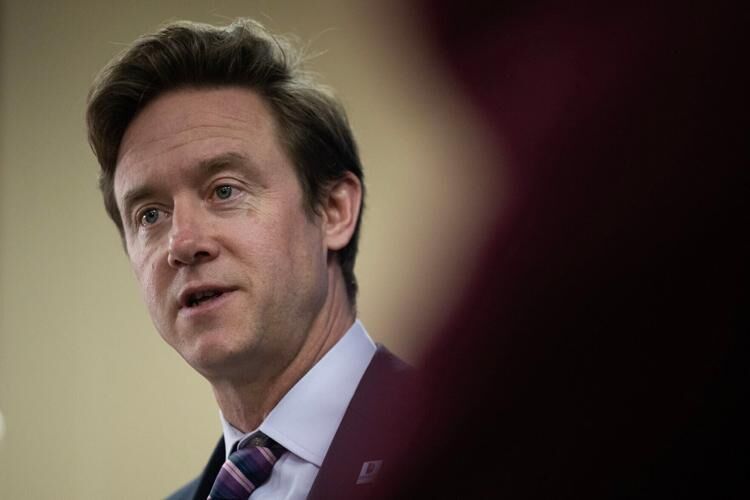
Denver Mayor Mike Johnston’s favorability rating fell 7 percentage points over the past year, while the City Council’s favorability rating dropped 3 percentage points, a new poll has found.
A little more than a year after taking office, Johnston had enjoyed a 48% favorability rating among likely voters. That declined to 46% in 2025, sliding to 39% in 2026, according to a new Colorado Polling Institute poll.
Half of likely voters hold an unfavorable opinion of him, up 4 percentage points from last year.
The City Council’s favorability rating climbed from 34% in 2024 to 41% in 2025 but it fell to 38% in 2026.
“Voters who hold a favorable view of the mayor are largely anchored by the view that he is ‘getting things done’ or at least trying hard to move the city in a positive direction, especially homelessness,” Lori Weigel, a New Bridge Strategy pollster, said in a statement.
“However, that support is increasingly being challenged by growing voter frustration regarding a perceived lack of meaningful progress on a number of issues and wasting funds on social programs or ill-fated ventures such as Colfax transit,” Weigel said.
CPI is a nonpartisan nonprofit organization that has been conducting polls since 2023 to provide public opinion research on issues facing Coloradans.
The findings come as more Denver voters identify as socialists, a shift that follows Democratic Socialist Melat Kiros’ stunning primary victory over longtime U.S. Rep. Diana DeGette.
Seventeen percent of Denver voters now identify as socialists, compared with 11% in 2024.
Political consultants from both sides of the aisle told The Denver Gazette that the shift could be contributing to voter discontent with the mayor and City Council.
“People want to see dramatic change,” Van Schoales, senior policy director of the Keystone Policy Center, said.
Wealth gaps, rising voter expectations and growing anti-incumbent sentiment are helping fuel the rise of socialists and pushing the Democratic Party further left, Schoales said.
Keystone is a nonprofit, nonpartisan organization whose mission is to bring people together to solve difficult public policy problems, according to the group’s website.
Among the poll’s findings:
- Six in 10 voters say Johnston has made either “significant progress” addressing the city’s challenges (8%) or has “started moving things in the right direction” (51%)
- Twenty-four percent say he hasn’t made any progress and 17% say he has made things worse
- Roughly half of voters (49%) say Denver is headed in the right direction, compared with 39% of respondents who said it isn’t
- Nearly six in 10, or 57%, say Johnston has made progress tackling the city’s homelessness problem, up from 52% two years ago
The mayor’s office pointed to the poll’s bright spots.
“Denverites agree: the city is better today than it was before Mayor Johnston took office,” Jon Ewing, a Johnston spokesperson, said in a statement.
“From historic reductions in homelessness and crime to transformative investments in affordable housing and downtown recovery, Denver residents see the progress and believe the city is moving in the right direction, even as they expect us to keep delivering,” he said.
Johnston’s numbers appear to be on a downward trajectory — despite voters’ relatively optimistic views of the city.
One notable exception is the economy. Among likely voters, 43% said Johnston has made no progress addressing jobs and the economy.
“I think this is another indication of just how far left the Democratic Party is moving,” said Dick Wadhams, a former Colorado Republican Party chairman.
That explains why a liberal consensus seeker like Johnston appears to be losing ground in blue Denver, Wadhams said.
Johnston, still in his first term, already has his sights set on a second, making his sliding poll numbers particularly notable as the 2027 mayoral race takes shape.
For now, his prospective opponents — Lisa Calderón and Shontel Lewis — lack broad name recognition.
Calderón, who is making her third run for mayor, is viewed favorably by 27% of likely voters and unfavorably by 25%.
Calderón has a background in academia and social policy and previously served as chief of staff to former Councilmember Candi CdeBaca and as executive director of Emerge Colorado, which trains Democratic women to run for office.
Lewis, who was recently endorsed in her bid for mayor by the Democratic Socialists of America chapter, serves on the Denver City Council. She is viewed favorably by 15% and unfavorably by 19%.
Both remain unknown to large swaths of the electorate and are the only two mayoral candidates the CPI poll covered. There are 10 candidates challenging Johnston in next year’s race.
Conducted Aug. 11-15, the poll surveyed 400 likely Denver voters about issues ranging from the economy and public safety to transportation, downtown development and homelessness, Johnston’s signature issue.
The survey has a margin of error of plus or minus 4.9 percentage points.
The findings are part of CPI’s 2026 Denver survey, its fourth survey of Denver voters since 2023.


State seeks $50K penalty against GOP candidate Victor Marx over alleged campaign finance violations
Deborah Grigsby
deborah.smith@denvergazette.com
Updated 39 minutes ago
Republican gubernatorial candidate Victor Marx is looking at more than $50,000 in fines in what the Elections Division of the Office of the Secretary of State calls “unprecedented” campaign finance violations. The state has not imposed that fine yet, and...

Denver plans to spend $50M on improvements to Sloan’s Lake
Nicole C. Brambila
nicole-c-brambila@coloradopolitics.com
Updated 2 days ago
Denver plans to spend $50 million for Sloan’s Lake improvements. Mayor Mike Johnston and Councilmembers Amanda P. Sandoval and Jamie Torres announced the project’s launch steps from the lake’s shore near the jetty in the park on Wednesday morning. “After...
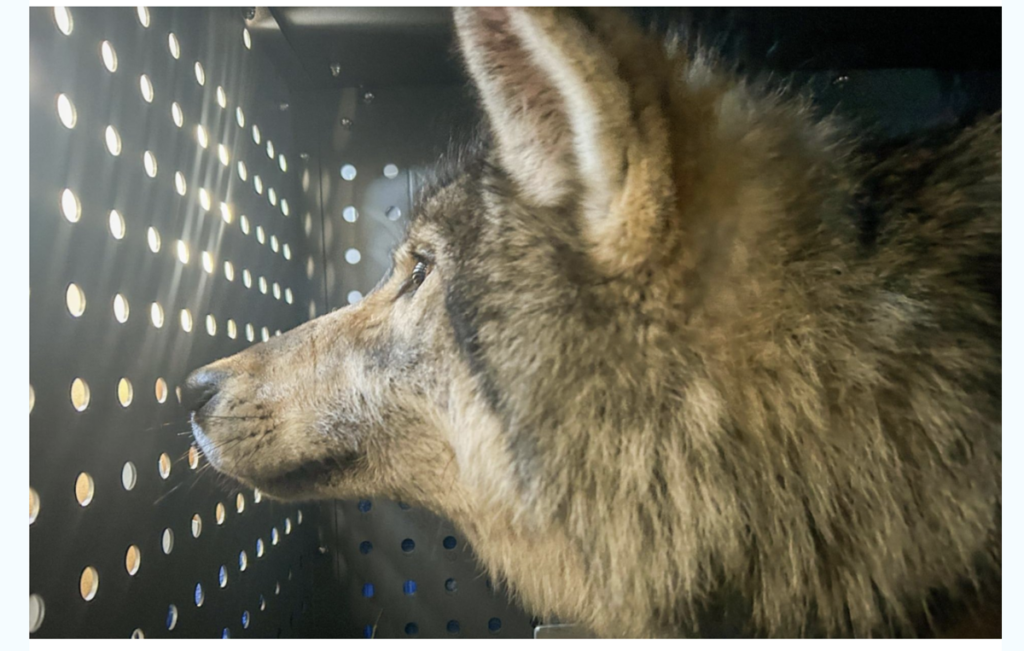
Wildlife commissioner pushes for tougher penalties after hunter accidentally kills Colorado wolf
Marianne Goodland
marianne.goodland@coloradopolitics.com
Updated 2 days ago
Colorado wildlife officials on Wednesday revisited the agency’s handling of violations involving protected species, prompting renewed debate over whether current penalties are sufficient. Colorado Parks and Wildlife Commissioner Rebecca Niemiec on Wednesday urged the agency to impose stronger penalties —...

Petitions seek to place noise restrictions, surveillance cameras and water limits on Colorado Springs ballot
Brennen Kauffman
brennen-kauffman@coloradopolitics.com
Updated 23 hours ago
Petitioners in Colorado Springs are preparing to gather signatures to place restrictions on noise levels, developments that use a large volume of water and surveillance cameras that use automatic tracking technology. The City Clerk’s office on Monday gave final approval...

Colorado’s Parks and Wildlife chair’s decision to limit public comments sparks backlash from fellow commissioners
Marianne Goodland
marianne.goodland@coloradopolitics.com
Updated 2 days ago
Last week, the chairman of Colorado’s wildlife commission unilaterally decided to limit public comments, complaining, in particular, that elected officials often “grandstand” at meetings and noting that the election season is well underway. This week, the commission overturned its chair’s...

Capped or graduated income tax rate? Colorado voters to decide
Marianne Goodland
marianne.goodland@coloradopolitics.com
Updated 2 days ago
The proposal to create income tax tiers — which would replace Colorado’s flat rate — has been certified for the November general election ballot, setting the stage for a major showdown between two competing forces seeking to define the parameters of...

Some charges against Colorado Democrat arrested for intoxication dropped, Texas police say
Deborah Grigsby
deborah.smith@denvergazette.com
Updated 3 days ago
The charges of resisting arrest against a Lone Tree Democrat who is running for the Colorado state House have been dropped, according to authorities from Texas. Christian Schilder, who is running to represent Colorado’s House District 39, was apprehended on...

A silver lining: Low water conditions at Green Mountain Reservoir open door for major repairs
Marianne Goodland
marianne.goodland@coloradopolitics.com
Updated 24 hours ago
One of the most striking signs of the low snowpack and drought that has plagued Colorado this year can be found by driving by Green Mountain Reservoir in Grand County. The reservoir, first filled in the 1940s, sits at its...
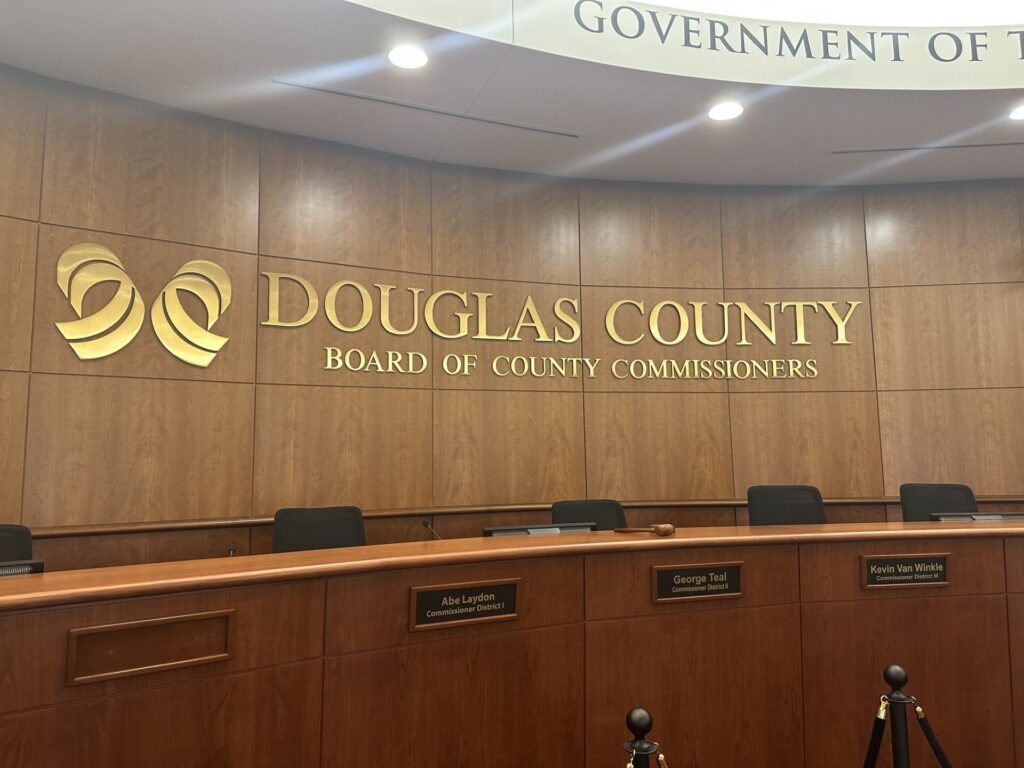
DougCo commissioners refer competing election measure on board expansion
Nicholas Fogleman
nicholas.fogleman@denvergazette.com
Updated 2 days ago
Douglas County commissioners formally waded into the debate over a voter-led ballot initiative Monday by unanimously referring a separate measure that would give voters an additional option if they choose to expand the board from three members to five. The...

More Denver voters identify as socialists as support reaches 3-year high
Nico Brambila
nico.brambila@denvergazette.com
Updated 1 day ago
More Denver voters identify as socialists than Republicans, continuing a three-year rise that comes on the heels of Democratic Socialist Melat Kiros’ upset primary victory over longtime U.S. Rep. Diana DeGette. Seventeen percent of Denver voters now identify as socialists,...
PREV
PREVIOUS

Appeals court reinstates Mesa County defendant’s request for DNA testing under new Colorado law
Colorado’s second-highest court revived a Mesa County defendant’s petition for DNA testing in his three-decade-old attempted murder case on Thursday, concluding that a trial judge wrongly interpreted a recent Colorado law in dismissing the request outright. Jurors convicted Billy Joe Page for the 1992 shootings of two victims. Page had no apparent motive, the victims […]

Regulators knew this marijuana product was harming people. It stayed on shelves for more than a year
Colorado’s Marijuana Enforcement Division can take months or even years to issue formal safety warnings about marijuana products even when it receives reports that the products are harming people’s health, The Denver Gazette and ProPublica found. This article was produced in partnership with ProPublica’s Local Reporting Network. In March 2022, Colorado public health officials started […]