Healthcare freefall: Once built on federal investment, rural hospitals today fight to survive
Editor’s Note: Colorado’s healthcare system is entering a period of accelerating instability — a “tsunami,” as multiple leaders describe it — driven by collapsing hospital finances, shrinking Medicaid reimbursements, disappearing services and a political fight over who is responsible for this unraveling. Healthcare Freefall is a multipart series examining how Colorado arrived at this moment, what H.R. 1 will do next and why communities across the state are bracing for deeper shocks.
Colorado’s rural hospitals are facing severe financial strain — with 75% operating on unsustainable margins and some worrying they may have to close.
Southwest Health CEO John Theine said the situation is especially frustrating, given why these facilities were built in the first place.
In the late 1940s, Congress made rural healthcare a national priority, directing major federal funding to build and support hospitals in remote communities. Theine said Congress acted because urban hospitals were becoming harder for rural residents to reach, and states — particularly across the South — were seeing rapid population growth in rural areas.
Today’s funding fights feel especially dispiriting, Theine said, because they contrast so sharply with an era when the public pushed for stronger healthcare options and higher-quality care — and trusted the government to close the gaps between rural and urban communities.
Still, there have been recent efforts to revive the focus on rural hospitals, with the Trump administration directly allocating billions to rural healthcare, though critics insist that funding boost won’t offset Medicaid losses.
Congress passed the Hill-Burton Act
After World War II, the U.S. faced a shortage of hospital beds at an estimated 3.2 beds per 1,000 civilians. In many rural communities and counties, there were no hospitals at all or medical services from routine care to emergencies beyond the one or two local physicians who served entire communities.
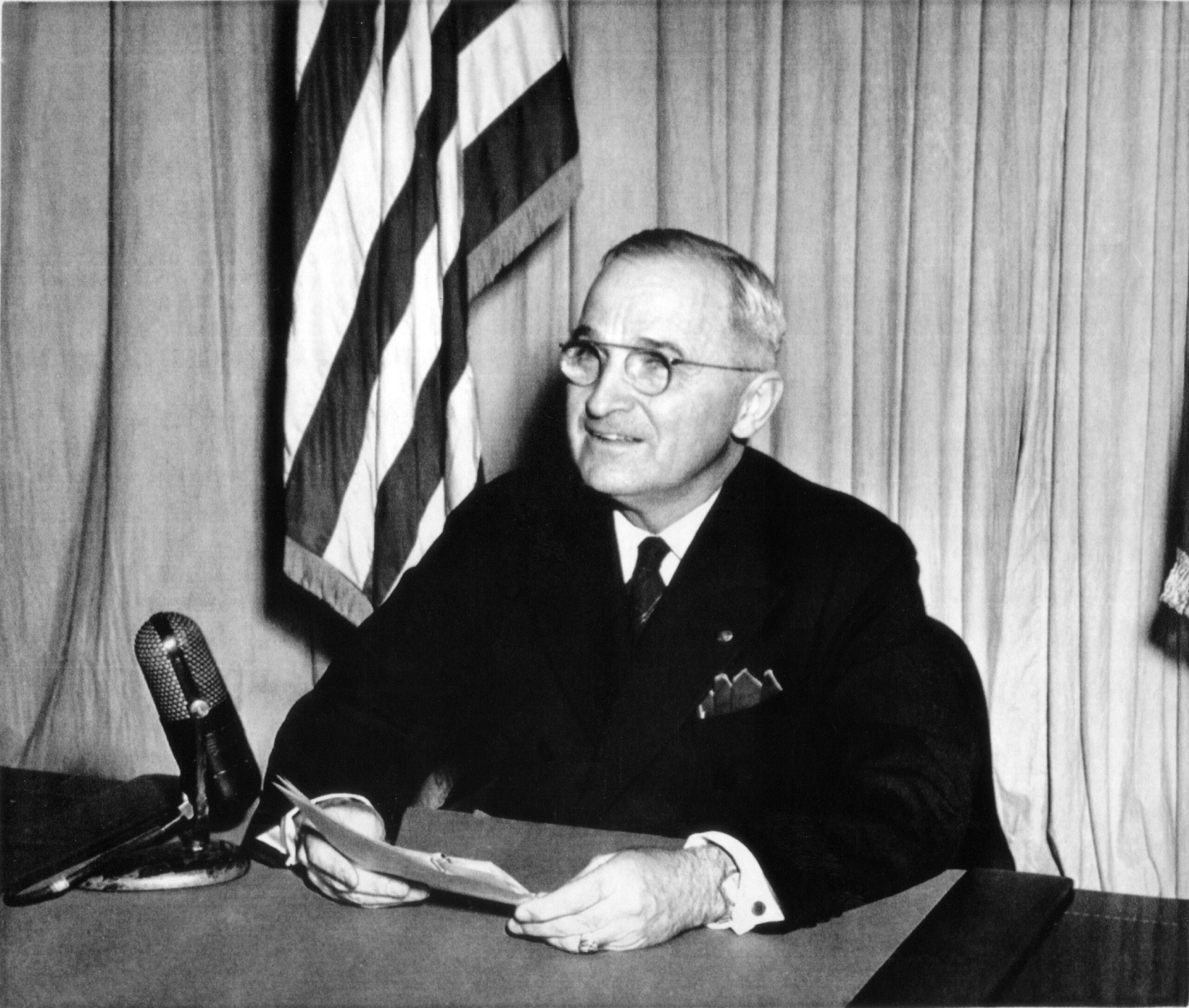
In November of 1945, President Harry S. Truman outlined five key priorities for improving national healthcare:
- Expand the number and distribution of health professionals
- Strengthen public health services
- Invest in medical research education
- Reduce the cost of individual medical care
- Provide income replacement for those unable to work due to illness or injury
Of those priorities, Truman received bipartisan support from Congress on expanding healthcare access, especially in rural communities, through hospital construction and expanding access to doctors and nurses.
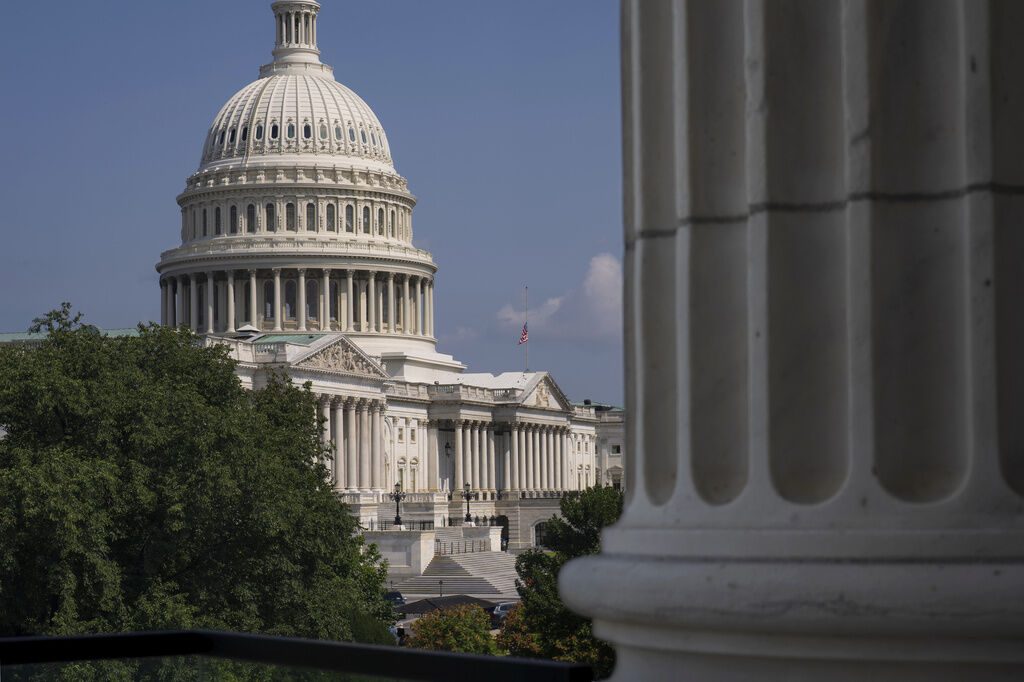
Introduced in 1946, the Hill-Burton Act or the Hospital Survey and Construction Act, aimed to provide grants and guaranteed loans to states for planning, surveying and building new community hospitals and healthcare facilities.
The bill, sponsored by Alabama Democratic Sen. J. Lister Hill and Republican Ohio Sen. Harold H. Burton, received near-unanimous support from both parties.
Signed by Truman on Aug. 13, 1946, the bill authorized $375 million in federal matching grants to states over a five-year period. By 1949, Congress had doubled the funding.
The bill’s success also allowed the U.S. Surgeon General to raise standards for bed-to-patient ratios in urban and rural counties. By the 1950s, there were 4.5 beds per 1,000 civilians.
Over time, nearly 7,000 hospitals were built in rural communities and $6 billion in federal grants and loans were authorized to medical providers.
Program funding ends, rural requirements remain
Theine said the Hill-Burton Act reflected its era — a moment when the country demanded better healthcare and backed major public investment to get it.
Over the decades, though, interest and political support faded, and by 1997, Congress ended funding for the program. With that decision, federal grants for building or modernizing rural hospitals disappeared.
Yet some hospitals are still bound by the long-term legal obligations they accepted when they took Hill-Burton money between 1946 and 1997. Even without the previous levels of ongoing federal support, they must still provide low-cost care and certain services outlined in their original agreements.
Today, three hospitals in Colorado remain subject to those requirements: the Guadalupe Health Center in Antonito, Peak Vista Community Health Center in Colorado Springs and Sunrise Community Health Center in Greeley, according to the Health Resources & Services Administration.
Since 1997, federal lawmakers have occasionally tried to revive the Hill-Burton Act or advance similar legislation, but none of those efforts had succeeded.
Some said the only major federal initiative still cited as expanding access is the Affordable Care Act, passed in 2010, which promised lower cost, state run insurance options. But Obamacare premiums have risen by double digits for the past two years, while options in the marketplace have dwindled, with critics questioning the burgeoning cost of “affordability” they said the law never actually delivered.

A $200 million boost to rural Colorado
H.R. 1 created grants aimed at the most vulnerable facilities, with Colorado’s rural hospitals expected to receive about $200 million a year for the next decade under the Rural Health Transformation Program — roughly $160 million after administrative costs.
State officials already began mapping out how to use the money late last month. Programs can apply for grants through November, with awards expected by year’s end.
Cristen Bates, deputy Medicaid director, said the funding comes with strict limits — it can support only new operations or innovations and only rural‑designated providers qualify.
Some hospital leaders maintained the money helps but won’t solve the underlying financial pressures.
In a memo, the White House said the new rural program provides “unprecedented new funding” to states to make rural healthcare “more effective and sustainable for the long term.” The White House also underscored the size of the program — a $50 billion infusion to the states.
The Trump administration noted common woes among rural hospitals: smaller bed counts, lower occupancy rates compared to their urban counterparts. And that is why, the administration said, “legacy” programs that link funding to reimbursement for services don’t really help rural hospitals, as their volume is too low.
The administration also decried the “fearmongering” that H.R. 1 puts such facilities at risk — when, the White House said, rural hospitals only receive 7% of Medicaid hospital spending.
“The disparity between urban and rural hospitals clearly shows how the waste, fraud, and abuse that proliferated under the Biden Administration did not benefit the most vulnerable hospitals,” the White House said. “The OBBB aggressively goes after that waste, fraud, and abuse by enforcing eligibility requirements, prioritizing work over welfare, and putting Americans first by removing noncitizens and ending financing gimmicks used to subsidize coverage for illegal immigrants.”
Funding shifts, costs hold
Leaders of rural hospitals in Colorado and across the country say the pattern is familiar: government funding shifts constantly, but their operating costs do not.
Notably, they groan under the weight of regulations, both at the state and federal levels.
And as new regulations take effect and hospitals hire staff to meet state or federal requirements, they must expand administrative teams, while striving to maintain the clinical workforce needed to care for patients every day, hospital leaders said.
Indeed, state‑approved regulations and expansion of services have surged in recent years, driving many of the cost pressures now surfacing in the system. One report from the Common Sense Institute noted that the state legislature has enacted 182 healthcare bills since 2019, adding an estimated $858 million in annual costs.
The report’s authors argued that growth in the Medicaid program — a major source of income for hospitals, though they argue that the reimbursement rate doesn’t cover the full cost of services — is largely the result of increasingly expansive regulatory and policy mandates, rather than enrollment trends or medical inflation alone.
Theine, who manages Southwest Health System in Cortez, said the math never changes: whether the emergency department sees a record 60 patients in a day, as it did last month or a typical 15 to 30, staffing needs and fixed daily costs remain the same. Keeping the hospital open costs $213,000 every day.
Some, like Theine’s hospital, are realizing that the support of the local community is key, just as financial assistance from the federal or state government is.
Theine said the Southwest Health System has been fortunate because its community remains supportive of high-quality healthcare by approving sales taxes for the hospital without a sunset clause. Other hospital districts are not as lucky, he said.
Half of Colorado’s 88 acute-care hospitals are located in rural or frontier counties. The distinction comes down to population density. Rural counties are nonmetropolitan areas without a city of more than 50,000 people. Frontier counties are even more remote, with six or fewer residents per square mile — the most sparsely populated areas within the broader rural category, according to the Colorado Department of Health Care Policy and Financing.
Of Colorado’s 64 counties, 24 meet the rural designation and 23 are classified as frontier.
According to the Colorado Hospital Association’s latest numbers, in 2024 rural hospitals provided the following services:
- Inpatients — 37,000
- Babies delivered — 4,996
- Emergency Department stabilization — 305,000
- Outpatients cared for — 500,000
Read more from the Healthcare freefall series:
Healthcare freefall: Subsidy cuts, insurance gaps reshape how Coloradans will seek care
Healthcare freefall: Subsidy cuts, insurance gaps reshape how Coloradans will seek care


Healthcare freefall: Subsidy cuts, insurance gaps reshape how Coloradans will seek care
Thelma Grimes
thelma.grimes@coloradopolitics.com
Updated 9 minutes ago
Editor’s Note: Colorado’s healthcare system is entering a period of accelerating instability — a “tsunami,” as multiple leaders describe it — driven by collapsing hospital finances, shrinking Medicaid reimbursements, disappearing services and a political fight over who is responsible for...
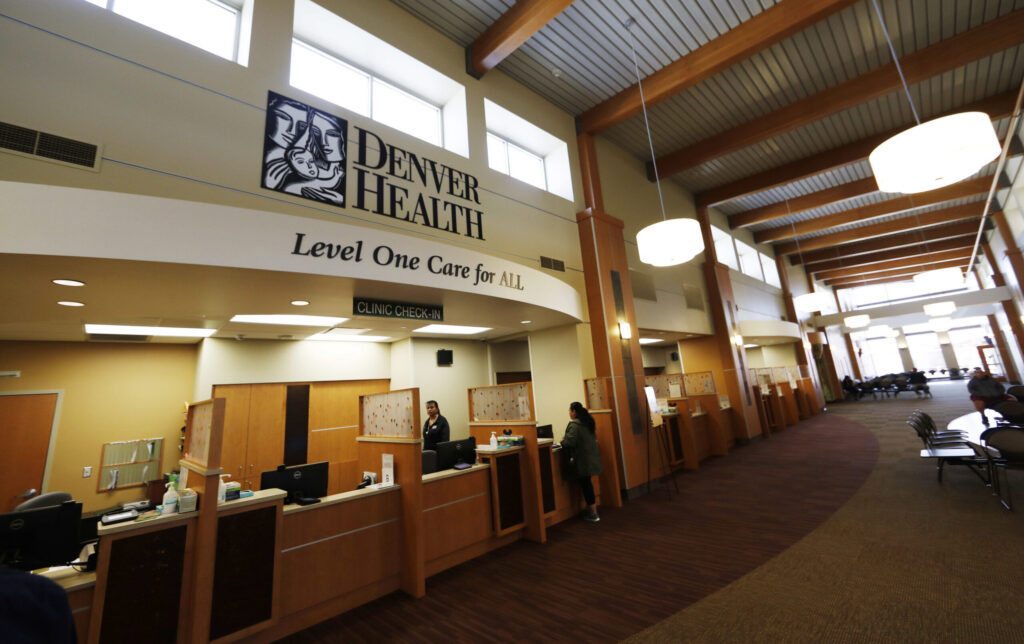
Healthcare Freefall: Finger‑pointing intensifies as Colorado’s healthcare system strains under rising costs, shrinking coverage
Thelma Grimes
thelma.grimes@coloradopolitics.com
Updated 50 minutes ago
Editor’s Note: Colorado’s healthcare system is entering a period of accelerating instability — a “tsunami,” as multiple leaders describe it — driven by collapsing hospital finances, shrinking Medicaid reimbursements, disappearing services and a political fight over who is responsible for...

Colorado shifts vaccine authority to state as Trump administration revises childhood framework
Marissa Ventrelli
marissa.ventrelli@coloradopolitics.com
Updated 2 days ago
As the Trump administration rolls out a revised childhood vaccine framework, Colorado’s law allowing the state to set its own immunization schedule has now taken effect. Issued Monday, President Donald Trump’s executive order separates childhood and adolescent vaccines into three...

Colorado’s troubled guardianship office pursues ‘cultural reset’
Marianne Goodland
marianne.goodland@coloradopolitics.com
Updated 4 days ago
Colorado’s guardianship program, long criticized for mismanagement and high staff attrition, is undergoing a “cultural reset,” as its new director works to repair partnerships and prepare for a major expansion under recent legislation. Created by lawmakers in 2017, the Office...

New Colorado laws going into effect cover AI disclosures, medical marijuana access and gambling limits
Marissa Ventrelli
marissa.ventrelli@coloradopolitics.com
Updated 1 week ago
More than 100 new Colorado laws take effect Aug. 12, bringing changes to chatbot safety rules, psychedelic research, campus wellness checks and sports betting restrictions. Here is a look at some of those laws set to take effect. The law:...

Colorado to implement new laws on jail standards, safe haven rules, and agricultural labeling
Marissa Ventrelli
marissa.ventrelli@coloradopolitics.com
Updated 7 days ago
In mid-August every year, a slew of recently passed laws in Colorado go into effect 90 days after the end of the legislative session. This year, all bills without a specified effective date or safety clause — a provision stating...

‘Explosive’ diarrhea-causing parasite cyclosporiasis cases nearly triple in Colorado
Nico Brambila
nico.brambila@denvergazette.com
Updated 1 week ago
Cases of the “explosive” diarrhea-causing parasite cyclosporiasis nearly tripled in Colorado over the past month, prompting renewed attention after related deaths were reported in Michigan. Twenty-nine counties in Colorado have reported cases, according to the Colorado Department of Public Health...

U.S. News names Saint Joseph best hospital in Colorado, ending University of Colorado Hospital’s 13-year streak
Nico Brambila
nico.brambila@denvergazette.com
Updated 1 week ago
University of Colorado Hospital is no longer Colorado’s top-ranked hospital for the first time in more than a decade, with Intermountain Health Saint Joseph Hospital taking the No. 1 spot in U.S. News & World Report’s latest rankings. Located on...

Colorado lawmakers start crafting strategy to manage $200 million in federal rural health funds
Marissa Ventrelli
marissa.ventrelli@coloradopolitics.com
Updated 2 weeks ago
Colorado officials have begun to strategize as the state is set to receive hundreds of millions of dollars from a federal program meant to boost rural health. Cristen Bates, deputy Medicaid director at the Department of Health Care Policy and...
Fauci’s private COVID-19 diaries: Six takeaways on fame, prize money and the lab leak debate
The Washington Examiner
the-washington-examiner@coloradopolitics.com
Updated 2 weeks ago
Anthony Fauci’s private writings from 2020 and beyond portray a public health official who was fixated on his growing celebrity while privately grappling with a pandemic response he believed was chaotic, leaderless and consumed by internal rivalries. The writings of...