Colorado’s No. 1 education ranking should raise our ambition | GUEST COLUMN
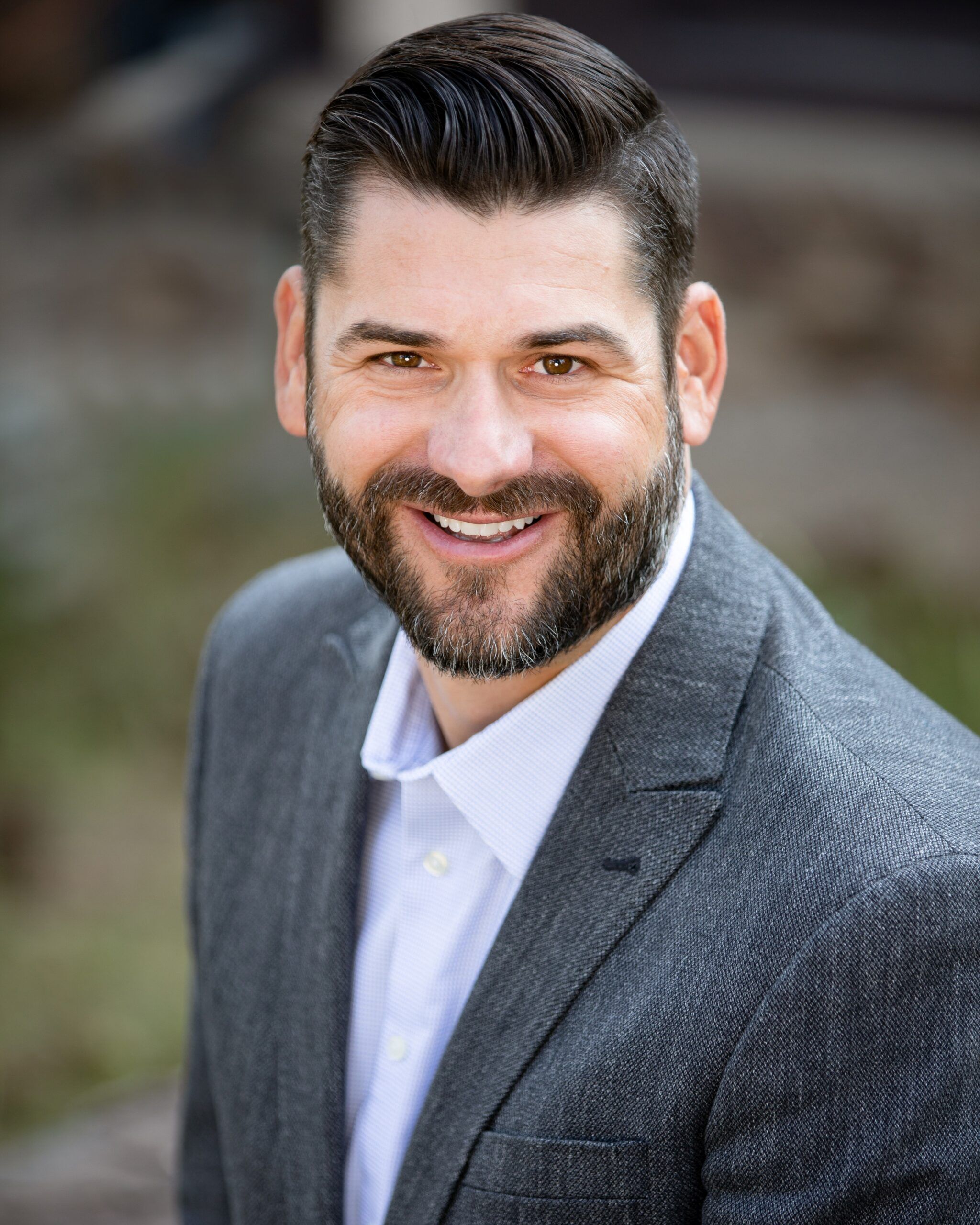
By Scott Laband
Colorado has earned the right to celebrate its new No. 1 ranking in education from U.S. News & World Report.
Gov. Jared Polis called it “one of the proudest moments” of his time in office and shared the credit with education leaders, teachers, parents, communities and students. He is right to recognize the work behind the headline. Expanding preschool access, improving completion and building stronger pathways through education do not happen by accident.
Yet, the ranking also gives Colorado an opportunity to ask a more demanding question: what would it take to turn a first-place ranking into a first-rate experience for every Colorado learner?
Colorado’s result was driven by increased preschool enrollment and gains in associate-degree completion and attainment.
Colorado’s universal preschool program enrolled 58,107 children in 2024-25, according to the National Institute for Early Education Research. The state ranked third nationally in access for 4-year-olds and fifth for 3-year-olds. Colorado also reached a four-year high school graduation rate of 85.6%, the highest in more than a decade, while the dropout rate fell to 1.6%, the lowest in state history.
These numbers represent thousands of children gaining access to early learning and thousands of young people leaving high school with more options. Still, access and completion are not the whole story.
NIEER found Colorado met only two of its 10 preschool quality benchmarks in 2024-25, while noting the new program may meet more as its standards are fully implemented. That is not an argument against universal preschool. It is a reminder the next phase must focus as intensely on quality as the first phase focused on access.
The same tension appears in K-12 education. Colorado fourth-graders scored above the national average in reading on the 2024 National Assessment of Educational Progress. Yet only 36% performed at or above NAEP Proficient. Economically disadvantaged fourth-graders scored 33 points below their more affluent peers, and only 19% reached proficiency.
Colorado can compare favorably with other states and still be far from where its students need it to be.
Higher education presents another opportunity. More students completing associate degrees is good news. Students who leave college without a credential often absorb the cost without receiving the full benefit. But not every credential carries the same value. Its worth depends on cost, time to completion, field of study, employer demand and what happens to a learner’s earnings and opportunities afterward.
Colorado has started to confront this directly. The Department of Higher Education publishes information on program costs, debt and earnings one, five and 10 years after completion. In 2024, the legislature invested in a longitudinal data system connecting early childhood, K-12, postsecondary and workforce data. The system is intended to help leaders, educators, families and students understand which pathways lead to learning, completion, employment and economic mobility.
That is an important foundation. The real test is whether Colorado uses this information to evaluate programs, direct public funding and help students choose among pathways. Completion should not be treated as the finish line, and all credentials should not be presumed equally valuable.
Colorado should distinguish between programs that add to attainment totals and those that produce measurable value for learners. Did the credential lead to a good job, greater economic security and the ability to advance? Did students who began furthest from opportunity experience the same progress?
No single ranking can answer all of those questions. The U.S. News result is real evidence Colorado has assembled strength across the education continuum. It validates years of work by people throughout the state, and it should give Colorado confidence that large systems can improve.
It should also sharpen our sense of responsibility.
A first-place ranking is most valuable when it raises expectations. Colorado should now pair preschool access with consistent quality, higher graduation rates with genuine readiness and more credentials with stronger economic returns.
Meeting those expectations means grade-level literacy, meaningful work-based learning, credentials of value, transparent outcomes and public dollars directed toward programs that work.
The governor is right this moment belongs to the people who made the progress possible. The next chapter should ensure every Colorado learner experiences the promise the ranking represents in practice.
Scott Laband is president and chief executive of Colorado Succeeds, a nonprofit, nonpartisan organization that brings together leaders from business, education and government to advance education and workforce development.


Colorado’s No. 1 education ranking reflects the power of school choice | GUEST COLUMN
Colorado Politics
colorado-politics@coloradopolitics.com
Updated 2 hours ago
By Peter Mason Colorado is now the No. 1 state in the nation for education, according to the 2026 U.S. News & World Report Best States rankings. That is a distinction worth celebrating. It is also a distinction worth understanding....
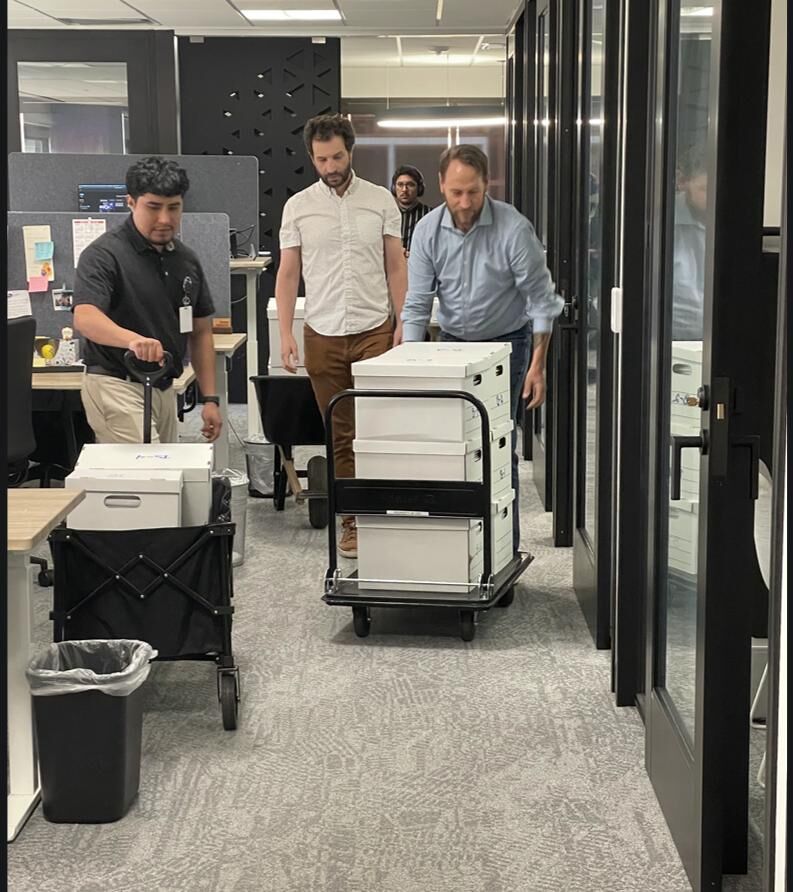
Group submits signatures for proposed Colorado graduated income tax
Marianne Goodland
marianne.goodland@coloradopolitics.com
Updated 8 hours ago
The measure, which eliminates Colorado’s flat tax, is expected to raise $2 billion in new revenue The proposal to amend the Colorado constitution to change the state’s flat rate into a graduated income tax came in under the wire Monday,...

Democratic group maps out path to Colorado House and Senate supermajorities
Marissa Ventrelli
marissa.ventrelli@coloradopolitics.com
Updated 9 hours ago
A national organization that works to elect Democrats to state legislatures has its sights on Colorado, unveiling a road map to establish a supermajority in both the House and Senate. Democrats have held a majority in the House since 2013...

Courageous Colorado bucks Trump’s federal stupidity | Miller Hudson
Miller Hudson
miller-hudson@coloradopolitics.com
Updated 14 hours ago
There are several theories regarding the rhythm of American politics. The most frequently cited is the pendulum hypothesis — positing that episodes of liberal dominance are then interrupted by spans of conservative control. Since Ronald Reagan’s presidential election in 1980,...

A historic moment during another major drought | Rachel Gabel
Rachel Gabel
rachel-gabel@coloradopolitics.com
Updated 3 days ago
Gustav Sumnick emigrated from Germany, traveled to Oklahoma and decided rather than be a Sooner, he wanted to be a farmer. He moved north to Nebraska and married an Irish immigrant farmer’s daughter. They farmed near Fremont, Nebraska, where the...

Colorado can’t forget the lessons of COVID | Jon Caldara
Jon Caldara
jon-caldara@coloradopolitics.com
Updated 16 hours ago
We are finally getting a clearer picture of what happened during COVID. Not because the people who locked us up, masked our faces and forced unproven chemicals into our bodies have suddenly become transparent, but because Anthony Fauci’s COVID-era diary...
Historic preservation supporters organize to oppose Trump changes | Bob Loevy
Tom Cronin
tom-cronin@coloradopolitics.com
Updated 3 days ago
Historic preservation organizations in Colorado Springs, the remainder of Colorado and across the nation are organizing to resist a recent effort to relax and weaken historic preservation laws in the United States. In Washington, D.C., the Advisory Council on Historic...

At conservative summit, Colorado Republican leaders concede Democrats’ election edge
Marissa Ventrelli
marissa.ventrelli@coloradopolitics.com
Updated 3 days ago
Four Republican state lawmakers told attendees at a gathering of conservative leaders on Friday they doubt their party can win statewide races, noting that Colorado’s electorate has been shifting toward Democrats but adding they see an opening in several pockets....
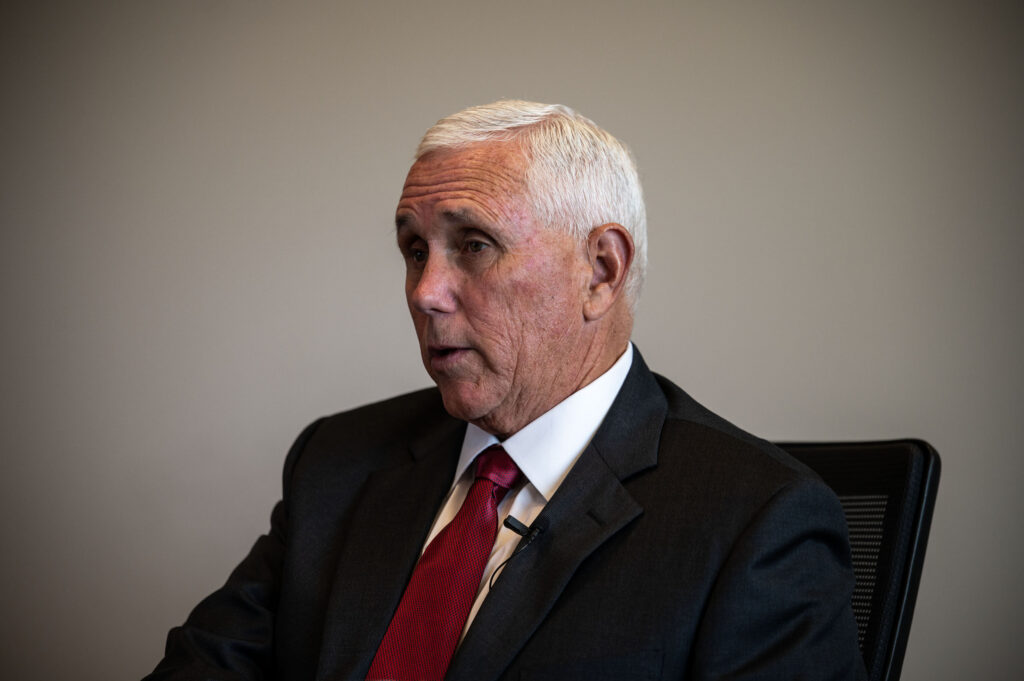
Q&A with Mike Pence | Former vice president says GOP’s populist turn from conservatism isn’t permanent
Ernest Luning
ernest.luning@coloradopolitics.com
Updated 3 days ago
Former Vice President Mike Pence says he’s concerned that the Republican Party has taken a populist turn away from bedrock conservative principles during President Donald Trump’s second term, but he believes the party will return to its roots when Trump...
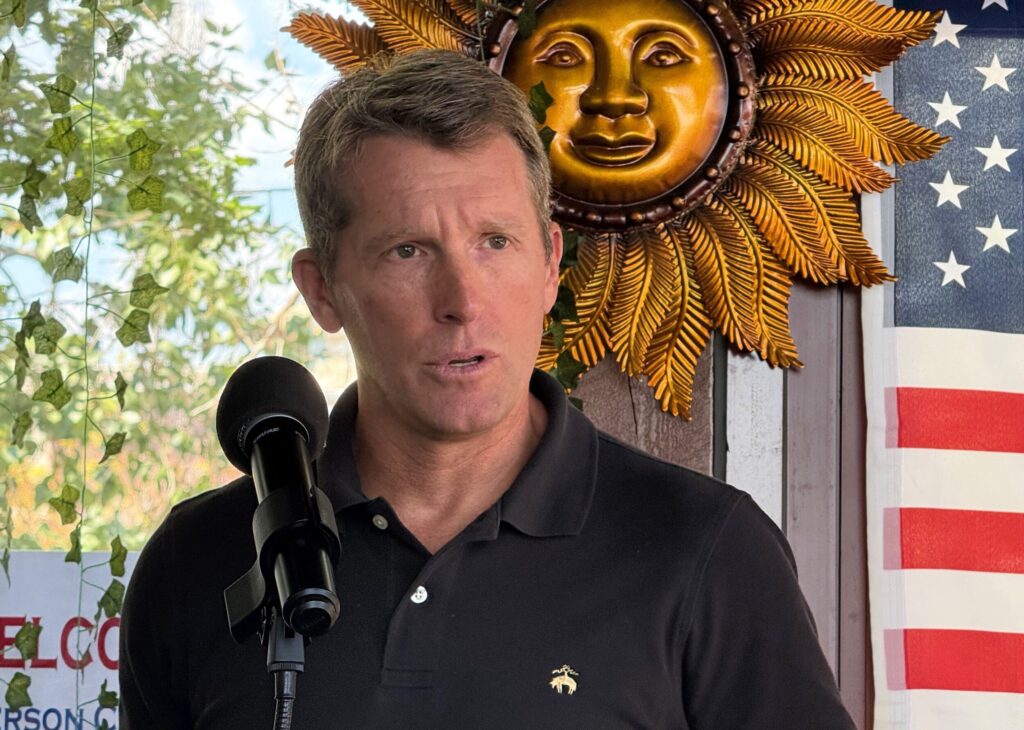
Republican Victor Marx taps George Markert as his lieutenant governor pick in Colorado’s gubernatorial race
Ernest Luning
ernest.luning@coloradopolitics.com
Updated 3 days ago
Colorado Republican gubernatorial nominee Victor Marx named George Markert, a retired Marine colonel, as his running mate for lieutenant governor Friday morning, saying the former U.S. Senate candidate will bring “exceptional character, proven leadership and a lifetime of serving others”...