

Historic preservation supporters organize to oppose Trump changes | Bob Loevy

Historic preservation organizations in Colorado Springs, the remainder of Colorado and across the nation are organizing to resist a recent effort to relax and weaken historic preservation laws in the United States.
In Washington, D.C., the Advisory Council on Historic Preservation (ACHP) has adopted a plan that will greatly reduce the powers of the United States government to protect National Register Historic Districts and National Register Historic Places from being either altered in character or totally removed.
The Advisory Council on Historic Preservation has been loaded with President Donald Trump’s allies and has moved to relax a 60-year-old historic preservation law that requires U.S. government-financed projects go through a rigorous consideration process before they can change or remove U.S. designated historic sites.
El Paso County, which includes Colorado Springs, has more than 90 National Register Historic Districts and National Register Historic Places.
The National Register Historic Districts in the county include the Old North End National Register Historic District and the North Weber-Wahsatch National Register Historic District.
The National Register of Historic Places includes, among many others, the former El Paso County Courthouse (now the Pioneers Museum), the Colorado Springs City Hall, the former Santa Fe railroad station and the Cliff House Hotel in Manitou Springs.
The types of projects that could harm historic sites in the United States are new U.S. highways and new U.S. irrigation canals, for example.
The requirement that U.S. government projects respect historic districts and historic places is in Section 106. The changes proposed by Trump supporters on the Advisory Council call for taking what are now requirements and making them voluntary procedures.
Thus, legal language requiring U.S. government projects to “avoid, minimize or mitigate” project effects has been removed.
The proposed changes would greatly reduce the role of state governments and local communities in opposing U.S. government projects that could potentially harm historic sites.
Local opportunities for input on the importance of historic preservation to local interests will be greatly weakened.
The changes by the Advisory Council on Historic Preservation that will weaken historic preservation will be subject to a 30-day comment period. During that time, those who oppose the changes can make their opinions known.
Residents of National Register Historic Districts and owners and custodians of National Register Historic Places are encouraged to take advantage of the 30-day comment period and make their voices heard in opposition to the changes.
That process is already underway among historic preservation interests in El Paso County and the remainder of Colorado.
The Trump forces are said to be making these major changes in the historic preservation process in the United States because national historic preservation laws are making it difficult for Trump to build his desired “Triumphal Arch” in Washington, D.C.
The Trump people argue the present historic preservation rules are unnecessarily “slowing down” and making difficult the proposed arch. and other Trump projects for the capital city.
At the same time the Trump associates change the historic preservation rules in the nation’s capital, they have to make the same changes for the country at large.
It all fits with the general tendency under the Trump administration to do away with longtime protections for such values as historic preservation and sharply change the way these issues are handled in the United States.
And most of the Trump-inspired changes have a general tendency to reduce regulation and simultaneously protection of things highly valued by many of the American people.
Also losing protections under the proposed new Trump rules will be Colorado state historic sites such as Bent’s Old Fort on the eastern plains of Colorado.
Bob Loevy is a retired professor of political science at Colorado College who writes about Colorado and national politics.


Colorado can’t forget the lessons of COVID | Jon Caldara
Jon Caldara
jon-caldara@coloradopolitics.com
Updated 2 days ago
We are finally getting a clearer picture of what happened during COVID. Not because the people who locked us up, masked our faces and forced unproven chemicals into our bodies have suddenly become transparent, but because Anthony Fauci’s COVID-era diary...

At conservative summit, Colorado Republican leaders concede Democrats’ election edge
Marissa Ventrelli
marissa.ventrelli@coloradopolitics.com
Updated 15 hours ago
Four Republican state lawmakers told attendees at a gathering of conservative leaders on Friday they doubt their party can win statewide races, noting that Colorado’s electorate has been shifting toward Democrats but adding they see an opening in several pockets....
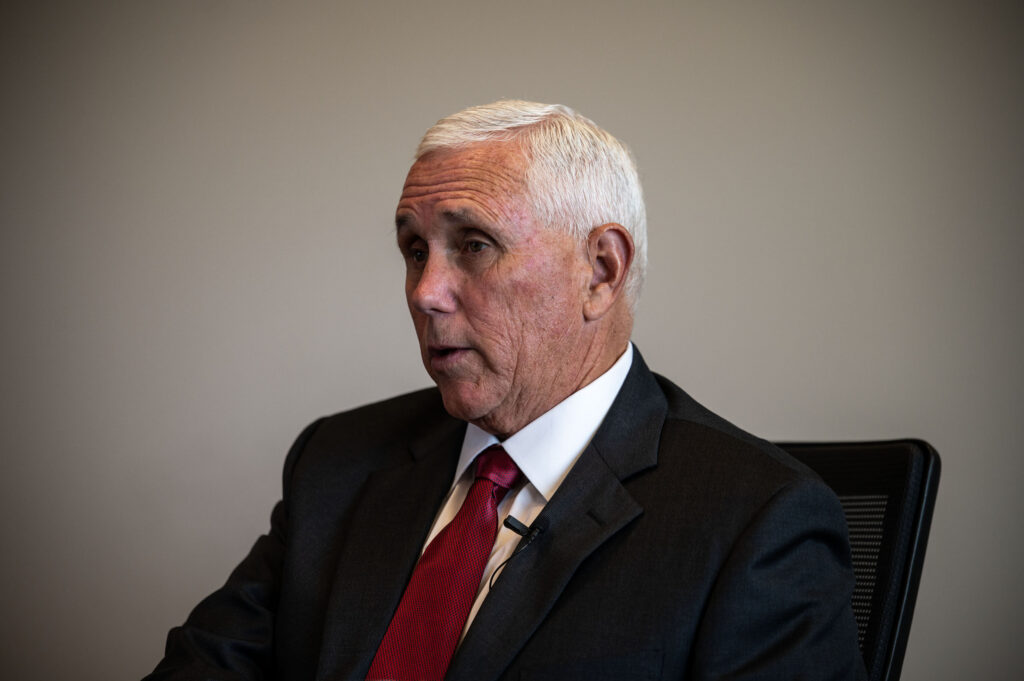
Q&A with Mike Pence | Former vice president says GOP’s populist turn from conservatism isn’t permanent
Ernest Luning
ernest.luning@coloradopolitics.com
Updated 12 hours ago
Former Vice President Mike Pence says he’s concerned that the Republican Party has taken a populist turn away from bedrock conservative principles during President Donald Trump’s second term, but he believes the party will return to its roots when Trump...

Republican Victor Marx taps George Markert as his lieutenant governor pick in Colorado’s gubernatorial race
Ernest Luning
ernest.luning@coloradopolitics.com
Updated 1 day ago
Colorado Republican gubernatorial nominee Victor Marx named George Markert, a retired Marine colonel, as his running mate for lieutenant governor Friday morning, saying the former U.S. Senate candidate will bring “exceptional character, proven leadership and a lifetime of serving others”...
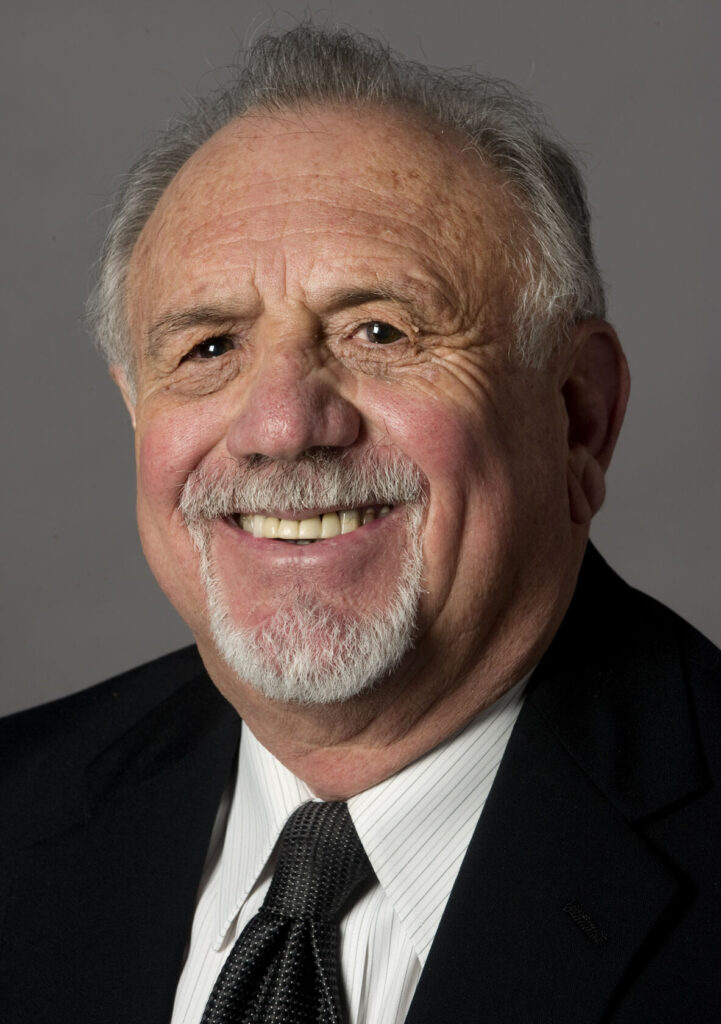
Pueblo mayor, council concoct Trumpian Texas Two-Step | Dennis Maes
Dennis Maes
dennis-maes@coloradopolitics.com
Updated 2 days ago
Several weeks ago, an article was published positing Pueblo Mayor Heather Graham is a disciple of the calamitous Donald Trump school of governance — specifically as it related to questionable ethical practices and the misuse of public funds. Recently, Graham...

Colorado can’t afford to turn its back on proven public safety technology | GUEST COLUMN
Colorado Politics
colorado-politics@coloradopolitics.com
Updated 2 days ago
By Samuel G. Michael I recently saw a report that said Colorado is leading the way in artificial intelligence adoption for businesses. Across our state, more business owners and employees than ever before use AI for their everyday functions —...

Colorado lawmakers start crafting strategy to manage $200 million in federal rural health funds
Marissa Ventrelli
marissa.ventrelli@coloradopolitics.com
Updated 2 days ago
Members of the Colorado legislature’s new Commission on Medicaid raised concerns Wednesday about the federal Rural Health Transformation Program created under H.R. 1. The bipartisan, bicameral commission, created in the last legislative session to guide implementation of Medicaid changes under...
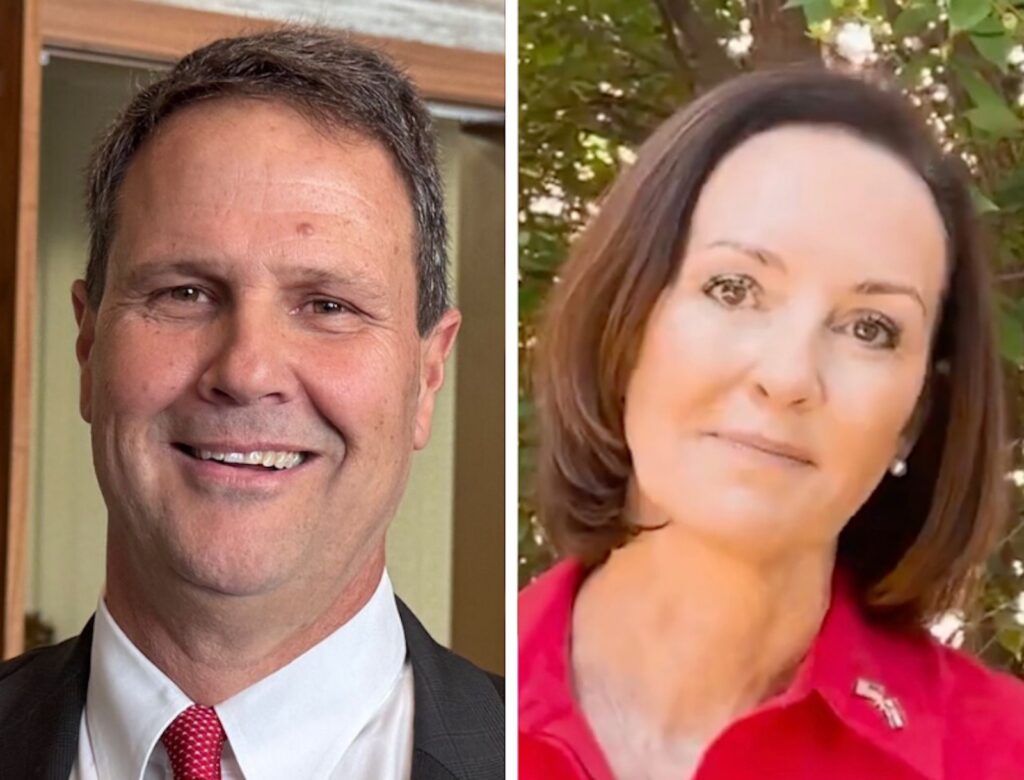
Democrat Jessica Killin’s internal poll shows dead heat with U.S. Rep. Jeff Crank in Colorado’s 5th CD
Ernest Luning
ernest.luning@coloradopolitics.com
Updated 2 days ago
Jessica Killin, the Democratic nominee in Colorado’s 5th Congressional District, is in a statistical tie with Republican U.S. Rep. Jeff Crank, according to an internal poll released this week by Killin’s campaign. The poll of likely general election voters, conducted...

Colorado’s 72-hour social media warrant law takes effect Aug. 12
Marissa Ventrelli
marissa.ventrelli@coloradopolitics.com
Updated 3 days ago
A law requiring social media platforms to respond to search warrants within 72 hours goes into effect on Aug. 12. Senate Bill 011 also requires platforms to create a staffed hotline for Colorado law enforcement agencies to contact regarding pending...

As education conflicts abound across Colorado, who puts the kids first? | Paula Noonan
Paula Noonan
paula-noonan@coloradopolitics.com
Updated 3 days ago
Elected school boards and the Colorado Department of Education (CDE) have hit the headlines with fired superintendents, superintendent resignations, failures of oversight, and misdirected dollars. Cherry Creek School District’s superintendent was fired. Jefferson County Schools’ superintendent found a less stressful...
PREV
PREVIOUS

The primary political reform and precondition for all others | SONDERMANN
In its current state, the American political system has no end of ailments. Far too many factors accelerate polarization and work against moderation and narrowing the differences. Media, and the way so many citizens limit themselves to agreeable, reinforcing sources, only dials up the division. Congress has become performative and is essentially crippled in carrying […]

Colorado can't forget the lessons of COVID | Jon Caldara
We are finally getting a clearer picture of what happened during COVID. Not because the people who locked us up, masked our faces and forced unproven chemicals into our bodies have suddenly become transparent, but because Anthony Fauci’s COVID-era diary is coming into public view. This long document makes one thing painfully clear: the people […]