

A historic moment during another major drought | Rachel Gabel
Gustav Sumnick emigrated from Germany, traveled to Oklahoma and decided rather than be a Sooner, he wanted to be a farmer. He moved north to Nebraska and married an Irish immigrant farmer’s daughter. They farmed near Fremont, Nebraska, where the Platte and the Elkhorn rivers meet and grew the family farming operation to more than 1,100 acres.
In 1932, President Franklin D. Roosevelt was campaigning for president and wanted to meet a successful Nebraska farmer. Unfortunately, finding a farmer having success during widespread drought was challenging, but Gustav was up for the challenge. When FDR’s presidential trail pulled into the station in Fremont, a large crowd was there to meet his group, including national media. From Fremont, the group traveled to the Sumnick farm and gathered beneath the shade trees.
An article in The New Yorker said the crowd at the Sumnick farm was 8,000 strong. Howard Brubaker, in “Of All Things,” said, “The Sumnicks of Nebraska are one of the few remaining specimens of the prosperous farm family. When they visit the Roosevelts next summer they may be tapped for membership in the Smithsonian.”
At the Sumnick farm, though FDR was unable to leave the vehicle due to the polio that plagued him since 1921, the Sumnicks demonstrated some of their farm equipment and he and Gustav spoke about issues facing farmers. He was also treated to a plate of Mary’s fried chicken, which he enjoyed in the car while Eleanor joined the family in the yard.
An article that appeared in Time magazine on Oct. 9, 1932, detailed the “sun-bronzed Farmer Sumnick, coatless and with suspenders over his blue shirt, greeted Gov. Roosevelt on the elm-shaded lawn before his large, well-built house. He introduced his wife who wore her hair in the Pompadour style of 25 years ago, his 11 sons and daughters. “You’ve got a regular Roosevelt family,” remarked T.R.’s fifth cousin, father of five. A chicken dinner, cooking since 5 a.m., was served at tables on the lawn. Smacking over it, Gov. Roosevelt told his host: “I’ve eaten a lot of meals since I left home but this is the best yet.” Afterward he was driven out to inspect barn, hog lot, corn crib, silo, tractor, threshing machine. “Mighty fine! Mighty fine!” the Governor repeated. “You know. I’ve lived on a farm for 50 years.” Mrs. Roosevelt gamely climbed barbed-wire fences. At the thresher the entire party was deluged with chaff.”
The article goes on to describe Sumnick, in a German accent, telling Roosevelt, “We’re Republicans but we’ve got 11 votes for you in our family and we’d have two more if the youngsters were of voting age. At the price quoted when Hoover was inaugurated, the 30,000 bushels of corn I’m now harvesting would be worth $28,500 in Omaha. But instead, it’s worth only $8,100, a clear drop of $20,400. And my 350 hogs at the price when Hoover became president would be worth $4,120, but at this year’s prices would bring only $1,015. The drop in my corn and hogs totals $23,505. If Hoover and his Farm Board had kept their hands off, I’d be from $75,000 to $85,000 better off today than I am after four years of Hoover.”
Mick Sumnick said his grandfather was stern, serious and concerned more with the success of his farm operation than politics, though he recognized the relationship of the two. FDR, he said, was a real go-getter, smart and he liked to know how things worked. When he was in the White House, he sent Gustav a telegram that read, “Gus, I’m going to be passing through Waterloo and I’d like you to get on the train with me. I need some facts and information.”
That was in 1936 and FDR was on his way back east from visiting Sidney and North Platte. A huge crowd welcomed the presidential train into Fremont with red, white and blue banners fluttering above them. According to History Nebraska, Sumnick and Nebraska Gov. Robert LeRoy Cochran were both aboard the presidential train. Sumnick spoke about agriculture, and Cochran spoke to the president about the need for major flood-control projects in the Republican River Valley, which had flooded the year previously with disastrous results. Not unlike today, water and agriculture were top of mind and it was those in production agriculture trusted to relay the most vital information.
The following November, Nebraska voters delivered 57% of the vote over Republican challenger Alf Landon. It was the second time, and the last time, FDR carried Nebraska in his four presidential campaigns. Today, Colorado is locked in a fight over water with Sumnick’s home state of Nebraska. It will take leadership willing to surround themselves with those who can offer the best information and, just as it was on the presidential train long ago, it will take ignoring party politics to win either battles or wars.
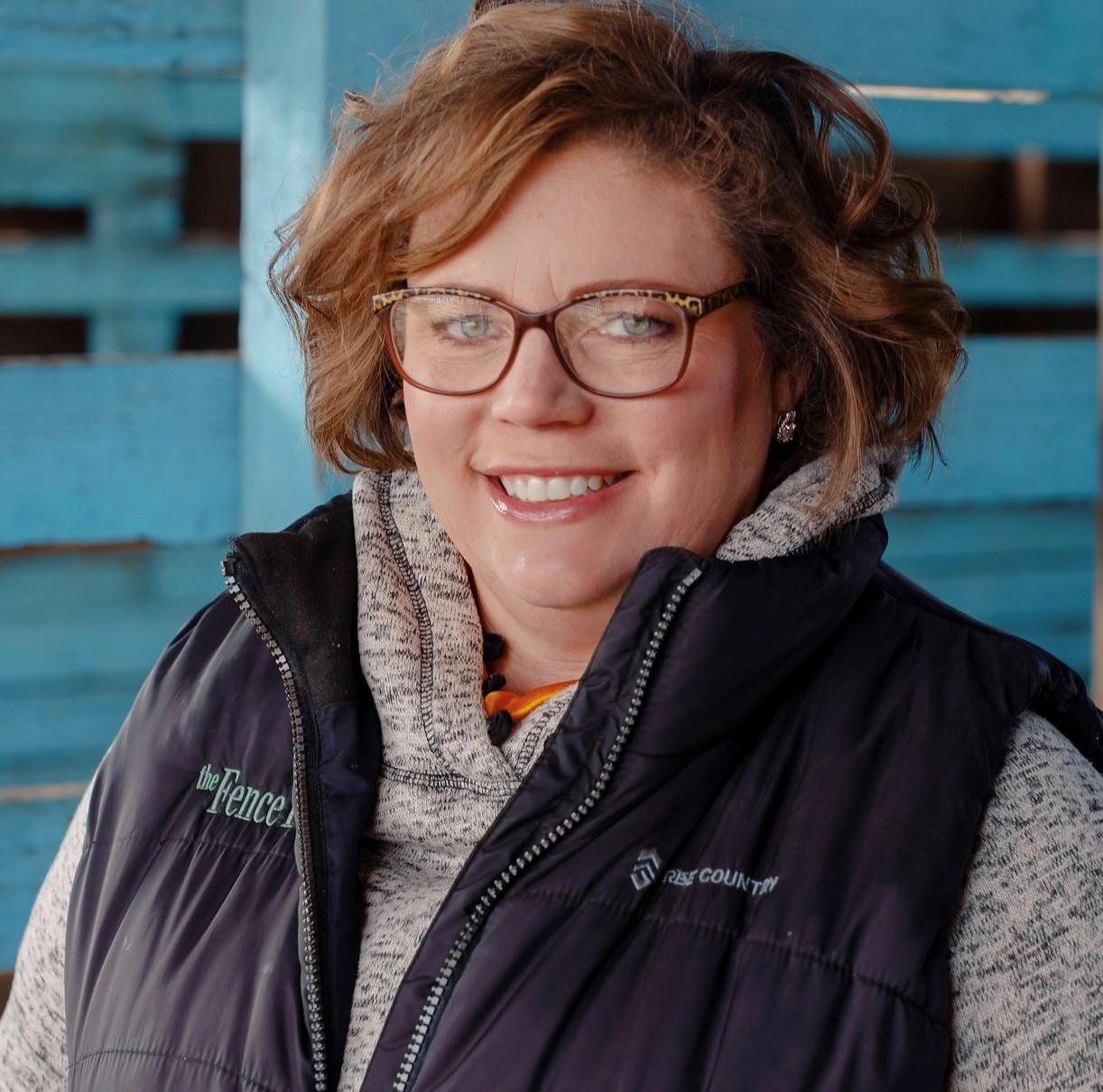
Rachel Gabel writes about agriculture and rural issues. She is assistant editor of The Fence Post Magazine, the region’s preeminent agriculture publication.


Courageous Colorado bucks Trump’s federal stupidity | Miller Hudson
Miller Hudson
miller-hudson@coloradopolitics.com
Updated 2 days ago
There are several theories regarding the rhythm of American politics. The most frequently cited is the pendulum hypothesis — positing that episodes of liberal dominance are then interrupted by spans of conservative control. Since Ronald Reagan’s presidential election in 1980,...

Colorado can’t forget the lessons of COVID | Jon Caldara
Jon Caldara
jon-caldara@coloradopolitics.com
Updated 3 days ago
We are finally getting a clearer picture of what happened during COVID. Not because the people who locked us up, masked our faces and forced unproven chemicals into our bodies have suddenly become transparent, but because Anthony Fauci’s COVID-era diary...
Historic preservation supporters organize to oppose Trump changes | Bob Loevy
Tom Cronin
tom-cronin@coloradopolitics.com
Updated 2 days ago
Historic preservation organizations in Colorado Springs, the remainder of Colorado and across the nation are organizing to resist a recent effort to relax and weaken historic preservation laws in the United States. In Washington, D.C., the Advisory Council on Historic...

At conservative summit, Colorado Republican leaders concede Democrats’ election edge
Marissa Ventrelli
marissa.ventrelli@coloradopolitics.com
Updated 2 days ago
Four Republican state lawmakers told attendees at a gathering of conservative leaders on Friday they doubt their party can win statewide races, noting that Colorado’s electorate has been shifting toward Democrats but adding they see an opening in several pockets....
Q&A with Mike Pence | Former vice president says GOP’s populist turn from conservatism isn’t permanent
Ernest Luning
ernest.luning@coloradopolitics.com
Updated 2 days ago
Former Vice President Mike Pence says he’s concerned that the Republican Party has taken a populist turn away from bedrock conservative principles during President Donald Trump’s second term, but he believes the party will return to its roots when Trump...

Republican Victor Marx taps George Markert as his lieutenant governor pick in Colorado’s gubernatorial race
Ernest Luning
ernest.luning@coloradopolitics.com
Updated 2 days ago
Colorado Republican gubernatorial nominee Victor Marx named George Markert, a retired Marine colonel, as his running mate for lieutenant governor Friday morning, saying the former U.S. Senate candidate will bring “exceptional character, proven leadership and a lifetime of serving others”...
Pueblo mayor, council concoct Trumpian Texas Two-Step | Dennis Maes
Dennis Maes
dennis-maes@coloradopolitics.com
Updated 3 days ago
Several weeks ago, an article was published positing Pueblo Mayor Heather Graham is a disciple of the calamitous Donald Trump school of governance — specifically as it related to questionable ethical practices and the misuse of public funds. Recently, Graham...

Colorado can’t afford to turn its back on proven public safety technology | GUEST COLUMN
Colorado Politics
colorado-politics@coloradopolitics.com
Updated 3 days ago
By Samuel G. Michael I recently saw a report that said Colorado is leading the way in artificial intelligence adoption for businesses. Across our state, more business owners and employees than ever before use AI for their everyday functions —...
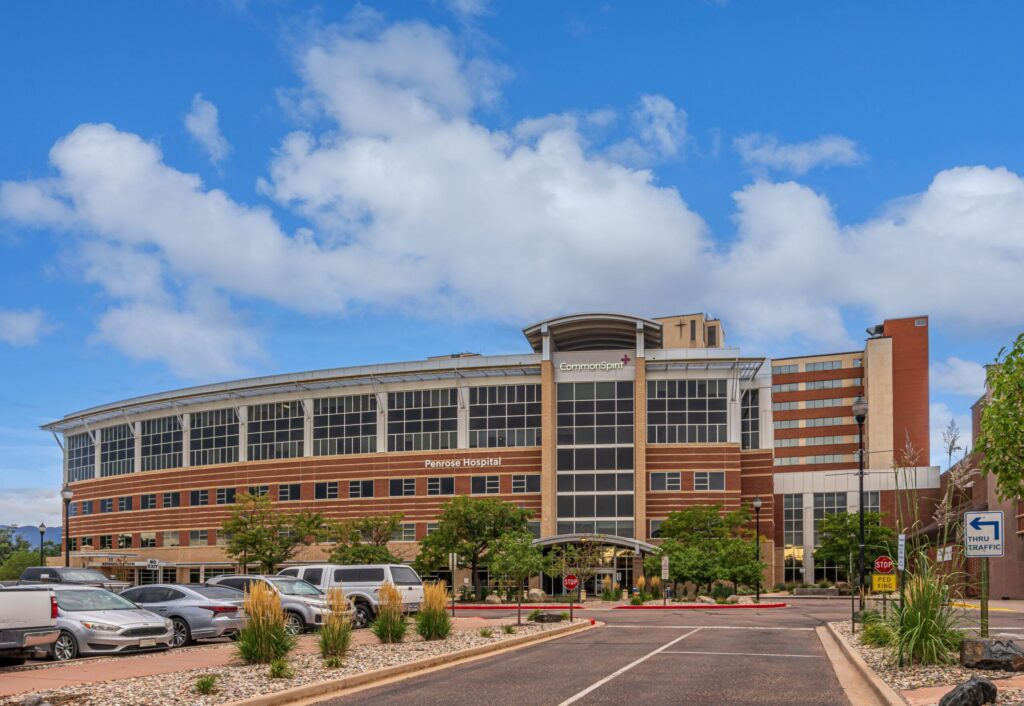
Colorado lawmakers start crafting strategy to manage $200 million in federal rural health funds
Marissa Ventrelli
marissa.ventrelli@coloradopolitics.com
Updated 10 hours ago
Colorado officials have begun to strategize as the state is set to receive hundreds of millions of dollars from a federal program meant to boost rural health. Cristen Bates, deputy Medicaid director at the Department of Health Care Policy and...

Democrat Jessica Killin’s internal poll shows dead heat with U.S. Rep. Jeff Crank in Colorado’s 5th CD
Ernest Luning
ernest.luning@coloradopolitics.com
Updated 3 days ago
Jessica Killin, the Democratic nominee in Colorado’s 5th Congressional District, is in a statistical tie with Republican U.S. Rep. Jeff Crank, according to an internal poll released this week by Killin’s campaign. The poll of likely general election voters, conducted...
PREV
PREVIOUS

Colorado can't forget the lessons of COVID | Jon Caldara
We are finally getting a clearer picture of what happened during COVID. Not because the people who locked us up, masked our faces and forced unproven chemicals into our bodies have suddenly become transparent, but because Anthony Fauci’s COVID-era diary is coming into public view. This long document makes one thing painfully clear: the people […]

Courageous Colorado bucks Trump’s federal stupidity | Miller Hudson
There are several theories regarding the rhythm of American politics. The most frequently cited is the pendulum hypothesis — positing that episodes of liberal dominance are then interrupted by spans of conservative control. Since Ronald Reagan’s presidential election in 1980, these swings have been foreshortened, interrupting modest reigns of far-right rule in Washington with only […]