

Colorado’s No. 1 education ranking reflects the power of school choice | GUEST COLUMN

By Peter Mason
Colorado is now the No. 1 state in the nation for education, according to the 2026 U.S. News & World Report Best States rankings. That is a distinction worth celebrating. It is also a distinction worth understanding.
Rankings like this one rarely have a single cause. Colorado’s rise to the top reflects the work of dedicated teachers, effective school leaders, committed families and policymakers who have, over many years, prioritized our schools and students. All of that matters. But if you want to understand why Colorado has consistently outpaced other states, and why it now sits at the top, it’s important to understand one defining feature of Colorado’s education system: this state increasingly equips its students and parents with options when it comes to public education.
Colorado enacted its Charter Schools Act in 1993. It was not a popular decision across the education ecosystem. Critics argued allowing families to choose among public schools would fragment the system, drain resources from traditional district schools and produce uneven results. More than three decades later, the evidence points in the opposite direction. Colorado is No. 1.
Today, roughly one in seven Colorado public school students attend a public charter school, representing nearly 16% of total public-school enrollment. More than one-third of Colorado families actively use the state’s open-enrollment system to choose a public school outside their assigned attendance zone. These are not niche figures. They reflect a statewide culture that has normalized the idea different students have different needs, and a single school model cannot serve all of them equally well.
That culture has produced something remarkable: one of the most diverse public-education ecosystems in the country. Colorado families can choose from schools built around STEM education, dual-language immersion, Montessori instruction, career and technical education, outdoor and expeditionary learning, arts integration and early college pathways. That diversity is not a liability. It is one of Colorado’s greatest competitive advantages in education.
Charter schools have been central to creating it. Colorado’s public charter schools are tuition-free, open to every student, publicly funded and held to rigorous standards of academic and financial accountability. They cannot select their students. They cannot charge tuition. What they can do, and what they are specifically designed to do, is innovate and excel. Charter schools operate with greater flexibility than traditional district schools, and in exchange, they are held to a clear standard: produce results or face consequences. That accountability structure drives improvement in ways other, more bureaucratically constrained systems often cannot match.
Dan Schaller, president of the Colorado League of Charter Schools, said: “Colorado’s students are as diverse as our incredible state and no single model of education can meet every child’s unique needs. When families have real options among high-quality public schools, students win. Being named the No. 1 state in the nation for education affirms our long-standing commitment to school choice and excellence is the right path forward.”
He is right, and the ranking confirms it.
What Colorado’s No. 1 ranking should put to rest is the argument school choice comes at the expense of educational quality. It does not. Colorado is the proof. In acknowledging Colorado’s ranking, Gov. Jared Polis made this point about public school choice: “Today, nearly 40% of Colorado public-school students — more than 347,000 children — attend a public school other than the one assigned to them based on their address. That share has increased by more than six percentage points since the 2016-17 school year.”
The challenge now is to build on what works. That means expanding access to high-quality public charter schools in communities where families still face limited options. It means strengthening open enrollment so geography and income do not determine opportunity. And it means using this ranking as a lever to keep pushing for greater access and innovation.
Colorado became No. 1 by embracing choice. Staying there requires embracing it again and again for every family still waiting for a school that fits their child.
Peter Mason is vice president of communications at the Colorado League of Charter Schools, a membership organization representing the interests of Colorado’s 262 public charter schools serving more than 136,000 students statewide.

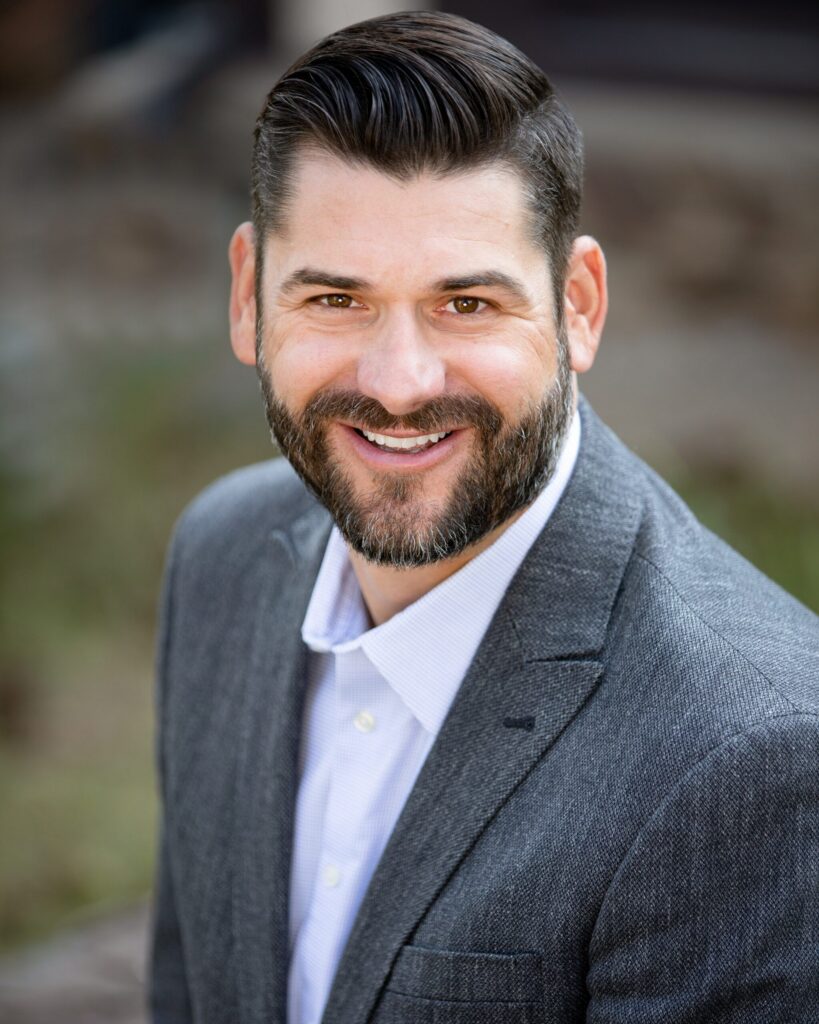
Colorado’s No. 1 education ranking should raise our ambition | GUEST COLUMN
Colorado Politics
colorado-politics@coloradopolitics.com
Updated 2 hours ago
By Scott Laband Colorado has earned the right to celebrate its new No. 1 ranking in education from U.S. News & World Report. Gov. Jared Polis called it “one of the proudest moments” of his time in office and shared the...

Group submits signatures for proposed Colorado graduated income tax
Marianne Goodland
marianne.goodland@coloradopolitics.com
Updated 8 hours ago
The measure, which eliminates Colorado’s flat tax, is expected to raise $2 billion in new revenue The proposal to amend the Colorado constitution to change the state’s flat rate into a graduated income tax came in under the wire Monday,...

Democratic group maps out path to Colorado House and Senate supermajorities
Marissa Ventrelli
marissa.ventrelli@coloradopolitics.com
Updated 9 hours ago
A national organization that works to elect Democrats to state legislatures has its sights on Colorado, unveiling a road map to establish a supermajority in both the House and Senate. Democrats have held a majority in the House since 2013...

Courageous Colorado bucks Trump’s federal stupidity | Miller Hudson
Miller Hudson
miller-hudson@coloradopolitics.com
Updated 13 hours ago
There are several theories regarding the rhythm of American politics. The most frequently cited is the pendulum hypothesis — positing that episodes of liberal dominance are then interrupted by spans of conservative control. Since Ronald Reagan’s presidential election in 1980,...

A historic moment during another major drought | Rachel Gabel
Rachel Gabel
rachel-gabel@coloradopolitics.com
Updated 3 days ago
Gustav Sumnick emigrated from Germany, traveled to Oklahoma and decided rather than be a Sooner, he wanted to be a farmer. He moved north to Nebraska and married an Irish immigrant farmer’s daughter. They farmed near Fremont, Nebraska, where the...

Colorado can’t forget the lessons of COVID | Jon Caldara
Jon Caldara
jon-caldara@coloradopolitics.com
Updated 16 hours ago
We are finally getting a clearer picture of what happened during COVID. Not because the people who locked us up, masked our faces and forced unproven chemicals into our bodies have suddenly become transparent, but because Anthony Fauci’s COVID-era diary...
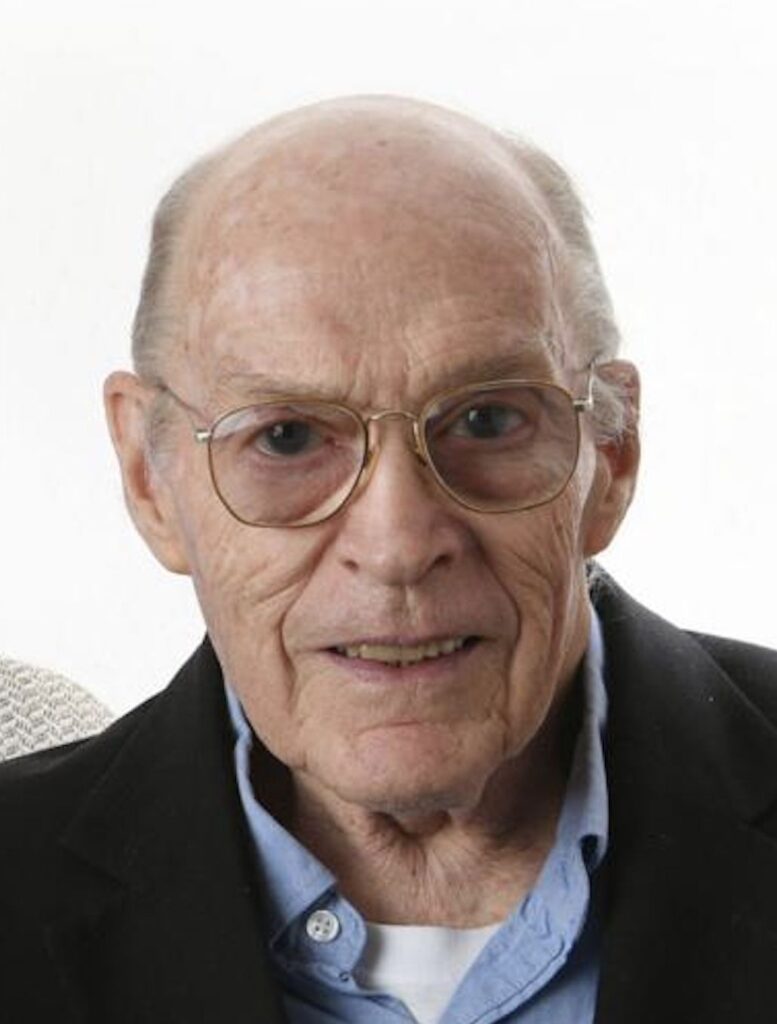
Historic preservation supporters organize to oppose Trump changes | Bob Loevy
Tom Cronin
tom-cronin@coloradopolitics.com
Updated 3 days ago
Historic preservation organizations in Colorado Springs, the remainder of Colorado and across the nation are organizing to resist a recent effort to relax and weaken historic preservation laws in the United States. In Washington, D.C., the Advisory Council on Historic...

At conservative summit, Colorado Republican leaders concede Democrats’ election edge
Marissa Ventrelli
marissa.ventrelli@coloradopolitics.com
Updated 3 days ago
Four Republican state lawmakers told attendees at a gathering of conservative leaders on Friday they doubt their party can win statewide races, noting that Colorado’s electorate has been shifting toward Democrats but adding they see an opening in several pockets....
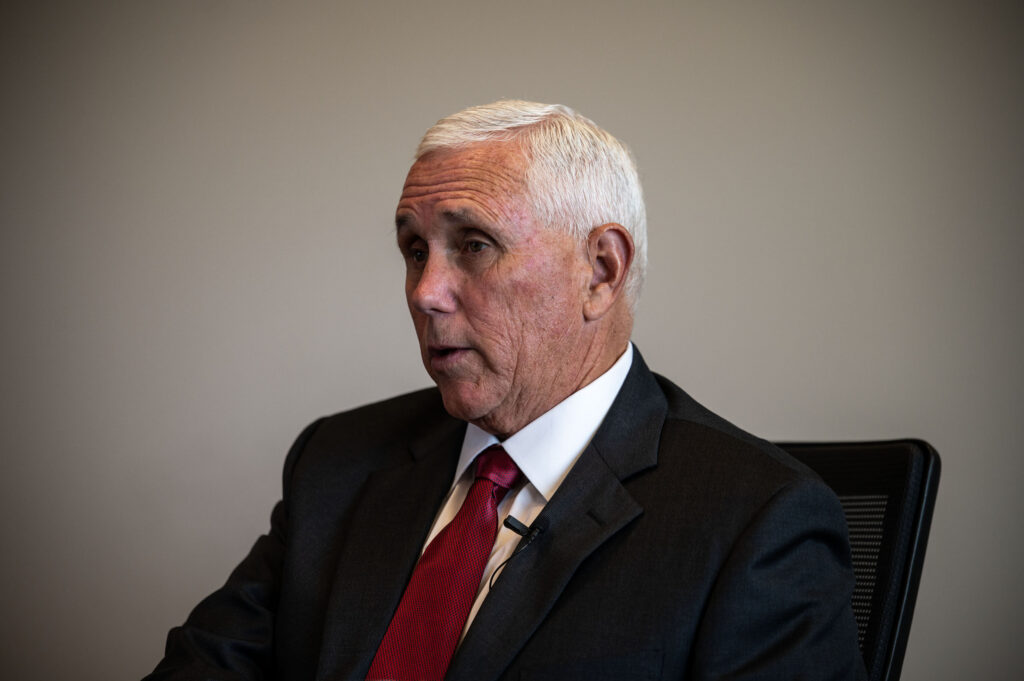
Q&A with Mike Pence | Former vice president says GOP’s populist turn from conservatism isn’t permanent
Ernest Luning
ernest.luning@coloradopolitics.com
Updated 3 days ago
Former Vice President Mike Pence says he’s concerned that the Republican Party has taken a populist turn away from bedrock conservative principles during President Donald Trump’s second term, but he believes the party will return to its roots when Trump...
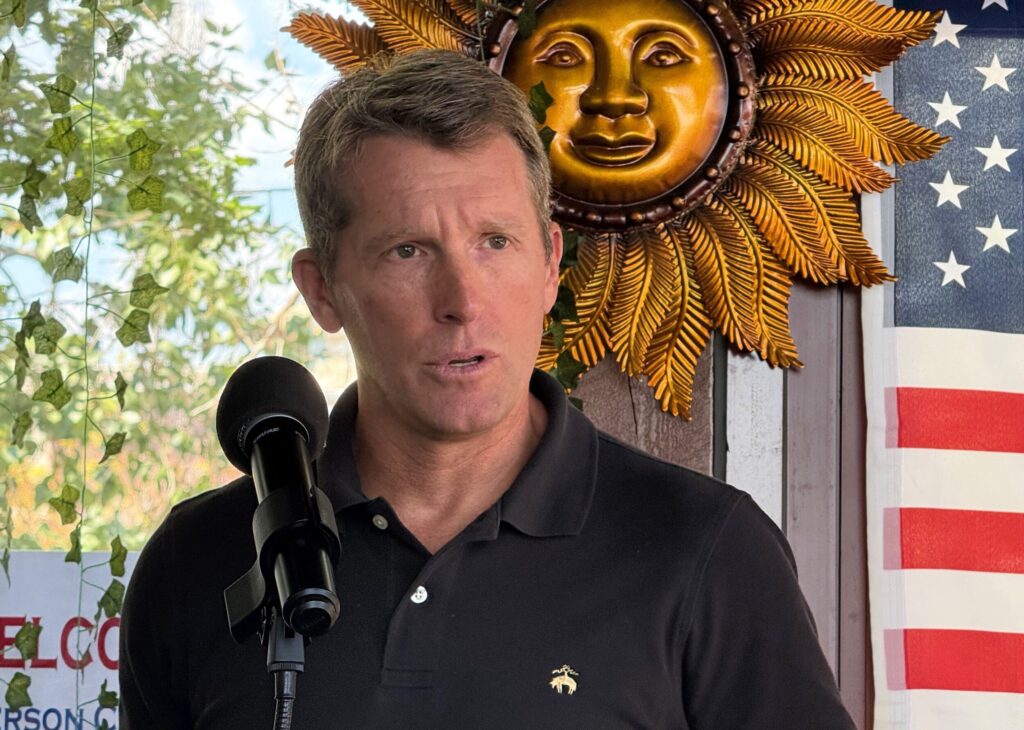
Republican Victor Marx taps George Markert as his lieutenant governor pick in Colorado’s gubernatorial race
Ernest Luning
ernest.luning@coloradopolitics.com
Updated 3 days ago
Colorado Republican gubernatorial nominee Victor Marx named George Markert, a retired Marine colonel, as his running mate for lieutenant governor Friday morning, saying the former U.S. Senate candidate will bring “exceptional character, proven leadership and a lifetime of serving others”...
PREV
PREVIOUS

Group submits signatures for proposed Colorado graduated income tax
The measure, which eliminates Colorado’s flat tax, is expected to raise $2 billion in new revenue The proposal to amend the Colorado constitution to change the state’s flat rate into a graduated income tax came in under the wire Monday, the deadline for groups to turn in petition signatures for November’s ballot, setting up a […]

Colorado’s No. 1 education ranking should raise our ambition | GUEST COLUMN
By Scott Laband Colorado has earned the right to celebrate its new No. 1 ranking in education from U.S. News & World Report. Gov. Jared Polis called it “one of the proudest moments” of his time in office and shared the credit with education leaders, teachers, parents, communities and students. He is right to recognize the […]