

Decker Warns Democrats Hold Outsized Power in 18–17 Senate Split | A LOOK BACK
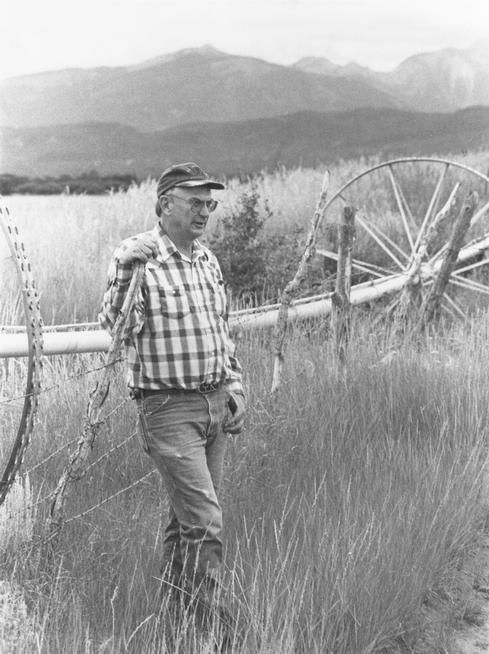
Twenty-Five Years Ago This Week: “The Colorado state Senate and the U.S. Senate are quite similar at this point,” wrote state Rep. Richard Decker, R-Fountain. “The 18-17 divide in Colorado doesn’t look significant numerically, but it grants Democrats a huge say in what happens with legislation.”
Decker said that if the prospect were reversed, and Republicans were in control, “we might even have responsible, effective growth legislation accomplished today.”
In a report to his constituents in House District 19, Decker also postulated that newly appointed state Sen. Jim Isgar, D-Durango, was rumored to have been opposed to the Democratic Party’s version of “no holds barred” growth control mandates.
“The governor suggested that’s why it never came up for a vote — Isgar would have voted with Republicans,” Decker wrote. “He is a rural, moderate Democrat who probably won’t agree much with the urban, liberal Senate leadership.”
Isgar spoke with The Colorado Statesman and said the issue was much more complex than Decker would have people believe.
“I wanted the growth bill to resolve some of the rural issues,” Isgar said, “and with the amendments we had drafted, I could have voted for it.”
But the final growth bill didn’t move over to the House, Isgar said, because there were a host of other unresolved issues, not just those affecting rural areas, adding that he understood he was seen as more conservative than the urban legislators and that occasionally people thought he sounded a bit Republican.
“I’m a Democrat because of more than just rural issues,” Isgar said when putting to rest the rumor that he might switch parties. “It’s because of healthcare issues and women’s issues, too.”
Senate President Stan Matsunaka, D-Loveland, wasn’t taking Isgar for granted. He’d appointed the first-term legislator to the chair of the Senate Agriculture and Natural Resources Committee.
Matsunaka called Isgur’s chairmanship “natural” and said, “There isn’t a more qualified and experienced senator on rural and agricultural issues.”

Twenty Years Ago: “This business changes every day,” said Gov. Bill Ritter at his campaign headquarters on Bannock Street. “It’s a lot of fun.”
Ritter had reasons to celebrate. After months of waiting for a potential primary challenger, Ritter could relax knowing he’d be the only Democrat in the gubernatorial race. And that left Ritter with a sizable war chest headed into the general election.
In the first quarter of 2006, Ritter had raised $156,000 while his two Republican opponents, U.S. Rep. Bob Beauprez and former Denver University President Marc Holtzman, had raised just $73,000 and $61,000, respectively.
Ritter was also pleased that the infighting between the two Republican candidates had already started and would, in the long term, only benefit him.
“Beauprez and Holtzman are going to drag each other down,” Ritter said. “They’re not doing much to elevate the public’s trust in the process. It’s sad.”
But Ritter wasn’t resting on his laurels; he was campaigning as hard as he could and running to win. The evening before, he’d attended three events in less than three hours.
According to his campaign manager and longtime political consultant, Greg Kolomitz, many of the 17 campaign staffers and unpaid volunteers were putting in 12-hour days regularly.
“I always assumed that we were going to have some kind of a primary,” Kolomitz said.
The independently wealthy Rutt Bridges, head of Colorado’s Bighorn Center, had entered the gubernatorial race early but dropped out after only a few months. Senate President John Fitz-Gerald, D-Coal Creek Canyon, and House Speaker Andrew Romanoff, D-Denver, had both considered running.
“For a while there was the possibility that Denver Mayor John Hickenlooper would run,” said Evan Dreyer, Ritter’s campaign communications director. “When he did announce his decision not to run there was a good amount of high-fiving. The general consensus at the time was that if Hickenlooper had joined he would have been a clear favorite to win the entire election.”
Rachael Wright is the author of several novels, including The Twins of Strathnaver, with degrees in Political Science and History from Colorado Mesa University, and is a contributing columnist to Colorado Politics, the Colorado Springs Gazette, and the Denver Gazette.

Grand Canyon flooding threatens economy that’s still recovering from a fire | OUT WEST ROUNDUP
Ernest Luning
ernest.luning@coloradopolitics.com
Updated 3 days ago
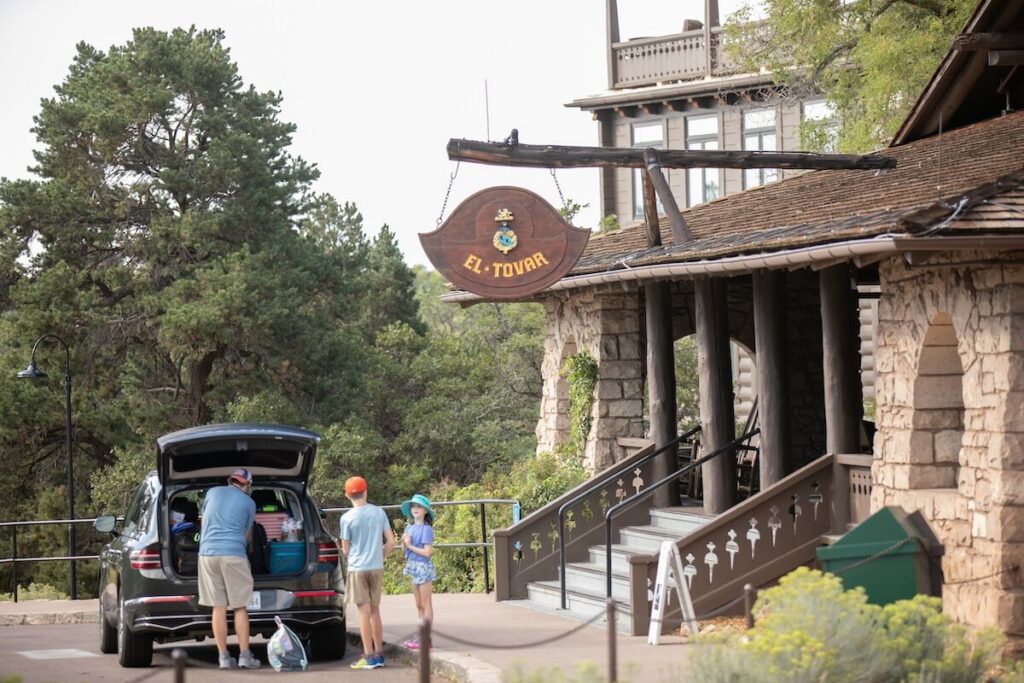
ARIZONA Flooding slams park’s economy Deadly flooding at the Grand Canyon is damaging the area’s economy, with a washed-out pipeline severing the South Rim’s water supply and shutting down lodging at the popular tourist vista for an indefinite period. The...

Immigration reporting measure fuels debate over Colorado’s role with ICE
Marissa Ventrelli
marissa.ventrelli@coloradopolitics.com
Updated 5 hours ago
A coalition of advocacy groups and several district attorneys rallied outside the Colorado Capitol on Thursday to oppose a ballot measure that, if approved by voters in November, would require state and local law enforcement to cooperate with federal immigration...

Colorado Politics Calendar Sept. 14-20
Rachael Wright, Special to Colorado Politics
rachael.wright@coloradopolitics.com
Updated 4 days ago
CoPo’s weekly political calendar will help you find political and public-policy events throughout Colorado. It includes candidate and issue campaign events, public policy meetings, court hearings, state and local party conventions, assemblies, debates, rallies, parades, speaking engagements, traveling dignitary appearances,...
The African roots of three Colorado leaders | SONDERMANN
Eric Sondermann
eric-sondermann@coloradopolitics.com
Updated 3 days ago
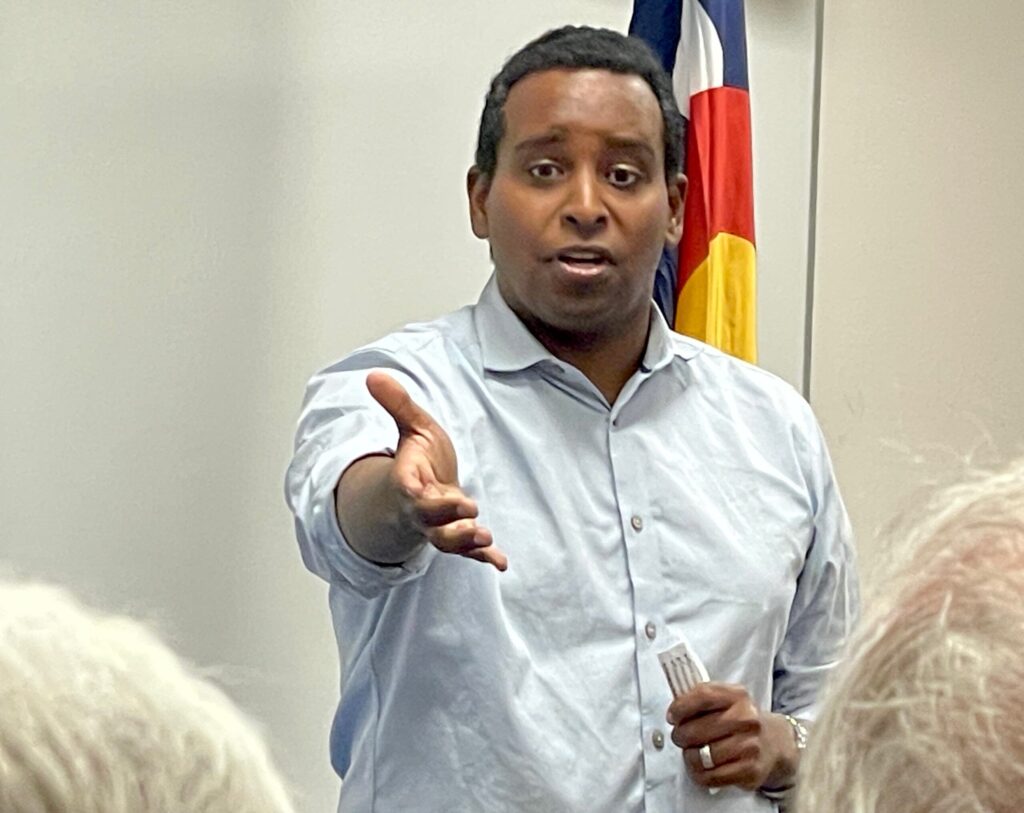
Colorado’s political transformation is measured in many ways. A once reliably red state (with asterisks) became purple and is now a rather deep blue. For better or worse, probably the latter, power is ever more consolidated along the Front Range...
Federal judge green-lights civil trial against ex-Fort Collins DUI officer
Michael Karlik
michael.karlik@coloradopolitics.com
Updated 2 days ago
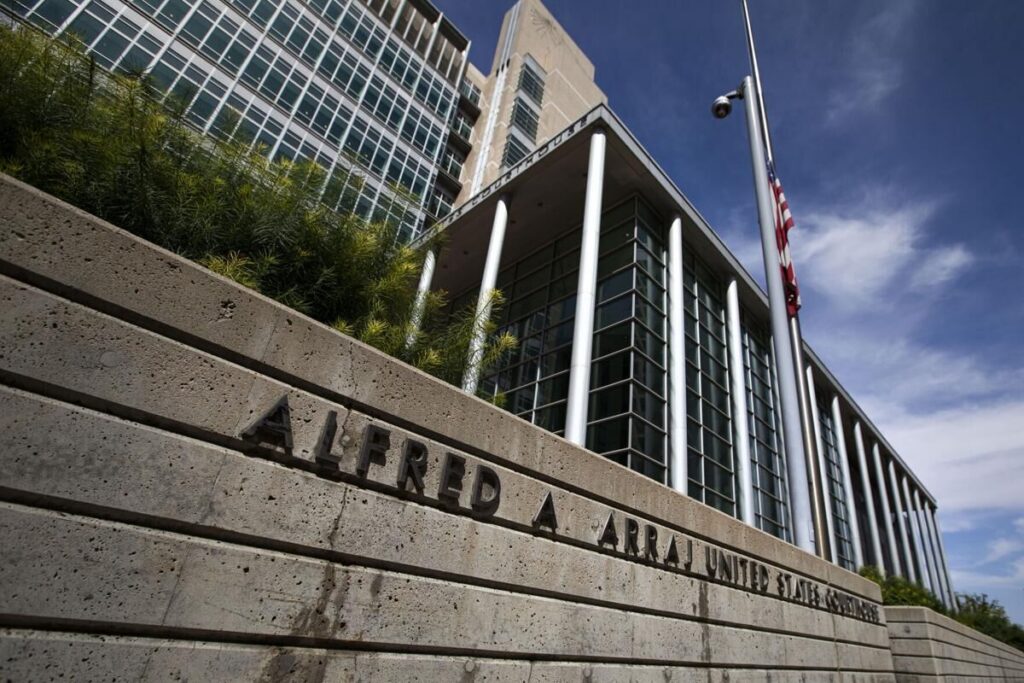
A federal judge ruled on Thursday that Fort Collins’ former “DUI officer” will face a civil trial for allegedly investigating a motorist for impaired driving without any reasonable suspicion to do so. In recent years, several people arrested by Officer...

Denver police reopen 13 sex assault cases after retesting Missy Woods’ CBI work
Jenny Deam
jenny.deam@gazette.com
Updated 4 hours ago
Thirteen previously closed Denver sexual assault cases have been reopened after the city’s crime lab retested DNA evidence once analyzed by former Colorado Bureau of Investigation forensic analyst Yvonne Woods. A police spokesperson told The Denver Gazette the once-closed cases...

Ballot measure aims to shift Colorado sporting goods tax revenue to land, water and wildfire projects
Marissa Ventrelli
marissa.ventrelli@coloradopolitics.com
Updated 20 hours ago
Colorado voters this November will decide whether to direct a share of sales tax revenue from sporting goods — including bicycles and skiing equipment — toward land and water conservation, wildfire prevention and expanding outdoor recreation. Supporters say the measure...

Colorado Supreme Court suspends Mesa County judge pending misconduct investigation
Michael Karlik
michael.karlik@coloradopolitics.com
Updated 23 hours ago
The Colorado Supreme Court suspended Mesa County Court Judge Michael J. Grattan on Thursday amid a misconduct investigation. The court’s Sept. 10 order gave Grattan 21 days to explain why his paid suspension should not continue through the end of...

Trump honors the fallen of the 9/11 terrorist attacks during Pentagon speech
Mabinty Quarshie
mabinty-quarshie@coloradopolitics.com
Updated 2 days ago
President Donald Trump and first lady Melania Trump honored the roughly 3,000 Americans killed during the Sept. 11, 2001, terrorist attacks during a ceremony at the Pentagon. The event marking the 25th anniversary of the deadliest attack on American soil...
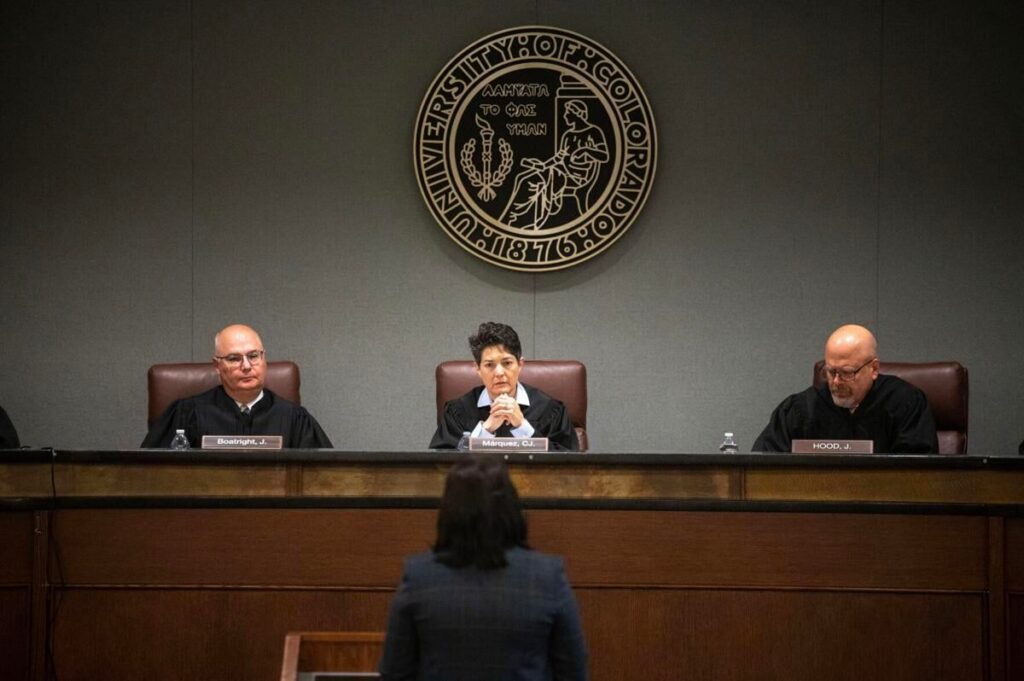
Colorado Supreme Court changes course, dismisses case about special district bonds
Michael Karlik
michael.karlik@coloradopolitics.com
Updated 23 hours ago
The Colorado Supreme Court declined on Friday to decide a dispute between a large-scale Commerce City development and the various districts financing it, after initially showing interest in the ongoing case. Colorado has roughly 2,800 special districts, which are local...
PREV
PREVIOUS

6 incumbents face challengers in primary in state races
With Colorado’s primary election just weeks away, voters will see plenty of new names on their ballots when they’re sent out next week. There will be some old names, too, as several incumbents are running opposed. Six lawmakers — one senator and five representatives — face challenges in their respective party’s primary. Senate District 9 […]

The “launchpad generation” and the three A’s | SONDERMANN
Wisdom often arrives when you least expect it. This tidbit came from an ordinary lunch, part personal catch-up, part chat about the sad state of our politics and education policy. My lunch partner was a senior executive at CareerWise, the Denver-based national organization that provides apprenticeship programs for those in what they call the “launchpad […]