

Colorado governor signs into law proposal to close gaps in court competency system
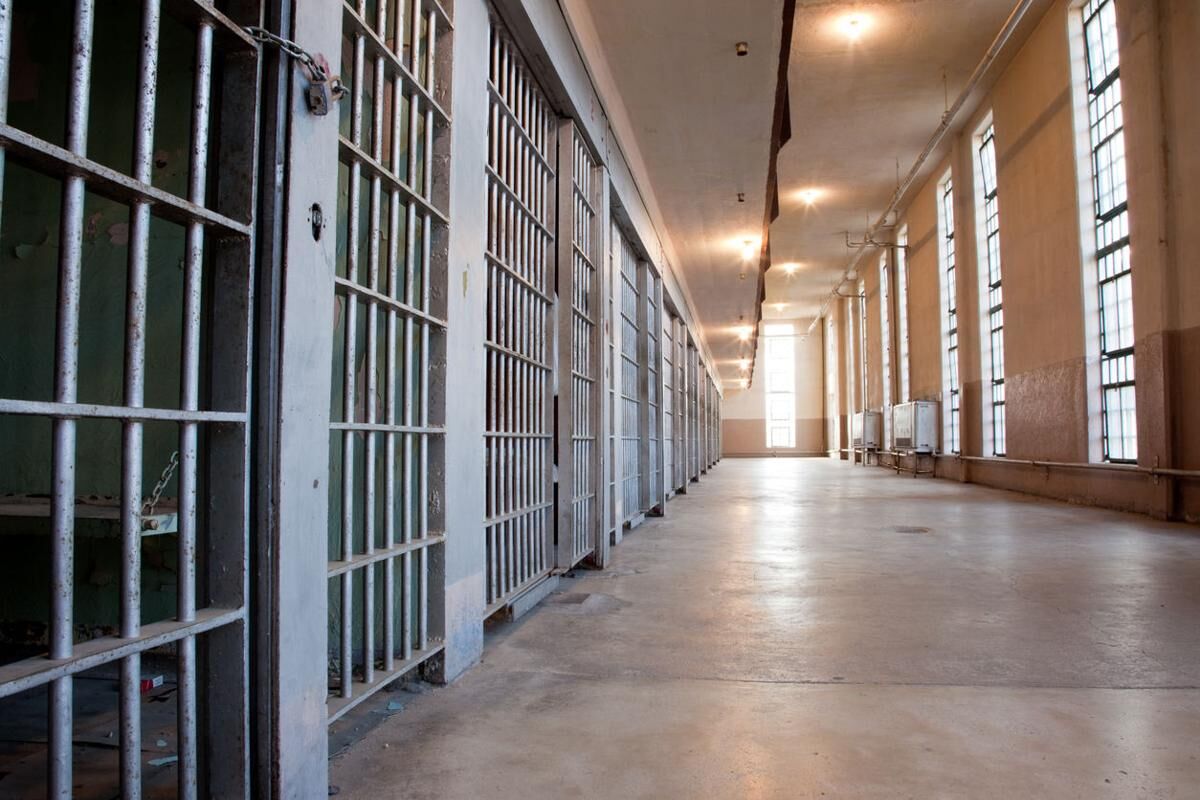
Gov. Jared Polis has signed a bill that supporters say would close gaps in Colorado’s criminal justice system for people whose charges are dismissed after they are found incompetent to stand trial.
“This is a major step forward to keep Coloradans and our communities safe,” said Polis. “It is not right for someone who is a serious danger to themselves or others to be released into the community without resources or proper care.”
“This law updates Colorado’s competency process, provides important funding for bed capacity, invests in services, and protects public safety. Keeping the status quo was not an option,” the governor added.
Sponsors introduced Senate Bill 149 in response to worries about how the state handles people who are found incompetent to stand trial.
Sen. Judy Amabile, D-Boulder, said many people are released after their charges are dropped, only to find themselves without anywhere to go.
While some individuals are sent to the state mental hospital in Pueblo, others — especially those found incompetent for reasons unrelated to mental illness, such as traumatic brain injuries or dementia — are released back onto the streets without support or treatment. Many end up reoffending.
Under Senate Bill 149, district and county attorneys can petition for civil commitments or enhanced protective placements for defendants with mental or developmental disabilities who have committed violent or sexual offenses and are considered a danger to themselves or others.
Courts are also required to suspend the order dismissing that defendant’s case, set a trial date, and mandate the state’s Department of Human Services to find an appropriate placement for the defendant.
The bill includes provisions on review hearings, terminations of civil commitments or enhanced protective placements, and defendants’ rights to modifications to their placement plans.
“Colorado has not done well in this space for a long time,” said sponsor Senate Minority Leader Cleave Simpson, R-Alamosa. “The challenge is, how do you develop this concept for moving from the criminal justice system to the civil justice system? You create resources, bed space, and treatment programs, and fit within the constraints of a budget.”
Senate Bill 149 passed unanimously in both the House and the Senate.
Lawmakers, the governor and several organization pushed for changes after a series of high-profile crimes throughout the state last spring and summer exposed the gaps in Colorado’s legal system for individuals declared incompetent to stand trial.
Extensive media coverage of cases such as Solomon Galligan’s — a convicted sex offender arrested last year for attempting to kidnap children at an Aurora playground — left many alarmed about how the state handles defendants with serious mental health issues.
Those concerns were amplified by the case of Ephraim Debisa, who was charged with attacking a group of people in downtown Greeley in May and, like Galligan, was found incompetent to stand trial and unlikely to be restored, raising questions about allowing them to go back to the streets, where some have reoffended, and the lack of placement options.
After his release, Debisa, 21, was arrested for allegedly bringing a gun to the University of Northern Colorado campus in Greeley. He was not a student, and according to campus police, he was banned from the campus.
In his state address to the legislature last January, Polis described the situation as “urgent.”
“To truly keep Colorado safe, we must urgently address gaps in our system related to those who cannot stand trial but are charged with a crime, and ensure that individuals who pose a danger to themselves or others are not just released onto the streets,” he said.


Rural hospitals don’t want special treatment, just a chance to care for locals | PODIUM
Colorado Politics
colorado-politics@coloradopolitics.com
Updated 11 hours ago
By Kevin Stansbury As chief executive of Lincoln Health, my responsibility is simple: ensure the people of eastern Colorado have access to high-quality healthcare close to home when they need it most. That mission has never been easy. Rural hospitals...
Colorado lawmaker, House leaders named in workplace-retaliation lawsuit
Marianne Goodland
marianne.goodland@coloradopolitics.com
Updated 14 hours ago
A former legislative aide has filed a lawsuit alleging she was mistreated, illegally directed to perform campaign work and harmed by a House leadership structure she charged was fragmented, politicized and ineffective at protecting employees. The lawsuit, filed by Jennifer...
Blue states should avoid disasters | Hal Bidlack
Hal Bidlack
hal-bidlack@coloradopolitics.com
Updated 18 hours ago
Back when I was teaching political science at the U.S. Air Force Academy (and amazingly to me, a week from this column’s publication will mark 20 years since my retirement from active duty. Where the heck did that time go?)...

Right-to-hunt ballot measure’s a cruel, anti-wildlife solution to a nonexistent problem | GUEST COLUMN
Colorado Politics
colorado-politics@coloradopolitics.com
Updated 1 day ago
By Eric Washburn I love to hunt. Every year I try to hunt big game in Colorado and waterfowl in Louisiana. This year, I applied for five Colorado big game licenses — elk, deer, pronghorn, moose and bighorn sheep. I...

Jena Griswold’s record: corruption, incompetence | Dick Wadhams
Dick Wadhams
dick-wadhams@coloradopolitics.com
Updated 4 days ago
There is no statewide elected official going back decades who is as breathtakingly corrupt and incompetent as Secretary of State Jena Griswold, who is now running for attorney general of all things. And compliant ruling Democrats know it. Their silence...
Kiros exudes why Colorado’s political times are a-changin’ at annual Denver Dems gala | Miller Hudson
Miller Hudson
miller-hudson@coloradopolitics.com
Updated 4 days ago
Among Colorado’s few remaining bipartisan rituals are county and state party dinners. I was particularly intrigued by last week’s Denver Democratic Party’s 2026 Annual Gala, a “New Deal for a New Era.” Their glossy program featured an artist’s Technicolor rendering...
Livestock grazing regulations need flexible updates | Rachel Gabel
Rachel Gabel
rachel-gabel@coloradopolitics.com
Updated 4 days ago
The Bureau of Land Management last updated their livestock grazing regulations the year I graduated from high school. I am 49. Assessing rangeland health can’t be done once and not revisited. This year is a prime example that managers must...

Taxpayers donate to tax increase campaign | Jon Caldara
Jon Caldara
jon-caldara@coloradopolitics.com
Updated 5 days ago
Give the man his due. President Donald Trump has undeniable talents. Colorado politicians are learning. Chief among The Don’s skills is taking the self-serving, ethically dubious behavior of previous politicians and putting it on steroids. Or, to borrow from the...
Democratic candidate in Colorado’s 4th CD urges long-term water planning
Marianne Goodland
marianne.goodland@coloradopolitics.com
Updated 3 days ago
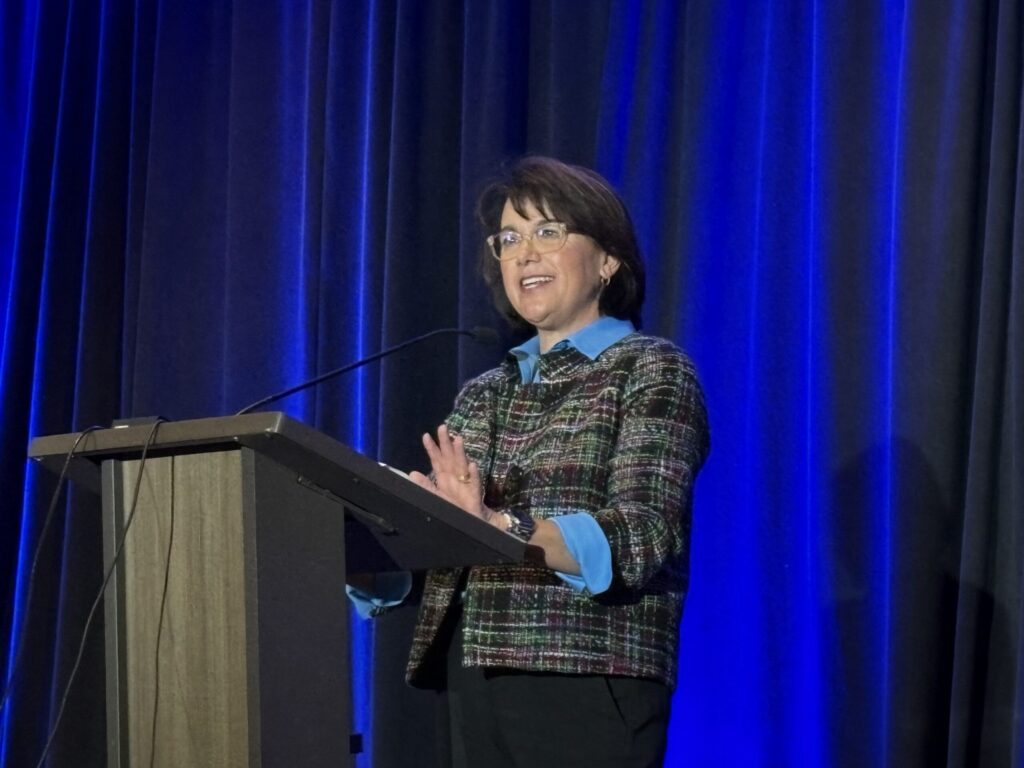
The Democrat hoping to become the next representative of Colorado’s 4th Congressional District on Thursday made her case on the final day of Colorado Water Congress in Steamboat Springs. Eileen Laubacher, who spent 34 years in the U.S. Navy and...
Proposal to cap Colorado income tax rate qualifies for November ballot
Thelma Grimes
thelma.grimes@coloradopolitics.com
Updated 3 days ago
Election officials on Thursday confirmed that the proposal to cap the state’s income tax at the current rate submitted signatures and voters will consequently decide its fate this November. The fight over tax rates is part of the tug and...
PREV
PREVIOUS

Colorado Supreme Court to evaluate test for alimony after remarriage
The Colorado Supreme Court announced on Monday that it will evaluate whether divorcing spouses must explicitly agree that alimony payments from one partner to the other will continue after one person remarries, or whether a “clear implication” will suffice. The purpose of alimony, known in Colorado as “spousal maintenance,” is to assist spouses who cannot be financially […]

Attorney general candidate Doshi puts ‘Hetal to the metal’ in Colorado Democrat’s 1st TV ad
Democratic attorney general candidate Hetal Doshi makes clear how to pronounce her first name in the former federal prosecutor’s first TV and digital ad, which launched statewide on Friday, just over two weeks before ballots start going out to Colorado primary voters. “Colorado, it’s time to put the Hetal to the metal,” the ad’s narrator […]