

Colorado legislators reject ‘No Kings’ bill allowing residents to sue federal officers
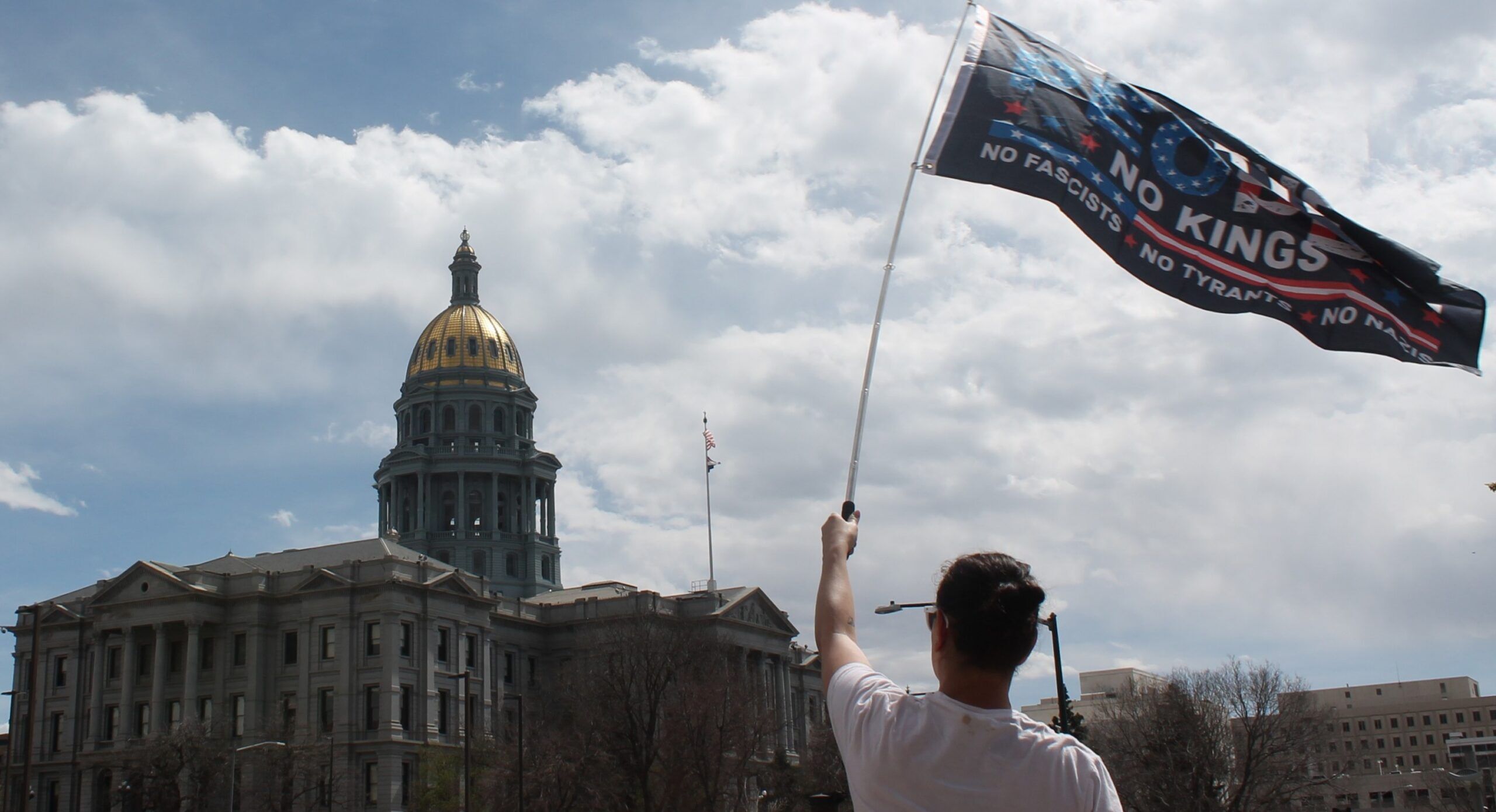
A panel of Colorado legislators on Tuesday rejected legislation that would have allowed residents to sue federal and local officials in state court for alleged constitutional violations.
Senate Bill 176 would have allowed individuals who have been subjected to a “deprivation of any rights, privileges, or immunities” afforded in the U.S. Constitution to sue for civil damages within two years of the alleged violation.
The bill — sponsored by Sens. Mike Weissman, D-Aurora, and Julie Gonzales, D-Denver — included exceptions for federal officials with absolute or qualified immunity. Both forms of immunity come with exceptions.
The measure, dubbed the “No Kings Act” by supporters, piggybacked off another measure sponsored by Weissman and Gonzales — Senate Bill 005, which would allow individuals to sue a federal immigration agent for violating their constitutional rights. That bill passed the Senate on a 20-11 vote and is scheduled for debate on the House Floor on Wednesday.
Gonzales and Weissman told the committee on Monday that SB 176 arose out of concerns that federal government overreach has gone beyond immigration enforcement.
Opponents, meanwhile, expressed worries that the legislation would lead to unintended consequences, potentially exposing a host of public servants, including child welfare case workers, to legal liabilities.
“You may wonder, why do we even need such a law? Why are other states grappling with such all over the country?” Weissman said. “Believe it or not, there is no comprehensive federal law remedy when residents of this country and the state of Colorado have their constitutional rights violated by a federal official.”
Several other states, including Illinois, Vermont, and recently Connecticut, have passed similar laws, said Gonzales.
The legislation is among the latest in a string of proposals from Democrats, who have positioned Colorado’s state government and jurisdictions they dominate in a more confrontational stance against the federal government particularly when it comes to illegal immigration. Notably, Colorado has long adopted “sanctuary” policies, which refer to laws or ordinances that limit or prohibit cooperation with federal immigration authorities.
The Trump administration and Colorado officials have clashed in other areas, as well.
An ‘extraordinarily broad avenue’ for litigation
Emily Tofte Nestaval of the Rocky Mountain Victim Law Center said her organization agrees with the bill’s intent but argued it could have unintended consequences for local and state government officials.
Weissman had noted that the 10th Amendment includes a provision known as intergovernmental immunity, which prohibits state and federal governments from passing laws that only regulate each other. As a result, the bill must impose regulations on all levels of government, though the sponsors’ primary intent is to allow for lawsuits against federal actors.
It is this technicality, Tofte Nestaval argued, that makes the bill so problematic.
Senate Bill 176 creates an “extraordinarily broad avenue” for litigation against government employees — everything from law enforcement officers to judges to certain educators and health care workers — for making everyday decisions on the job, Tofte Nestaval said.
While the bill allows for qualified immunity to be established if applicable, it is uncertain whether a judge would grant that immunity, and even if they do, getting to that point would cost a significant amount of time and taxpayer dollars, she added.
Tofte Nestaval expressed particular worry over frivolous lawsuits filed against crime victims by perpetrators as a form of revenge.
“Over the last several years, we’ve seen a growing trend of offenders using civil litigation as a tool of retaliation against victims simply for reporting crimes or participating in legal proceedings,” she said. “These lawsuits are not about winning in court. They’re about intimidation, fear, financial pressure, and maintaining power and control over victims. (SB) 176 risks expanding that dynamic into governmental systems that victims rely upon for protection.”
Representing Colorado’s 64 counties, former state senator and current Jefferson County Commissioner Rachel Zenzinger called the bill overly broad with “serious unintended consequences.”
The measure would create “sweeping personal exposure for public servants, including child welfare case workers, public health board members, and county commissioners, that would expose them to legal risk just for doing their jobs.
Additionally, Zenzinger said, the bill would impose significant financial burdens on local governments from increased insurance costs and additional court hearings.
“This policy is not ready,” she said. “We share the concerns about immigration and election accountability. Those are real issues that deserve targeted, effective solutions, but this bill casts far too wide a net and will create consequences well beyond its intended scope.”
A ‘duty to enforce the Constitution‘
The Trump administration has targeted “marginalized” groups in recent years, from the LGBT community to immigrants to people taking part in protests, said Ariane Frosh of the ACLU of Colorado.
She said that’s because no legal mechanism exists to allow a lawsuit against individual federal officials, even if they violate the U.S. Constitution in the course of their duties.
While Coloradans may sue state and local officials liable for alleged constitutional violations under a federal statute known as Section 1983, they lack the same ability to do so against federal officials, she said.
Senate Bill 176 closes that gap, Frosh argued, even as she insisted that it would establish no new liability against local and state officials.
“The state has a duty to enforce the Constitution, especially when the federal government fails to do so,” she said. “No one is above the Constitution, not even federal officers. Today, I urge you to stand up against the federal government’s tyrannical violations and for the constitutional rights of your constituents.”
Travis Bruner of Project Democracy United read a letter addressed to the committee from a coalition of more than 160 former U.S. Department of Justice Attorneys in support of the bill.
Senate Bill 176 appeared to be on “strong legal footing,” in the attorneys’ view, adding that a 1988 law known as the Westfall Act allows individuals to sue federal employees for violating the constitution.
State and local officials are sued under Section 1983 every day in both state and federal court, the attorneys said, so the impact to local and state bodies would remain unchanged should the bill pass.
“Arguments that the bill would introduce unfamiliar and expansive liability for state and local officials are incompatible with the plain language of the legislation and settled principles of statutory interpretation,” the letter concluded.
Ultimately, the majority of the Senate Judiciary Committee sided with the opposition, citing worries over the bill’s feasibility.
“This is a noble goal,” said Sen. Dylan Roberts, D-Frisco, adding that he voted in support of SB 005 and hoped to see it become law. “But the testimony that we heard today in opposition to this bill is not something that I think we can simply push off or ignore.”
Roberts noted that the state’s top law enforcement official, Attorney General Phil Weiser, also opposed SB 176.
“If there’s anybody who is working hard to hold the Trump Administration accountable, we know that it’s Phil Weiser,” Roberts said. “But even he and his attorneys disagree that this is the right way to hold them accountable.”
The bill failed on a 4-3 vote, with two Republicans and two Democrats voting in opposition and three Democrats supporting it.


Annual survey documents emerging threat to Pikes Peak’s bighorn sheep
Savannah Eller
savannah-eller@coloradopolitics.com
Updated 4 days ago
After a brief pre-dawn gathering, over 40 volunteers and Colorado Parks and Wildlife staff split into teams Wednesday morning and headed off into the high alpine. They were on an annual mission to count and catalog the bighorn sheep population...
Sarah Parady steps down from Denver City Council, special election announced
Deborah Grigsby
deborah.smith@denvergazette.com
Updated 4 days ago
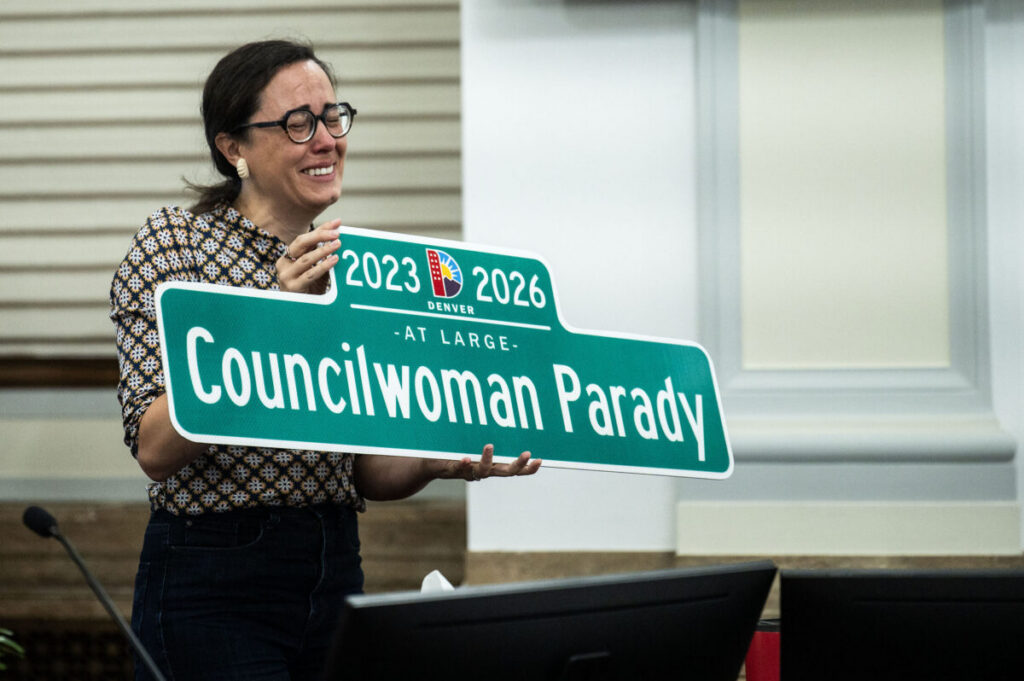
Denver City Councilmember Sarah Parady officially resigned Wednesday, citing an undisclosed illness. Her resignation prompted the Denver City Council to pass a resolution declaring the seat vacant and setting a special election for Nov. 3 to coincide with Colorado’s general...

Denver’s pay-for-performance shelter plan falls short on key metric
Deborah Grigsby
deborah.smith@denvergazette.com
Updated 4 days ago
Denver’s recent shift to a pay-for-performance contract model has improved day-to-day operations across the city’s seven noncongregate homeless shelters, but has struggled to deliver promising numbers on its most important metric: getting people out of shelters and into housing. However,...
Denver City Council keeps 2 a.m. nightlife cutoff, approves $18 million for George Floyd protest claims
Deborah Grigsby
deborah.smith@denvergazette.com
Updated 6 days ago
Nightlife establishments will not get a two-hour operating extension after the Denver City Council passed an amended version of a bill that keeps the current 2 a.m. closing time. As originally proposed, venues would have been able to keep music,...

Veo scooter clutter, sidewalk riders frustrate Denverites
Deborah Grigsby
deborah.smith@denvergazette.com
Updated 1 week ago
Denver resident Mike Miller was on a downtown sidewalk recently when a Veo scooter rider traveling at full speed passed him as the scooter blasted a “do not ride on sidewalks” warning. In a letter to Veo Policy and Partnerships...
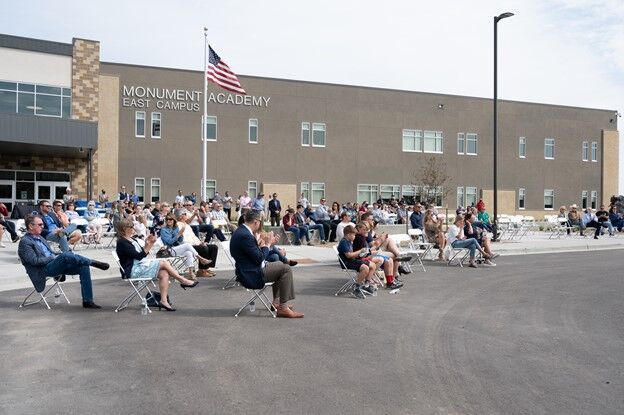
El Paso County rejects multi-family zoning request near Monument Academy
Savannah Eller
savannah-eller@coloradopolitics.com
Updated 2 weeks ago
The El Paso County Board of Commissioners narrowly rejected a developer’s bid to convert land from low- to high-density residential zoning. The request, made by MA Infrastructure, LLC, would have allowed 12 units per acre on half of a 14-acre...
Atop taxes, here’s how much each Colorado resident pays in fees
Marissa Ventrelli
marissa.ventrelli@coloradopolitics.com
Updated 7 days ago
Each Colorado resident paid nearly $5,000 in state-sanctioned fees last year, according to a report by a policy think tank. The report, which analyzed how fees have affected Colorado’s economy, found that fee revenue has more than tripled since 2008...
Hudson faces lawsuit over ICE detention facility
Nicole C. Brambila
nicole-c-brambila@coloradopolitics.com
Updated 2 weeks ago
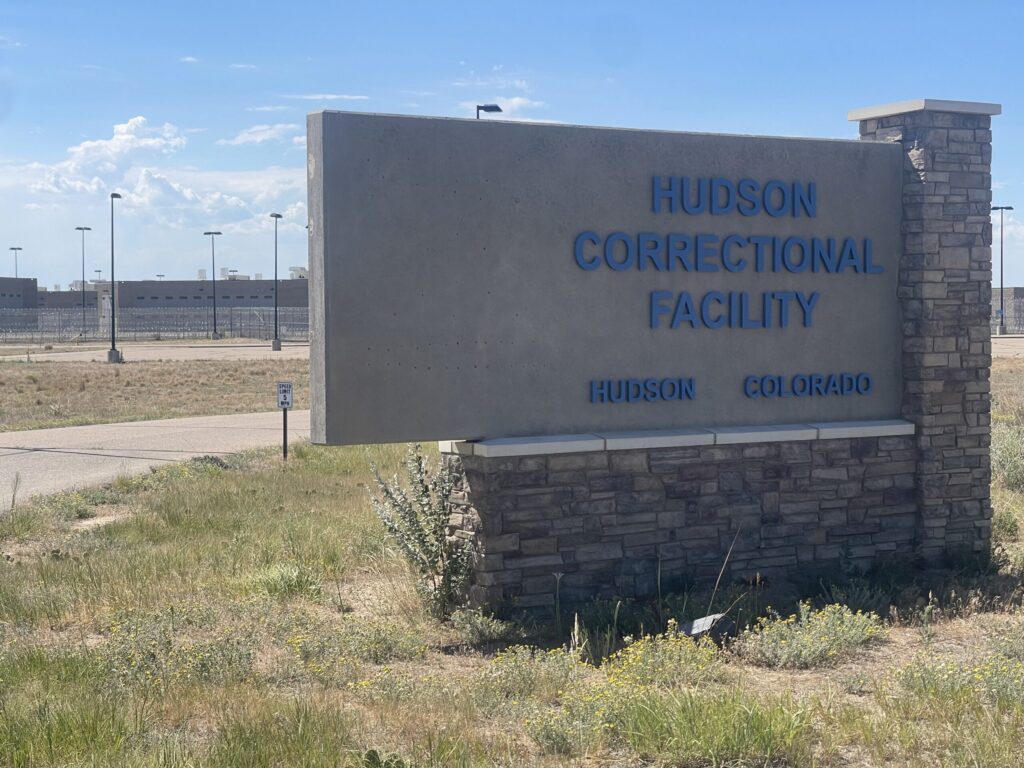
A nonprofit organization filed a lawsuit against the Town of Hudson Wednesday, challenging plans to reopen a former federal prison in the town as a U.S. Immigration and Customs Enforcement detention facility. Together Colorado, along with Janet E. Carlson, filed...

Colorado faces $8M repayment demand after federal Medicaid audit
Marianne Goodland
marianne_goodland@coloradopolitics.com
Updated 3 weeks ago
Colorado failed to follow federal and state requirements for certain Medicaid personal care service payments, according to a report from the U.S. Department of Health and Human Services inspector general, which is now seeking an $8 million repayment from the...

Denver mayor promises universal childcare, housing expansion in city address
Deborah Grigsby
deborah.smith@denvergazette.com
Updated 3 weeks ago
Nearly a year after Denver cut city jobs to close a $250 million budget gap, Mayor Mike Johnston used his third State of the City address to promise universal childcare and 20,000 homes as part of a new redevelopment vision...
PREV
PREVIOUS
Boulder County prosecutor improperly used defendant's silence as guilt, appeals court finds
Colorado’s second-highest court reversed a Boulder County defendant’s sexual assault conviction last week after concluding that a trial judge should have intervened to stop the prosecutor from inappropriately using the man’s constitutional right to silence to suggest he was guilty. Prosecutors charged Charles G. Higdon III with two counts of sexual assault. Jurors acquitted him […]

Divided appeals court finds no prosecutorial misconduct in prison assault case
Colorado’s second-highest court concluded last week that a Lincoln County prosecutor did not misstate the law to a degree that undermined a jury’s assault verdict against the defendant. During closing arguments in Phillip Archuleta’s 2023 trial, the prosecutor suggested to jurors that Archuleta did not have to make contact with a corrections officer during a […]