

The grift at the core of Colorado ed department’s ‘innovation programs’ | Paula Noonan
Colorado’s K-12 school finance, transparency and accountability systems have urgent, connected problems with a slow-motion state response. Money is spilling out of school finance funds to home-schooled and private-school students. This multi-million-dollar flood of funds to cooked-up micro schools, home-school “campuses,” and ersatz “enrichment” programs reveals the grift at the heart of Colorado Department of Education’s so-called innovation programs.
To follow the trail, a Colorado taxpayer has to go back to the 1990s. At that time, public schools were considered old-hat failures in need of drastic reform. Charter schools, given latitude to avoid state regulations, were the cure. These schools would innovate, sharing their new ways with traditional school systems to transform public education.
Fast forward to today. School “choice,” a corollary of the charter school movement, has led to an out-of-control mish mash of “authorized” enrichment programs that receive taxpayer dollars without transparency or accountability.
This mess is late in its revelation. A staffer at the legislature’s Joint Budget Committee (JBC) caught on to big problems identified by CDE’s four-person audit group. The audit findings related to distribution of taxpayer dollars to programs for home-schooled and private-school students.
The state Board of Education (SBE) some years ago ruled “enrichment programs” for out-of-public-school students would receive at minimum half-time funding even if students were earning only one-quarter-time course credits. The consequence is entities providing these education services are paid at half-time rates for quarter-time work.
Education Re-envisioned BOCES, an education provider authorized by Falcon and Elizabeth school districts, is the principal funnel through which these millions of dollars flow. ER-BOCES locates and encourages programs for this niche of non-public students. Its enrollments have grown to the thousands with the dollars following the students adding up to millions.
CDE’s auditors identified the money flow. This information eventually made it to the SBE in January, but no action was taken. At the same time, the legislature’s JBC was looking to find stray money to balance the state’s budget. Imagine the steam coming out of ears when they learned of the non-public-student funding grift. The JBC wants action, but that will apparently have to wait because the SBE’s meeting schedule doesn’t have time for funding rule changes for next school year.
On April 8, 9 and 10, the SBE met to take up these problems. In addition to CDE’s audit findings, the board was confronted by research conducted by the Pro-Colorado Education Project. Pro-CO reviewed posted payments by ER-BOCES to its “authorized” enrichment vendors.
ER-BOCES, according to its budget document, received $109.51 million in state funds for 2025-2026. Of that, $104.88 million was for “purchased services.” Only $1.3 million is for salaries. A traditional school system sees 75% to 85% of its budget allocated for employee salaries and benefits, as education is a labor-intensive enterprise.
The question is how is the roughly $107 million spent and how does ER-BOCES account for and substantiate the outcomes of this large distribution of funds. Some of the money goes to its online programs that educates students from many districts across Colorado. Last year, only 26% of these students took the state standardized tests with a performance rating of 47, “needs improvement.”
State board member Steve Durham defended this lame standardized test participation rate stating these students, mostly White and middle-class, and their parents have “their reasons” for not taking the tests. At the same time, Adams 14, a low-income, minority school district that CDE was hammered over recent years for its achievement results, had an 84% standardized test participation rate in reading and 87% participation rate in math. Englewood School District, also low-income, minority, had an 88% participation rate and little Sheridan, with its low-income, minority population and teachers now on strike, had a 92.3% participation rate.
Meanwhile, home-schooled and private-school students are not required to take state standardized tests, many of their enrichment programs are not related to core subjects, and lots of taxpayer money is going out the door to entities providing no program documentation other than credit hours and a statement of content. Traditional public schools publish their curricula. It’s available to the public for review. Not so with these non-traditional enrichment programs.
To make matters more suspicious, ER-BOCES contributed $10,000, presumably state tax money, to Advance Colorado, “an action-based organization focused on reversing radical policies that are harming the state and restoring common sense values and principles in Colorado.” This is a political entity that sponsored a 2024 Education Savings Account initiative that failed at the ballot, the Douglas County voucher program that failed in the courts, and legislative pushes that have failed at the state capitol.
Kristi Burton-Brown, its executive vice president, currently serves on the state Board of Education. She, along with board member Steve Durham, advocate for transparency and accountability. But they voted against a resolution to confine ER-BOCES student enrollments to students in Falcon and Elizabeth school districts, the ER-BOCES authorizing entities.
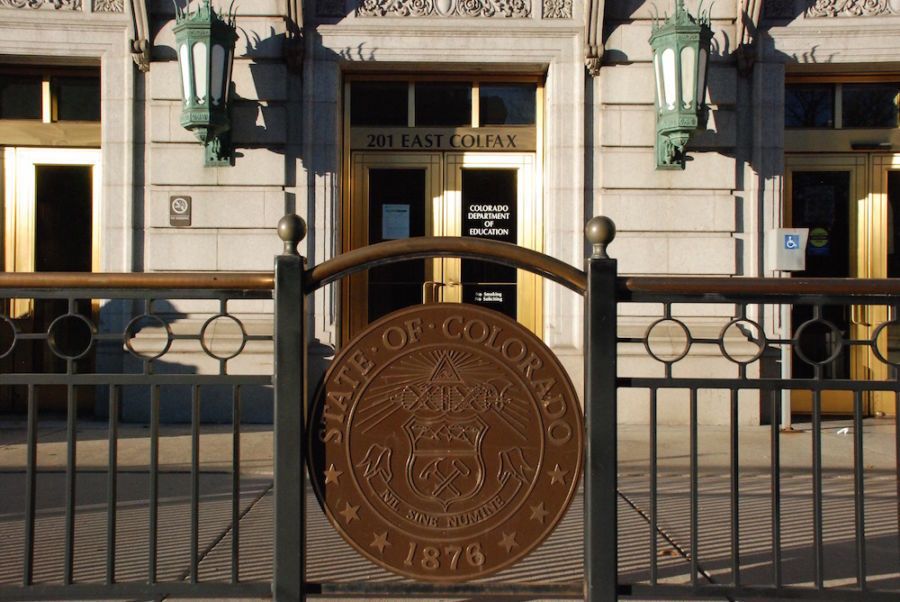
CDE’s oversight failures and rule-making gaffes are at the heart of the ER-BOCES rip-offs. Change needs to occur this year, not in the dim future. Someone needs to step up.
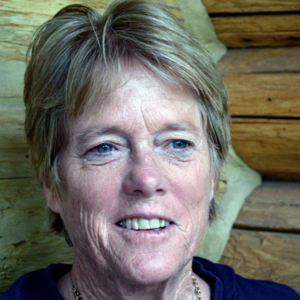
Paula Noonan owns Colorado Capitol Watch, the state’s premier legislature tracking platform.


Jena Griswold’s record: corruption, incompetence | Dick Wadhams
Dick Wadhams
dick-wadhams@coloradopolitics.com
Updated 3 days ago
There is no statewide elected official going back decades who is as breathtakingly corrupt and incompetent as Secretary of State Jena Griswold, who is now running for attorney general of all things. And compliant ruling Democrats know it. Their silence...

Kiros exudes why Colorado’s political times are a-changin’ at annual Denver Dems gala | Miller Hudson
Miller Hudson
miller-hudson@coloradopolitics.com
Updated 3 days ago
Among Colorado’s few remaining bipartisan rituals are county and state party dinners. I was particularly intrigued by last week’s Denver Democratic Party’s 2026 Annual Gala, a “New Deal for a New Era.” Their glossy program featured an artist’s Technicolor rendering...

Livestock grazing regulations need flexible updates | Rachel Gabel
Rachel Gabel
rachel-gabel@coloradopolitics.com
Updated 3 days ago
The Bureau of Land Management last updated their livestock grazing regulations the year I graduated from high school. I am 49. Assessing rangeland health can’t be done once and not revisited. This year is a prime example that managers must...

Taxpayers donate to tax increase campaign | Jon Caldara
Jon Caldara
jon-caldara@coloradopolitics.com
Updated 4 days ago
Give the man his due. President Donald Trump has undeniable talents. Colorado politicians are learning. Chief among The Don’s skills is taking the self-serving, ethically dubious behavior of previous politicians and putting it on steroids. Or, to borrow from the...
Democratic candidate in Colorado’s 4th CD urges long-term water planning
Marianne Goodland
marianne.goodland@coloradopolitics.com
Updated 2 days ago
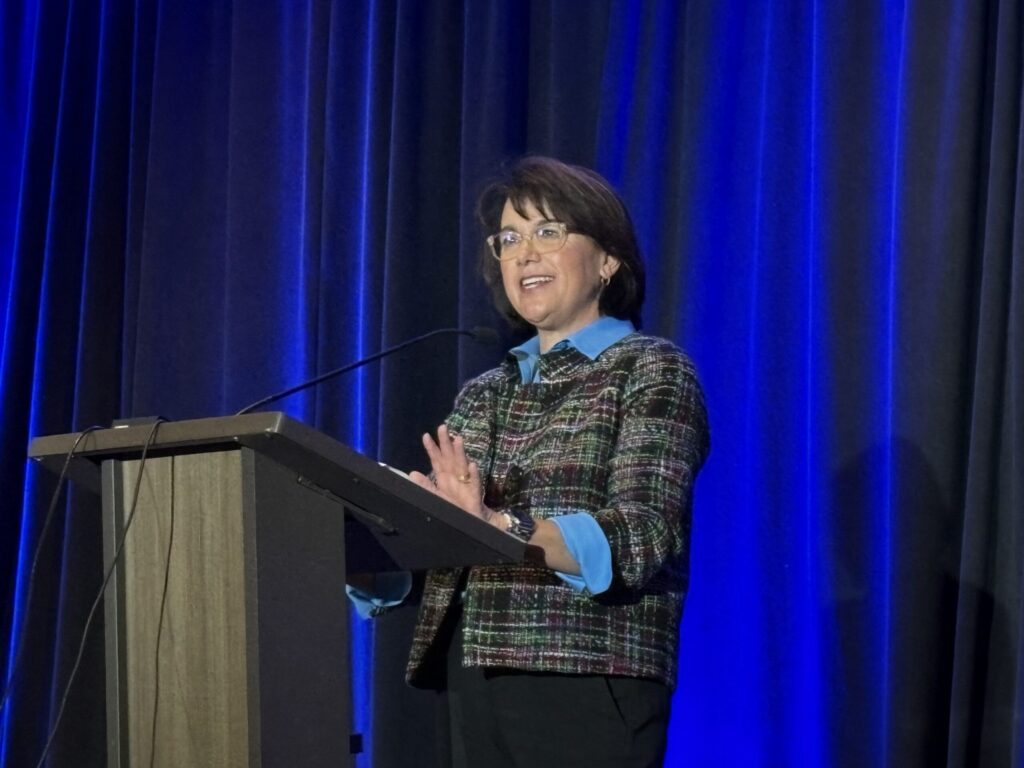
The Democrat hoping to become the next representative of Colorado’s 4th Congressional District on Thursday made her case on the final day of Colorado Water Congress in Steamboat Springs. Eileen Laubacher, who spent 34 years in the U.S. Navy and...
Proposal to cap Colorado income tax rate qualifies for November ballot
Thelma Grimes
thelma.grimes@coloradopolitics.com
Updated 1 day ago
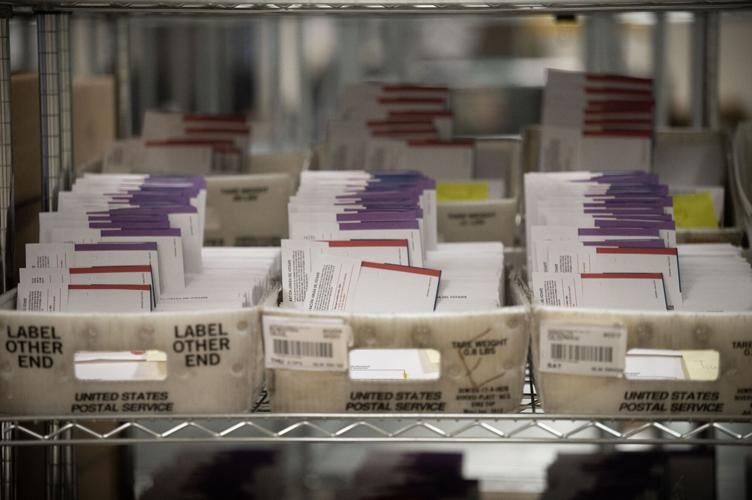
Election officials on Thursday confirmed that the proposal to cap the state’s income tax at the current rate submitted signatures and voters will consequently decide its fate this November. The fight over tax rates is part of the tug and...
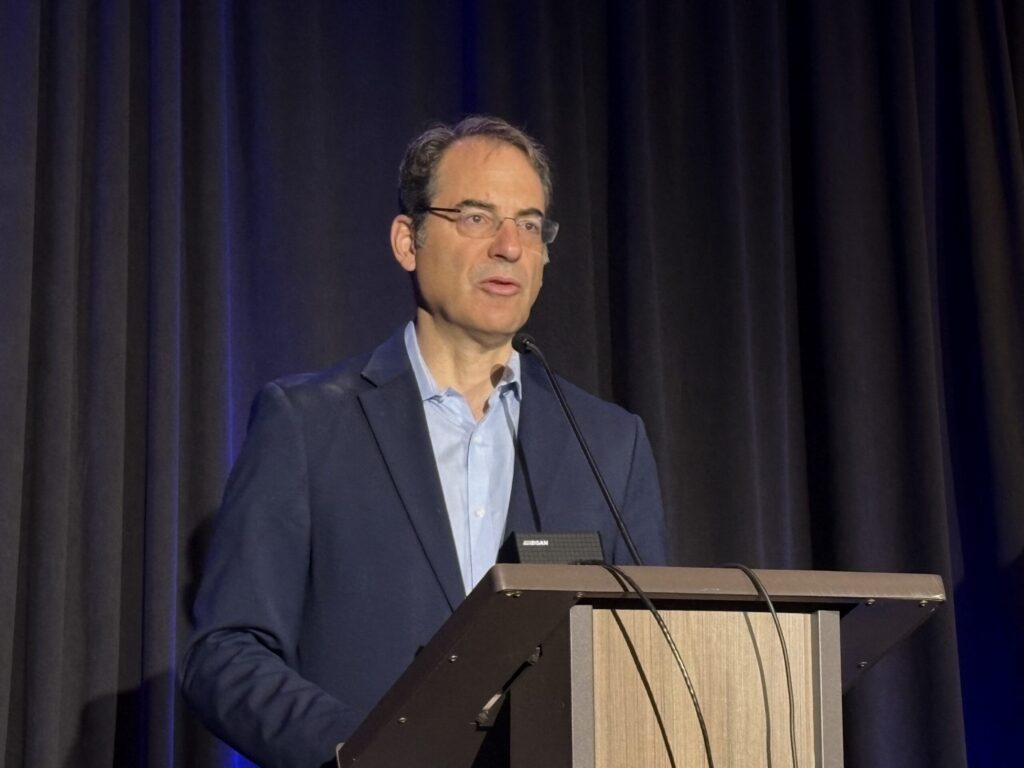
Democratic gubernatorial candidate Phil Weiser promises to appoint rural outreach director, water adviser
Marianne Goodland
marianne.goodland@coloradopolitics.com
Updated 3 days ago
Democratic gubernatorial candidate and current Attorney General Phil Weiser told the Colorado Water Congress Thursday he intends to appoint a rural outreach director and a water policy adviser should he win the election in November. Weiser’s speech at the Steamboat...

Attorney general candidates present priorities at Colorado Water Congress
Marianne Goodland
marianne.goodland@coloradopolitics.com
Updated 3 days ago
The two major-party candidates for attorney general — Republican Michael Allen, the district attorney for Teller and El Paso counties, and Democratic Secretary of State Jena Griswold — on Thursday outlined their priorities at the Colorado Water Congress. Griswold attended...
State money diversion scheme the unsurprising downfall of ERBOCES scam | Paula Noonan
Paula Noonan
paula-noonan@coloradopolitics.com
Updated 4 days ago
Falcon School District 49, aka El Paso County School District 49, has finally cut bait, thrown the fishing pole into the lake and sunk the canoe. The longtime enabler of the Education Reenvisioned BOCES’ (ERBOCES) schemes to fund private Christian...
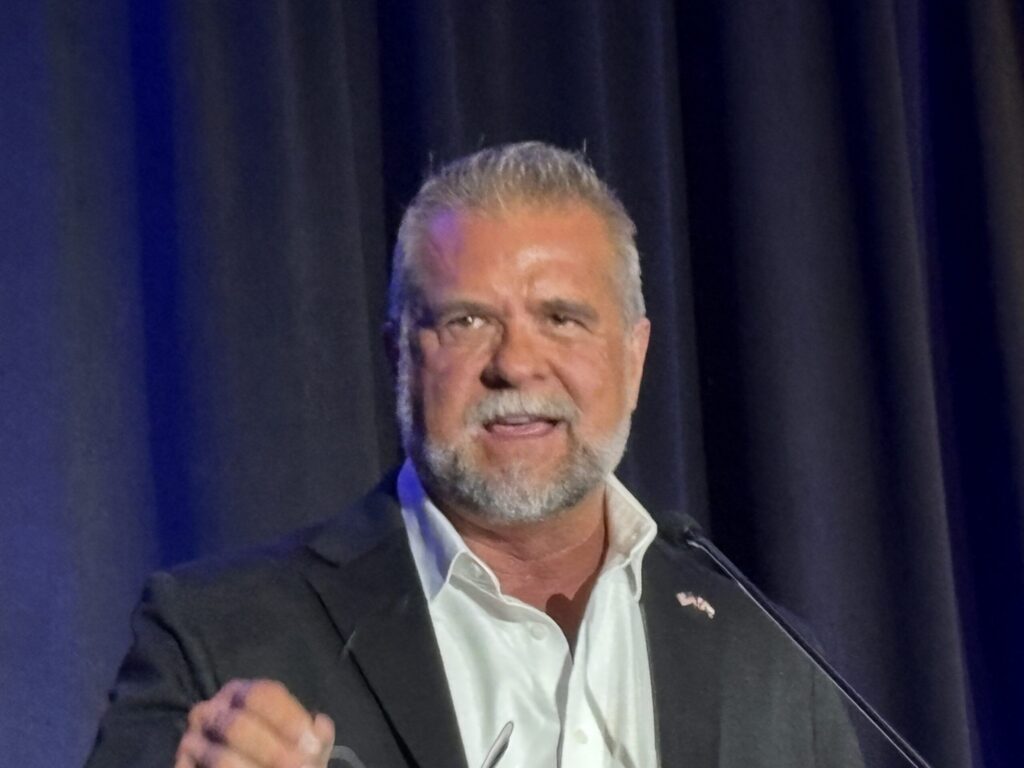
GOP gubernatorial candidate Victor Marx pushes aggressive water-storage expansion at Colorado Water Congress
Marianne Goodland
marianne.goodland@coloradopolitics.com
Updated 4 days ago
Victor Marx, the Republican nominee for governor, took the spotlight Wednesday during the opening day of the Colorado Water Congress, laying out how he says the state should approach its water future. Marx told the standing-room-only audience in Steamboat Springs...
PREV
PREVIOUS

‘Second look’ bill would cause lasting harm to crime’s victims | OPINION
By Robert Fallbeck Senate Bill 26-115, being considered by lawmakers in the current legislative session, seeks to allow re-sentencing (aka a “second look”) of inmates who have served 20 calendar years in the Colorado Department of Correction (DOC) for two populations — those who committed the crime when they were under 21 years old (but […]
Taking Colorado workers' ID documents would be a crime under this proposal
After a narrow 6–5 vote, a bill to bar employers from taking workers’ identification documents is moving to the full Colorado House, sparking questions about how often such intimidation occurs and whether a new state law is necessary. House Bill 1283, sponsored by Democratic Reps. Junie Joseph and Naquetta Ricks, would make it a Class […]