

Taking Colorado workers’ ID documents would be a crime under this proposal
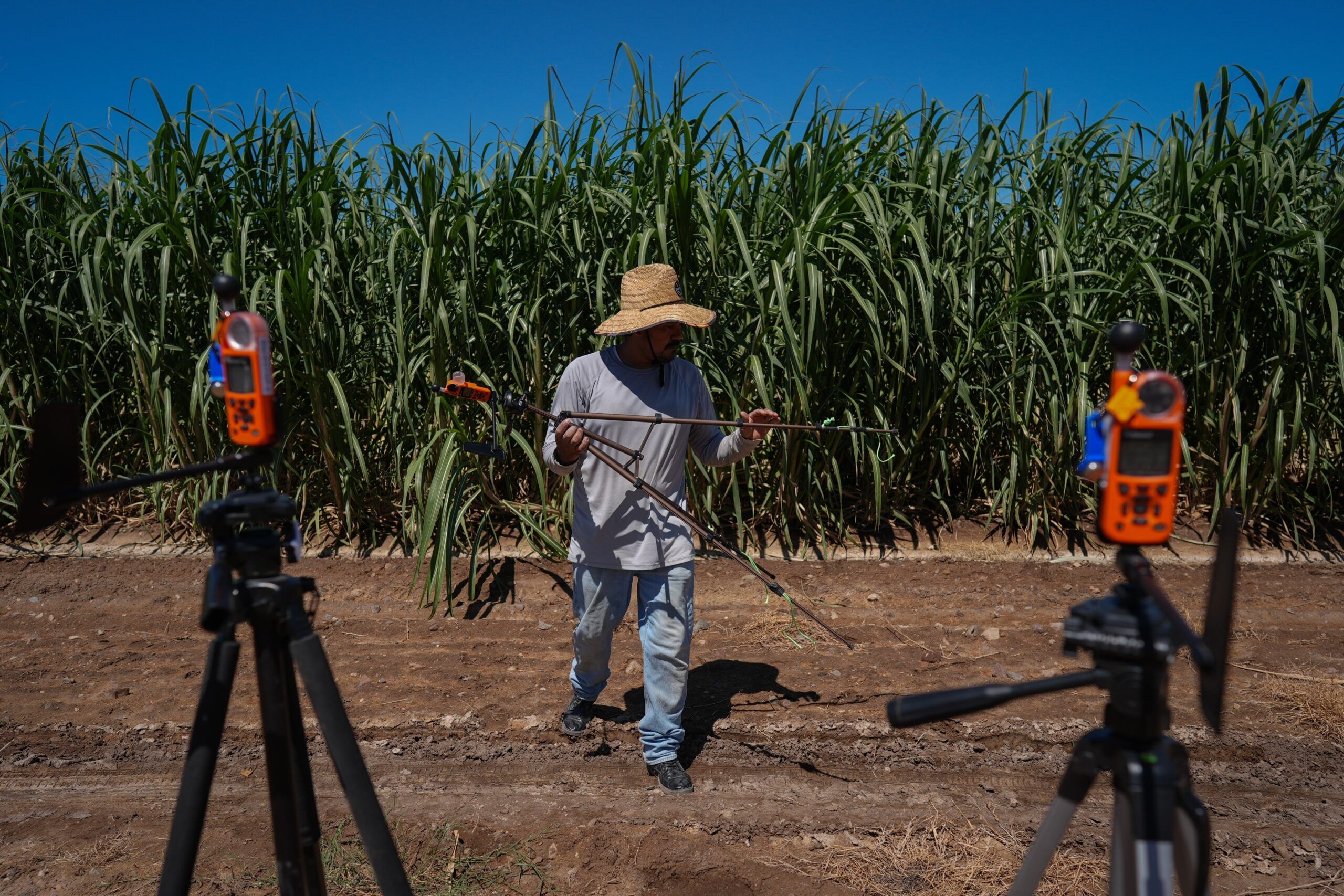
After a narrow 6–5 vote, a bill to bar employers from taking workers’ identification documents is moving to the full Colorado House, sparking questions about how often such intimidation occurs and whether a new state law is necessary.
House Bill 1283, sponsored by Democratic Reps. Junie Joseph and Naquetta Ricks, would make it a Class 2 misdemeanor to knowingly confiscate an employer’s identification documents without lawful authority.
The bill, as it is currently written, would also require employers to provide workers with written notice of their rights and to label turning over an employee’s identification to federal immigration authorities — or threatening to do so — as a bias-motivated crime.
The bill is about protecting workers’ “basic dignity, safety, and legal visibility,” said Joseph.
Without identification documents, people are unable to gain employment, housing, and health care, she said. For immigrant workers, who are the most likely to have their identification confiscated, such documents are necessary to maintain legal status in the United States, according to Joseph.
“Confiscating someone’s ID can create conditions of fear, dependency, and vulnerability to exploitation, particularly for immigrant workers and individuals in economically precarious situations,” said Joseph.
During the debate on the proposed legislation, some legislators questioned whether the bill creates a charge for a crime that doesn’t exist.
Colorado Springs Republican Rep. Ava Flanell noted that its fiscal analysis shows no one has ever been convicted under an existing law for unlawful intimidation of a worker.
Joseph and Ricks countered that intimidation happens, as does the confiscation of workers’ identification documents — but workers are often too afraid to report these incidents to law enforcement.
The bill narrowly escaped the Judiciary Committee on a 6-5 vote, with all Republicans and Denver Democrat Cecelia Espenoza voting against it. The bill will now be debated on the full House floor.
While federal law prohibits employers from confiscating employees’ identification documents, it only applies to extreme situations, such as human trafficking or forced labor, Joseph said.
“Federal laws are enforced federally and are rarely used for day-to-day workplace violations,” he added. “This bill gives Colorado the ability to enforce protections directly, quickly, and consistently.”
If a worker’s identification documents are taken, they lose their freedom to walk away, said Christopher Nurse of the Colorado Immigrant Rights Coalition. Without their papers, they become dependent on whoever is holding them, may feel forced to stay in a job they want to leave, and often avoid reporting unsafe conditions or wage theft because they fear losing their employment.
Nurse did not name any specific businesses known to confiscate workers’ identification. He said it’s most prevalent in the agricultural and construction industries, which have high concentrations of immigrant workers.

Colorado House passed a bill raising threshold for agriculture overtime by one vote
Marianne Goodland
marianne.goodland@coloradopolitics.com
Updated 3 hours ago
The bill that would raise the overtime threshold for overtime pay for certain agricultural workers won the narrowest of votes Thursday in the Colorado House. Senate Bill 121 won a 33-32 vote, a dramatic difference from votes cast Wednesday on...
Colorado Senate passes bill for voluntary $5 fee to fund wildlife crossings
Scott Weiser
scott.weiser@gazette.com
Updated 20 hours ago
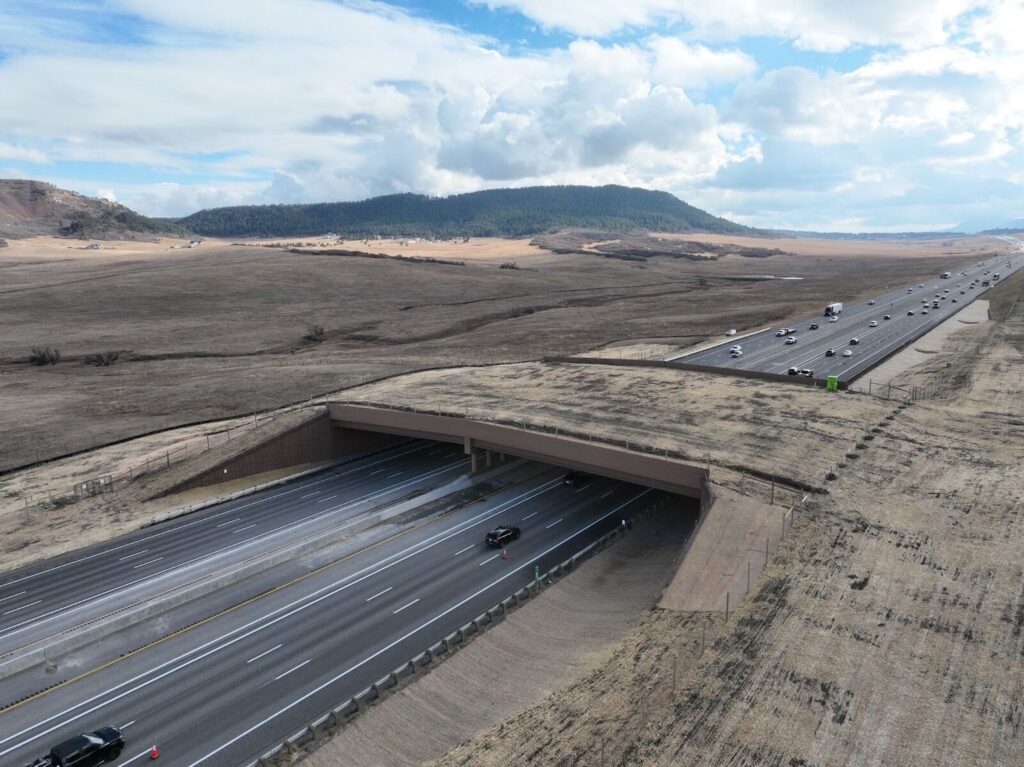
The Colorado Senate approved bipartisan legislation allowing drivers to voluntarily pay an extra $5 when registering their vehicles to help finance wildlife crossings and reduce the growing number of dangerous collisions between cars and animals on state highways. In 2024...

Can you dig it? Everyone was psyched for the groovy Arts for All Gala | NONPROFIT REGISTER
Joanne Davidson Special to Colorado Politics
joanne-davidson-special-to-colorado-politics@coloradopolitics.com
Updated 2 days ago
ARVADA CENTER FOR THE ARTS AND HUMANITIES Arvada News: Between the sequined mini dresses, platform shoes, go-go boots, paisley prints and bell-bottom pants, the 350 guests at the Arvada Center’s 1970s-themed Arts for All Gala clearly were “right on” in selecting what to wear for a “groovy” night of disco-infused fundraising. “Some of you look like you...
RTD lays off two dozen managers in operations ‘realignment’
Scott Weiser
scott.weiser@gazette.com
Updated 1 day ago
More than two dozen managers at the Regional Transportation District learned in March that their jobs would be eliminated, with their last day of work set for July 2. That’s according to documents provided to The Denver Gazette by an...

Colorado business leaders, Gov. Jared Polis send warning as companies pack their bags
Mark Samuelson Special to The Denver Gazette
mark.samuelson@denvergazette.com
Updated 2 days ago
Is Colorado scaring away corporate expansions and entrepreneurs that had once made the state a magnet for high-tech business growth? That’s the assertion of a letter signed by more than 200 business and technology leaders, addressed to Gov. Jared Polis,...

Colorado marijuana regulators pledge crackdown on intoxicating hemp
Christopher Osher
chris.osher@gazette.com
Updated 3 days ago
Citing potential tax avoidance, ‘serious risk to public safety,’ Marijuana Enforcement Division warns companies about swapping illegal chemically converted hemp for marijuana This article was produced for ProPublica’s Local Reporting Network in partnership with The Denver Gazette. Colorado regulators announced...

There was plenty to celebrate at 2026 Theatre of Dreams Gala | NONPROFIT REGISTER
Joanne Davidson Special to Colorado Politics
joanne-davidson-special-to-colorado-politics@coloradopolitics.com
Updated 2 days ago
CENTRAL CITY OPERA Central City News: There’s always something to celebrate at the Central City Opera’s signature fundraiser, the Theatre of Dreams Gala, and this year the agenda was packed. For starters, guests at this April 10 dinner and entertainment extravaganza were encouraged to incorporate gold and silver in...

Colorado saw job losses for the first time since pandemic
Bernadette Berdychowski
bernadette.berdychowski@denvergazette.com
Updated 3 days ago
Colorado’s job market last year appears to have been dimmer than it was originally believed to have been, new state data revisions show. The labor market wasn’t slowly growing, but rather it contracted in 2025. The state saw job losses...

Bipartisan Colorado bill targeting AI chatbot risks advances
Tricia Stortz
digital@denvergazette.com
Updated 4 days ago
A bipartisan Colorado bill targeting risks posed by AI chatbots advanced out of committee last week with a 10-3 vote in its first hearing. House Bill 26-1263, which would establish new requirements for “conversational AI” services, cleared the House Business...

Home rule has protected Colorado cities for over 125 years | Cronin and Loevy
Tom Cronin Bob Loevy
tom-cronin-bob-loevy@coloradopolitics.com
Updated 4 days ago
Colorado is currently gripped by a political struggle between the governor plus the legislature in Denver and populous home-rule city governments, mainly on the Front Range, such as Colorado Springs. In the past few years, the legislature has been passing bills that applied to city government policies, which...
PREV
PREVIOUS

9 Colorado hospitals at risk of closing due to Medicaid cuts
The $900 billion in Medicaid cuts over the next decade could threaten the viability of more than 400 hospitals nationally and at least nine in Colorado, a new report has found. The hospitals span the Front Range and rural communities, from Denver Health — the region’s primary safety-net provider — to smaller hospitals in places […]

Colorado Senate passes bill for voluntary $5 fee to fund wildlife crossings
The Colorado Senate approved bipartisan legislation allowing drivers to voluntarily pay an extra $5 when registering their vehicles to help finance wildlife crossings and reduce the growing number of dangerous collisions between cars and animals on state highways. In 2024 alone, more than 3,500 such incidents occurred on Colorado roads. The bill titled SB26-141, sponsored […]