

Colorado shouldn’t risk cutting off access to earned wage access | OPINION

By Tenisha James
I live and work in Connecticut, not Colorado — but what’s happening in your state matters to people like me. I’ve already seen how policies that restrict earned wage access (EWA) can play out in real life. And I wouldn’t wish that experience on Colorado workers.
Like many people, I’ve felt the squeeze of an economy where costs keep rising, but paychecks don’t. Groceries, rent, medical bills — it all adds up faster than you expect. I’ve always done my best to budget carefully, but no matter how disciplined you are, life doesn’t wait for payday.
That’s why I used EWA services. They gave me access to wages I had already earned — no loans, no interest, no long-term debt. If I could wait a couple of days, it costs me nothing. If I needed money immediately, I could pay a small fee for instant access. It was simple, transparent and most importantly provided me the flexibility and the dignity of managing my own finances.
Then things changed.
Policies here in Connecticut created uncertainty and barriers around EWA, and providers pulled back. Almost overnight, a tool I relied on to manage my finances responsibly was gone. And when it disappeared, I didn’t suddenly have better options — I had worse ones.
Without EWA, workers are left to deal with financial shortfalls however they can. For many, that means turning to credit cards with high interest rates or payday loans with staggering fees. Others risk overdraft charges or late payment penalties that only make things harder the next month. These aren’t solutions — they’re traps.
And not everyone even has access to those options. Plenty of hardworking people don’t qualify for traditional credit or don’t have a financial safety net to fall back on. When EWA went away, it didn’t just inconvenience people — it put them in more vulnerable financial positions. The bottom line is not having access to EWA service made my life harder and my finances less manageable.
That’s why I’m paying close attention to what Colorado is considering because I care about working people.
From where I stand, the goal shouldn’t be to restrict or push out EWA service — it should be to regulate them responsibly so workers can continue to use them safely. The right approach includes clear consumer protections, reasonable limits on fees, and guarantees these services remain optional and transparent — all things that House Bill 1046 includes.
But lawmakers have a responsibility to ensure workers can access this service and employers can provide it.
I’ve lived that reality. I’ve sat at my kitchen table trying to figure out how to cover an unexpected expense without the one tool that used to help me do it without debt. It’s stressful, frustrating and completely avoidable.
Colorado has a choice right now. You can learn from what happened in states like mine and take a balanced approach that protects both consumers and access — or you can risk pushing out a service that thousands of workers depend on.
Take it from someone who’s already seen how this plays out: losing earned wage access doesn’t protect workers. It makes life harder. Colorado workers deserve better and they deserve access to the wages they have earned.
Tenisha James is a sales coordinator, living in Waterbury, Connecticut, and is the mother of six children.

The outrages mount | Hal Bidlack
Hal Bidlack
hal-bidlack@coloradopolitics.com
Updated 3 hours ago
My kindly and forgiving editors understand that, from time to time, I can’t help myself from leaping atop my rickety soapbox to vent. And, like many other political commentators have already done, I could easily fill this entire missive with...
Rural Colorado deserves a tax holiday | GUEST COLUMN
Eric Mulder
jstooksberry@gmail.com
Updated 3 hours ago
Spend enough time in Colorado’s Eastern Plains, the San Luis Valley, or the Western Slope, and you’ll see boarded-up storefronts, schools consolidating classrooms, and small rural communities stretching every dollar to keep basic services afloat. Once the backbone of Colorado’s...
Colorado board permits state to appeal injunction against arthritis drug price cap
Marissa Ventrelli
marissa.ventrelli@coloradopolitics.com
Updated 7 hours ago
A Colorado board voted Friday to allow the Attorney General’s Office to fight an injunction against a price cap on a drug that treats arthritis. A U.S. district court judge had granted the company Amgen a preliminary injunction, temporarily blocking...

Colorado schools receive $24 million for free meals program
Marissa Ventrelli
marissa.ventrelli@coloradopolitics.com
Updated 7 hours ago
The Colorado Department of Education is providing Colorado schools with nearly $24 million in grant funding to implement a free lunch program. Approved by voters in 2022, the Healthy School Meals for All provides free breakfast and lunch to all...
‘Be prepared to march in the streets’ | Miller Hudson
Miller Hudson
miller-hudson@coloradopolitics.com
Updated 3 days ago
It was early in 1974 when I first met Tim Wirth as he announced his candidacy for Congress, challenging Republican incumbent Don Brotzman. Although I had only resided in Colorado two years, I was drafted to serve as a Democratic...

Colorado districts prepare for school year amid mental health cuts. But will less cellphone distractions help?
Marissa Ventrelli
marissa.ventrelli@coloradopolitics.com
Updated 4 days ago
The signs of a new school year are everywhere — buses in the shop, teachers unpacking boxes, families ticking through supply lists — but behind the familiar rituals, Colorado districts are preparing for a year defined less by routine than...
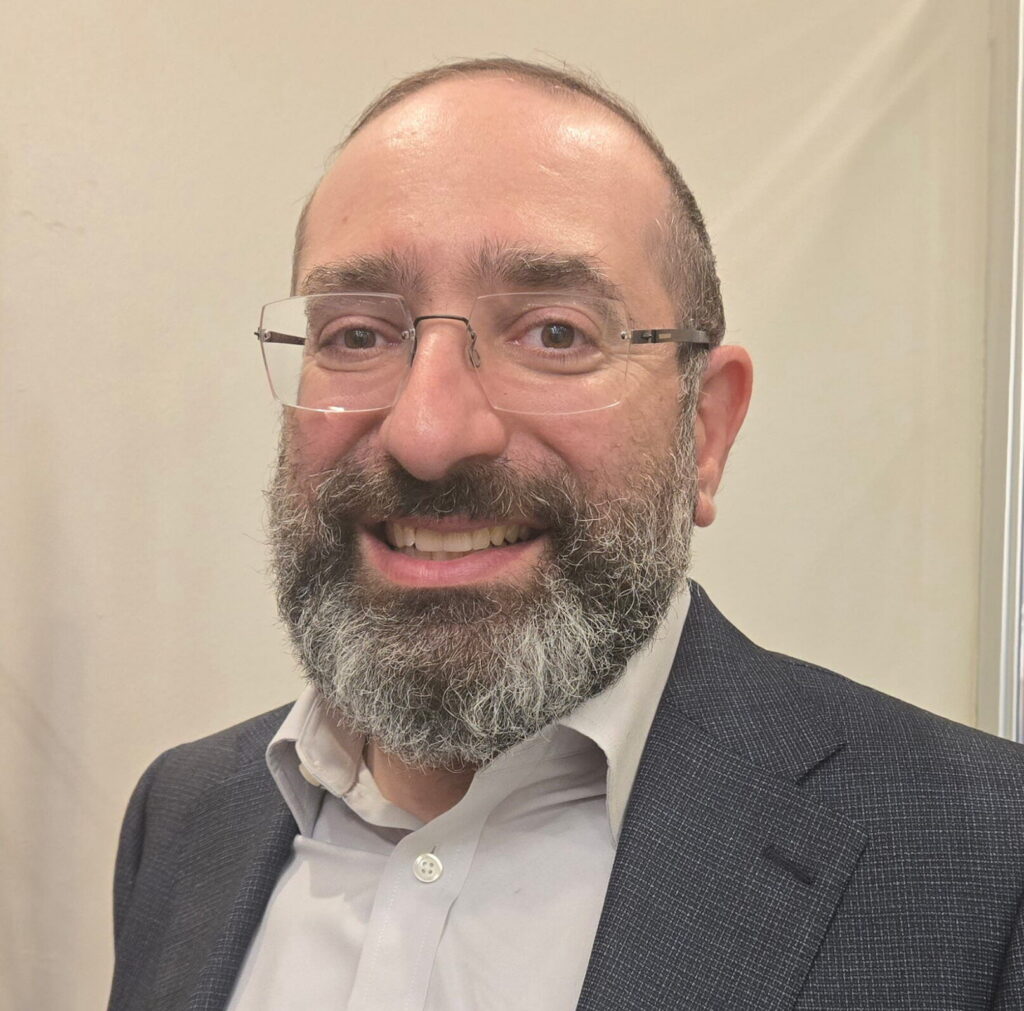
Surprise candidate Shimon Blau cleared to face off against Melat Kiros in November
Ernest Luning
ernest.luning@coloradopolitics.com
Updated 3 days ago
Unaffiliated congressional candidate Shimon Blau, a Denver doctor, has qualified by petition for the general election in Colorado’s 1st District, where Democrat Melat Kiros defeated 15-term U.S. Rep. Diana DeGette in last month’s primary, the Colorado Secretary of State’s Office...

UNC opens College of Osteopathic Medicine
Marissa Ventrelli
marissa.ventrelli@coloradopolitics.com
Updated 3 days ago
The University of Northern Colorado held a grand opening for its new College of Osteopathic Medicine on Friday, with Gov. Jared Polis in attendance to celebrate the culmination of a two-year, $127.5 million project. The project was funded through legislation...
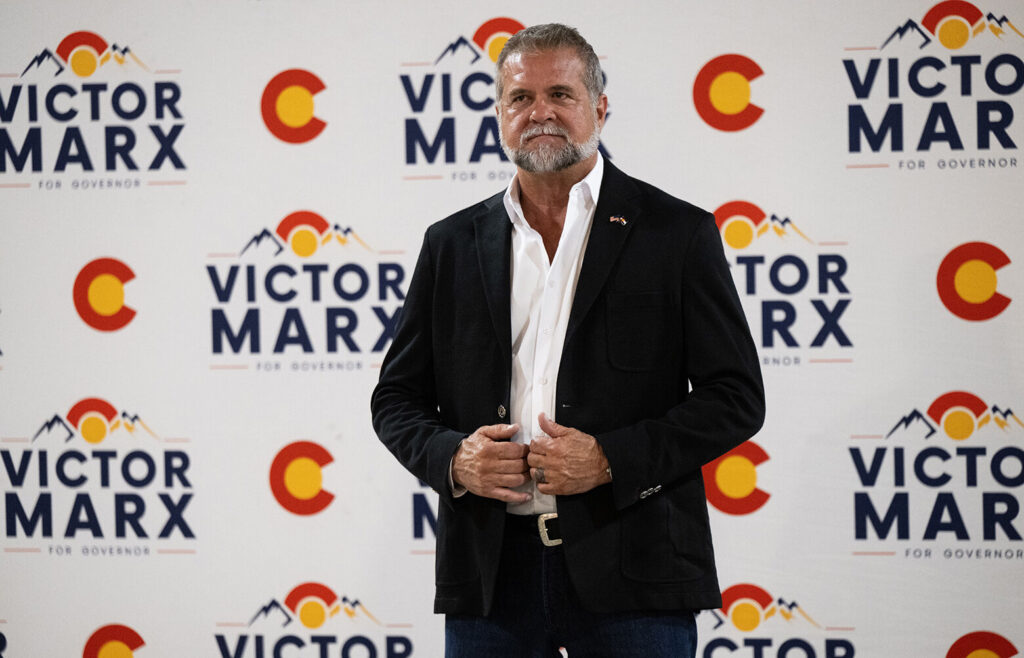
Victor Marx, GOP candidate for governor, faces 100-plus campaign finance complaints
Marianne Goodland
marianne.goodland@coloradopolitics.com
Updated 6 hours ago
Victor Marx’s gubernatorial campaign has been hit with more than 140 campaign finance complaints, although most have been consolidated by the state’s election office because they follow similar alleged violations. Marx faces Attorney General Phil Weiser, who won the Democratic...
Primary voters rejected big money in politics | Paula Noonan
Paula Noonan
paula-noonan@coloradopolitics.com
Updated 3 days ago
While we’re in an election campaign lull between now and Labor Day, we have time to consider the impact of $102 million in campaign contributions in the primary. In the general election, more money will fill candidate campaign coffers, and...
PREV
PREVIOUS

Rural education is an advantage — start funding it that way | OPINION
By Denille LePlatt When people talk about rural schools, the conversation too often starts with struggle. I’d like to start somewhere different: with the 135,000 students across Colorado’s rural communities who show up every day with talent, drive and potential that rivals any school district in this state. I serve as executive director of the […]

'Right to repair' makes sense for Colorado consumers, but critical infrastructure is different | OPINION
By Chris Bresee For many consumer products, the case for “right to repair” is easy to understand. If a phone, tractor, or household device breaks, people want fair access to the tools, parts and information needed to fix it. But critical infrastructure is different. As Colorado lawmakers consider Senate Bill 26-090, the goal should be […]