

Federal judge releases man after 2 immigration judges disobey order
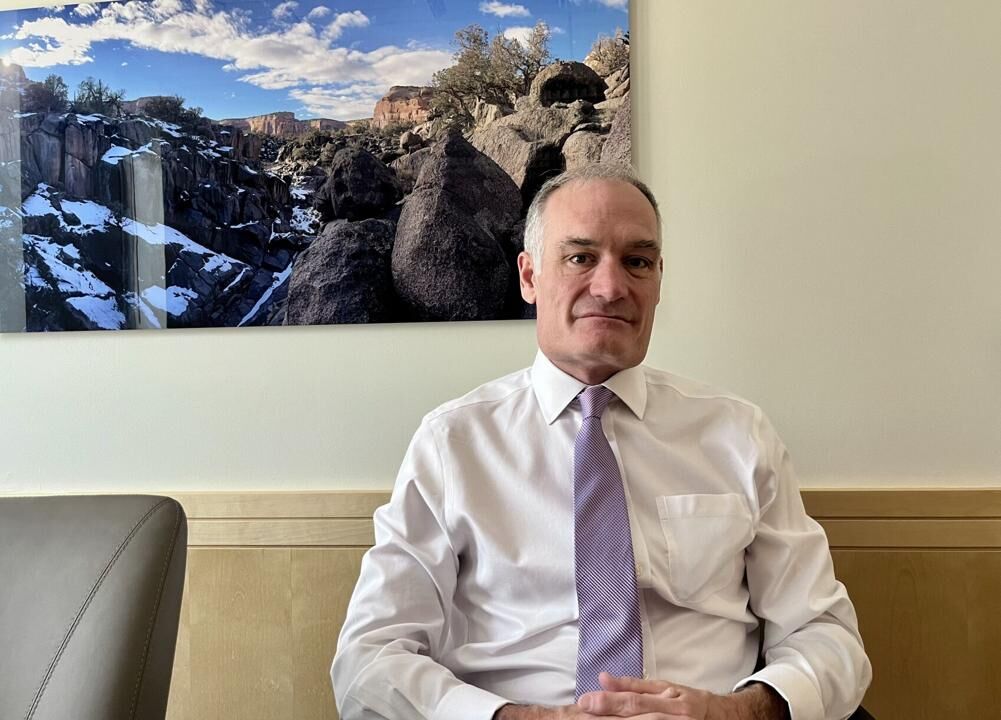
A federal judge released a man from immigration detention on Thursday after two different immigration judges disobeyed his order in the same case.
“At this point, the Court has granted Respondents two bites at the apple to prove detention of Petitioner was warranted,” wrote U.S. District Court Judge Gordon P. Gallagher. “It will not allow a third.”
Colorado’s federal trial court is facing a flood of “habeas corpus” petitions from those in immigration detention. The most common allegation is that the government is improperly denying bond hearings to people who are eligible by law. Colorado’s judges, like the vast majority of their peers nationwide, have agreed with that argument.
The most common outcome is for judges to direct immigration judges, who are executive branch employees, to hold hearings to determine a person’s suitability for release, but judges have occasionally ordered the immediate release of detainees instead.
Vicente Jimenez Chauca was detained in February and filed a habeas petition a month later. On March 13, Gallagher issued a now-standard order granting Jimenez Chauca a bond hearing. Like other orders of its type, Gallagher indicated that the burden fell on the government to justify detention by proving that Jimenez Chauca is a flight risk or a danger to the community.
Gallagher also instructed an immigration judge to address whether detention was appropriate at the time of Jimenez Chauca’s arrest.
After a March 20 bond hearing, Assistant U.S. Attorney William B. Gillespie alerted Gallagher to a problem. Assistant Chief Immigration Judge Irene C. Feldman had not addressed whether Jiminez Chauca’s detention at the time of arrest was proper. Further, “it appears to the undersigned counsel that the IJ inadvertently violated the Order by applying the default procedure to the bond hearing, which places the burden on the noncitizen” to show they deserve release.
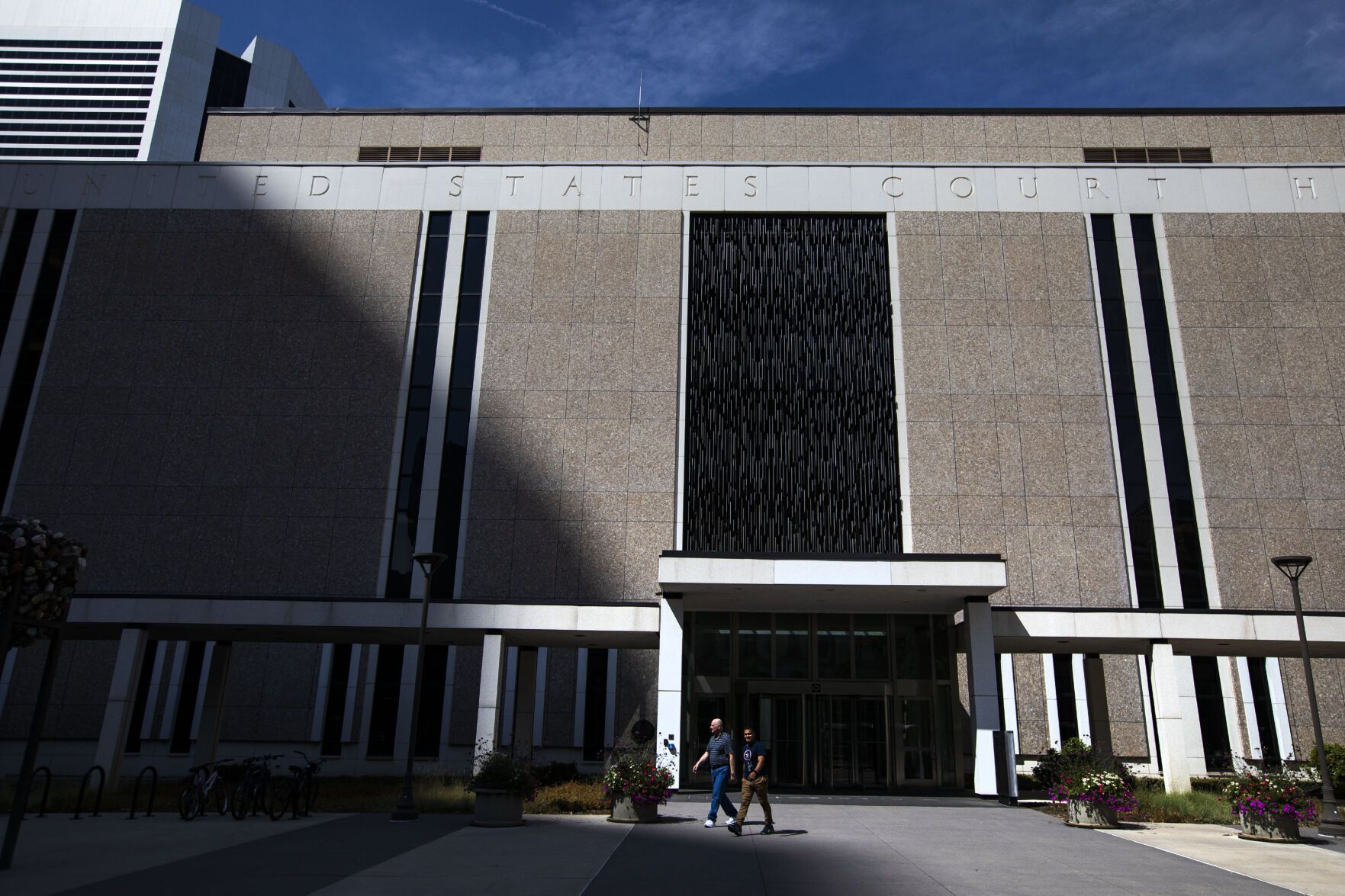
Three days earlier, Feldman had violated a different judge’s orders in another bond hearing. U.S. Magistrate Judge N. Reid Neureiter found that Feldman similarly disregarded his directive for the government to prove the necessity of a man’s continued detention. Moreover, the transcript of the bond hearing showed that Feldman appeared unconvinced she needed to follow the orders of a federal magistrate judge.
“In short, the bond hearing plainly did not comply with this Court’s unambiguous (and unappealed) final orders,” wrote Neureiter in directing the habeas petitioner’s immediate release as a consequence for Feldman’s noncompliance.
After the government admitted Feldman also violated Gallagher’s order, it did not oppose a second bond hearing for Jimenez Chauca. On April 2, Jimenez Chauca appeared before Immigration Judge Jennifer C. Whitko, a U.S. Air Force lawyer whom then-Attorney General Pamela Bondi appointed to effectuate the Trump administration’s unprecedented replacement of immigration judges with military personnel.
Gillespie attempted to attend the second bond hearing, but he was unable to because of the format. The attorney for U.S. Immigration and Customs Enforcement later played the audio recording for him on her computer, but “much of what was said was unintelligible,” he wrote to Gallagher.
However, Gallagher noted in an April 7 order that it was clear that Whitko denied bond to Jimenez Chauca because “I am not convinced he’s not a flight risk.”
“Words are important,” wrote Gallagher, a Joe Biden appointee. “If the burden was appropriately applied as Ordered by this Court, a more legally precise phrasing would have been that ICE has proved that Petitioner is a flight risk. Such a phrasing would have been a clear indication that this Court’s Order was followed. Further, entirely unaddressed is the issue of whether Petitioner’s detention was proper at the time of his arrest.”
Two days later, Gallagher held a hearing in Denver with Jimenez Chauca’s attorney and Gillespie. He said he appreciated Gillespie’s transparency about what happened, as “it’s what I expect from members of the U.S. Attorney’s Office.”
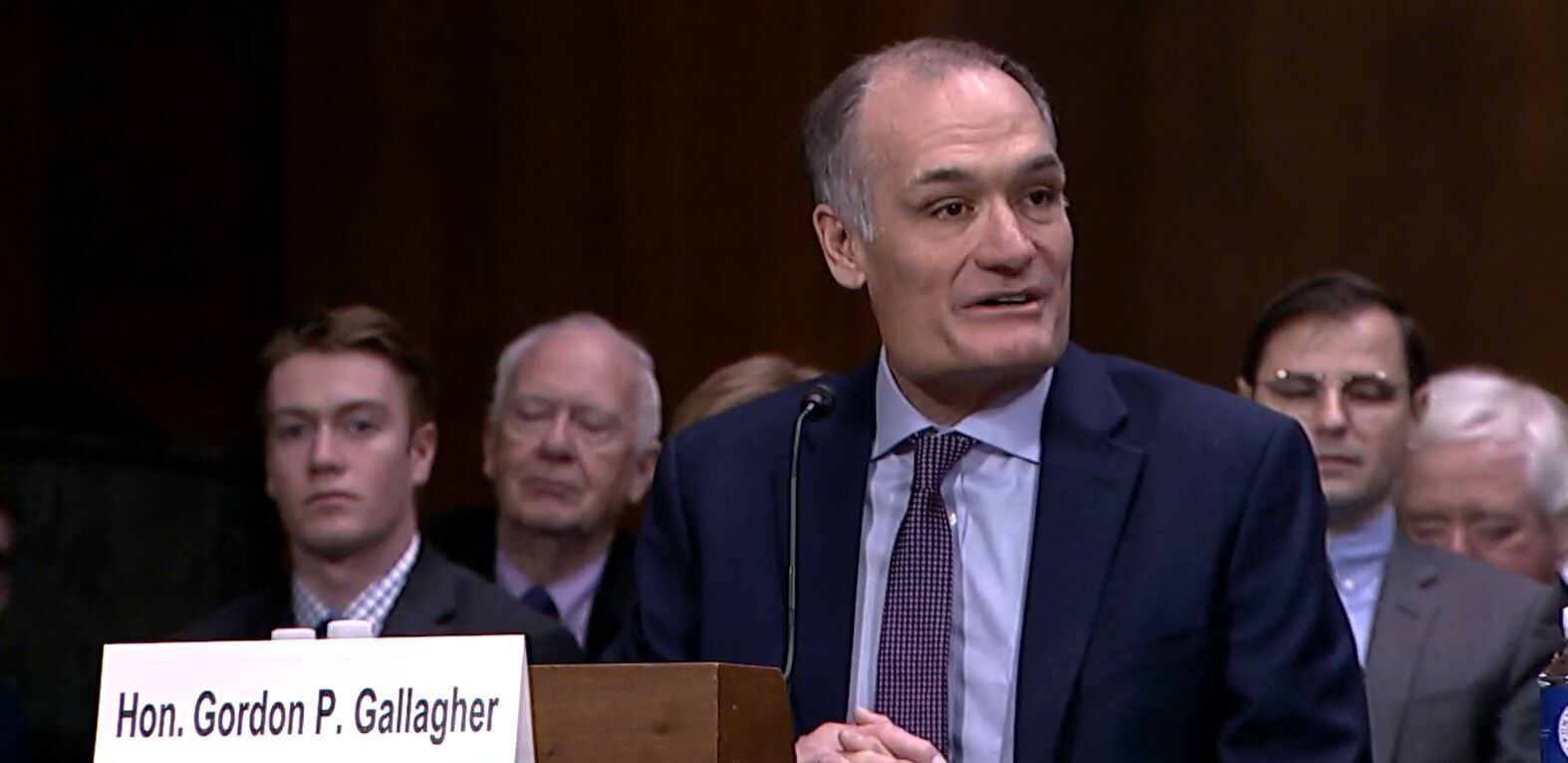
Gillespie asked that Gallagher allow the immigration judge to clarify how she evaluated the government’s burden to prove Jimenez Chauca’s continued detention was warranted. The clarification would have to wait until the immigration judge’s return next week, he said.
“It is petitioner’s position that the court should order Mr. Jimenez’s immediate release today,” responded attorney Jessica A. Dawgert. “One month ago, the court issued a very clear order granting the habeas petition. And since then, two different immigration judges have very clearly failed to follow that order.”
Gallagher agreed with her.
“In this court’s mind, we shouldn’t even be here,” he said, explaining that the government had not even informed Whitko of his order at the second bond hearing.
Gallagher found it significant that Jimenez Chauca’s attorney was the first to argue for release.
“The person generally with the burden of proof, be it a civil case or a criminal case, who has something to prove, has the obligation of proceeding first,” he said.
Because the evidence suggested that Whitko did not require the government to prove Jimenez Chauca should remain in custody, Gallagher ordered his immediate release. He added that Gillespie appeared to be the only government employee who tried to ensure compliance with Gallagher’s order.
“The U.S. attorney took the unusual step at that point of actually going, or attempting to go, to the hearing himself. That hasn’t been discussed today,” said Gallagher. “But the clear import of that was to try to make sure the rules were followed. But he wasn’t allowed or able to participate in the hearing.”
Gallagher quickly issued a written order reiterating that the government violated his order twice in the same case.
Colorado Politics contacted the U.S. Department of Justice, the U.S. Department of Homeland Security, ICE, and the Executive Office for Immigration Review, which oversees immigration courts. Among other things, Colorado Politics asked whether the government intentionally excludes lawyers who are knowledgeable about federal judges’ habeas orders from bond hearings.
Only the Department of Homeland Security responded, referring all questions to the Justice Department.
The case is Jimenez Chauca v. Mullin et al.

Colorado Supreme Court concerned about police overreach in interrogations
Michael Karlik
michael.karlik@coloradopolitics.com
Updated 1 day ago
Some members of the Colorado Supreme Court appeared hesitant on Tuesday to endorse the ability of police to interrogate a suspect after they have obtained a court order authorizing only the collection of physical evidence. Under Colorado’s criminal rules, law...
Colorado Supreme Court considers new requirement for leaving-the-scene convictions
Michael Karlik
michael.karlik@coloradopolitics.com
Updated 1 day ago
In 2006, the Colorado Supreme Court ruled that leaving the scene of an accident resulting in serious injury is a “strict liability” offense, meaning a person is guilty solely through their conduct, without the need for prosecutors to prove the...
Colorado Supreme Court weighs transgender services case involving Children’s Hospital and federal threats
Michael Karlik
michael.karlik@coloradopolitics.com
Updated 8 hours ago
Some members of the Colorado Supreme Court expressed discomfort on Tuesday with having to decide whether to order Children’s Hospital Colorado to resume providing certain services to transgender children, which could trigger a “death sentence” if the federal government imposes...
Colorado justices weigh constitutionality of unique disclosure requirement for ballot measures
Michael Karlik
michael.karlik@coloradopolitics.com
Updated 2 days ago
Members of the Colorado Supreme Court considered on Tuesday whether a unique feature of the state’s campaign finance system categorically violates the First Amendment by requiring the disclosure of a ballot measure committee’s legal representative on advertisements. No on EE...

Colorado justices block injured plaintiff from suing, despite alleged concealment by Manitou Springs
Michael Karlik
michael.karlik@coloradopolitics.com
Updated 3 days ago
The Colorado Supreme Court ruled on Monday that a woman injured on a Manitou Springs sidewalk could not sue the allegedly responsible entity, the city of Colorado Springs, even though she did not learn until too late of an agreement...
Divided Colorado Supreme Court opens door to experts’ views on children’s truthfulness
Michael Karlik
michael.karlik@coloradopolitics.com
Updated 2 days ago
The Colorado Supreme Court ruled on Monday that experts may, in certain situations, tell jurors whether child witnesses exhibited signs of being coached by adults, without running afoul of the general prohibition on witnesses testifying about the truthfulness of other...

State Supreme Court to hold oral arguments, federal judges find fault with bond hearings | COURT CRAWL
Michael Karlik
michael.karlik@coloradopolitics.com
Updated 3 days ago
Welcome to Court Crawl, Colorado Politics’ roundup of news from the third branch of government. The state Supreme Court will resume hearing oral arguments tomorrow, plus some federal judges are raising the alarm about immigration judges’ handling of bond hearings....
Douglas County seeks state Supreme Court review in open meeting case
Nicholas Fogleman
nicholas.fogleman@denvergazette.com
Updated 3 days ago
The Douglas County Board of Commissioners intends to petition the Colorado Supreme Court to review a recent court decision that found the board had violated the Colorado Open Meeting Law. The case stems from 11 “closed, unnoticed” meetings held by...
10th Circuit provides guidance on police searches of cloud-based data
Michael Karlik
michael.karlik@coloradopolitics.com
Updated 6 days ago
The Denver-based federal appeals court provided guidance to law enforcement agencies on Monday for ensuring that searches of cloud-based accounts comply with the Fourth Amendment’s requirements. A three-judge panel of the U.S. Court of Appeals for the 10th Circuit noted...
New rules for private judges in Colorado include discipline oversight, campaign contributions
David Migoya
david.migoya@gazette.com
Updated 6 days ago
The Colorado Supreme Court recently determined the state’s private judges — retired jurists appointed to oversee civil cases that rarely get public scrutiny — can now make political contributions freely and without reserve, overruling a prohibition that had been in...
PREV
PREVIOUS

City of Northglenn, state fail to reach agreement on mental health facility amid safety concerns
The City of Northglenn said it was unable to reach an agreement with the state on a pair of transitional living facilities for individuals with mental health conditions run by the Colorado Department of Human Services. The facilities, located across from a public housing project and an industrial events center, are intended for patients who […]
Colorado GOP votes down bid to ask court to prevent unaffiliated voters from voting in June primary
Members of the Colorado Republican Party’s executive committee rejected a proposal Thursday night to seek an emergency injunction in federal court to prevent unaffiliated voters from participating in the state’s upcoming June primary election. The proposed motion, backed by Colorado Republican National Committeeman Randy Corporon, was in response to a federal judge’s recent ruling that […]