

Why Denver should care about conservation easements — even if you’ve never set foot on a ranch | OPINION
By Jason Swann
I live in Denver. I drink tap water from my kitchen sink, hike close to home when I can, worry about wildfire smoke every summer, and try, like many families, to keep up with the rising cost of living. I don’t own land. I don’t ranch. I don’t farm.
And yet one of the most important public investments shaping my daily life is something most Denverites rarely think about: conservation easements on private land across Colorado.
Conservation easements are voluntary agreements that permanently protect land from development while keeping it in private ownership. They’re often associated with rural places, wide-open ranches, mountain valleys, or wildlife habitat far from the city. But the truth is, conservation easements quietly deliver real, everyday benefits to people living in Denver and other Front Range communities. I know, I visit many of these places myself to hunt, fish and hike.
Start with water. Much of the water that flows into Denver’s taps originates on privately owned land — headwaters, wetlands and working landscapes that filter, store, and slowly release water downstream. When those lands are conserved, they protect water quality and reduce costly treatment needs.
When they’re developed, paved over, or fragmented, the public pays the price, through higher water bills, infrastructure costs, and increased flood risk. From an urban perspective, conservation easements are a form of upstream insurance.
The same is true for wildfire. Conserved lands often serve as buffers around communities, reduce the pace and intensity of development in fire-prone areas, and support land management practices that lower risk. Anyone who lived through the Marshall Fire or weeks of smoke-filled skies understands that wildfire isn’t just a rural problem; it’s a public health and economic issue that hits cities hard.
Then there’s food and the cost of living. Conservation easements help keep farms and ranches operating instead of being sold off for development. That supports Colorado’s local food system and rural economies, but it also matters to Denver residents who want reliable, healthy and locally grown food sources in an era of supply chain disruptions and rising prices. Protecting working lands is one way we maintain regional resilience instead of outsourcing everything farther away.
And of course, there’s outdoor access. Denver’s identity, like my own, is inseparable from the outdoors. Many of the places we recreate, open space near the metro area, trails, local parks, and scenic landscapes we escape to on weekends, exist because land was conserved before it was lost forever. Conservation easements help ensure that growth doesn’t erase the very qualities that make Colorado livable and desirable.
Some critics argue that conservation easements are just tax breaks for wealthy landowners. That framing is untrue and misses the bigger picture. These agreements are voluntary, permanent, and come with real costs for landowners, counties and municipalities, who give up development rights for conservation. In return, the public receives lasting benefits, clean water, reduced wildfire risk, recreational open space, wildlife habitat and economic resilience.
Independent research shows every dollar Colorado invests in conservation easements; the public receives anywhere between $37 and $64 in return value. That’s not charity. That’s smart, preventative investment, exactly the kind cities like Denver depend on to manage growth without sacrificing quality of life.
Right now, Colorado faces a quiet but serious risk. Demand for conservation easements has outpaced available funding, and without legislative action, the state could see a multi-year pause in new conservation projects. That pause wouldn’t just affect rural landowners; it would ripple downstream to cities like Denver, where we rely on the benefits those conserved lands provide.
As a Denver resident, I support conservation easements not because I’m nostalgic for the past, but because I’m realistic about the future. Clean water, lower wildfire risk, accessible outdoor spaces, and stable food systems don’t happen by accident. They require foresight, and policies that recognize how deeply urban and rural Colorado are connected. And I can’t imagine a Colorado without them.
Supporting conservation easements is one of the most practical, cost-effective ways we can protect the things that make Denver a good place to live — today and for generations to come.
Jason Swann is the conservation finance director at the Trust for Public Land, leading efforts to expand outdoor access and scale sustainable conservation funding across the western U.S.

Blue states should avoid disasters | Hal Bidlack
Hal Bidlack
hal-bidlack@coloradopolitics.com
Updated 10 hours ago
Back when I was teaching political science at the U.S. Air Force Academy (and amazingly to me, a week from this column’s publication will mark 20 years since my retirement from active duty. Where the heck did that time go?)...
Right-to-hunt ballot measure’s a cruel, anti-wildlife solution to a nonexistent problem | GUEST COLUMN
Colorado Politics
colorado-politics@coloradopolitics.com
Updated 10 hours ago
By Eric Washburn I love to hunt. Every year I try to hunt big game in Colorado and waterfowl in Louisiana. This year, I applied for five Colorado big game licenses — elk, deer, pronghorn, moose and bighorn sheep. I...
Jena Griswold’s record: corruption, incompetence | Dick Wadhams
Dick Wadhams
dick-wadhams@coloradopolitics.com
Updated 3 days ago
There is no statewide elected official going back decades who is as breathtakingly corrupt and incompetent as Secretary of State Jena Griswold, who is now running for attorney general of all things. And compliant ruling Democrats know it. Their silence...
Kiros exudes why Colorado’s political times are a-changin’ at annual Denver Dems gala | Miller Hudson
Miller Hudson
miller-hudson@coloradopolitics.com
Updated 3 days ago
Among Colorado’s few remaining bipartisan rituals are county and state party dinners. I was particularly intrigued by last week’s Denver Democratic Party’s 2026 Annual Gala, a “New Deal for a New Era.” Their glossy program featured an artist’s Technicolor rendering...

Livestock grazing regulations need flexible updates | Rachel Gabel
Rachel Gabel
rachel-gabel@coloradopolitics.com
Updated 3 days ago
The Bureau of Land Management last updated their livestock grazing regulations the year I graduated from high school. I am 49. Assessing rangeland health can’t be done once and not revisited. This year is a prime example that managers must...

Taxpayers donate to tax increase campaign | Jon Caldara
Jon Caldara
jon-caldara@coloradopolitics.com
Updated 5 days ago
Give the man his due. President Donald Trump has undeniable talents. Colorado politicians are learning. Chief among The Don’s skills is taking the self-serving, ethically dubious behavior of previous politicians and putting it on steroids. Or, to borrow from the...
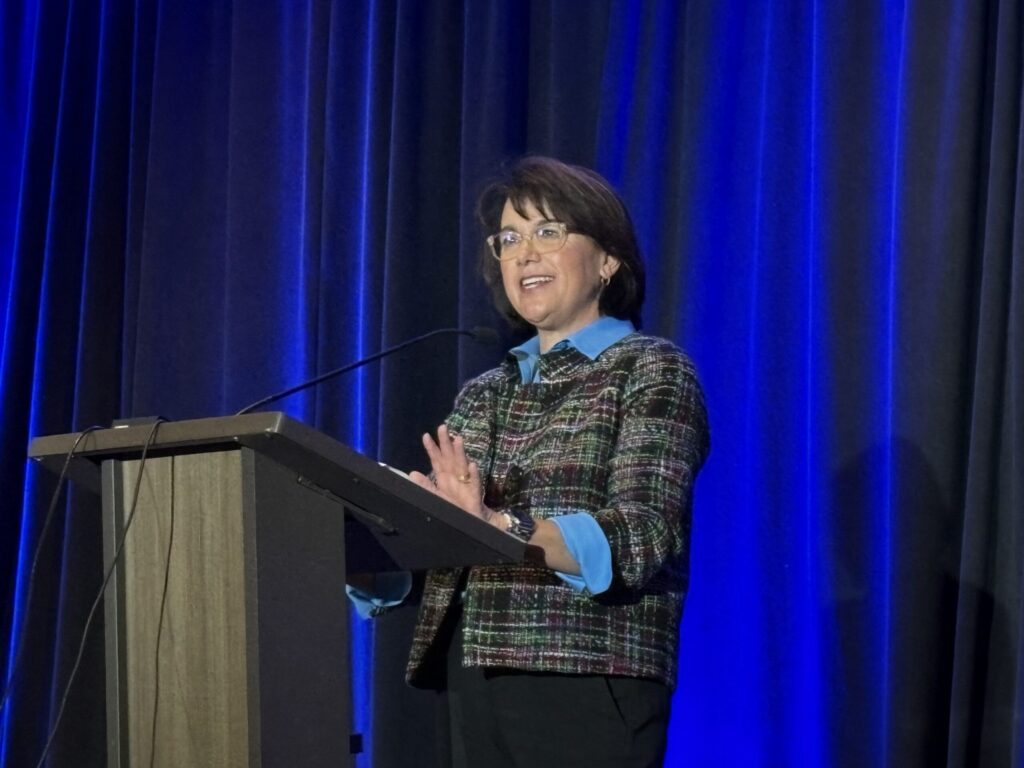
Democratic candidate in Colorado’s 4th CD urges long-term water planning
Marianne Goodland
marianne.goodland@coloradopolitics.com
Updated 2 days ago
The Democrat hoping to become the next representative of Colorado’s 4th Congressional District on Thursday made her case on the final day of Colorado Water Congress in Steamboat Springs. Eileen Laubacher, who spent 34 years in the U.S. Navy and...

Proposal to cap Colorado income tax rate qualifies for November ballot
Thelma Grimes
thelma.grimes@coloradopolitics.com
Updated 2 days ago
Election officials on Thursday confirmed that the proposal to cap the state’s income tax at the current rate submitted signatures and voters will consequently decide its fate this November. The fight over tax rates is part of the tug and...
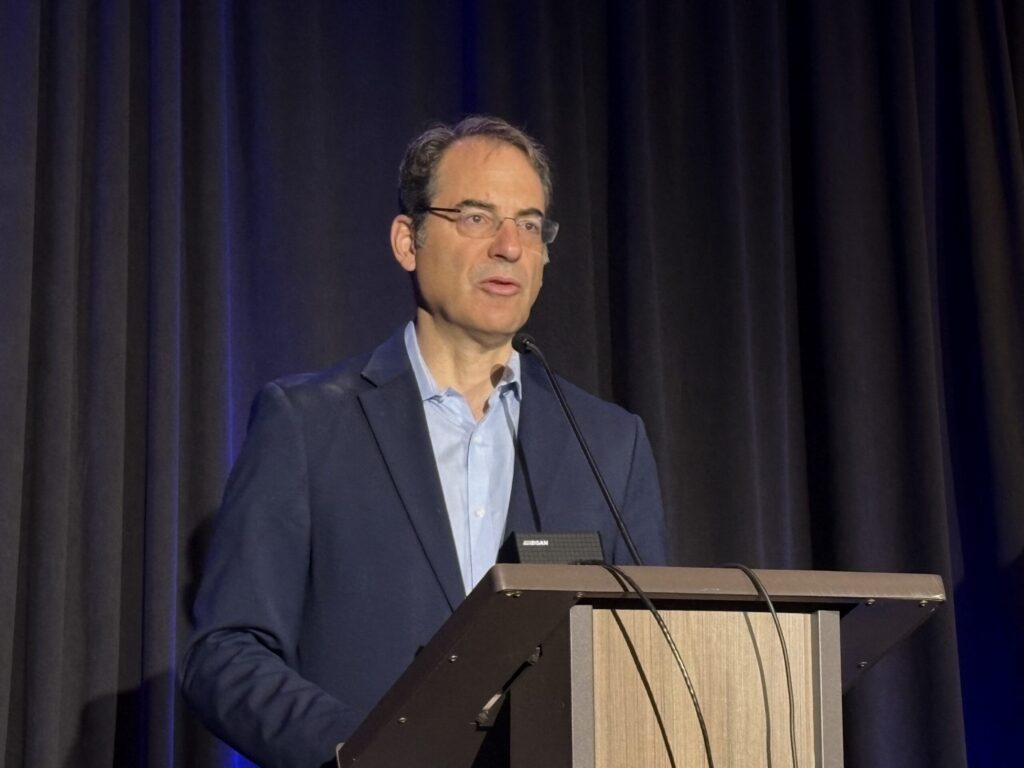
Democratic gubernatorial candidate Phil Weiser promises to appoint rural outreach director, water adviser
Marianne Goodland
marianne.goodland@coloradopolitics.com
Updated 4 days ago
Democratic gubernatorial candidate and current Attorney General Phil Weiser told the Colorado Water Congress Thursday he intends to appoint a rural outreach director and a water policy adviser should he win the election in November. Weiser’s speech at the Steamboat...

Attorney general candidates present priorities at Colorado Water Congress
Marianne Goodland
marianne.goodland@coloradopolitics.com
Updated 3 days ago
The two major-party candidates for attorney general — Republican Michael Allen, the district attorney for Teller and El Paso counties, and Democratic Secretary of State Jena Griswold — on Thursday outlined their priorities at the Colorado Water Congress. Griswold attended...
PREV
PREVIOUS

Could it be the end of hunting as we've always known it in Colorado? | FEEDBACK
By Eric Washburn Recently, the Colorado Parks and Wildlife (CPW) Commission voted to ban the commercial sale of fur and reject CPW’s proposed daily bag limits of 15 per day per person (450 per person per month!!) for harvesting 17 furbearer species. The outcry reported in the Colorado media was deafening. One would think the […]

Colorado’s clean-energy future must be affordable for older adults | PODIUM
By Jason DeaBueno Last winter, one of the older adults we serve at Silver Key shared something that has stayed with me. She begun turning her heat down at night — not because she wanted to, but because she was worried about her electric bill.For many older adults living on fixed incomes, that kind of […]