

Colorado’s clean-energy future must be affordable for older adults | PODIUM
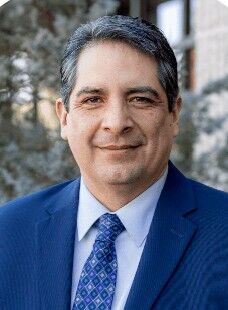
By Jason DeaBueno
Last winter, one of the older adults we serve at Silver Key shared something that has stayed with me. She begun turning her heat down at night — not because she wanted to, but because she was worried about her electric bill.
For many older adults living on fixed incomes, that kind of choice is becoming more common.
Through our work at Silver Key in Colorado Springs, we serve thousands of elders every year. Many have spent decades contributing to our community — raising families, serving in the military, volunteering and building the very neighborhoods we all benefit from today. But increasingly, we are seeing more older adults struggling to keep up with the rising cost of living.
Housing costs continue to climb. Food prices have increased dramatically in recent years. Health care expenses grow steadily. For older adults living on fixed incomes, these increases leave little room for unexpected expenses or sudden price changes.
Utility costs are now adding another layer of financial pressure.
For many older adults, the monthly electric bill is not simply another line in the household budget. It can be the difference between paying for medications, groceries, or rent. When essential expenses rise too quickly, elders often have no way to increase their income to compensate.
We see the warning signs across our community. Since 2019, El Paso County has led the state in applications for the Low-income Energy Assistance Program. Colorado Springs Utilities has also reported significant increases in requests for payment assistance. Behind those numbers are real people making difficult decisions about how to stretch limited resources.
Colorado has made important commitments to clean energy and reducing greenhouse gas emissions. Those goals matter. Clean air, environmental stewardship and long-term sustainability are important for future generations.
But the path toward those goals must also be affordable for the people living here today.
Policies that dramatically increase the cost of essential services like electricity can place disproportionate strain on older adults and other vulnerable residents. When people living on fixed incomes face sudden or steep increases in basic expenses, the consequences can affect their health, their independence, and their ability to remain in their homes.
Senate Bill 26-022 attempts to address that challenge by recognizing the need to balance environmental progress with affordability and reliability. The bill allows utilities facing significant challenges meeting current clean energy timelines to adjust their planning while placing guardrails on the pace of electric rate increases.
Silver Key does not take positions on energy policy itself. But we do advocate for policies that protect affordability and stability for older adults.
For elders living on fixed incomes, predictability matters. A steady, manageable cost for essential services like electricity allows people to budget, plan, and maintain their independence. Large or sudden increases in those costs can quickly destabilize households that already operate with very little financial margin.

Colorado can continue moving toward a cleaner energy future while also protecting the residents who helped build our communities. Affordability, reliability and sustainability should not be competing priorities. With thoughtful policy decisions, they can move forward together.
For the older adults we serve every day at Silver Key, the affordability of basic utilities is not an abstract policy discussion. It is a daily reality that affects their ability to age safely and independently in the community they call home.
As lawmakers continue shaping Colorado’s energy future, I hope they will keep those residents in mind.
Jason DeaBueno is a Colorado Springs native and serves as president and chief executive of Silver Key, leading efforts to strengthen community impact and enhance the lives of older adults. He is a licensed clinical social worker with master’s degrees in business and social administration.


Colorado districts prepare for school year amid mental health cuts. But will less cellphone distractions help?
Marissa Ventrelli
marissa.ventrelli@coloradopolitics.com
Updated 3 days ago
The signs of a new school year are everywhere — buses in the shop, teachers unpacking boxes, families ticking through supply lists — but behind the familiar rituals, Colorado districts are preparing for a year defined less by routine than...

Surprise candidate Shimon Blau cleared to face off against Melat Kiros in November
Ernest Luning
ernest.luning@coloradopolitics.com
Updated 2 days ago
Unaffiliated congressional candidate Shimon Blau, a Denver doctor, has qualified by petition for the general election in Colorado’s 1st District, where Democrat Melat Kiros defeated 15-term U.S. Rep. Diana DeGette in last month’s primary, the Colorado Secretary of State’s Office...

UNC opens College of Osteopathic Medicine
Marissa Ventrelli
marissa.ventrelli@coloradopolitics.com
Updated 2 days ago
The University of Northern Colorado held a grand opening for its new College of Osteopathic Medicine on Friday, with Gov. Jared Polis in attendance to celebrate the culmination of a two-year, $127.5 million project. The project was funded through legislation...

Victor Marx, GOP candidate for governor, faces 100-plus campaign finance complaints
Marianne Goodland
marianne.goodland@coloradopolitics.com
Updated 2 days ago
Victor Marx’s gubernatorial campaign has been hit with more than 140 campaign finance complaints, although most have been consolidated by the state’s election office because they follow similar alleged violations. Marx faces Attorney General Phil Weiser, who won the Democratic...

Primary voters rejected big money in politics | Paula Noonan
Paula Noonan
paula-noonan@coloradopolitics.com
Updated 2 days ago
While we’re in an election campaign lull between now and Labor Day, we have time to consider the impact of $102 million in campaign contributions in the primary. In the general election, more money will fill candidate campaign coffers, and...

DOJ sues Colorado to overturn in‑state tuition for students living in the country illegally
Marianne Goodland
marianne.goodland@coloradopolitics.com
Updated 2 days ago
The U.S. Department of Justice has sued Colorado to dismantle a decade‑old law that grants in‑state tuition to students living illegally in the United States, setting up a high‑stakes clash over immigration policy. In 2013, after more than six tries...
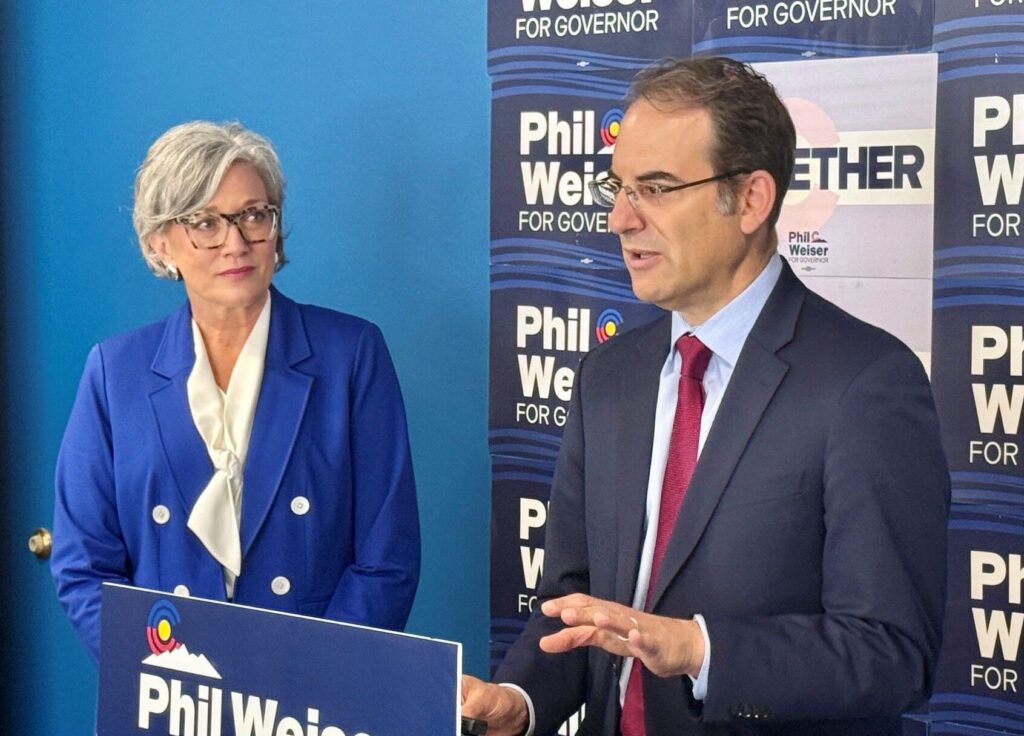
Jefferson County to fill commissioner vacancy after Dahlkemper tapped for lieutenant governor
Matt Kyle
matt.kyle@denvergazette.com
Updated 3 days ago
Democratic gubernatorial nominee Phil Weiser on Wednesday announced that Jefferson County Commissioner Lesley Dahlkemper would be his lieutenant governor, meaning she would be leaving her commissioner seat open should he win the race in November. However, Dahlkemper’s term was already...

New wolf pack confirmed in Eagle County, marking 4th Colorado pack with pups this year
Marissa Ventrelli
marissa.ventrelli@coloradopolitics.com
Updated 3 days ago
A new gray wolf pack has formed in Eagle County, Colorado Parks and Wildlife announced on Wednesday. Known as the Piney Ridge Pack, it is the fourth pack of gray wolves in the state to have produced pups this year....
Colorado’s primary proved in this political climate money doesn’t buy electoral happiness | Paula Noonan
Paula Noonan
paula-noonan@coloradopolitics.com
Updated 3 days ago
To catch you up, campaign committees from this 2026 election cycle already collected and shoveled out a lot of cash: $102.64 million. That’s contributions in all forms — dollars, in kind, loans, etc. — from December 2024 to now. Total...
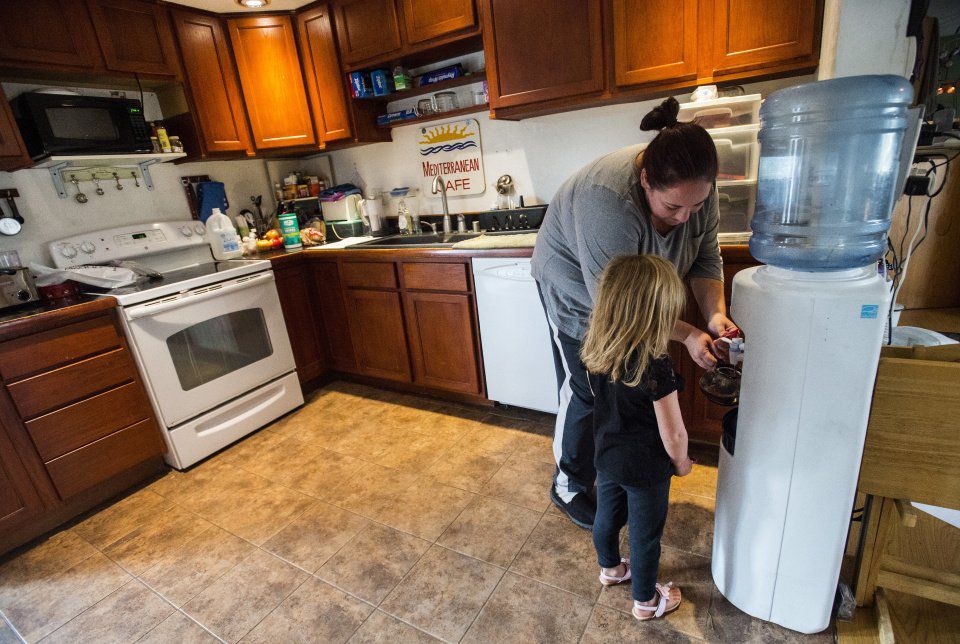
Colorado housing laws take effect, expanding tools for affordable and workforce housing
Marissa Ventrelli
marissa.ventrelli@coloradopolitics.com
Updated 1 day ago
New housing laws taking effect on Aug. 12 in Colorado aim to boost affordability, improve homelessness response and ensure safer water systems for mobile‑home communities. The first bill, Senate Bill 001, allows municipalities to sell county- or town-owned property to...
PREV
PREVIOUS

Why Denver should care about conservation easements — even if you’ve never set foot on a ranch | OPINION
By Jason Swann I live in Denver. I drink tap water from my kitchen sink, hike close to home when I can, worry about wildfire smoke every summer, and try, like many families, to keep up with the rising cost of living. I don’t own land. I don’t ranch. I don’t farm. And yet one […]

Democrats want to bar use of consumer data to set Colorado prices, employee wages
A closely divided House committee advanced a bill aimed at curbing the use of personal data to set individualized prices and wages, reviving a proposal that failed last year and setting up a broader debate over how far the state should go in regulating algorithm-driven business practices. Proponents argued that the proposed new regulations are […]