

Processing plants are an important piece of the ag puzzle | Rachel Gabel
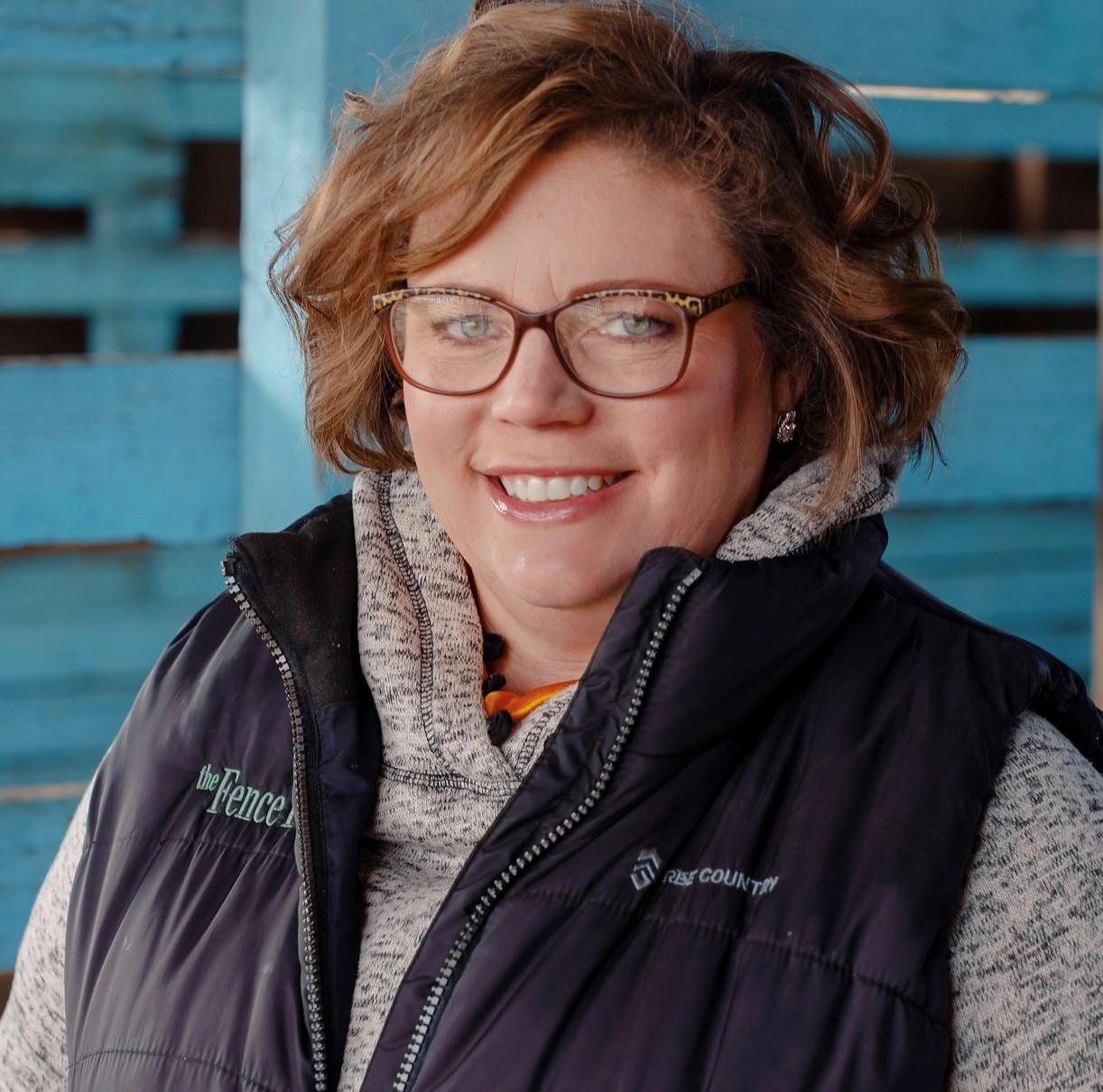
Concrete barricades blocked the entrance to the Cargill beef plant in Ft. Morgan, Colo., on May 20. About 1,700 workers had been locked out by the company after months of contract negotiations ended with workers voting to reject the company’s last and best offer by a large margin. The workers who couldn’t report to work reported to the Teamsters Local 455 office in Ft. Morgan. Because the employees make up about 20% of the town’s labor force, the gathering had to be moved to a larger space to allow traffic to pass through downtown. The coffeeshop talk might be about something else, but I doubt it.
While contract disputes came to a head last week, the plant has been noticeably quiet for about a month. Cargill said the company diverted cattle to other plants and initiated the lockout because continued uncertainty around a potential work stoppage creates challenges to operating safely, responsibly and reliably. As somewhat of a local, I can confirm that when the trucks needed to haul over 25,000 head per week in and haul out retail-ready boxed beef aren’t rumbling through town, it doesn’t go unnoticed.
At full capacity, the Ft. Morgan plant has a daily harvest of 4,700 head per day, and a work stoppage would have left animals both on the hoof and the hook in limbo. In 2020, I interviewed Cargill team members who were navigating closures and employee health and an absolute supply chain shakeup that threatened to topple some of the giants of meat packing. Looking back, I can’t think of a job I would want less than a 2020-era spokesperson for a Big Four meat packer.
At that time, restaurants were closed or offering a no-contact menu, grocery stores were struggling to keep shelves stocked, and the demand for beef was significantly affected by so many people transitioning from meals out to meals in. Workers were nervous, and line speeds were slowed to allow for additional space and physical barriers between workers. Packing plants used infrared temperature screening for employees and encouraged hydration and quarantine when sick in each of the hundreds of languages spoken on the production lines.
The workers held the cards. The national cattle herd was solid, feedyards were finishing cattle, and they needed somewhere to harvest cattle and process beef. The Ft. Morgan plant shifted to a single shift, dropping harvest capacity from 4,400 head to 2,300 head daily. Slowed slaughter resulted in bigger cattle, which complicated the logistics of harvesting and processing, increased the cost of feeding one to harvest, affected trucking, and generally put the cattle industry in a tizzy.
In late 2025, Tyson announced the closure of a beef plant in Lexington, Neb., due to the tight cattle supply the industry is still experiencing. After the Lexington facility closed, Cargill announced a $90 million investment in its Ft. Morgan plant to improve automation and yields. Of that, $40 million was invested in a new 81-unit apartment complex as part of a housing initiative, in addition to another 27 townhomes. This housing is not owned by Cargill, but intended to address the housing shortage in the town.
Like many towns in Colorado, Ft. Morgan was built by and continues to be supported by agriculture. The town has a rich history in sugar beet production and processing and is also home to Leprino Foods.
The county, with its population of less than 30,000 and with about 600,000 acres in ag production, has multiple dairies, feedyards, small to midsized meat packers, including the state’s newest lamb processor, cold storage facilities, crop and forage production, a livestock market, and other ag operations that generate about $766 million annually. Cargill is the county’s largest employer, employing more than four times as many people as the second company on the list. Four of the top ten employers are agriculture-related, five if you count The Wal Mart.
This time, the cards once in workers’ hands seem to be fluttering to the floor, not firmly in anyone’s grasp. There aren’t enough slaughter-ready cattle to keep the plants operating and there won’t be for another year, maybe two or more. The packing industry is relatively nimble, able to divert cattle to different plants. The cattle feeders are eager to sell fat cattle when they have them, but they don’t. This has resulted in higher prices for cattle producers, who are able to take a tiny breath, but honestly, it’s so dry that the weight of short pasture and feed supplies outweighs the excitement of high prices. A tremendous amount of pasture in Colorado, Nebraska, New Mexico, and Oklahoma has burned just in the past few weeks and the remaining pastures are dry. The wheat fields that would normally be cut in July, are headed out and on very short stems. Some corn is beginning to emerge, but the irrigation water is dismal.
I can’t speak for the employees on the production line at processing plants like the one in Ft. Morgan, but I can say that they are an important piece of the puzzle. The companies that employ them are important, as are the trucking companies, ranchers, grocers, feeders, and consumers. This time period is an ongoing black swan event of things I certainly didn’t have on my Bingo card. If nothing else, this again confirms the importance of all the links in the food supply chain and of praying for rain.
Rachel Gabel writes about agriculture and rural issues. She is assistant editor of The Fence Post Magazine, the region’s preeminent agriculture publication.

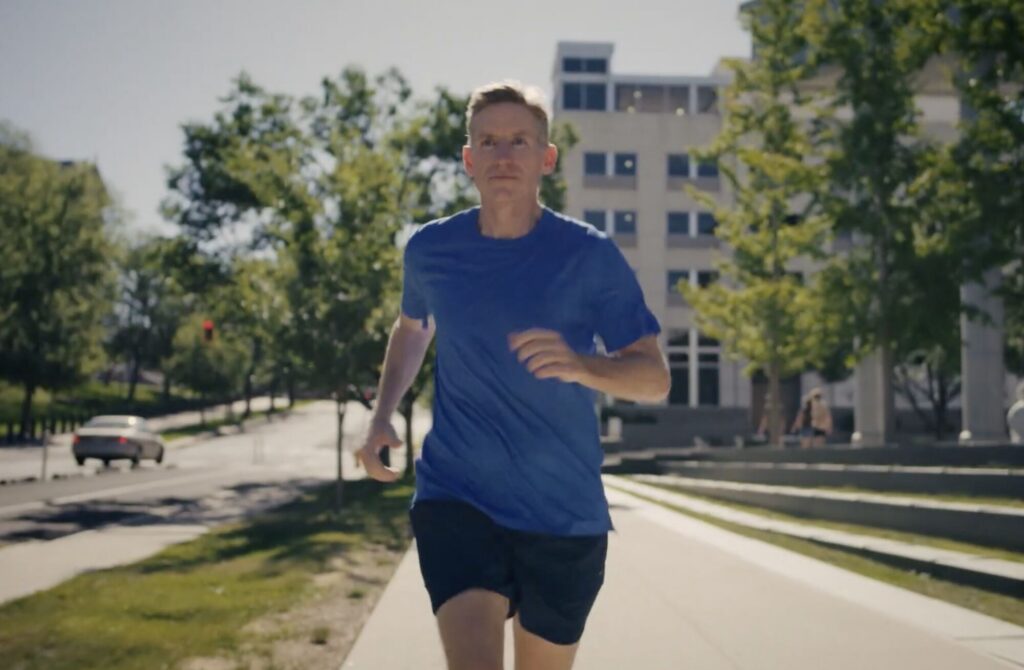
Michael Dougherty is literally running for attorney general in Colorado Democrat’s 1st TV ad
Ernest Luning
ernest.luning@coloradopolitics.com
Updated 39 minutes ago
Democratic attorney general candidate Michael Dougherty, the Boulder County district attorney, runs laps around the judicial complex in Denver that houses the office he’s seeking in a TV ad released Friday that includes a subtle dig at one of his...
Group aims to add right to hunt and fish to Colorado Constitution
Marissa Ventrelli
marissa.ventrelli@coloradopolitics.com
Updated 4 hours ago
A group is seeking to make Colorado the 25th state in the nation with an established constitutional right to hunting and fishing through a proposed ballot initiative. Backed by the International Order of T. Roosevelt, a group dedicated to preserving...
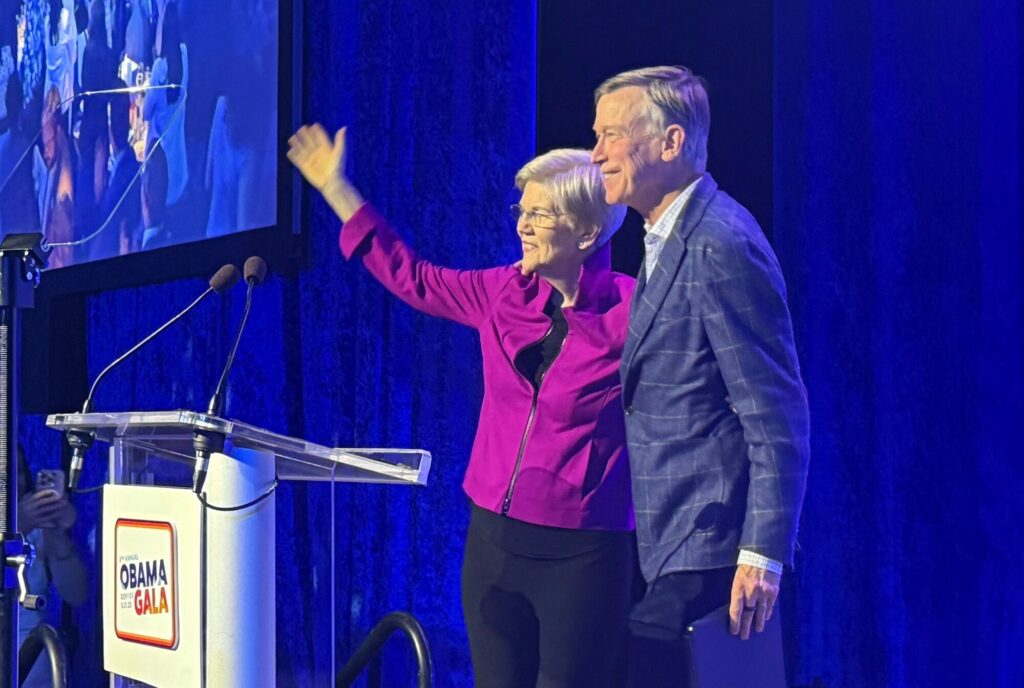
Hickenlooper lands endorsements from Elizabeth Warren, Ministerial Alliance in US Senate primary
Ernest Luning
ernest.luning@coloradopolitics.com
Updated 21 hours ago
U.S. Sen. John Hickenlooper won endorsements this week from a progressive Democratic colleague and a coalition of metro-area African American faith leaders as voting began in Colorado’s primary election. U.S. Sen. Elizabeth Warren of Massachusetts and the Greater Metro Denver...

House District 14: Businesswoman, consultant square off in GOP primary
Mary Shinn
mary-shinn@coloradopolitics.com
Updated 1 day ago
Firearms training company owner Ava Flanell will face Troy Vanderhule, the chief fundraising officer for Dobson Philanthropic, in the June 30 Republican primary for state House District 14, an area in northern Colorado Springs. Flanell was appointed to the seat...
Colorado’s role in Spirit Airlines’ demise should not be ignored | GUEST COLUMN
Colorado Politics
colorado-politics@coloradopolitics.com
Updated 2 days ago
By Robin Rossenfeld At a time when Colorado families are already struggling with rising transportation costs, the collapse of Spirit Airlines could not come at a worse moment. According to the U.S. Bureau of Labor Statistics, prices in the Denver-Aurora-Lakewood...
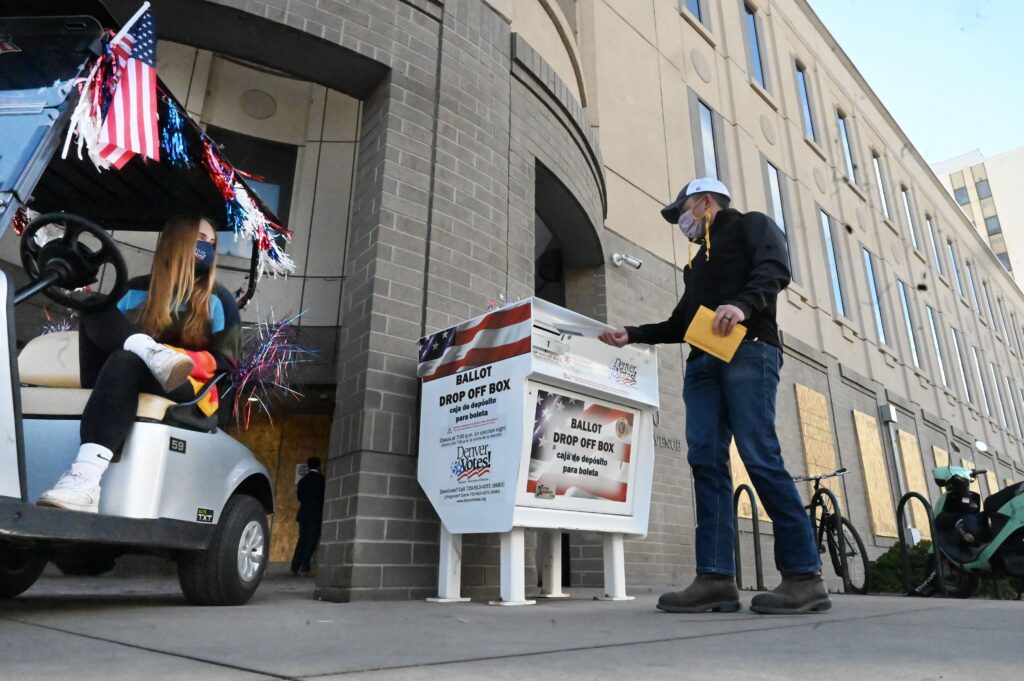
As number of unaffiliated voters grow in Colorado, experts note patterns, behavior
Marissa Ventrelli
marissa.ventrelli@coloradopolitics.com
Updated 21 hours ago
For the first time in Colorado’s history, more primary ballots are going to voters without a party affiliation than to registered Democrats or Republicans. As such, political experts said, candidates today need to appeal to a new block of people...

Bennet campaign finance case delayed again as Colorado Elections Division amends complaint
Marianne Goodland
marianne.goodland@coloradopolitics.com
Updated 2 days ago
A campaign‑finance complaint alleging that U.S. Sen. Michael Bennet’s Senate committee improperly paid for travel tied to his gubernatorial bid won’t get a public hearing until after the June 30 primary. The latest development followed months of delays and a...
How would Weiser, Bottoms, Bennet, Kirkmeyer address Colorado’s affordability problem? | Paula Noonan
Paula Noonan
paula-noonan@coloradopolitics.com
Updated 2 days ago
It’s decision time in Colorado as primary election ballots hit mailboxes this week. Democrats will pick their candidates in every statewide race, and Republicans select candidates for governor and Attorney General. GOP operatives wanted to exclude unaffiliated voters from their...

The new Trustees Report is a wake-up call for Congress | GUEST COLUMN
Colorado Politics
colorado-politics@coloradopolitics.com
Updated 2 days ago
By Sara Schueneman Every year, the Social Security Trustees Report provides an important snapshot of the long-term outlook for one of America’s most popular and important initiatives. This year’s report sends a clear message: Congress needs to act. The latest...
Flat or graduated income tax? Colorado groups push dueling measures for November election
Marissa Ventrelli
marissa.ventrelli@coloradopolitics.com
Updated 17 hours ago
Colorado voters could face two opposing income-tax measures on the November ballot, with the dueling campaigns seeking to advance proposals that would take the state in sharply different fiscal directions. One initiative seeks to replace Colorado’s flat income tax with...
PREV
PREVIOUS

As AI advances, are the accompanying cultural advances for the better? | Miller Hudson
You may have noted Elon Musk was in court suing Sam Altman of OpenAI. If you were praying there was a way both of these greed bros could lose, you nearly got your wish. Emails exchanged between the parties reflect well on no one. Altman originally reached out to Musk for start-up funding to launch […]

The history, and future, of extinction in Colorado | GUEST COLUMN
By Eric Washburn When I was a kid growing up in Aurora in the late 1960s and early 1970s, one of my favorite things to do was to go to the Denver Museum of Natural History and spend countless hours wandering around looking at the dinosaurs. That experience challenged my imagination to envision these massive […]