

Bills on ballot access, dual office ban move swiftly through Colorado legislature
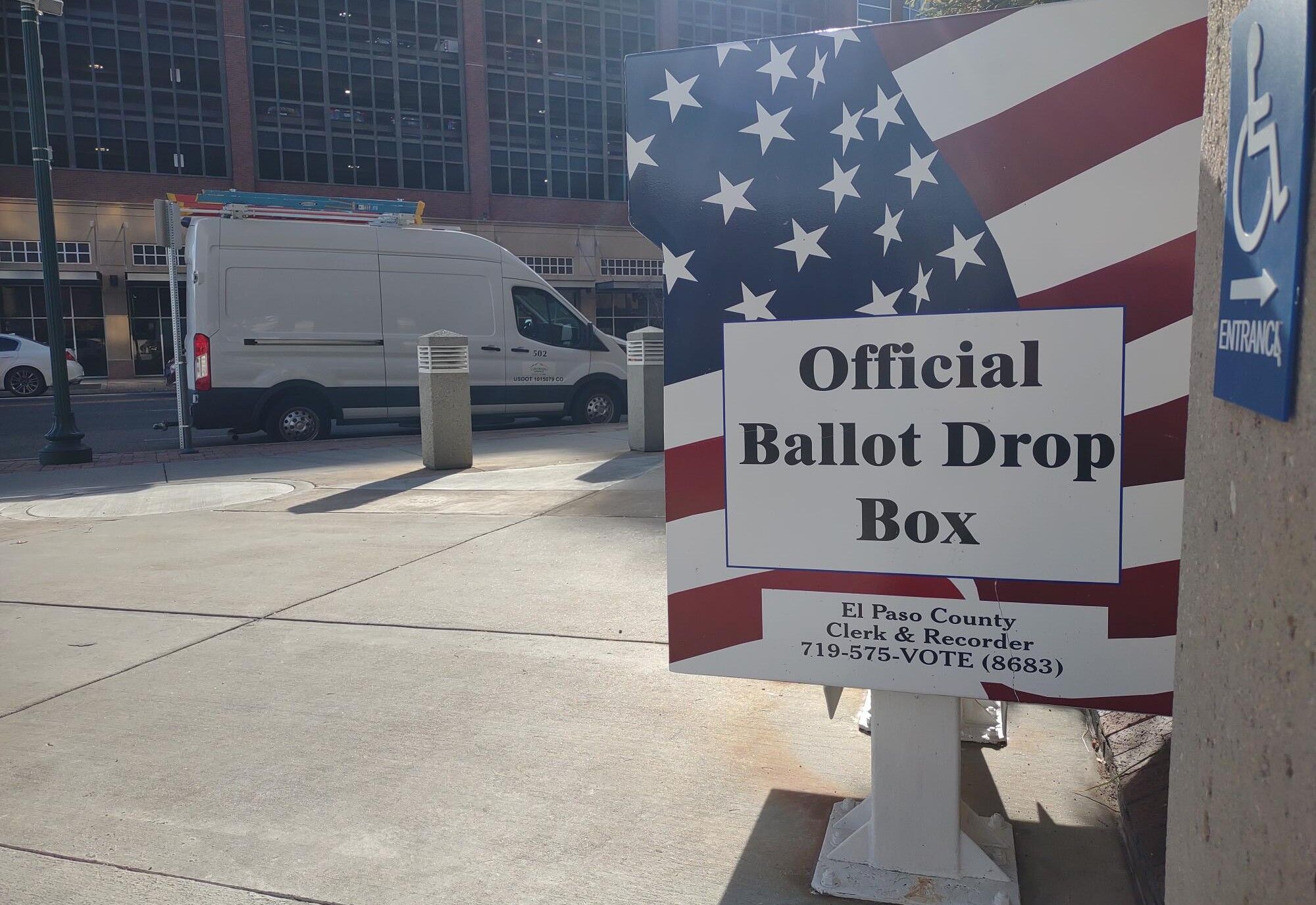
With an eye on the 2026 election cycle and mounting tensions with the Trump administration, Colorado lawmakers are fast-tracking a pair of election bills they say will protect the state’s mail ballot system and tighten rules for elected officials.
The measures, one that expands ballot access timelines and another that bars lawmakers from holding multiple elected offices, cleared their originating chambers this week.
The House, on a party-line vote, signed off on House Bill 1113. While much of the bill is an annual clean-up of elections law, it also aims to address concerns that ballots mailed to county clerks by voters through the U.S. Postal Service could be delayed by recent rule changes supported by the Trump administration.
Specifically, the Postal Service will no longer postmark mail on the day it is received, leading several groups to worry that voters will need to mail their ballots days in advance to account for the new postmark rule.
According to Bolts, a digital magazine covering politics, 14 states and the District of Columbia require that mail ballots be postmarked by a specific day, often Election Day.
Colorado, however, is not one of them. According to the Secretary of State’s elections calendar and state law, county clerks must receive all ballots by 7 p.m. on election day in order to be counted.
As for ballots cast by military and overseas voters, they must be sent no later than 7 p.m. on election day and they must received by end of business on the 8th day after the election.
Under HB 1113, drop-off locations for ballot boxes will be ready for ballots 22 days before the election, up from 15 days in the current law.
Ballots would be mailed to voters 29 days before the primary and general elections, up from 22 days. Both are intended to give voters more time to submit their ballots.
The bill also removes mail as an acceptable method for submitting certain information.
That includes notifying election judges that they’ve been appointed and accepting that appointment or using mail for the Secretary of State to send county clerks a written certificate of the ballot order and content for each county.
During testimony on HB 1113 last month, co-sponsor Rep. Emily Sirota, D-Denver, said the bill is largely a technical cleanup but added it will address other issues, such as long lines sometimes found at voting service centers.
According to Sirota, much of the bill came from the county clerks.
Rep. Chad Clifford, chair of the House State, Civic, Veterans and Military Affairs Committee, ready from an email circulated to members that claimed that the measure, in fact, proposes more than just a “clean up.”
“This is not a modernization bill; it makes sweeping changes to election systems,” including lengthening ballot circulation timelines, expanding drop box access, and weakening voter challenge mechanisms, Clifford quoted the the email as saying.
Sirota said the intent was to increase access but disagreed with the other assertions in the email.
“Stolen elections have consequences and you are the proof,” said Jeany Rush, who frequently testifies on election bills and who dedicated her testimony to convicted felon and former Mesa County Clerk Tina Peters.
Candice Stuztreim of Colorado Springs, a canvass board member in El Paso County, called the bill the Secretary of State’s “parting gesture” as an effort to claw back territory in response to federal attempts to enact greater scrutiny over elections.
Other witnesses testified they didn’t like the expansion of drop box availability or the addition of more days to return ballots.
Members of the Colorado County Clerk and Recorder Association testified in an amend position, supporting changes offered by the sponsors and as suggested by the clerks.
On Monday, Republicans offered a half-dozen amendments during debate on the floor; none of them passed.
Rep. Mary Bradfield, R-Colorado Springs, offered an amendment to require the Secretary of State to verify voter change-of-address information through a third-party credit bureau.
That was contained in a bill the state affairs committee rejected on Feb. 23.
HB 1113 won preliminary approval on Monday and a final 41-22 vote on Tuesday.
The second election bill to move from its original chamber is Senate Bill 59, which would bar future members of the Colorado General Assembly from serving in more than one elected office at a time.
Five current legislators have served in more than one office. At least two — Reps. Max Brooks, R-Castle Rock, and Lori Goldstein, D-Westminster — currently hold more than one elected office.
The bill had a quick hearing on Feb. 24 and was added to the Senate’s Monday consent calendar, meaning the sponsors didn’t expect any opposition or debate.
Sen. Lisa Cutter, D-Littleton, offered an amendment to ensure the bill did not affect current lawmakers and to add an exemption for special districts or lawmakers with less than a year remaining in another elected office.
“When you’re in this building, your constituents need your full attention,” said Sen. Matt Ball, D-Denver, who also raised the concern around conflicts of interest.
“We owe it to the people we represent,” Ball said, adding they are the boss.
SB 59 passed on a 26-9 vote on Tuesday.

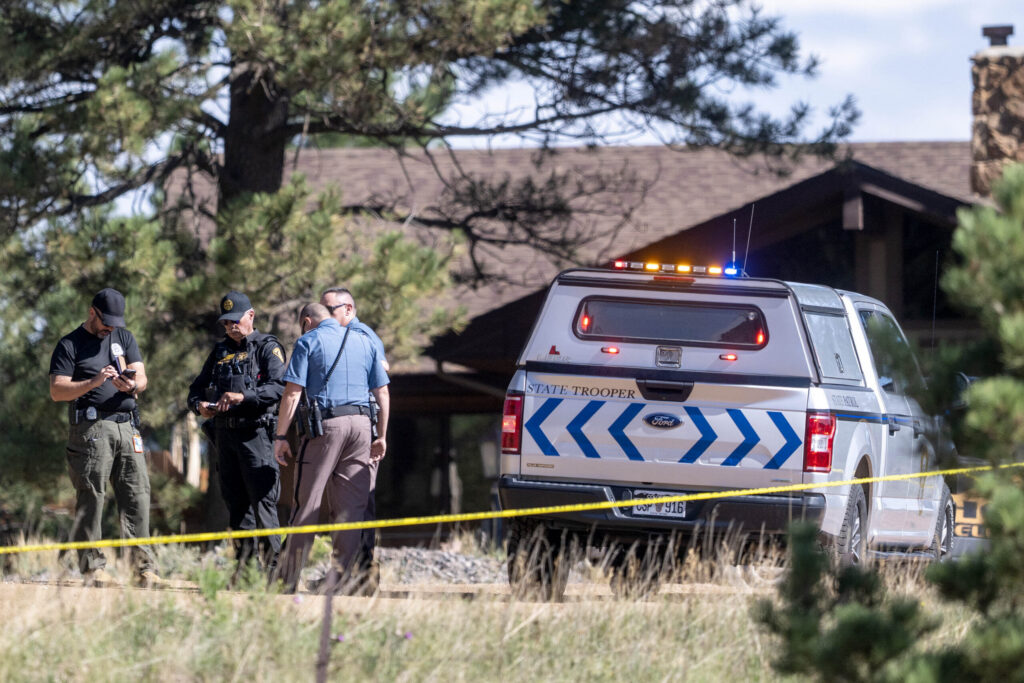
2 Colorado State troopers shot near Woodland Park; suspect killed
DEBBIE KELLEY
debbie-kelley@coloradopolitics.com
Updated 14 minutes ago
Two Colorado State Patrol troopers were hospitalized, and a suspect is dead after a shooting during a traffic stop Tuesday. The initial incident happened at about 7:15 a.m., when a resident reported suspicious activity in the area near milepost 286...

Aurora moves forward with data center regulations
Kyla Pearce
kyla.pearce@gazette.com
Updated 25 minutes ago
The Aurora City Council approved moving forward with two new regulations on data centers and directed staff to come back at the next study session with others. At a council meeting in early August, council members directed city management to...

Aurora City Council considers stricter food truck regulations
Kyla Pearce
kyla.pearce@gazette.com
Updated 24 minutes ago
The Aurora City Council is considering passing laws to limit the number of food trucks on properties in the city and how and when they operate. Councilmember Angela Lawson, who sponsored the ordinance, said she understands the importance of food...
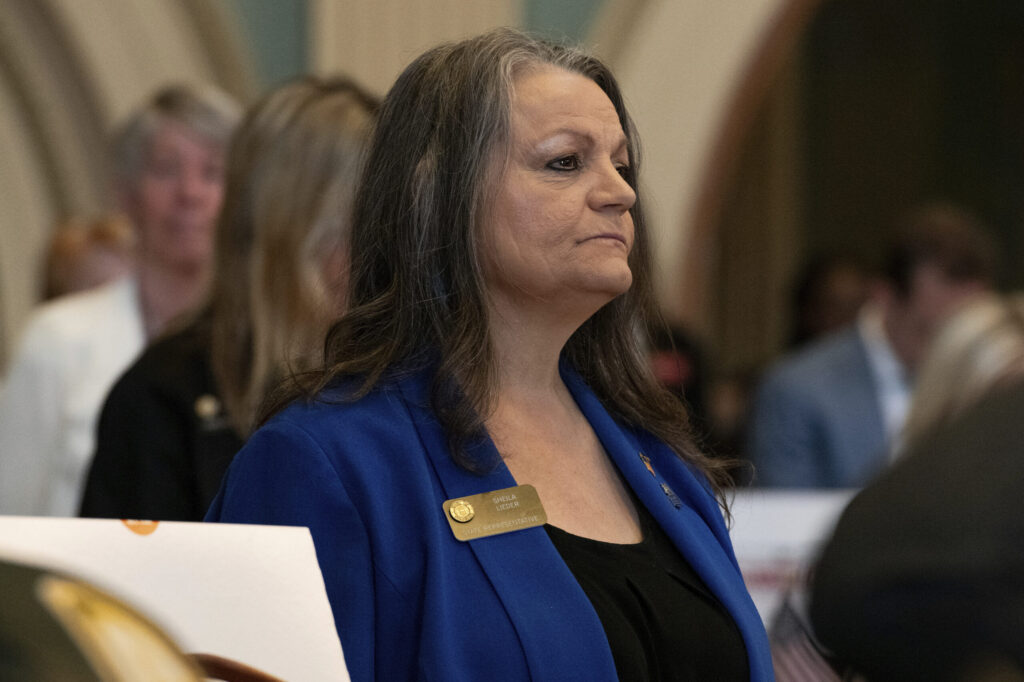
Colorado lawmaker, House leaders named in workplace-retaliation lawsuit
Marianne Goodland
marianne.goodland@coloradopolitics.com
Updated 1 hour ago
A former legislative aide has filed a lawsuit alleging she was mistreated, illegally directed to perform campaign work and harmed by a House leadership structure she charged was fragmented, politicized and ineffective at protecting employees. The lawsuit, filed by Jennifer...

Denver auditor finds oversight failures in $175.6M 16th Street project
Nico Brambila
nico.brambila@denvergazette.com
Updated 18 minutes ago
Surprise historic sewer discovery delayed completion a year, cost $18M The Denver Auditor recently found significant oversight and contracting problems with the $175.6 million 16th Street Improvement Project, including an $18 million contract increase and a nearly one-year extension that...

Denver Public Schools welcomes 89,000 students back to the classroom
Elizabeth Pond
elizabeth.pond@denvergazette.com
Updated 15 minutes ago
A swarm of students — some happily greeting teachers and reuniting with friends, others nervously clinging to their parents’ legs and rubbing bleary eyes — kicked off the first day of the new school year on Monday at Newlon Elementary...

Healthcare Freefall: Longer drives, fewer options for maternity care in Colorado
Thelma Grimes
thelma.grimes@coloradopolitics.com
Updated 1 day ago
Editor’s Note: Colorado’s healthcare system is entering a period of accelerating instability — a “tsunami,” as multiple leaders describe it — driven by collapsing hospital finances, shrinking Medicaid reimbursements, disappearing services and a political fight over who is responsible for...
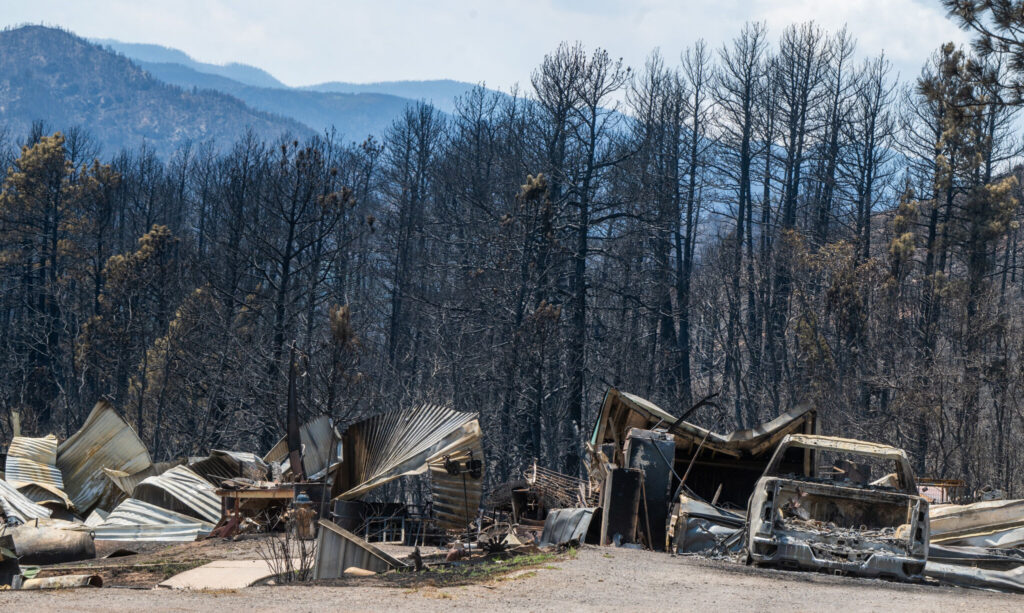
Polis requests federal disaster declaration for Colorado wildfires and floods
9News
9news@coloradopolitics.com
Updated 23 hours ago
On Sunday, Gov. Jared Polis officially requested a Major Disaster Declaration from President Donald Trump and the Federal Emergency Management Agency to support recovery from two wildfires and the subsequent flooding and debris flows on both burn scars. Polis requested a declaration...
Operation Foster helps ensure troops can return home to their pets
Mary Shinn
mary-shinn@coloradopolitics.com
Updated 1 day ago
As more troops have been sent overseas, more pets are in need of temporary care while they await their owner’s return home. Operation Foster, a nationwide nonprofit, helps provide some of that care by connecting service members with volunteers willing...
Operation Foster helps ensure troops can return home to their pets
Mary Shinn
mary-shinn@coloradopolitics.com
Updated 1 day ago
As more troops have been sent overseas, more pets are in need of temporary care while they await their owner’s return home. Operation Foster, a nationwide nonprofit, helps provide some of that care by connecting service members with volunteers willing...
PREV
PREVIOUS
Colorado GOP chair Brita Horn loses ‘no-confidence’ vote, vows to refocus on ‘mending that divide’
The Colorado Republican Party’s state central committee approved a resolution expressing “no confidence” in state chair Brita Horn in a landslide late Monday night near the end of an online meeting marked by rancor and confusion. Almost 80% of the state GOP’s governing body voted for the symbolic measure at a meeting Horn called in […]

Gov. Jared Polis, Upper Basin states criticize federal draft plan for managing the Colorado River
With no agreement among the seven Colorado River states, which missed multiple federal deadlines, the Upper Colorado River Commission on Monday sharply criticized the U.S. Department of the Interior’s draft plan for managing the river after the current guidelines expire this year. The critics accused federal officials of exceeding their authority and of relying on […]