

Colorado Supreme Court suspends rules for ‘Indian child’ welfare cases

The Colorado Supreme Court suspended its rules last week that govern how judges handle custody cases when an “Indian child” is involved.
The court’s move came after the legislature enacted extensive changes this year, partially in response to Supreme Court decisions that afforded a lower degree of protection to children and families with tribal, or potential tribal, lineage.
“It may well be that the statute is comprehensive and no additional rules are necessary,” Justice Richard L. Gabriel, who signed off on the Nov. 6 order suspending the rules, told Colorado Politics. But “there may be some gaps in the statute where some rules would be beneficial, and the rules committee will recommend to the court those rules.”
Under the federal Indian Child Welfare Act of 1978, or ICWA, child welfare cases trigger protections of tribal interests when they involve an Indian child, meaning one who is a citizen of a tribal nation or who is eligible for membership through their parent. If state judges know or have “reason to know” a child is American Indian, the law’s provisions apply — including the obligation to notify the child’s tribe.
Congress enacted ICWA after revelations that states were removing large numbers of American Indian children from their households into non-tribal families and institutions — accounting for up to 35% of tribal children. But in the face of a U.S. Supreme Court challenge that would potentially gut the provisions of ICWA, Colorado lawmakers moved in 2023 to enshrine the then-existing federal protections into state law.
Although the nation’s highest court allowed ICWA to stand, state lawmakers returned this year to craft Colorado-specific protections for tribal children and families in custody matters.
“We’ve taken a stab at writing our own Indian Child Welfare Act language,” Sen. Jessie Danielson, D-Wheat Ridge, explained at a committee hearing.
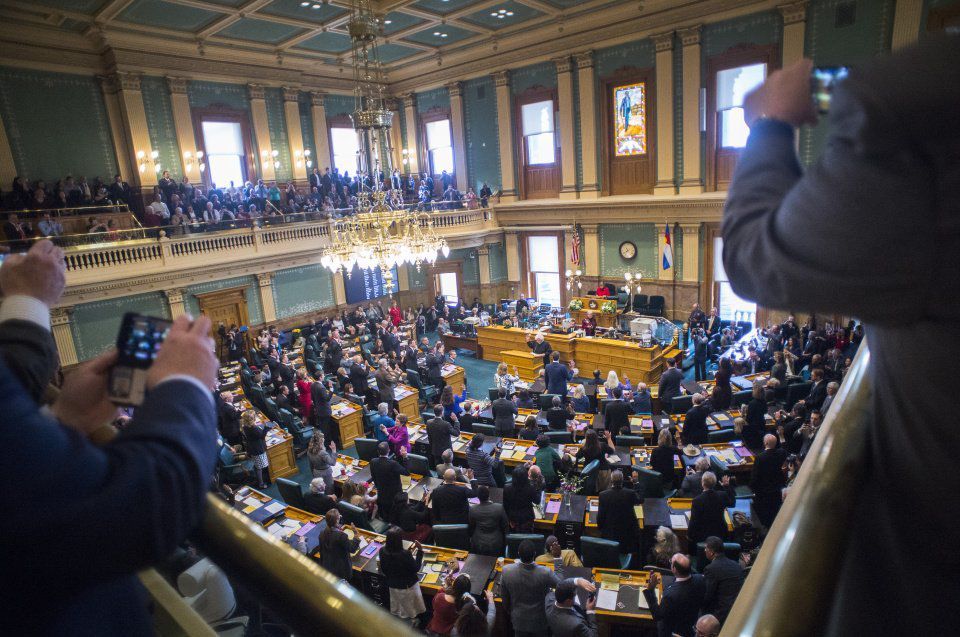
Melanie Jordan, policy director for the Office of Respondent Parents’ Counsel, which represents indigent parents in child welfare cases, told lawmakers that House Bill 1204 was aimed in part at overturning recent state Supreme Court decisions interpreting ICWA’s requirements.
For example, in 2022, the Supreme Court ruled a family member’s assertion that a child has tribal lineage does not, by itself, give trial judges “reason to know” that the child is subject to ICWA’s protections. The year prior, the court also concluded that counties have no obligation to assist children in enrolling as tribal citizens.
“The passage of this legislation is critical to correcting these and other narrow rulings,” Jordan testified.
Gabriel said that after HB 1204 took effect over the summer, an ICWA subcommittee for the court was concerned about conflicts between the existing judicial rules and the new law.
“What we decided to do, based on a recommendation from the subcommittee to the court, was to suspend the ICWA rules immediately,” he said. “The statute now governs.”
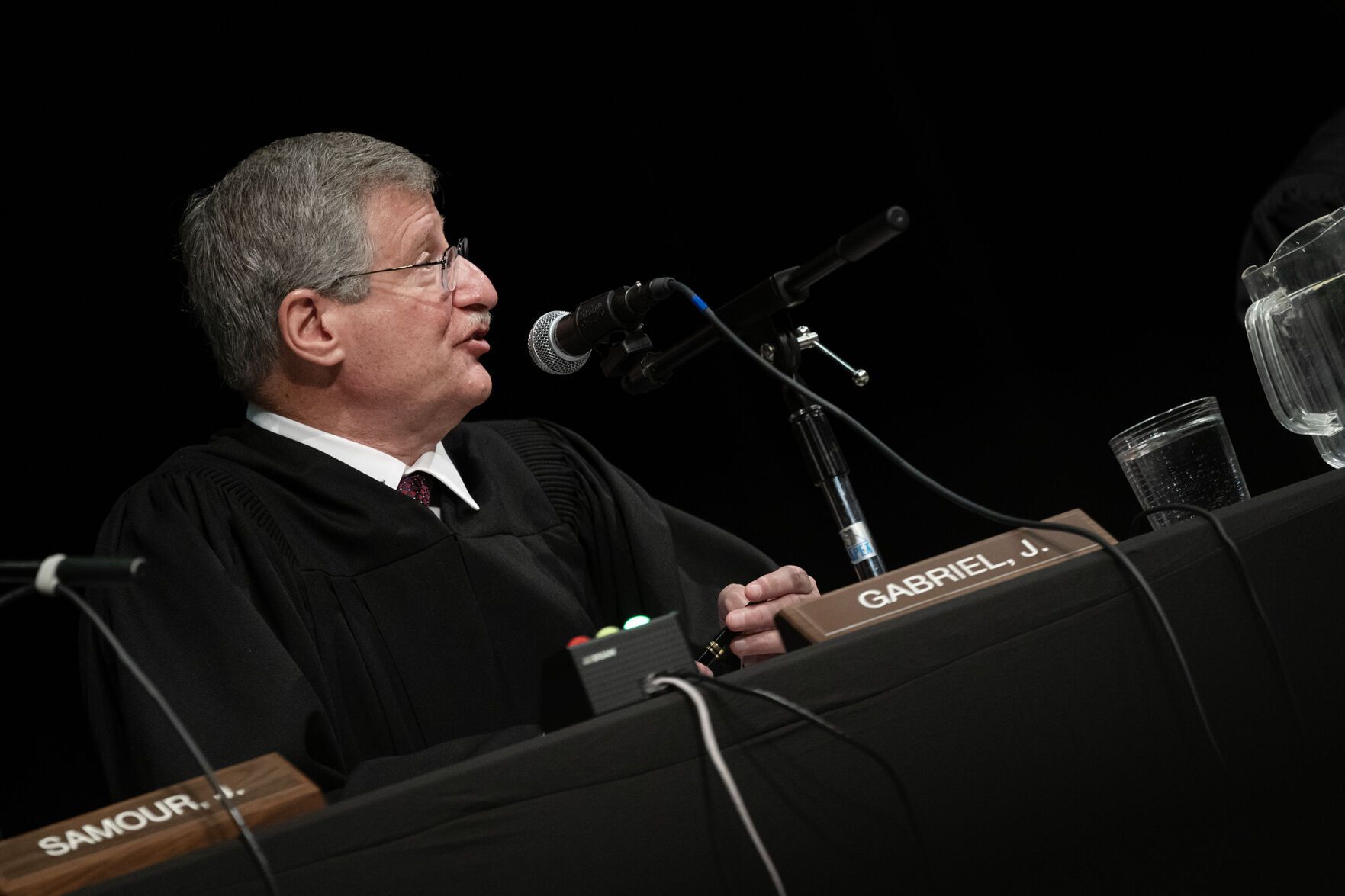
Gabriel added that the subcommittee also suggested, in the alternative, that the Supreme Court repeal the rules entirely. To date, Gabriel said he has not heard of any issues from lawyers or trial judges arising from the suspension of the rules.
“We welcome, and the ICWA subcommittee welcomes, feedback from the bar and any judges so we can address any concerns,” Gabriel said. “The subcommittee can’t know of every issue that’s going on.”
Zaven “Z” Saroyan, appellate director with the Office of Respondent Parents’ Counsel, said he did not anticipate any problems stemming from the rules suspension.
“In short, the new Colorado ICWA provides substantially increased protections over the federal ICWA, and the ORPC is very pleased to have such protections in place,” he said.
Chris Henderson, executive director of the Colorado Office of the Child’s Representative, said his office is a member of the ICWA subcommittee. Since the enactment of HB 1204, the significance of the existing rules “has been downgraded.”
“The ICWA rules were really meant to be a resource for parties and practitioners who did not have existing knowledge of ICWA — a place to start,” he said. “So, the suspension of the ICWA rules does not represent a change in substantive law.”
Justice Melissa Hart did not participate in the order suspending the rules.

Schoolchildren’s presence at child sex-related trial did not harm Arapahoe County defendant, appeals court says
Michael Karlik
michael.karlik@coloradopolitics.com
Updated 1 day ago
Colorado’s second-highest court decided on Thursday that the presence of a group of schoolchildren on the first day of a child sexual exploitation trial did not violate an Arapahoe County defendant’s constitutional right to a fair trial. Prosecutors charged Jerry...
Appeals court cites week-old Colorado law to reinstate child neglect case at child, father’s request
Michael Karlik
michael.karlik@coloradopolitics.com
Updated 1 day ago
Colorado’s second-highest court invoked a new state law for the first time on Thursday and reinstated a child neglect case that both the child and her father wished to reopen. House Bill 1227 took effect on Aug. 12, reversing a...
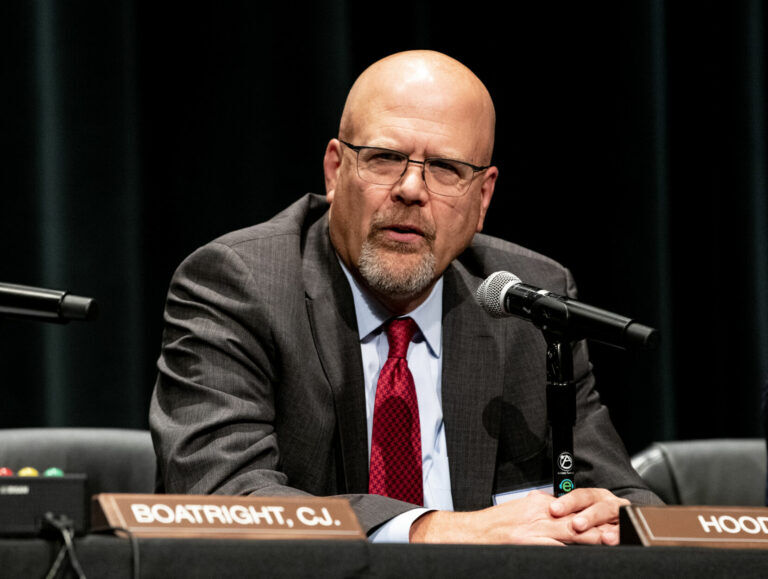
Colorado Supreme Court names William Hood as next chief justice
Michael Karlik
michael.karlik@coloradopolitics.com
Updated 2 days ago
The Colorado Supreme Court has selected Justice William W. Hood III to be the next chief justice, the judicial branch announced on Friday. Hood will succeed Chief Justice Monica M. Márquez, who took over the role in July 2024. “I...

Appeals court upholds Park County trophy hunting conviction
Michael Karlik
michael.karlik@coloradopolitics.com
Updated 2 days ago
Colorado’s second-highest court clarified on Thursday that a defendant may stand convicted under the state’s trophy hunting laws if he abandons a bear carcass but returns later to remove the meat. Under Colorado law, it is a felony to detach...
Judge grants partial injunction to GEO in fight against state health inspection law
Kyla Pearce
kyla.pearce@gazette.com
Updated 3 days ago
A judge ruled Thursday that The GEO Group does not have to follow parts of a new state law requiring more frequent health and safety inspections at the U.S. Immigration and Customs Enforcement processing center in Aurora. Under the order...
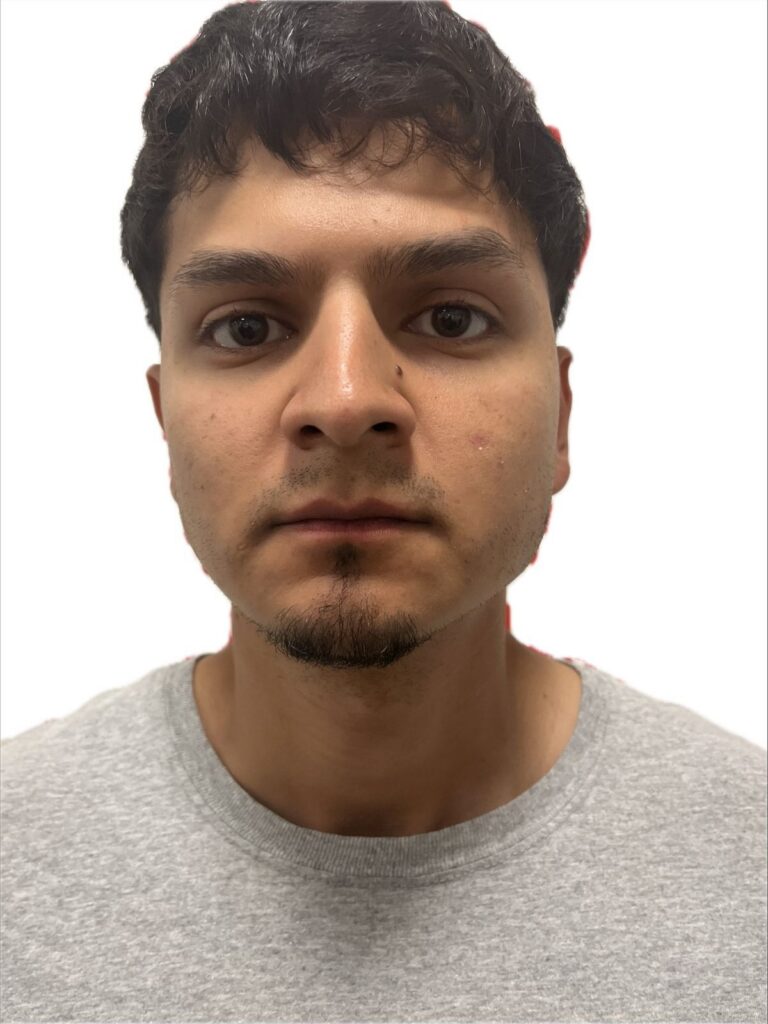
Parker man faces 20 years to life for serial sexual assaults
Nicholas Fogleman
nicholas.fogleman@denvergazette.com
Updated 4 days ago
A 25-year-old Parker man who sexually assaulted three women in 2025 pleaded guilty Wednesday and will serve 20 years to life in prison. Javier Rodriguez-Andrade pleaded guilty to charges stemming from three sexual assaults involving women ages 19 to 24. ...
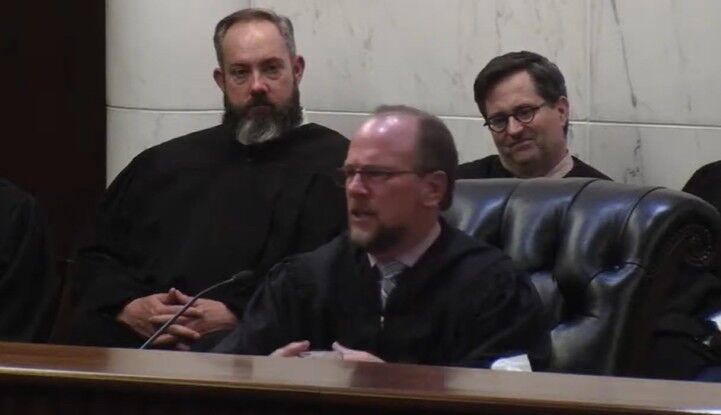
Divided appeals court upholds warrantless DNA collection in Colorado cold case, cautions of government overreach
Michael Karlik
michael.karlik@coloradopolitics.com
Updated 4 days ago
Colorado’s second-highest court upheld the warrantless collection of a suspect’s DNA from a discarded soda can as constitutional on Thursday, while warning about potential abuse of DNA privacy in the absence of further guardrails. By 2-1, a three-judge Court of...
Man charged in Northglenn homicide of wife
Matt Kyle
matt.kyle@denvergazette.com
Updated 4 days ago
A man has been formally charged with murder and burglary relating to a homicide last week in Northglenn. Alexei Munive-Rodriguez, 48, was arrested Sunday after he was at large following the homicide, which occurred Friday. Police were dispatched around 10:30...

10th Circuit grants immunity to officers for fatal Manitou Springs shooting
Michael Karlik
michael.karlik@coloradopolitics.com
Updated 3 days ago
The Denver-based federal appeals court ruled on Wednesday that responding officers from Manitou Springs and El Paso County cannot be held constitutionally liable for shooting and killing a man after a 20-minute standoff. Wilford Deweese allegedly pulled out a gun...
10th Circuit rejects invitation for full-court review of tax-avoidance case
Michael Karlik
michael.karlik@coloradopolitics.com
Updated 4 days ago
The Denver-based federal appeals court declined to reconsider the standards for holding entities liable for their tax-avoidance schemes, with a majority of judges voting against full-court review on Monday. In April, a three-judge panel of the U.S. Court of Appeals...
PREV
PREVIOUS

Outgoing Douglas County School Board to vote on last-minute 10-year charter school extensions
Lame duck elected leaders do not get held accountable for their actions. They have already been voted out or have reached the end of their term limits. Four conservative Douglas County school board members, voted out in last week’s election, will meet Tuesday for one last meeting and decide a last-minute agenda item to extend […]
Divided 10th Circuit lets Colorado enforce interest rate cap on out-of-state banks
The Denver-based federal appeals court ruled on Monday that Colorado may use a decades-old provision of federal law to require out-of-state banks to abide by Colorado’s maximum interest rates when they lend to in-state residents. A three-judge panel of the U.S. Court of Appeals for the 10th Circuit overturned a trial judge’s injunction blocking Colorado […]