

Colorado Senate passes bill to improve rideshare safety, with industry-backed changes
Updated with a statement from Uber.
The bill putting rideshare companies on notice about safety issues won preliminary approval from the Senate on Tuesday, but not without substantial changes sought by the industry that would prevent Uber leaving the state as threatened earlier in the debate process.
The bill will be up for a final vote on Wednesday, the session’s last day. If approved, it will return to the House for a review of the amendments.
This bill is not about one person, although it came from one person, said Sen. Faith Winter, D-Westminster, as she began the Senate debate on House Bill 1291. It’s about anyone who was sexually assaulted in a Lyft or Uber ride.
She read from the testimony of Rep. Jenny Willford, D-Northglenn, a co-sponsor of the measure.
Willford claims she took a Lyft ride a year ago and was allegedly sexually assaulted by the driver, who was not authorized to drive for Lyft and had “borrowed” the vehicle that was authorized for use by a Lyft driver.
Lyft did nothing to prevent the account sharing, Willford said. The company promised she would never be matched with that driver again and offered her a refund.
Winter said that according to Uber and Lyft’s safety numbers, there have been more than 15,000 sexual assaults reported between 2017 and 2022.
“We’re asking for safety to be baked in, not an afterthought,” Winter said.
The bill has been amended numerous times in its trip through the General Assembly, including by the Senate Business, Labor & Technology Committee on April 22. However, the day after that hearing, Uber said it would leave Colorado if the bill became law.
The sponsors of HB 1291 were ready with numerous amendments, most of which came from ride-share companies.
While Senate Minority Leader Paul Lundeen, R-Monument, said he found Willford’s experience “horrifying” and a “tragic failure of humanity,” it doesn’t justify the change in law. “Hard cases make bad law,” he said. That’s the circumstances in front of the Senate: a terrible case and worthy of criminal legal action, and that’s the appropriate response, Lundeen explained.
More amendments came on Tuesday, most benefiting the rideshare companies.
The most substantial change was the requirement regarding audiovisual recordings, which was mandated in the version as it left the House.
Under an amendment adopted Tuesday, it becomes an opt-in option for both the driver and the rider. Winter noted that this was difficult for the victims’ rights groups.
That bill section was the “line in the sand,” said co-sponsor Sen. Jessie Danielson, D-Wheat Ridge. A driver who plans to assault someone is not going to give away that evidence, she said. “We did not want to compromise” on this, she said, but they decided to accommodate the opponents to demonstrate a willingness to compromise.
Under the bill, a rideshare company is required to review a complaint against a driver within 72 hours; an amendment extended that to seven days, at the company’s request.
Another amendment states that a driver must notify the company within 48 hours of entering into a guilty plea that would disqualify them from driving. This removes the rideshare company’s liability if the driver doesn’t do that. Winter acknowledged that drivers would likely not self-report, but the company should not be liable for that.
Republicans also had their own amendments. One included an attempt to remove the second and subsequent background checks on drivers, which the bill would require every six months. Sen. Mark Baisley, R-Woodland Park, said it’s too onerous on the companies.
In a statement Tuesday afternoon, an Uber spokesperson said “Last-minute changes and a rushed process have made this legislation incredibly challenging. With new provisions added just this morning without the opportunity to review, we need time to thoroughly evaluate the bill to determine whether it is workable.”

Energy secretary says U.S. must grow capacity, lower price during Colorado visit
Mark Samuelson Special to The Denver Gazette
mark.samuelson@denvergazette.com
Updated 49 minutes ago
As a heatwave in the U.S. and Europe punctuated widespread calls for recommitments to solar and other “renewable” sources, U.S. Secretary of Energy Chris Wright doubled down on America’s current policy, telling a Thornton crowd on Monday that energy goals...
Colorado Supreme Court upholds child abuse convictions despite faulty jury instruction
Michael Karlik
michael.karlik@coloradopolitics.com
Updated 3 hours ago
The Colorado Supreme Court decided on Monday that a San Miguel County jury properly convicted a defendant of child abuse resulting in death, even though the instructions potentially allowed jurors to avoid finding that the child abuse resulted in death....

Gov. Polis asks residents not to use fireworks as wildfires burn
Rachael Wright, Special to Colorado Politics
rachael.wright@coloradopolitics.com
Updated 1 hour ago
While Gov. Jared Polis said he will not issue a statewide fire ban, Colorado’s top political leader urged residents against using fireworks as the country heads into the July 4 weekend. “We are encouraging the people of Colorado to exercise...
Trump says communism greater threat than WWI, WWII, 9/11, and Pearl Harbor
Naomi Lim
naomi-lim@coloradopolitics.com
Updated 4 hours ago
President Donald Trump compared the rise of socialism to the Sept. 11 terrorist attacks. Trump was asked about the possible rise of more socialist candidates after three candidates New York City Mayor Zohran Mamdani endorsed last week won their Democratic...
GOP doubles down on SAVE America Act after Supreme Court allows mail ballots to be counted late
Lauren Green
lauren-green@coloradopolitics.com
Updated 4 hours ago
Congressional Republicans continue to push the voter identification bill — that has left Washington in grid lock for months — after the Supreme Court ruled states can count mail-in ballots that arrive after Election Day. The 5-4 decision rejected a...

US and Iran to cease strikes and discuss Strait of Hormuz this week: Report
Carter Schroppe
carter.schroppe@washingtonexaminer.com
Updated 5 hours ago
Officials from the United States and Iran will meet in Qatar this week to discuss the Strait of Hormuz after agreeing to “halt strikes” following a weekend of intermittent fighting between the two countries. The meeting, scheduled for Tuesday in...
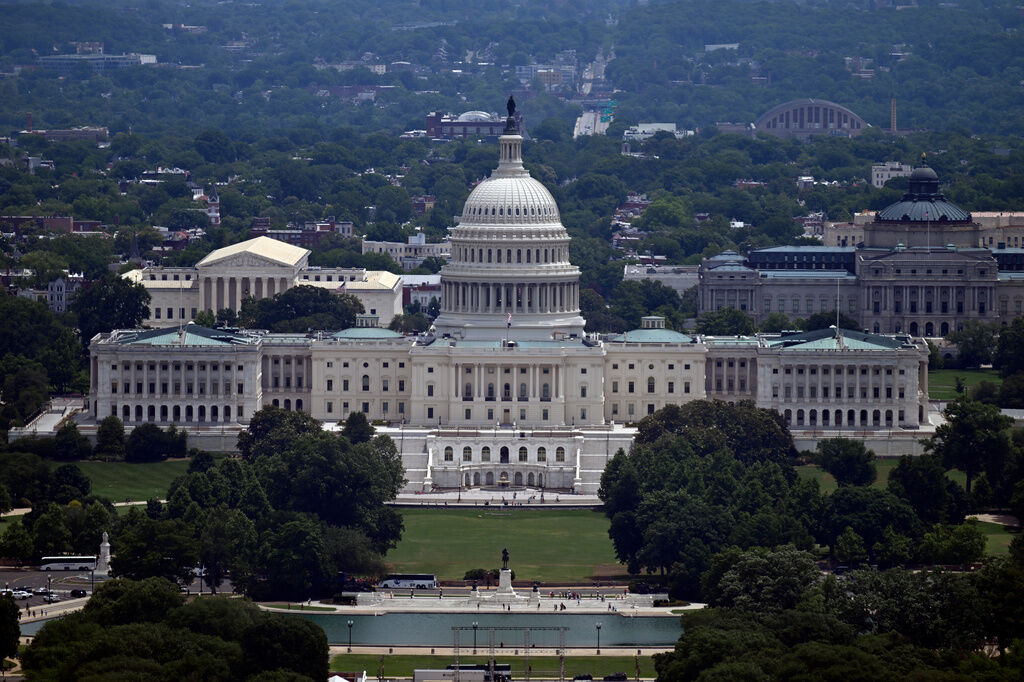
Congress is struggling to get its work done and a new report argues for 21st-century upgrades
Kevin R. Kosar
kevin-r-kosar@coloradopolitics.com
Updated 5 hours ago
The news coming from Capitol Hill over the past couple of weeks has left much to be desired. Congress has had difficulty discharging its lawmaking duties. The Senate’s appropriations committee is at loggerheads over how much spending to authorize. The...
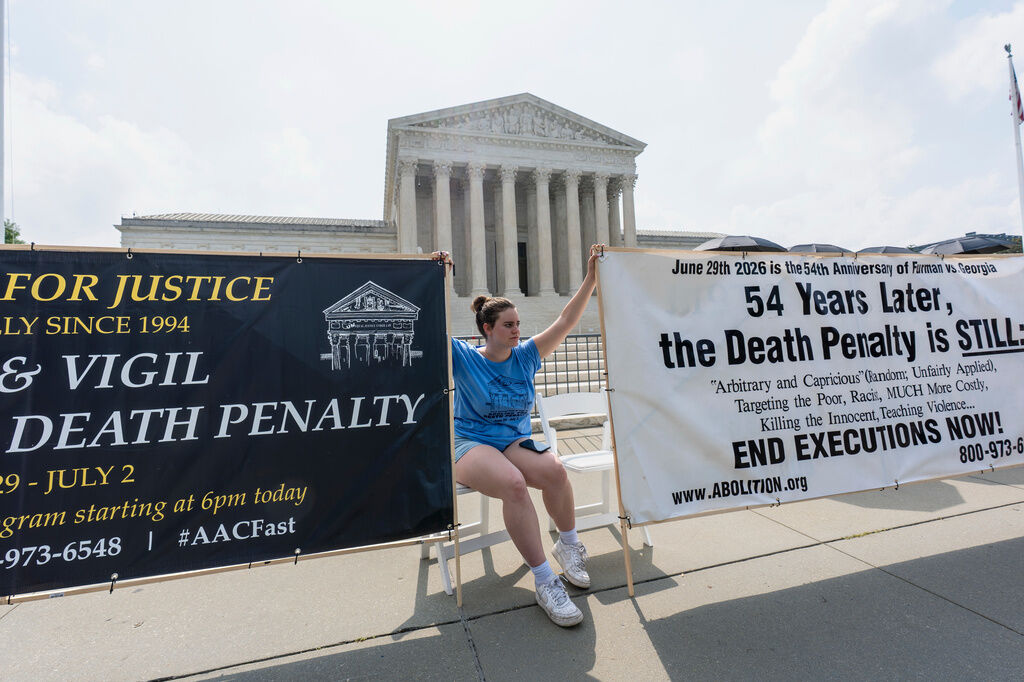
Supreme Court rules constitutional privacy protections apply to cellphone users location history
The Associated Press
the-associated-press@coloradopolitics.com
Updated 6 hours ago
WASHINGTON (AP) — The Supreme Court held Monday that constitutional privacy protections extend to cellphone location information, ruling in the case of a bank robber whose identity was discovered through a geofence warrant. Justice Elena Kagan wrote for the 6-3...
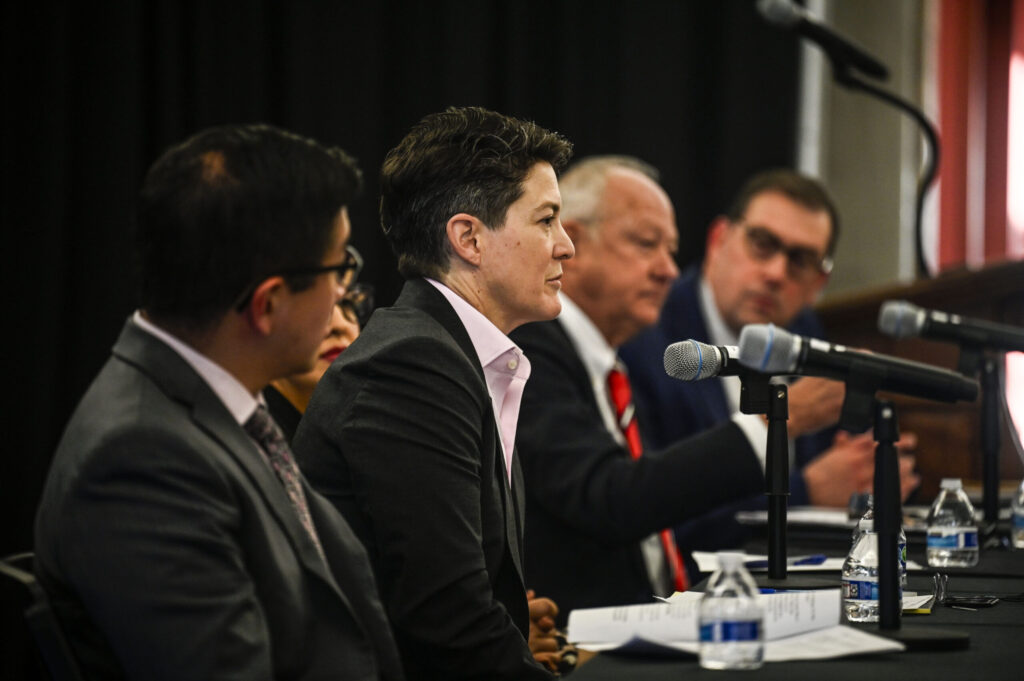
Colorado justices say group that spent $4M on ballot initiatives does not have to disclose donors
Michael Karlik
michael.karlik@coloradopolitics.com
Updated 6 hours ago
The Colorado Supreme Court ruled on Monday that an organization that spent $4 million to advocate on ballot initiatives in the 2020 election is not required to disclose its donors and spending. The Supreme Court acknowledged that multiple factors suggested...
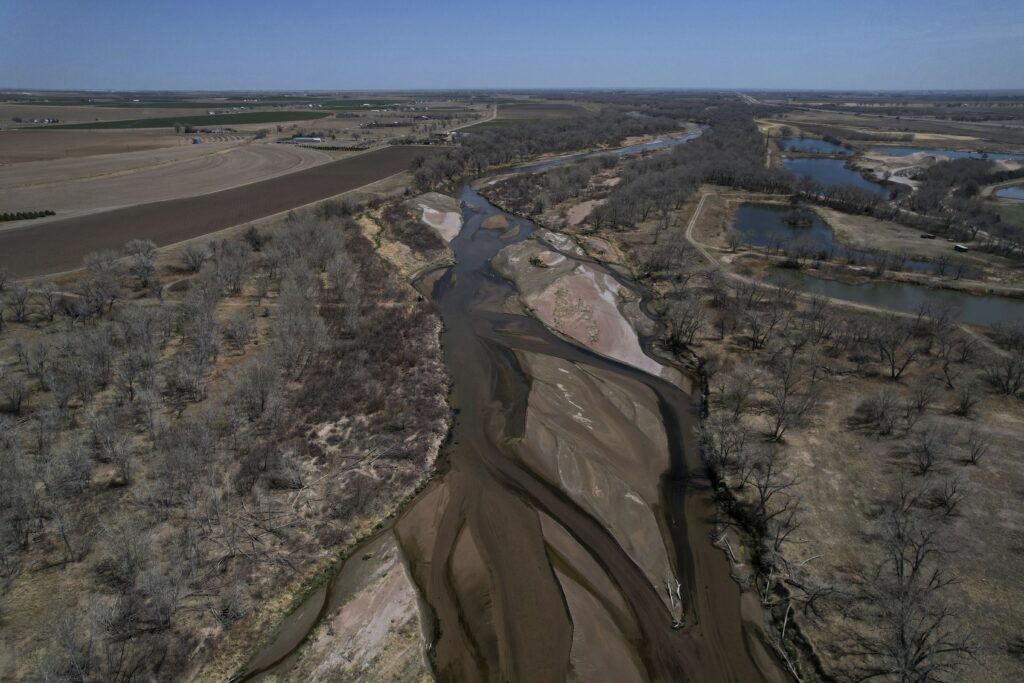
Colorado–Nebraska water clash heads to US Supreme Court as canal fight intensifies
Marianne Goodland
marianne.goodland@coloradopolitics.com
Updated 2 hours ago
The U.S. Supreme Court on Monday agreed to hear Nebraska’s lawsuit against Colorado over the Perkins County canal, a move that advances a legal dispute likely to take years to resolve. The proposed Perkins County canal would run through land...