

Colorado House advances bill deleting requirement to impose dues on non-union members
Colorado lawmakers on Monday gave initial approval to a bill that would eliminate a key requirement before a unionized workplace may impose union dues on non-union members.
Senate Bill 005 seeks to repeal the state’s 80-year-old Labor Peace Act‘s section for a second election in order for a labor group to establish a “union security” agreement at a workplace. Once agreed to by the company and the labor group, non-union workers would be required to pay union fees.
Federal law governs union formation. In an election, a labor group must receive a simple majority to unionize — a related but separate issue than what’s before Colorado lawmakers.
Specifically, Colorado law requires a second election to allow a unionized workplace to negotiate over fees on non-union members. That election requires a higher threshold of a 75% “yes” vote to pass. The unions want to get rid of that second election.
Business and labor have been divided on the measure since it was introduced early in the session. Polis told both groups he would not sign the measure into law unless they could reach a compromise, but as the end of session loomed, a deal has failed to materialized.
Even as sponsors brought the bill to the state House floor on Monday morning, reports said the labor community is threatening to introduce a ballot measure that would require employers to prove “just cause” for firing an employee. The ballot measure is listed on the Secretary of State’s website but has not yet been approved for circulation.
Reps. Javier Mabrey, D-Denver, called the argument that the bill will detract businesses from coming to the state and harm the economy “noise” from the opposition.
“The profitability of businesses is essential to workers’ financial security,” he said. “Workers do not want businesses to fail. They want fair terms of employment. They want a fair share of soaring corporate profits that are often reaped by a thriving billionaire class that gets richer and richer, even as the rest of us have not gotten better off at all with soaring profits,” he said.
Rep. Emily Sirota, D-Denver, said the bill has been “a long time coming,” describing the current law as “antiquated” and designed “specifically to be a roadblock to unionization.”
“It should only take one vote to determine whether or not workers in a workplace wish to come together to collectively bargain,” she said.
Businesses have contended that to insist the bill is about workers’ ability to unionize is a red herring, arguing that union formation is governed by federal law and that the bill is specifically about imposing union feeds on the entire workforce.
Republicans anticipate a veto.
“We’ve spent more time on this bill this morning than the Governor will when it reaches his desk,” said Rep. Chris Richardson, R-Elizabeth. “He has already stated publicly, and it was reported in the press as recently as Saturday, that if there is no deal between unions, labor and business interests, he’s going to veto it.”
Richardson was referring to a story that Colorado Politics broke on Saturday, citing sources who said no deal had been reached.
Not only is it fruitless to hold lengthy debate over a bill that is destined to fail, the bill itself would “force” people to pay union dues “against their will”, even if they don’t belong to the union, he said.
All three sides — business, labor and the governor’s office — had each put forth their own proposals, sources earlier said.
-
The business community agreed to lower the vote threshold in order to permit a union to begin negotiating over what labor groups called “representation fees” — the dues on non-union members. Under this offer, if, in the election to form a union, a simple majority of employees eligible to vote or 66% of workers who show up to cast a ballot say “yes,” then the labor group automatically gets the permission to negotiate over the fees. No second election is necessary. This position moves business from its starting point of a 75% threshold.
-
The labor coalition wanted a lower threshold: If 53% of the workers who show up to vote in the first election say yes, then the labor group is authorized to negotiate over the fees. Under that scenario, a second election is also unnecessary. If the labor group failed to clear that threshold in the first election, a second election is necessary, under which the union must only secure a simple majority — 50% plus 1 — of the workers who show up to vote.
- The governor’s final offer has not been made public, but sources said it’s very similar to his previous offer, with some tweaks. For bargaining units of under 50 employees, 66% of those workers must show up to vote in the first election to unionize and 66% of ballots cast must vote in favor. For units with over 50 members, the threshold changes to 55%. If the thresholds are met, then a union is automatically permitted to pursue “union security.” That also applies if 50% plus one of the total workforce, regardless of workforce size, supports unionization.
The bill still needs a final vote — expected on Tuesday — in the state House.

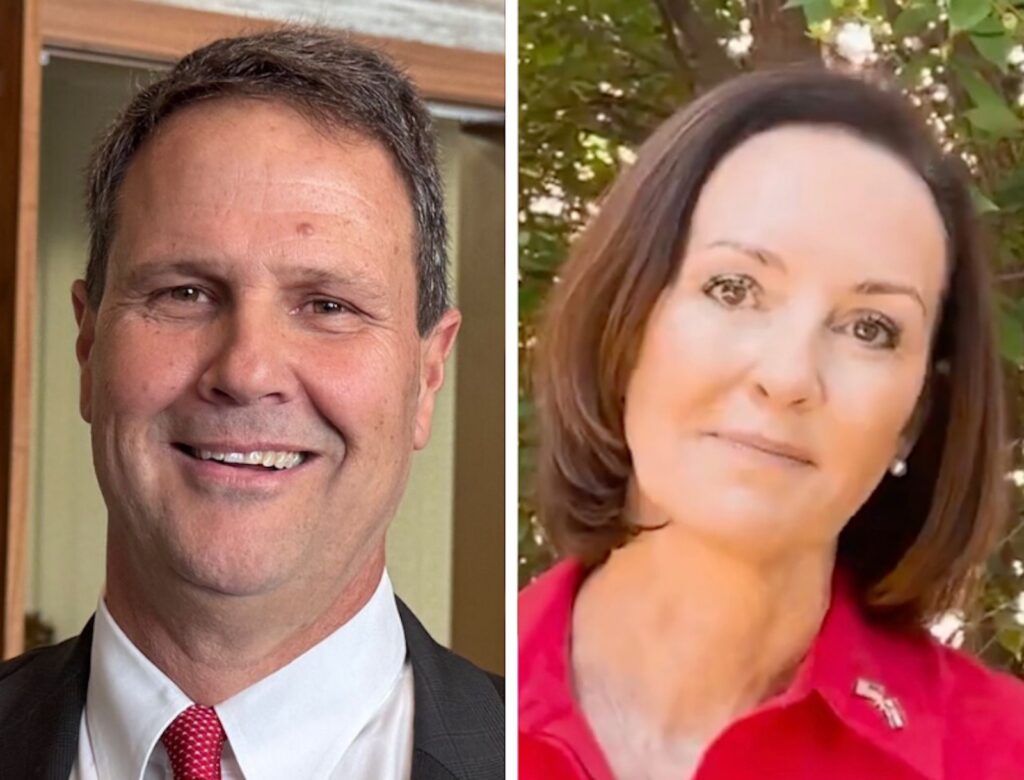
WATCH: Republican US Rep. Jeff Crank, Democratic challenger Jessica Killin debate in Colorado’s 5th CD
Ernest Luning
ernest.luning@coloradopolitics.com
Updated 38 minutes ago
Republican U.S. Rep. Jeff Crank and Jessica Killin, his Democratic challenger, are scheduled to meet for a televised debate in the race to represent Colorado’s 5th Congressional District on Thursday night. The candidates are set to take the stage at...

WATCH: Colorado gubernatorial candidates Phil Weiser, Greg Lopez to face off Thursday in televised debate
Ernest Luning
ernest.luning@coloradopolitics.com
Updated 47 minutes ago
Two of the candidates for governor of Colorado are set to square off in a televised debate for the first time Thursday night, when Attorney General Phil Weiser, the Democratic nominee, and former U.S. Rep. Greg Lopez, an unaffiliated candidate,...
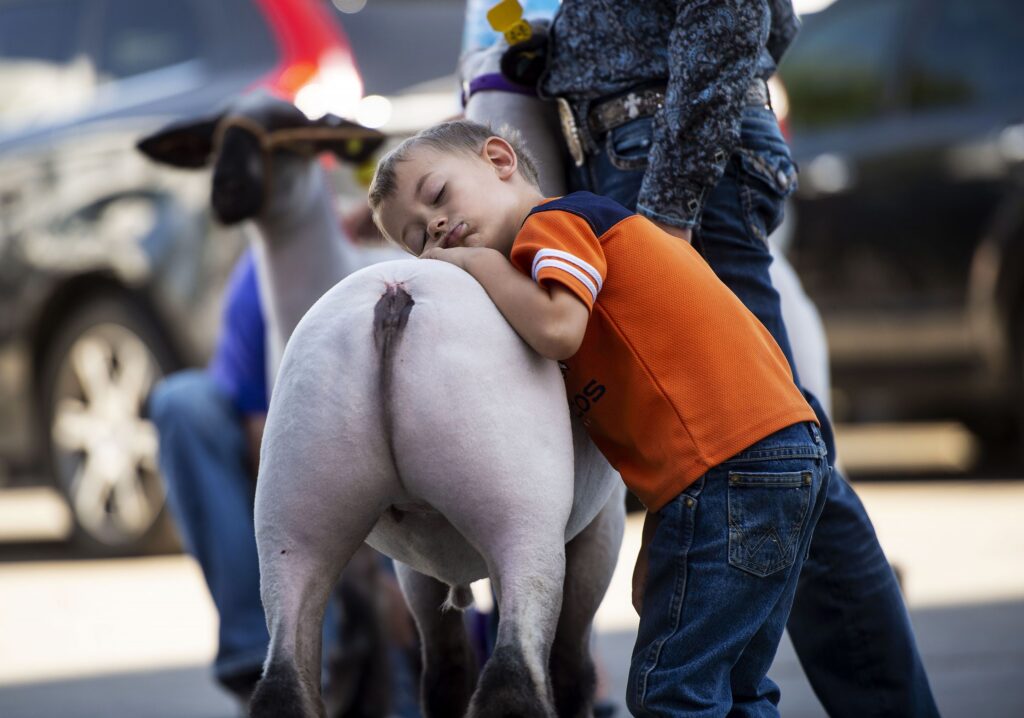
Colorado State Fair youth golf tournament celebrates 11 years
Marianne Goodland
marianne.goodland@coloradopolitics.com
Updated 3 hours ago
Twenty-eight teams tee off Friday at Walking Stick Golf Course in Pueblo for a tournament supporting 4-H, Future Farmers of America and capital improvements at the Colorado State Fair. Now in its 11th year, the Partners of Youth in Ag...

Controversial two-bag furbearer limit heads to CPW meeting under legal threat
Marianne Goodland
marianne.goodland@coloradopolitics.com
Updated 3 hours ago
Next week’s Colorado Parks and Wildlife Commission meeting in La Junta is likely to open under the cloud of threatened legal action. Safari Club International and the Sportsmen’s Alliance Foundation warned the commission this month that its July vote imposing...
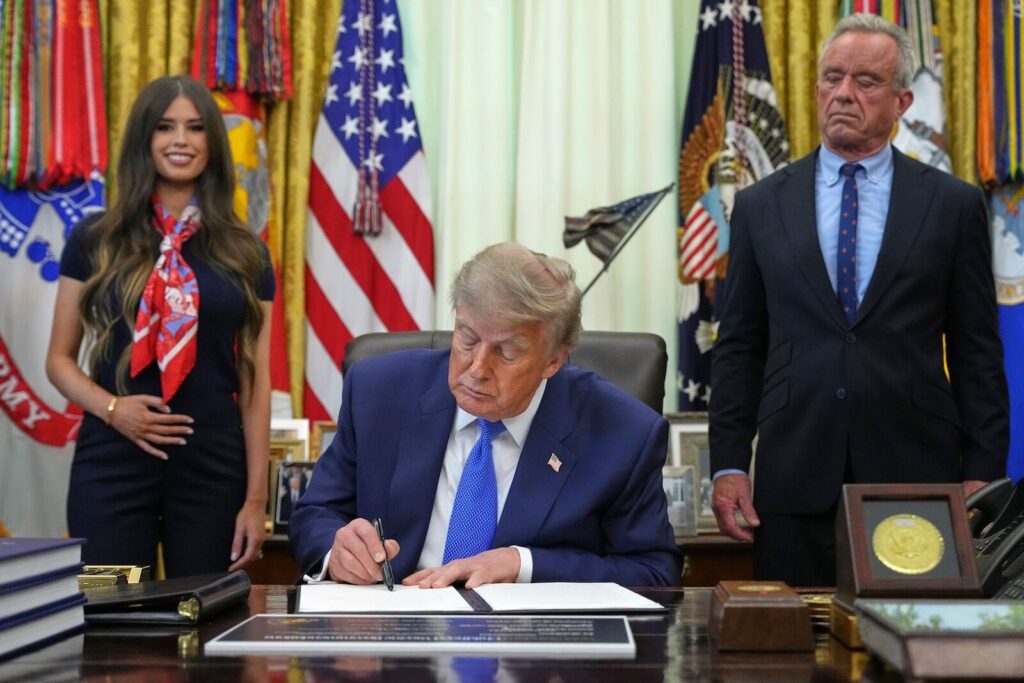
Democratic-aligned poll shows big majority of swing-seat voters support routine childhood vaccines
Ernest Luning
ernest.luning@coloradopolitics.com
Updated 5 hours ago
A new poll conducted by Democratic-aligned groups found that voters in competitive U.S. House districts — including a battleground seat in Colorado — support routine childhood vaccinations by a wide margin and oppose a recent order by President Donald Trump...
Some Colorado hunters oppose right to hunt, fish proposal, group says
Marissa Ventrelli
marissa.ventrelli@coloradopolitics.com
Updated 5 hours ago
A group that says it represents hunters and anglers from across Colorado announced its opposition to a ballot measure that would establish the right to hunt and fish in Colorado’s constitution, saying it could result in the overturning of bans...
Coalition drops Colorado transportation ballot measure after securing deal
Marissa Ventrelli
marissa.ventrelli@coloradopolitics.com
Updated 57 minutes ago
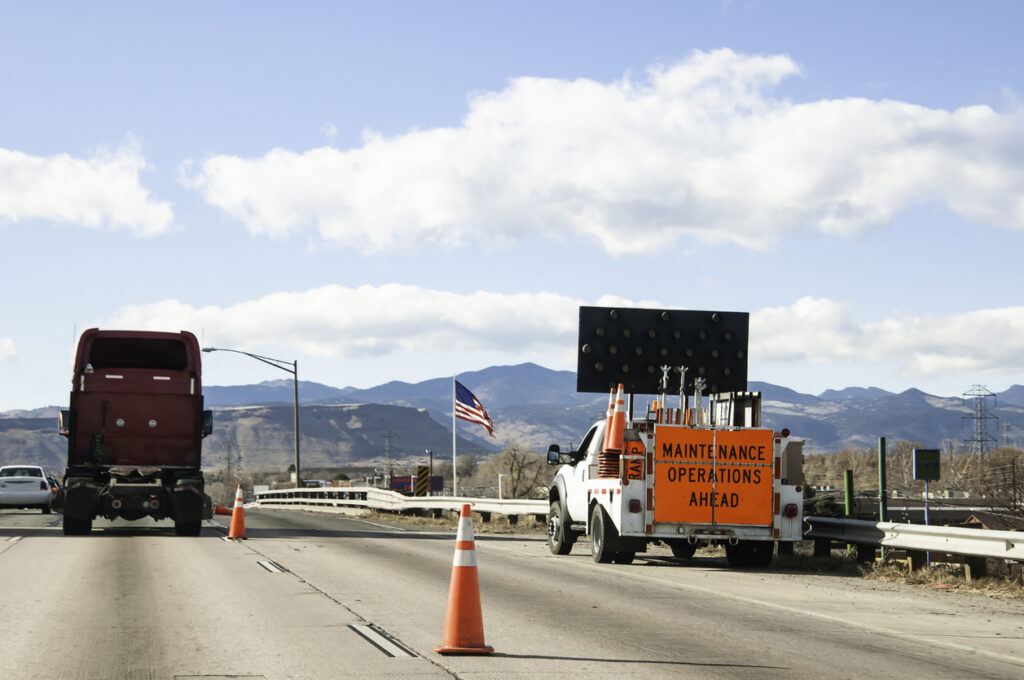
The proposed constitutional amendment seeking to dedicate all transportation-related revenue to Colorado’s roads and bridges will no longer appear in this November’s ballot after its proponents reached an agreement with lawmakers following months of negotiations. Initiative No. 175, backed by...

Iran and Oman come to agreement to open Strait of Hormuz, but await US buy-in
Claire Carter
claire.carter@washingtonexaminer.com
Updated 7 hours ago
Iran and Oman reached an understanding on a temporary shipping corridor through the Strait of Hormuz, clearing a major hurdle to reopening the critical waterway, but Tehran says implementation depends on the United States meeting a series of demands. The...
Trump faces warning signs among women ahead of midterm elections
Rena Rowe
rena.rowe@washingtonexaminer.com
Updated 2 hours ago
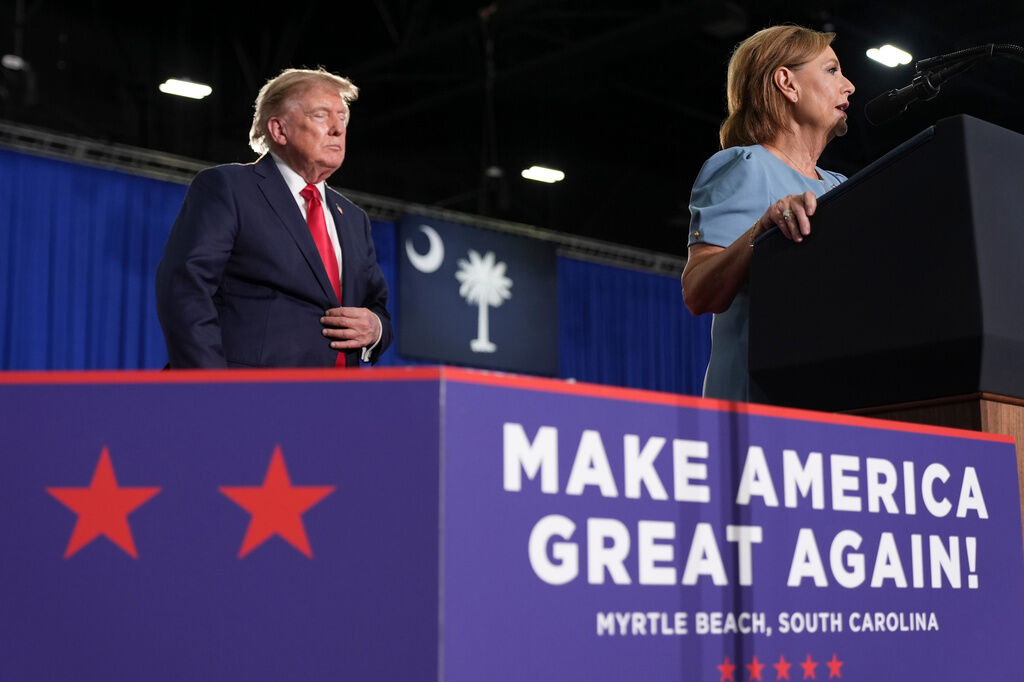
President Donald Trump is facing significant challenges among women voters heading into the 2026 midterm elections, with a new survey showing low approval of his job performance and broad opposition to key policies in his administration’s agenda. A national survey...
Wrongfully deported man to be returned to U.S., Colorado federal judge orders
Michael Karlik
michael.karlik@coloradopolitics.com
Updated 9 hours ago
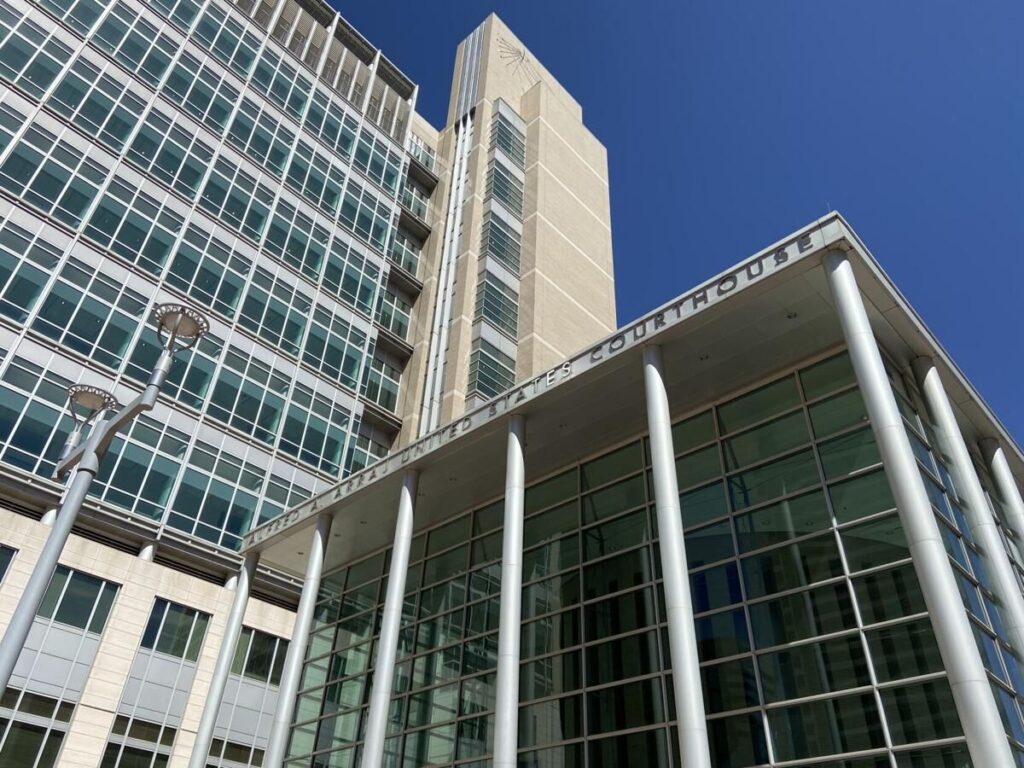
Colorado’s chief federal judge took the extraordinary step of directing the government on Tuesday to do everything it can to return a man it deported in violation of his order. At the same time, Colorado’s chief magistrate judge has set...