

Colorado Springs not liable for collision resulting from inoperative traffic light, appeals court says
Colorado’s second-highest court ruled last month that the city of Colorado Springs cannot be held liable for a vehicle crash in which traffic lights were functioning normally in one direction and were inoperative in the perpendicular direction.
The Colorado Governmental Immunity Act, with limited exceptions, shields public entities from lawsuits over injuries they cause. Its purpose is to protect tax dollars and prevent a flood of lawsuits from disrupting government services.
One of those exceptions, however, allows governments to be sued due to their “failure to repair a traffic control signal on which conflicting directions are displayed.” The question for the state’s Court of Appeals was whether an intersection in which some cars see a working traffic light and other cars are met by an unlighted signal amounts to “conflicting directions.”
No, determined a three-judge appellate panel.
Under Colorado’s traffic laws, explained Judge Ted C. Tow III, the driver with a green light should proceed normally and the driver facing an inoperative light has the obligation to proceed only when the intersection is clear.
Because the drivers who collided “could have followed these directions simultaneously without issue, the signals were not incompatible,” he wrote in the Oct. 31 opinion.
In the underlying case, construction was occurring at the intersection of S. Tejon Street and E. Costilla Street in August 2019. Bernard E. Sandoval drove up to the intersection and faced an unilluminated light. Treating the intersection as a four-way stop, he proceeded and was hit by a driver traveling in the perpendicular direction whose light was green.
Sandoval sued various parties for negligence, prompting the city to invoke the governmental immunity law.
District Court Judge Amanda J. Philipps declined to dismiss the lawsuit, finding the conflicting-directions exception applied.
“The eastbound driver had a green light as he approached the intersection, Plaintiff had no operable traffic light as he approached the intersection, there were conflicting traffic signals to the drivers,” she wrote in January.
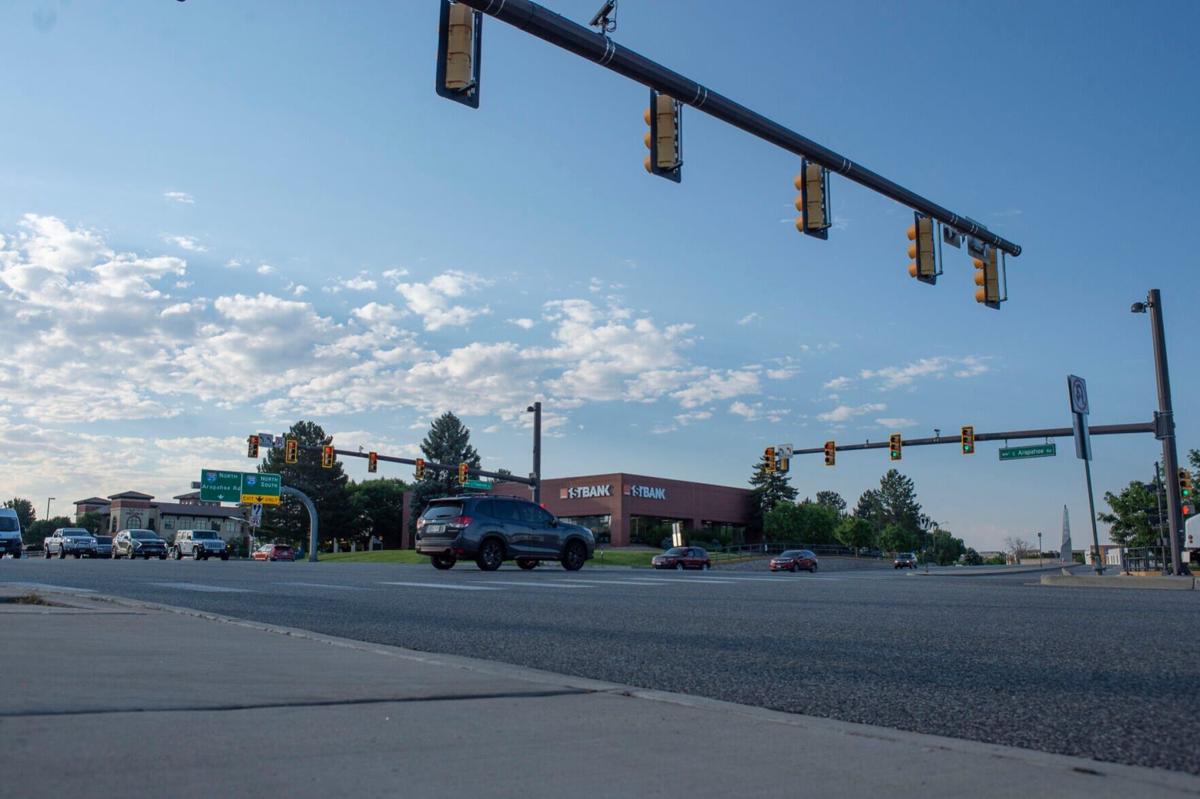
In Greenwood Village, one of the most talked about red-light cameras is located at the intersection of Arapahoe Road and Yosemite Street. The busy intersection feeds traffic on and off of Interstate 25, as well as Arapahoe Road.
Deborah Grigsby

In Greenwood Village, one of the most talked about red-light cameras is located at the intersection of Arapahoe Road and Yosemite Street. The busy intersection feeds traffic on and off of Interstate 25, as well as Arapahoe Road.
On appeal, the city maintained the signals did not conflict because it was possible for Sandoval to treat his light as a stop sign and for the other driver to proceed on green without inevitably colliding.
“If it’s sufficiently confusing that it’s creating a dangerous condition, does that change our analysis?” asked Judge Neeti V. Pawar during oral arguments.
“I don’t think it does,” responded W. Erik Lamphere of the Colorado Springs city attorney’s office.
Sandoval’s lawyer, on the other hand, argued drivers should treat an intersection as a four-way stop when the lights are dark for all directions.
“But what if the lights aren’t out for all. What do you do?” asked Tow.
“That’s the conflict,” said attorney Brian Hugen.
“The driver with the green thinks he has a green light, which he does. The driver on other side thinks he has a stop sign, which means he can’t go until it’s safe,” countered Tow. “There has to be an actual conflict, according to the statute.”
The panel agreed with the city that the circumstances of Sandoval’s collision did not involve conflicting traffic signals. Drivers who face an inoperative light are not required to treat the intersection as a four-way stop, Tow noted. Rather, they must treat their light as a stop sign and wait for any vehicles that may have the right-of-way.
“Sandoval’s assumptions that all signals were out and that other cars would stop does not rest on any legal authority,” Tow concluded.
The case is Sandoval v. City of Colorado Springs.

Federal judge green-lights civil trial against ex-Fort Collins DUI officer
Michael Karlik
michael.karlik@coloradopolitics.com
Updated 2 days ago
A federal judge ruled on Thursday that Fort Collins’ former “DUI officer” will face a civil trial for allegedly investigating a motorist for impaired driving without any reasonable suspicion to do so. In recent years, several people arrested by Officer...

Colorado Supreme Court suspends Mesa County judge pending misconduct investigation
Michael Karlik
michael.karlik@coloradopolitics.com
Updated 17 hours ago
The Colorado Supreme Court suspended Mesa County Court Judge Michael J. Grattan on Thursday amid a misconduct investigation. The court’s Sept. 10 order gave Grattan 21 days to explain why his paid suspension should not continue through the end of...
Colorado Supreme Court changes course, dismisses case about special district bonds
Michael Karlik
michael.karlik@coloradopolitics.com
Updated 17 hours ago
The Colorado Supreme Court declined on Friday to decide a dispute between a large-scale Commerce City development and the various districts financing it, after initially showing interest in the ongoing case. Colorado has roughly 2,800 special districts, which are local...

10th Circuit tosses GEO Group’s pretrial appeal in human trafficking lawsuit
Michael Karlik
michael.karlik@coloradopolitics.com
Updated 2 days ago
The Denver-based federal appeals court dismissed an attempt by The GEO Group on Wednesday to appeal a trial judge’s non-existent decision two months before the company is scheduled to face a civil trial over alleged trafficking violations at the Aurora...
Denver sues Trump to block armed ICE agents from polling sites
Deborah Grigsby
deborah.smith@denvergazette.com
Updated 3 days ago
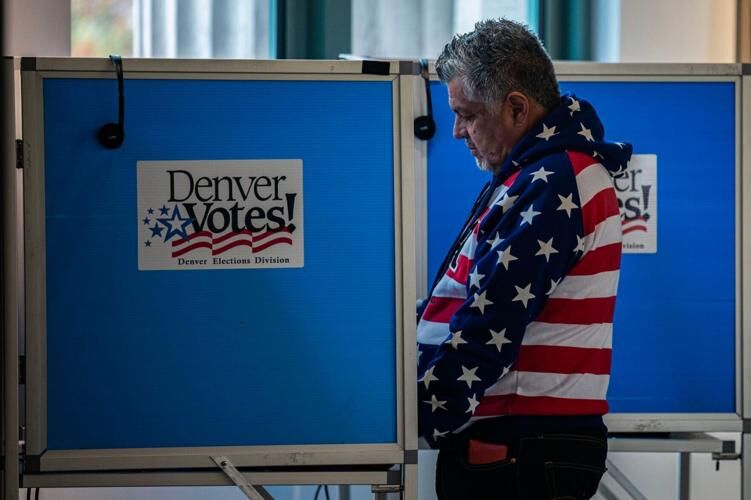
The city of Denver, along with several groups, sued the Trump administration Thursday, seeking to block U.S. Immigration and Customs Enforcement officers who are armed from polling sites during the upcoming midterm elections. In fact, there are no official orders...
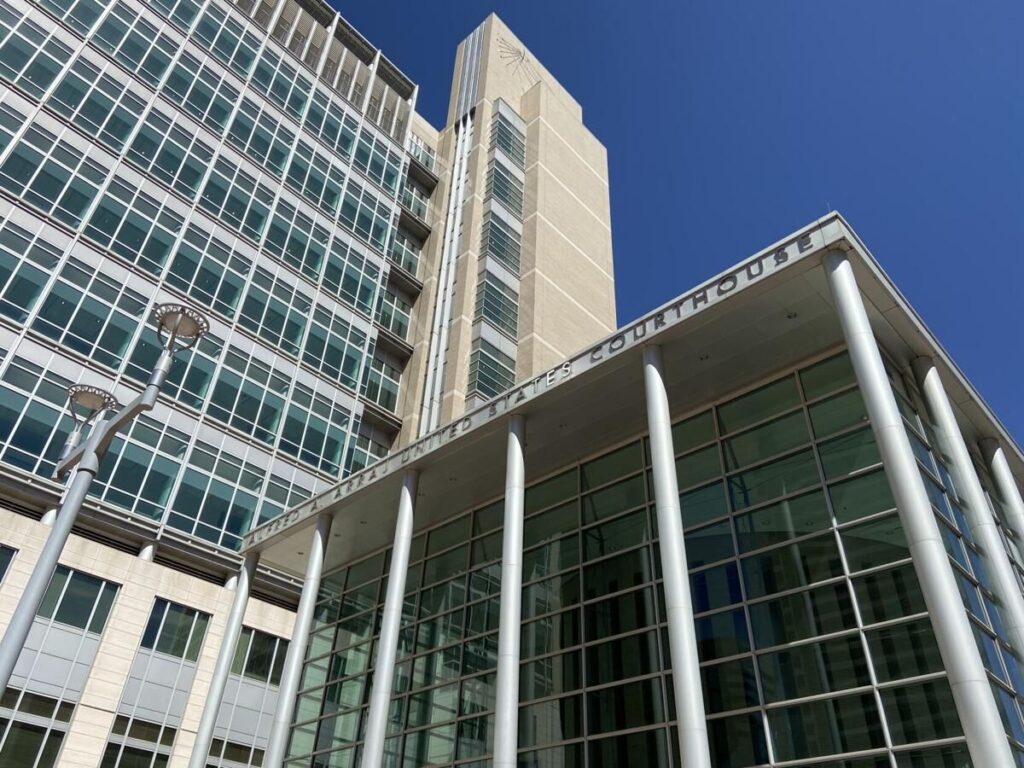
Federal judge takes no action against ICE in Colorado after hearing about mistakes, not ‘blatant violations’
Michael Karlik
michael.karlik@coloradopolitics.com
Updated 15 hours ago
A federal judge declined to take action against U.S. Immigration and Customs Enforcement on Thursday after hearing that a pattern of alleged lawbreaking amounted to mistakes and a misunderstanding of the government’s position in court. For nearly a year, Colorado’s...
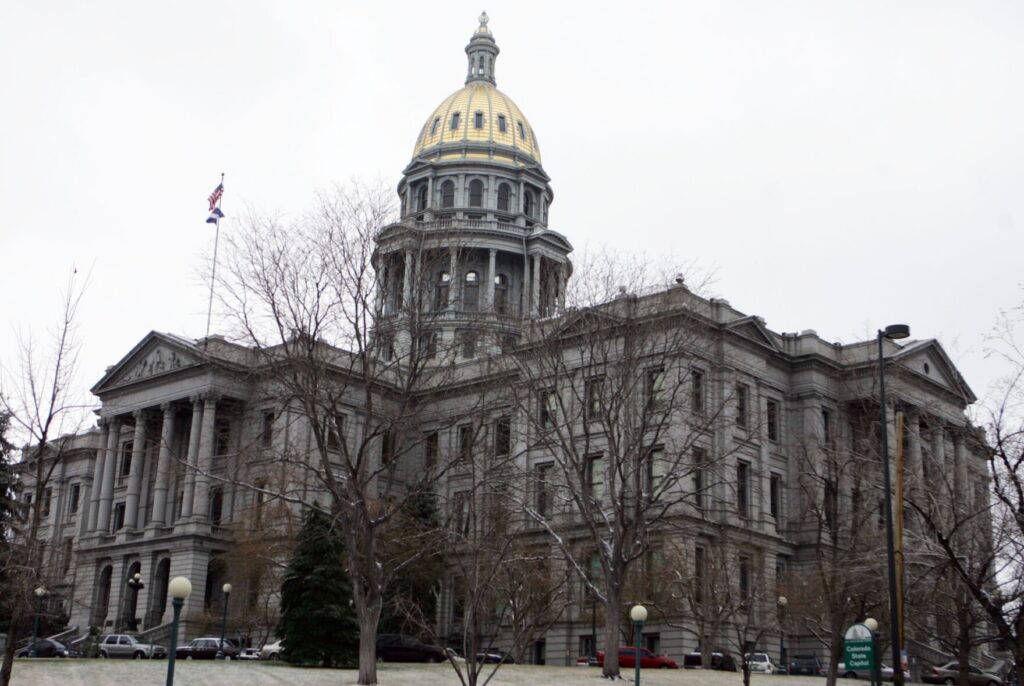
Colorado doctors, dentists challenge state law on gender‑transition services in new federal lawsuit
Marissa Ventrelli
marissa.ventrelli@coloradopolitics.com
Updated 12 hours ago
A group of Christian doctors and dentists has filed a federal lawsuit challenging a Colorado law they say requires them to provide gender‑transition services that conflict with their religious and ethical beliefs. The lawsuit, filed by the Christian Medical and...
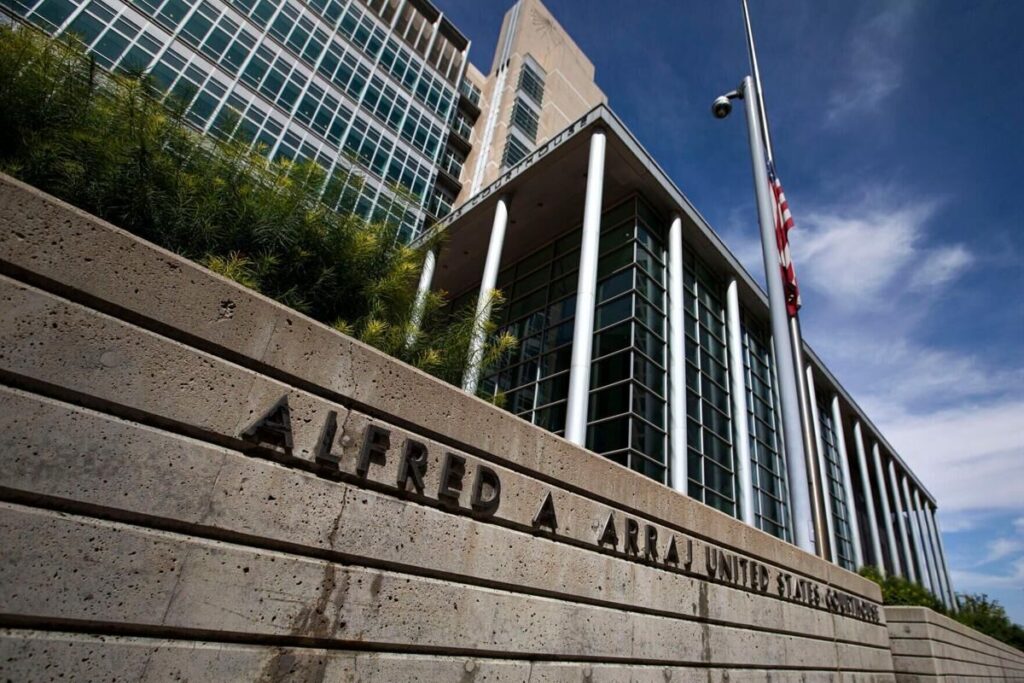
Federal judge directs plaintiff to revise complaint alleging Denver officers’ constitutional violations
Michael Karlik
michael.karlik@coloradopolitics.com
Updated 15 hours ago
A federal judge directed a plaintiff to revise his allegations on Wednesday to more precisely state what two Denver officers and the city itself allegedly did to violate his constitutional rights by facilitating his prosecution for murder until prosecutors dropped...
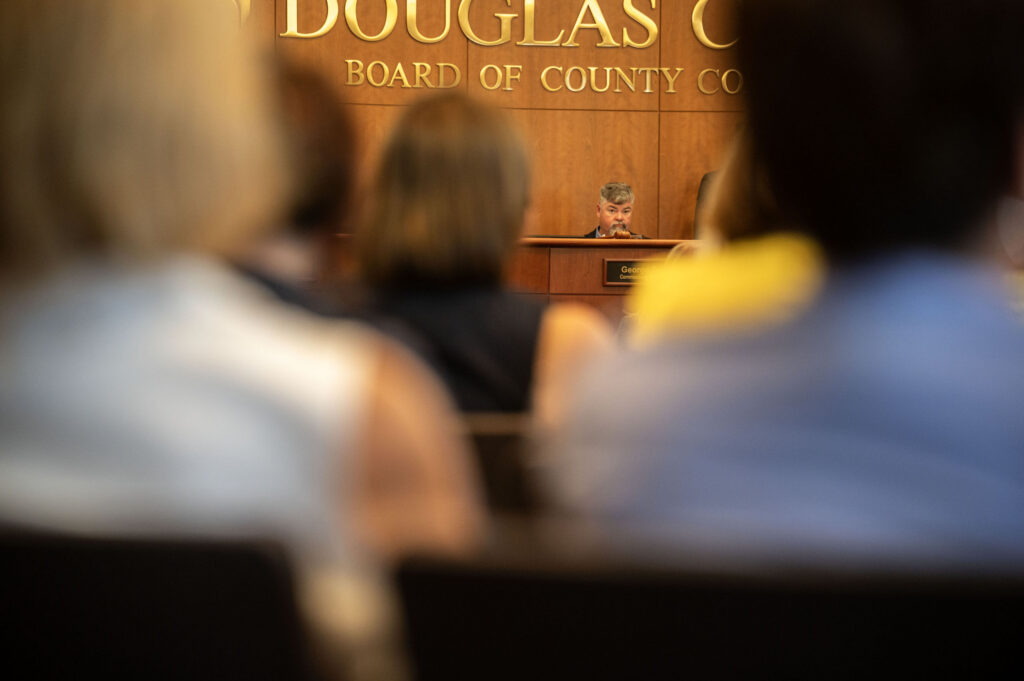
Lawsuit challenges Douglas County commissioners’ ballot actions
Nicholas Fogleman
nicholas.fogleman@denvergazette.com
Updated 3 days ago
A new lawsuit against Douglas County commissioners seeks to invalidate the board’s intervention in efforts to expand the commission from three members to five and restore the original ballot language approved by more than 20,000 petition signers. The suit marks...
Federal judge explores new sanctions against ex-Colorado judicial discipline director
Michael Karlik
michael.karlik@coloradopolitics.com
Updated 17 hours ago
A federal judge on Wednesday directed Colorado’s former judicial discipline director, for the third time this year, to explain why she should not sanction him for his latest conduct in his litigation against the state’s judiciary. Christopher S.P. Gregory, who served...