

Ranked choice voting fails to cross finish line in Colorado, other states
Update: Alaska voters, as of Nov. 20, had decided not to repeal ranked-choice voting, by 664 votes.
Colorado voters have rejected Proposition 131, the proposal to establish open primaries and ranked-choice voting for statewide races.
As ballots continue to be counted, the measure is failing in Colorado by more than 10 points, according to the latest unofficial results.
Ranked choice voting measures fared poorly in almost every other state that looked at the issue on Election Day 2024.
According to the Ranked Choice Voting Resource Center, ranked-choice voting was used in Alaska and Maine.
In 2022, Alaska first implemented a system for ranking candidates, rather than making just one choice. Voters that year elected a moderate Republican senator (incumbent Sen. Lisa Murkowski) and a conservative Democrat to the U.S. House (Rep. Mary Peltola). Those results fulfilled one of the voting system’s objectives — elect more candidates who hew to the middle versus individuals on the farther end of the parties’ wings.
Those results angered some Republicans, including former Alaska Gov. Sarah Palin, who lost to Peltola in the contested 2022 election.
Here’s what the Reason Foundation explained in a white paper on Alaska’s 2024 Ballot Measure 2: “In that election, Mary Peltola (D) beat former Gov. Sarah Palin (R) and Nick Begich (R) in a three-way race. Begich was eliminated in the first round of vote tabulation because he received the fewest votes. Peltola won against Palin in the second round of vote tabulation after reallocating second-choice votes from voters who ranked Begich first. If Palin voters had instead ranked Begich as their first choice, he would have won in a one-to-one race against Peltola. In particular, critics point to 11,000 ballots that were disqualified in the second round because voters only indicated their top preference.”
Palin, who was a national spokesman for Alaskans for Honest Elections, characterized ranked choice voting as “the weirdest, most convoluted, and most complicated voter suppression tool that Alaskans could have come up with.”
On Nov. 5, and based on unofficial results, Ballot Measure 2, which seeks to repeal ranked choice voting, was winning by a slim 1.8 percentage points or about 4,300 votes, according to the Alaska Public Media.
Measures on ranked-choice voting were on the ballot in the District of Columbia, Idaho, Missouri, Nevada and Oregon.
The District of Columbia was the only locale that voted to implement both open primaries and ranked-choice voting. NBC News reported the measure passing, 72.7% to 27.3%.
In Missouri, the ballot measure sought a constitutional ban on ranked-choice voting that would apply to all elections, including for municipalities. However, St. Louis, which already uses ranked-choice voting, would be allowed to continue to do so.
The measure also included language banning non-U.S. citizens from voting, which is already illegal.
The Associated Press reported the measure easily passed, 68.5% to 31.5%.
In Idaho, Nevada and Oregon, voters also said no to ranked-choice voting. In Nevada, the measure was a constitutional change, which requires approval in two consecutive elections. While it passed in 2022, it failed this year.
Idaho’s constitutional measure called for open primaries and ranked-choice voting, but voters said “no” by a margin of 69.6% to 39.4%.
In Nevada, the measure, which was constitutional, would have allowed the top five candidates to participate in an open primary and general election. It failed there by a vote of 53.8% to 46.2%.
Oregon’s statutory measure went further than any other, requiring ranked-choice voting for statewide and federal offices. It failed by a margin of 59.2% to 40.8%.
In a statement Wednesday, Meredith Sumpter, president and CEO of Favor Vote, said, “Changing the status quo is never easy. Entrenched interests — including several state parties and an increasingly well-organized national opposition — pushed back hard on this year’s statewide ballot measures. But make no mistake: The future remains bright for ranked-choice voting.”
She said that, in 2016, ranked-choice voting was used in only 10 cities, but it has now spread to more than 50 cities, counties, and states.
“We’re proud of the campaign Colorado Voters First led to give every Coloradan a vote that not only counts, but that truly matters. They, along with a diverse coalition of organizations and political leaders from across the political spectrum, poured their hearts and souls into this campaign,” Nick Troiano, executive director of Unite America, which backed Proposition 131 in Colorado and in other states, said Wednesday.
“In the end, more than 210,000 Coloradans signed petitions to qualify open primaries for the ballot — and nearly one million more voted in favor of Prop 131 in this election. More voters than ever are calling for better choices on their ballot, politicians who represent them, and a government that actually addresses the issues they care about.”
Troiano blamed “career politicians and special interests” for the measure’s defeat, which he said would preserve the “status quo that insulates them from any meaningful competition and accountability.”
“Systemic change doesn’t happen overnight,” Trioiano said.
Unite America spent more than $70 million on ranked-choice measures, including nearly $18.4 million through Colorado Voters First. Former DaVita CEO Kent Thiry contributed almost $6 million to Colorado Voters First. That substantially dwarfed the money spent by the opposition, just under $600,000 through Voter Rights Colorado. Those funds largely came from Democratic-aligned groups, including teachers and labor unions.
In Colorado, ranked-choice voting is used in Basalt, Boulder and Carbondale for mayoral elections.
(Editor’s Note: This story was corrected to reflect that the Nevada measure was a constitutional change.)

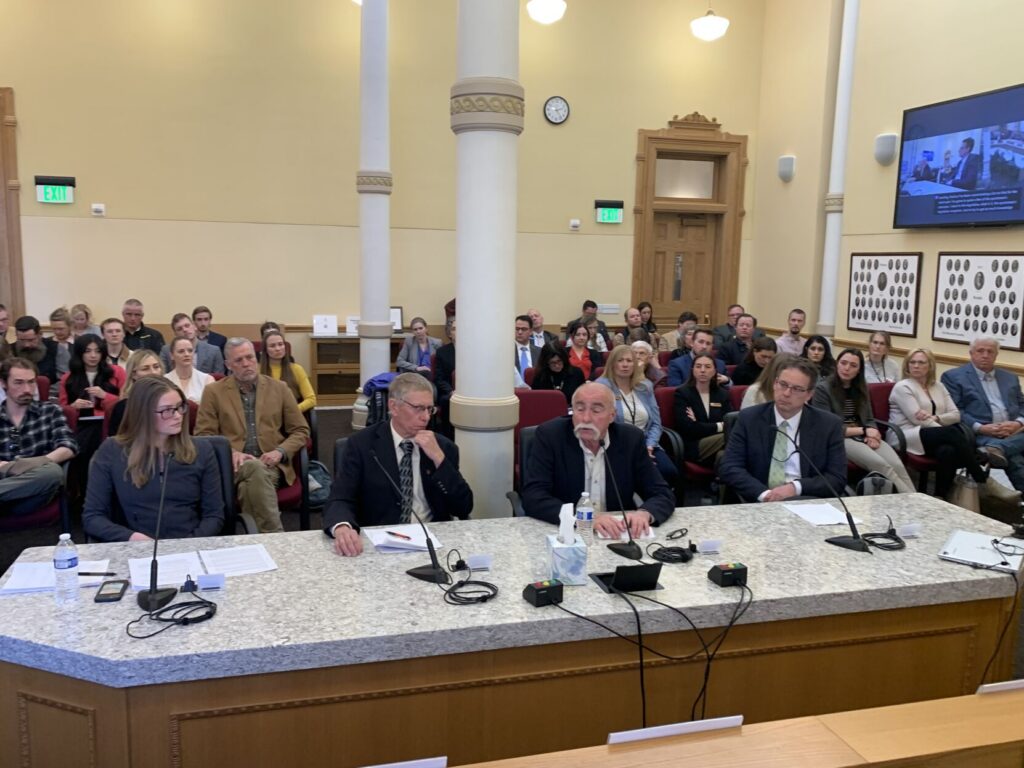
Governor’s wildlife commission picks face pushback ahead of Colorado Senate hearing
Marianne Goodland
marianne.goodland@coloradopolitics.com
Updated 24 minutes ago
Colorado’s largest coalition of hunters, anglers, and wildlife conservation groups is urging state lawmakers to reject two of Gov. Jared Polis’ latest nominees to the Colorado Parks and Wildlife Commission, setting up a contentious confirmation hearing before the Senate Agriculture...
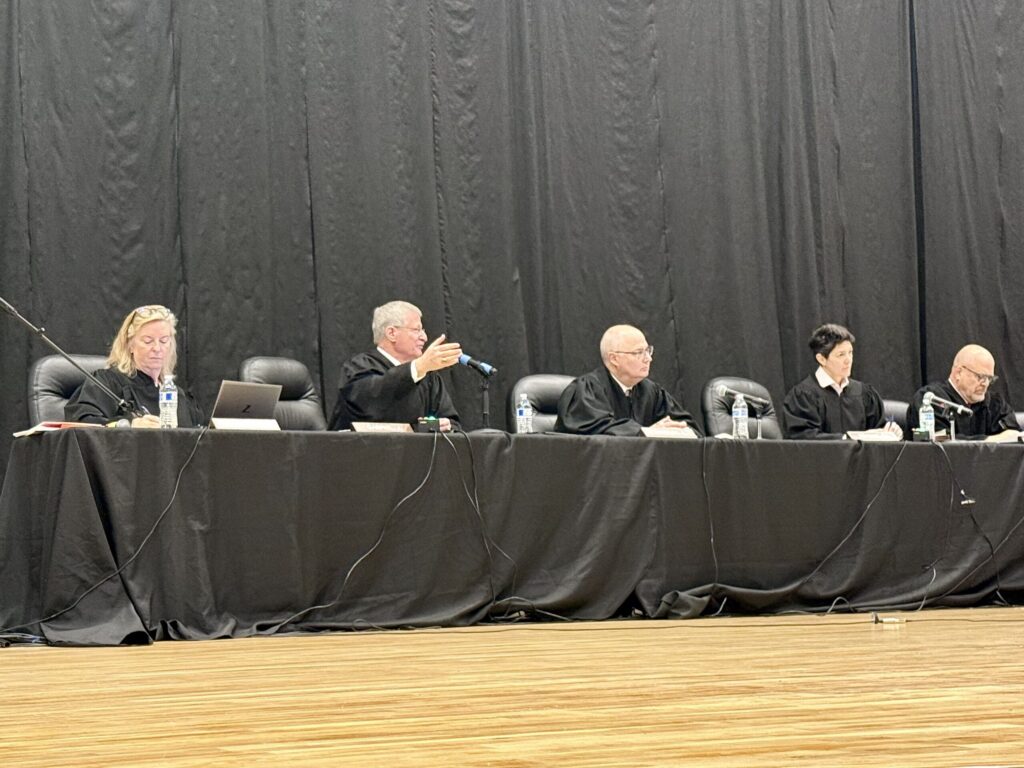
Colorado justices skeptical of snowboarder’s bid to revive injury lawsuit after signing new waiver
Michael Karlik
michael.karlik@coloradopolitics.com
Updated 51 minutes ago
The Colorado Supreme Court seemed to agree on Thursday that a plaintiff is not entitled to continue his snowboarding injury lawsuit because he purchased another pass in the middle of litigation that released all past legal claims. “It says you’re...
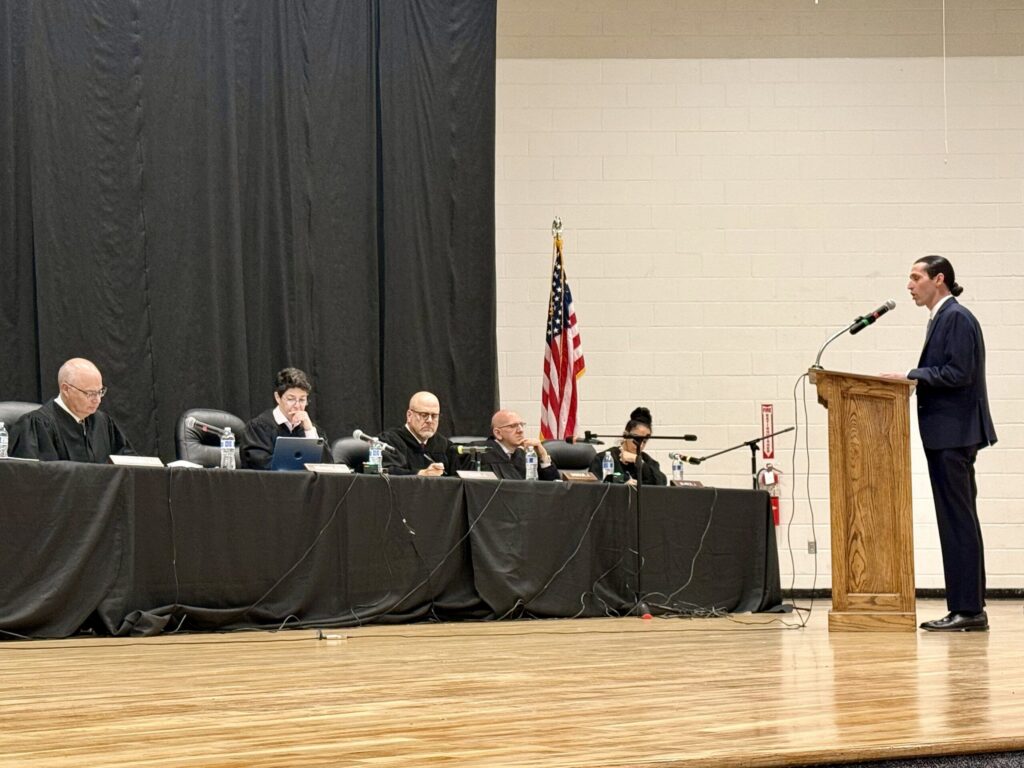
Colorado Supreme Court appears OK with revised ‘reasonable doubt’ instruction
Michael Karlik
michael.karlik@coloradopolitics.com
Updated 2 hours ago
The Colorado Supreme Court appeared largely comfortable on Thursday with the recently revised definition of “reasonable doubt” that is now part of the template jury instructions for criminal cases. To date, multiple Court of Appeals decisions have endorsed the constitutionality...

Ex‑Bronco Montee Ball backs push at Colorado Capitol for stronger concussion protocols
Marissa Ventrelli
marissa.ventrelli@coloradopolitics.com
Updated 21 minutes ago
Amid rising worries about the long‑term effects of head injuries in youth sports, a Colorado committee began reviewing legislation that would tighten concussion protocols and expand mental health awareness among coaches. Senate Bill 060 would require youth sports coaches to...
Colorado drivers, mad about rising gas prices, may turn midterm election ire on Republicans
Callie Patteson, Washington Examiner
callie.patteson.washington.examiner@gazetteedit.wpenginepowered.com
Updated 3 hours ago
WELD COUNTY, Colorado — The touch-and-go race for House control in the Nov. 3 midterm elections could very well be decided in places like this wind-swept stretch of Interstate 25. Specifically, at gas stations in this rapidly growing area north...
Residents want more police presence after deadly north Denver shootings
Deborah Grigsby
deborah.smith@denvergazette.com
Updated 10 minutes ago
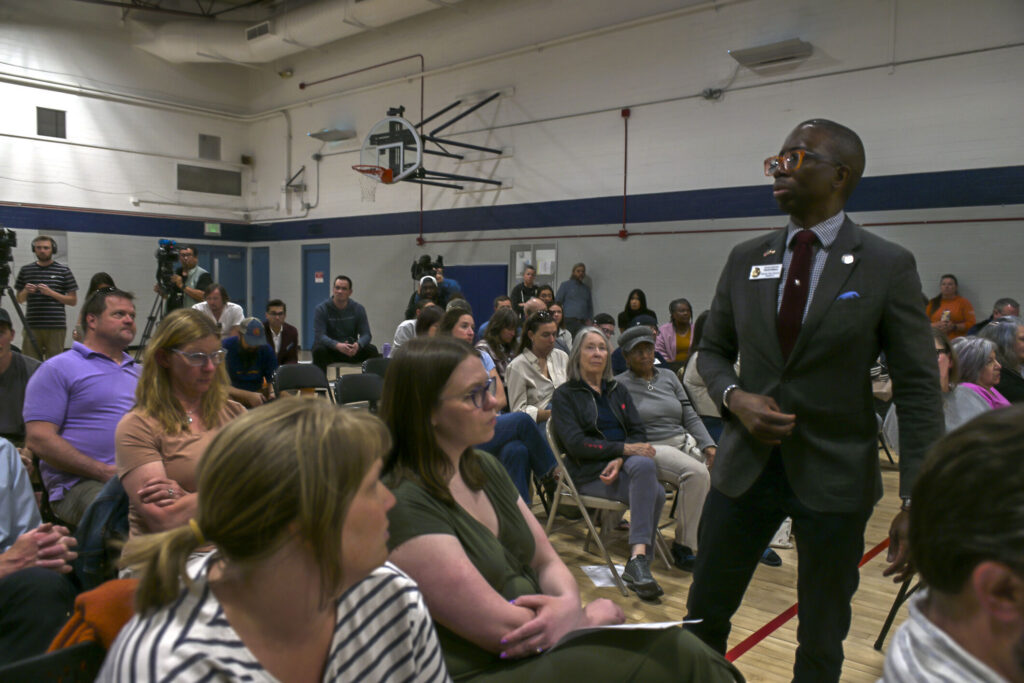
The residents of the Five Points and Cole neighborhoods are calling for increased police patrols after three fatal shootings in less than a week. Community members gathered Thursday at a north Denver neighborhood meeting organized by Cole Neighborhood Association President...
Cannabis overhaul introduced in Colorado Senate
Chris Osher
chris-osher@gazette.com
Updated 13 minutes ago
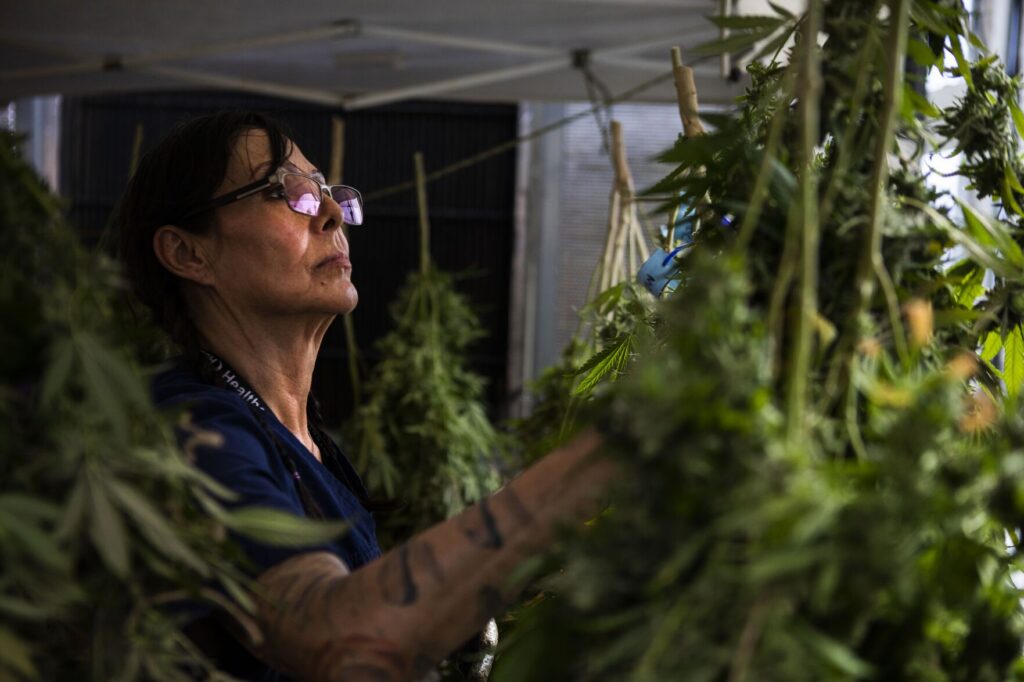
Colorado lawmakers on Wednesday introduced a measure that, if approved, would place a ballot proposal before voters this fall that contains changes backers say would improve consumer safety and overhauls how the marijuana industry is taxed. The proposed ballot initiative would fund a testing...
Colorado House passed a bill raising threshold for agriculture overtime by one vote
Marianne Goodland
marianne.goodland@coloradopolitics.com
Updated 4 hours ago
The bill that would raise the overtime threshold for overtime pay for certain agricultural workers won the narrowest of votes Thursday in the Colorado House. Senate Bill 121 won a 33-32 vote, a dramatic difference from votes cast Wednesday on...
Colorado’s $46.8 billion budget nears finish line
Marianne Goodland
marianne.goodland@coloradopolitics.com
Updated 21 hours ago
The Colorado Senate on Thursday voted largely along party lines to approve $46.8 billion in spending for the next state budget. The spending plan is bigger than what legislators originally approved for the current fiscal year’s budget, driven by increases...
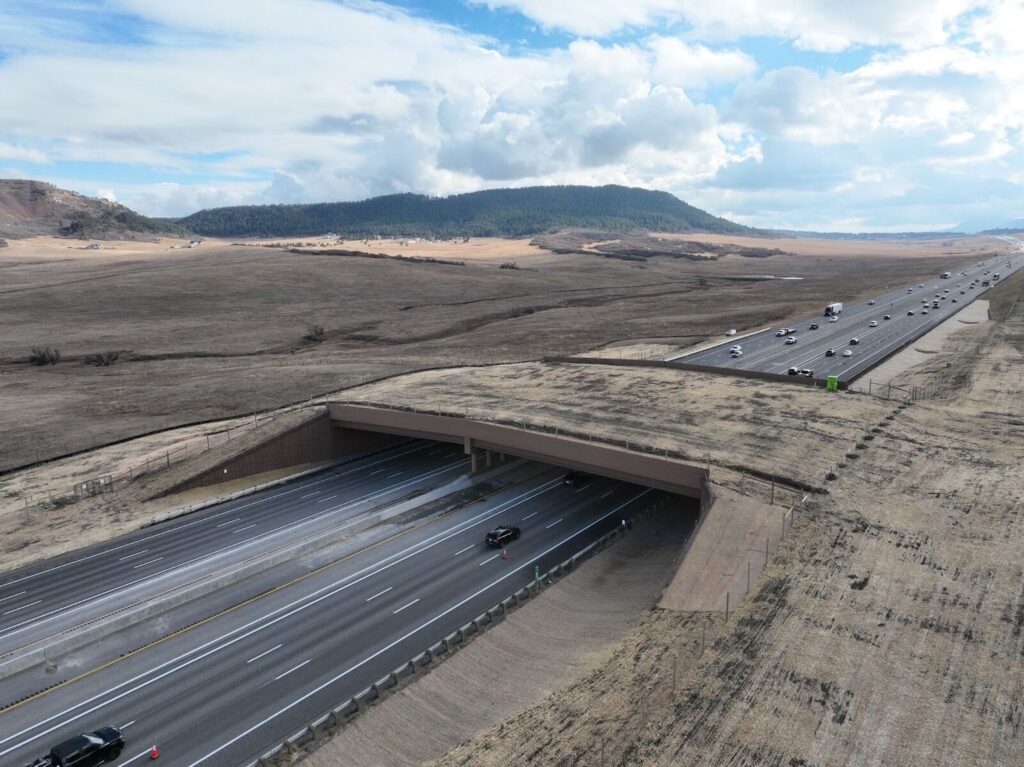
Colorado Senate passes bill for voluntary $5 fee to fund wildlife crossings
Scott Weiser
scott.weiser@gazette.com
Updated 21 hours ago
The Colorado Senate approved bipartisan legislation allowing drivers to voluntarily pay an extra $5 when registering their vehicles to help finance wildlife crossings and reduce the growing number of dangerous collisions between cars and animals on state highways. In 2024...