

Radioactive waste from Colorado’s uranium mines was once used in gardens, houses
Colorado was also a source of uranium, with many mines along the Dolores River corridor, and mills were built in Grand Junction, Durango, and Uravan.
As with the Navajo, little heed was paid to the dangers of uranium mill waste in Colorado, most of which was stockpiled in unsecured heaps in mining areas like Uravan. That’s where waste was piled high immediately adjacent to the Dolores River. Tailings piles were also located at the Climax Uranium Co. mill in Grand Junction.
When Grand Junction residents found out that the Climax Uranium mill operator didn’t care what happened to the sandy tailings and had opened the waste pile to the public, community members began loading up truckloads to use as fill and, because it was slightly acidic, to apply to their gardens to help plants grow.
Grand Junction residents weren’t told the waste was still radioactive either.
“In 1966, the Colorado Department of Health accidentally discovered that the tailings had been used in houses, churches and schools, generally as bedding on which floors and foundations were placed. The state officials, alarmed, made sure this stopped,” said Judy Pasternak, who authored the acclaimed 2010 book on the subject; “Yellow Dirt — A Poisoned Land and the Betrayal of the Navajos.” “To have the people of Grand Junction irradiated in their own homes, even at low levels, was unacceptable at best, perilous at worst.”
Concerned that the fill created an “incubator for radon gas,” Colorado authorities asked the U.S. Public Health Service for funding to look for radon emissions that might be associated with the fill material. But, in 1968, the Atomic Energy Commission, predecessor to the Nuclear Regulatory Commission, denied funding, saying that any radon found was probably from naturally occurring soil sources.
According to Pasternak, the AEC tried to suppress its own report, but Wayne Aspinall, then Grand Junction’s representative in the U.S. House of Representatives, convinced officials to act, and some 4,000 private and commercial properties had the radioactive fill removed at a cost of $250 million.
Remediation of radioactive waste in and around homes and other structures on the Navajo Nation received no such concerted effort. Even today, the Navajo Nation doesn’t have the money to perform detailed radiation scans of all homes, much less remediate them, said Stephen Etsitty, executive director of the Navajo Nation Environmental Protection Agency.

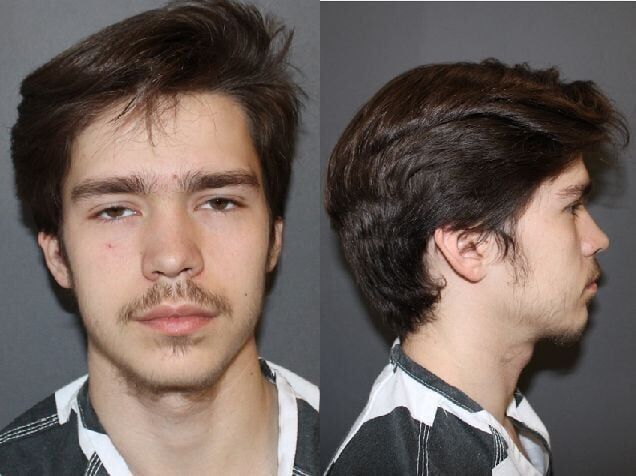
US Rep. Lauren Boebert’s son arrested, faces charges of sexual exploitation of child
Matt Kyle
matt.kyle@denvergazette.com
Updated 1 hour ago
U.S. Rep. Lauren Boebert’s son Tyler Boebert has been arrested and faces charges of sexual exploitation of a child, according to court records. The case originates out of Garfield County in Western Colorado. Tyler Boebert, 21, faces five counts in...
Federal judge declines to dismiss First Amendment retaliation claim against prison official
Michael Karlik
michael.karlik@coloradopolitics.com
Updated 3 hours ago
A federal judge agreed last month that an incarcerated Native American woman may pursue her claim of First Amendment retaliation against a prison official who allegedly interfered with her religious exercise. Yvonne Peterson resided at Buena Vista Correctional Facility for...
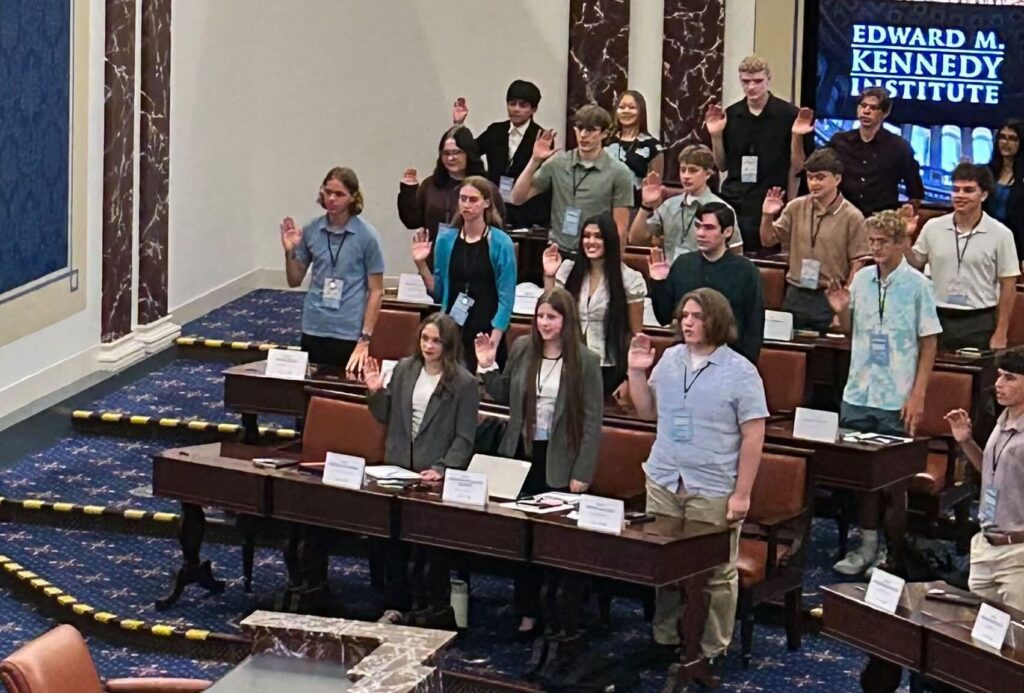
By the students, for the students: Sierra High School represents Colorado in developing national AI framework
Eric Young
eric.young@gazette.com
Updated 2 hours ago
To many, the recent, rapid development of generative artificial intelligence and its lack of frameworks and oversight may evoke comparisons to the unrestrained Wild West in the 1800s or the economic potential of the dot-com boom in the early 2000s....

Colorado’s troubled guardianship office pursues ‘cultural reset’
Marianne Goodland
marianne.goodland@coloradopolitics.com
Updated 3 hours ago
Colorado’s guardianship program, long criticized for mismanagement and high staff attrition, is undergoing a “cultural reset,” as its new director works to repair partnerships and prepare for a major expansion under recent legislation. Created by lawmakers in 2017, the Office...
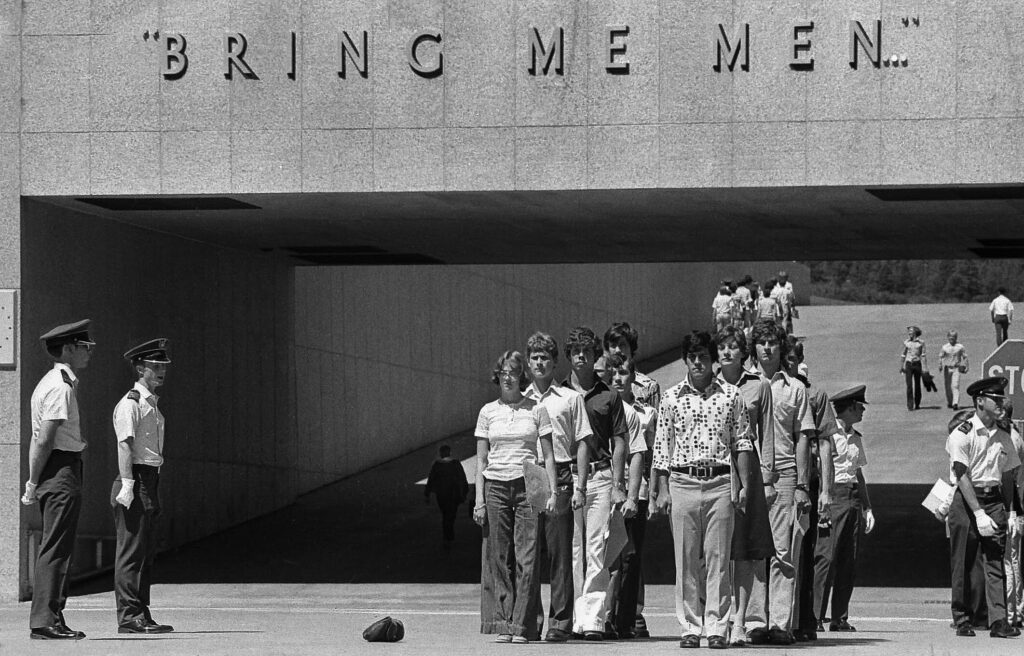
Fifty years later, women reflect on first coed class at the Air Force Academy, struggle for equality
Mary Shinn
mary-shinn@coloradopolitics.com
Updated 2 days ago
When the first female Air Force Academy cadets arrived 50 years ago this summer, they stood in front of an enormous sign on campus that read “Bring me men.” In the shadow of that sign, Kathleen Utley Kornahrens, one of...
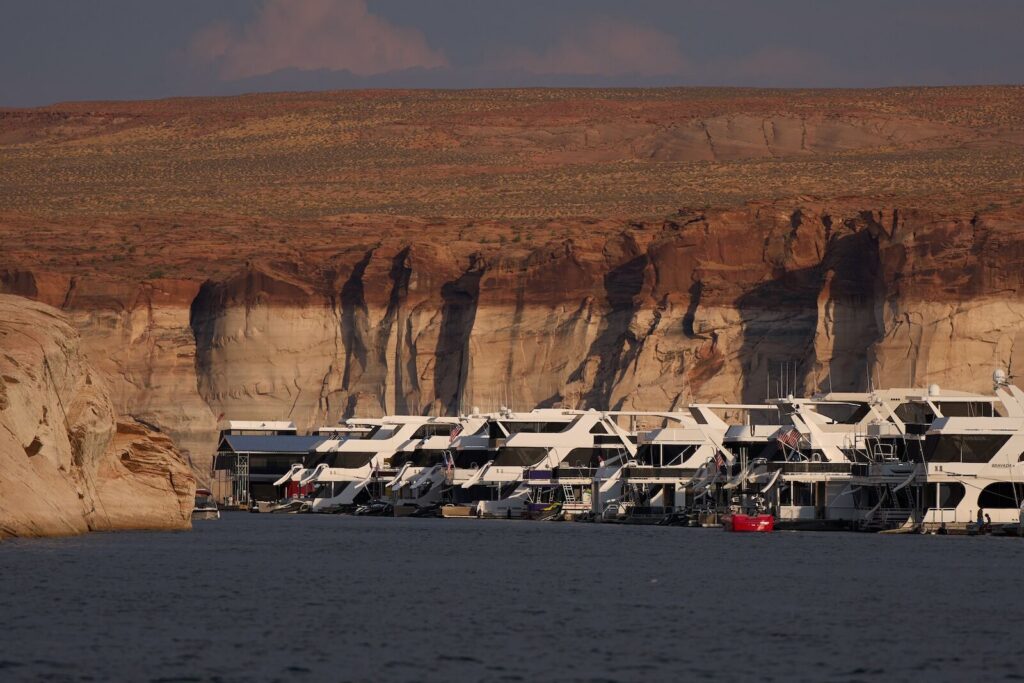
As Lake Powell shrinks, marinas are having to adapt to dwindling water levels | OUT WEST ROUNDUP
The Associated Press
the-associated-press@coloradopolitics.com
Updated 5 days ago
ARIZONA Reservoirs near record lows PAGE — The Colorado River’s Lake Powell, the second largest reservoir in the U.S., is shrinking. A record-dry winter and extreme heat — as well as decades of overuse, chronic drought and climate change —...
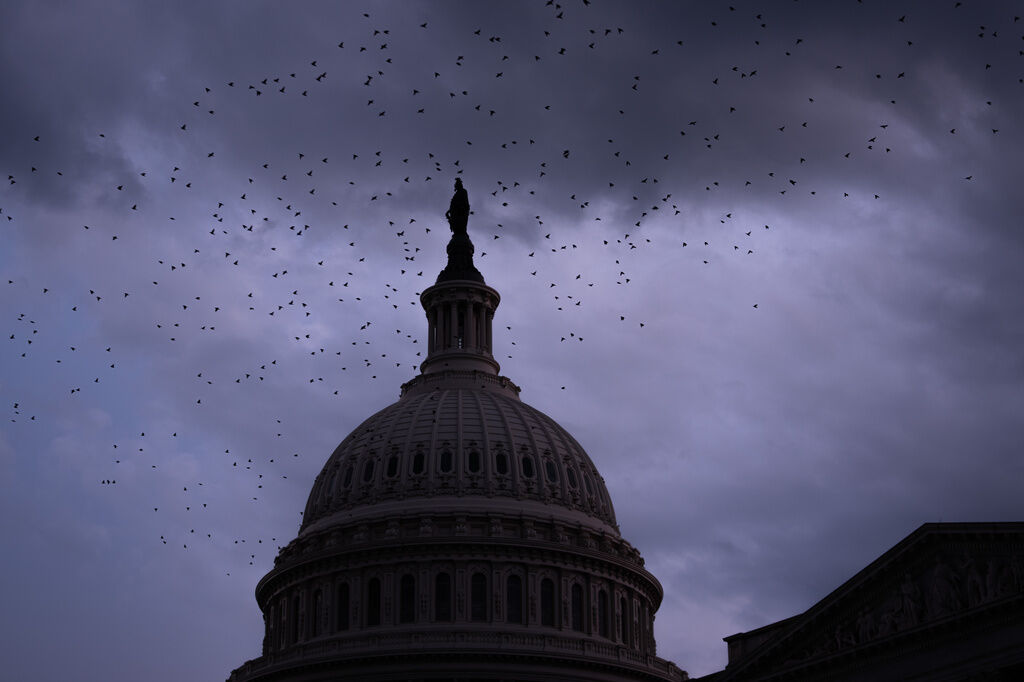
U.S. Senate OKs funding bill to avoid government shutdown
Wire Services
wire-services@coloradopolitics.com
Updated 2 days ago
Hemp provision became point of contention WASHINGTON • The U.S. Senate in an overnight vote Saturday approved a short-term measure to fund federal agencies into early December and avoid a government shutdown during the middle of campaign season. The late-summer...

The relevance of Watergate more than a half-century later | SONDERMANN
By Eric Sondermann
by-eric-sondermann@coloradopolitics.com
Updated 5 days ago
It was the scandal for which all other scandals are now named. In June 1972, a small group of Cuban burglars with high-level connections broke into the headquarters of the Democratic National Committee. Those headquarters were located in the Watergate...

Wirth downplays Social Security disaster talk | A LOOK BACK
Rachael Wright, Special to Colorado Politics
rachael.wright@coloradopolitics.com
Updated 4 days ago
Forty-five years ago this week: “As time goes on,” said Democratic U.S. Rep. Tim Wirth, of the 2nd Congressional District, “we are finding that the safety net, which was proposed earlier this year, has some very large holes in it,”...
Colorado Politics Calendar Aug. 10-16
Rachael Wright, Special to Colorado Politics
rachael.wright@coloradopolitics.com
Updated 4 days ago
CoPo’s weekly political calendar will help you find political and public-policy events throughout Colorado. It includes candidate and issue campaign events, public policy meetings, court hearings, state and local party conventions, assemblies, debates, rallies, parades, speaking engagements, traveling dignitary appearances,...