U.S. Senate OKs funding bill to avoid government shutdown
Hemp provision became point of contention
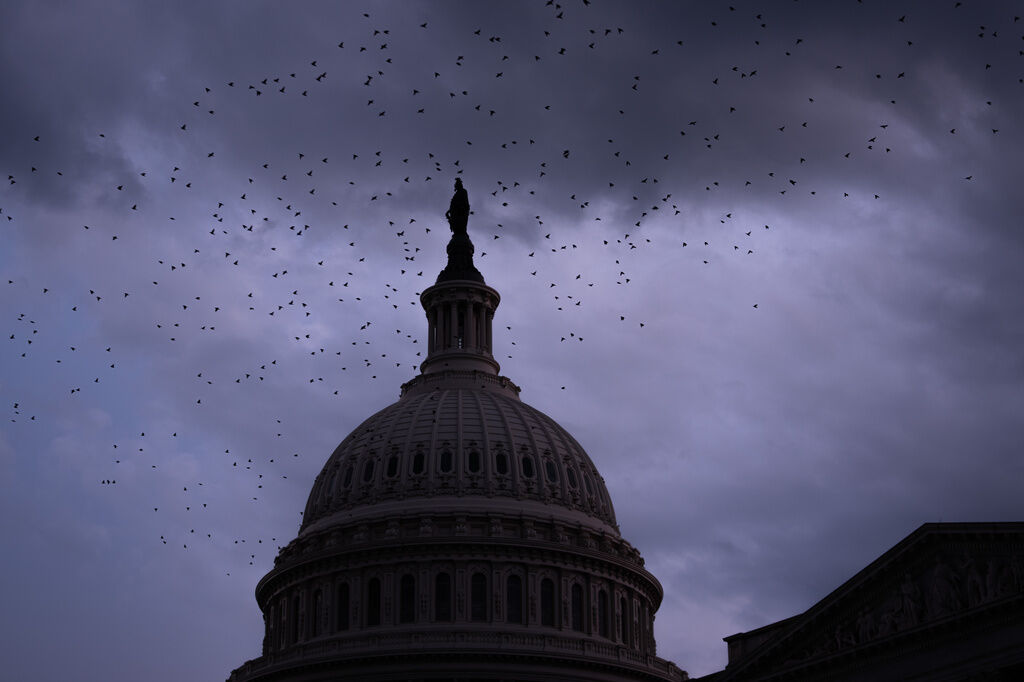
WASHINGTON • The U.S. Senate in an overnight vote Saturday approved a short-term measure to fund federal agencies into early December and avoid a government shutdown during the middle of campaign season.
The late-summer action on a funding fix is unusual. Normally, Congress waits until the final days or hours of a funding deadline to pass short-term patches, but, this time, senators acted nearly two months before the end of the fiscal year on Sept. 30.
The 90-6 vote showed lawmakers are still smarting from the two historic shutdowns that occurred this past year and want to avoid another before voters go to the polls.
Senate Majority Leader John Thune wanted the funding dealt with before the lawmakers go home for the next five weeks to focus on their reelection campaigns and other matters. It got caught up with other issues that pushed votes into the night, but the bill had broad bipartisan support.
The U.S. House will also have to approve the measure when members return from their August recess before it can go to President Donald Trump’s desk for his signature.
The bill generally funds the federal government at current levels through Dec. 11, but it includes a variety of exceptions that senators negotiated with the White House.
Democrats secured language to ensure no money could be transferred to the Border Patrol. They also rejected the White House’s request of $1 billion for early work on a new “Trump-class” battleship that the administration announced on Dec. 22.
Hemp provision became a point of contention
The bill includes language delaying a national ban on most intoxicating hemp products.
That one-month delay prompted pushback from some Senate Republicans, who said that too many such products are falling into the hands of often unsuspecting children. The packaging of the products often relies on bright colors and intentionally mimics popular snack brands to attract consumers.
Sen. Ted Budd, R-N.C., said that, since 2017, there has been nearly a 10-fold increase in cannabis-related emergency room visits by minors in his home state.
“This is a public health crisis that deserves this Senate’s immediate attention,” Budd said. “Our children should never be the testing ground for an industry willing to exploit a loophole in federal law for profit.”
The hemp industry countered that the delay buys time for Congress to craft legislation that protects hemp farmers and businesses while also putting in place safeguards to protect children.
Trump himself has called Budd to discuss the issue, though the president did not specifically ask the senator to drop his effort, Budd’s spokesman said.
“Senator Budd had a friendly phone call with President Trump discussing the legislative efforts regarding THC,” said spokesman Christian McMullen.
He said the senator outlined his concerns about “any delay to closing the hemp loophole.”
Budd tried to strip the hemp delay from the bill, but the Senate turned aside his effort.
A Colorado man has been at the forefront of efforts to delay the federal ban on hemp.
Bret Worley, 30, of Denver is the chief executive of MC Nutraceuticals, which claims to be “the largest global supplier of cannabinoids.” Worley is a member of the board of the trade group Hemp Industry & Farmers of America, which has spent $445,000 on lobbying Congress.
In 2025, the Worleys and their companies agreed to pay $50,000 to settle a consumer protection investigation into their hemp products by Colorado Attorney General Phil Weiser’s office. The settlement document stated that the investigation by the attorney general’s office found the companies misrepresented to consumers “the source, quality, characteristics, ingredients and/or health benefits of their products.” The companies also falsely claimed to be operating in Texas when in fact the companies operated solely in Colorado, according to the settlement.
The companies agreed in the settlement to set up an age-verification system for their hemp products.
In December, the Worleys and the companies also agreed to pay a new fine of $75,000 for continuing to solicit Colorado consumers when the attorney general said their products are prohibited from being sold in Colorado. The new settlement stated the com
Democratic lawmakers, along with U.S. Sen. Susan Collins, R-Maine, also got language in the funding bill that would block, for the duration of the funding patch, new regulations on federal grants.
The regulations would require a senior political appointee to review grants before they are awarded to ensure, among other things, that they advance the president’s policy priorities. Democrats charged it’s an effort to kill grants destined for Democratic-leaning states.
The White House Office of Management and Budget said its effort is about improving accountability to ensure taxpayer dollars aren’t wasted or misused.
The issue will likely reemerge in future negotiations on a full-year spending measure.
Denver Gazette reporter Christopher Osher and The Associated Press contributed to this article.


The relevance of Watergate more than a half-century later | SONDERMANN
By Eric Sondermann
by-eric-sondermann@coloradopolitics.com
Updated 3 days ago
It was the scandal for which all other scandals are now named. In June 1972, a small group of Cuban burglars with high-level connections broke into the headquarters of the Democratic National Committee. Those headquarters were located in the Watergate...

Wirth downplays Social Security disaster talk | A LOOK BACK
Rachael Wright, Special to Colorado Politics
rachael.wright@coloradopolitics.com
Updated 2 days ago
Forty-five years ago this week: “As time goes on,” said Democratic U.S. Rep. Tim Wirth, of the 2nd Congressional District, “we are finding that the safety net, which was proposed earlier this year, has some very large holes in it,”...
Colorado Politics Calendar Aug. 10-16
Rachael Wright, Special to Colorado Politics
rachael.wright@coloradopolitics.com
Updated 2 days ago
CoPo’s weekly political calendar will help you find political and public-policy events throughout Colorado. It includes candidate and issue campaign events, public policy meetings, court hearings, state and local party conventions, assemblies, debates, rallies, parades, speaking engagements, traveling dignitary appearances,...

Democratic group aims Spanish-language TV ad at Gabe Evans in Colorado’s battleground 8th CD
Ernest Luning
ernest.luning@coloradopolitics.com
Updated 14 hours ago
A national group tied to House Democratic leadership launched a six-figure Spanish-language TV ad in Colorado this week targeting Republican U.S. Rep. Gabe Evans and the GOP’s signature budget legislation. The 30-second spot is part of $15 million in new...

Colorado School of Mines lands major share in Trump’s $100M mining-education plan
Thelma Grimes
thelma.grimes@coloradopolitics.com
Updated 16 hours ago
President Donald Trump on Friday named the Colorado School of Mines among roughly a dozen institutions that will share in a $100 million commitment “to train the next generation of American miners.” Paul Johnson, the university’s president, said he is...
Local party leaders, incoming judge among members of judicial performance commission that violated law
Michael Karlik
michael.karlik@coloradopolitics.com
Updated 16 hours ago
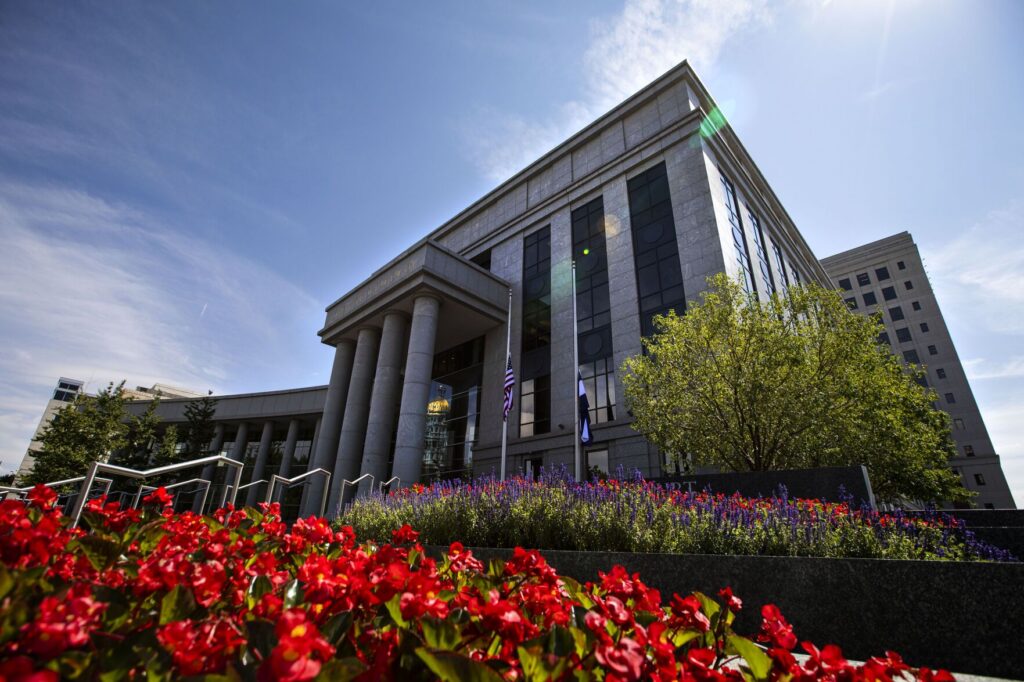
A local Democratic leader and 2024 presidential elector. A legislative aide and leader in the Young Republicans. An incoming county court judge freshly appointed by the governor. They are among the eight members of the northeastern Colorado judicial performance commission...

Judge dismisses lawsuit seeking records from Colorado Democratic group
Marianne Goodland
marianne.goodland@coloradopolitics.com
Updated 17 hours ago
A lawsuit seeking to obtain records from Democratic lawmakers affiliated with a caucus has been thrown out by a Denver District Court judge. On July 17, Judge Ericka Englert dismissed the April lawsuit filed by progressive activist Derrick Blanton, who...
DOJ official decries ‘nonsense’ in Jeffco schools at fundraising gala
Matt Kyle
matt.kyle@denvergazette.com
Updated 34 minutes ago
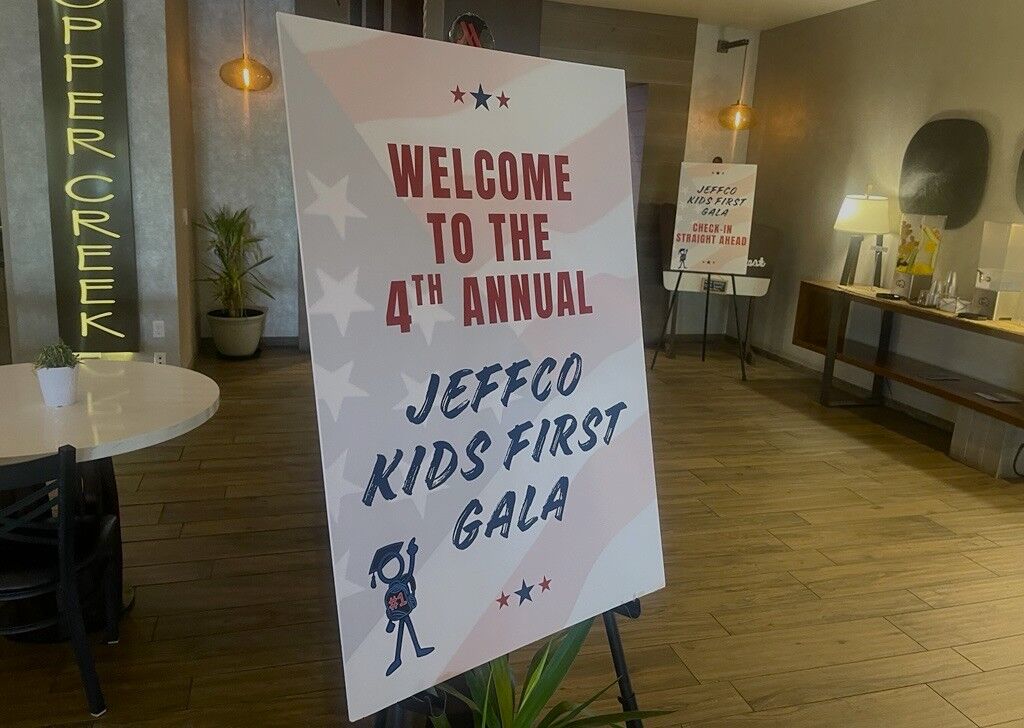
Amid a legal battle between Jeffco Public Schools and the federal government, a Department of Justice official spoke at a fundraising gala and decried “crazy stuff” and “nonsense” in the school district. The gala was for Jeffco Kids First, an...
Colorado Springs mother Deborah Nicholls’ murder conviction overturned
Nick Smith
nick-smith@coloradopolitics.com
Updated 2 days ago
A Colorado Springs mother convicted in 2008 of murdering her three children in a house fire might get a new trial after a judge ruled that prosecutors withheld key evidence that could have impacted the jury’s verdict. Deborah Nicholls, whose...

Aurora Community College student journalist accuses college of ‘unconstitutional gag order’
Kyla Pearce
kyla.pearce@gazette.com
Updated 24 hours ago
An Aurora Community College student is accusing the college of putting an “unconstitutional gag order” on his student-run publication, saying the college banned it from publishing until students jumped through “countless bureaucratic hoops.” A college spokesperson said the college is...