

Appeals court takes no issue with defense lawyer who admitted client’s guilt at trial
Colorado’s second-highest court on Thursday concluded an attorney did not violate his client’s constitutional right to make key decisions about his defense when the lawyer unilaterally told the jury his client committed some of the charged crimes.
The U.S. Supreme Court has provided guidance in recent years about when criminal defense attorneys may concede their client’s guilt. In 2004, the court determined in Florida v. Nixon that an attorney was not barred from admitting his client committed murder in hopes of avoiding the death penalty, as the defendant was aware of that strategy and neither objected nor consented.
However, in the 2018 case of McCoy v. Louisiana, the Supreme Court agreed a defense attorney in a similar death penalty case was wrong to tell jurors his client committed murder when the defendant “vociferously” protested he was innocent.
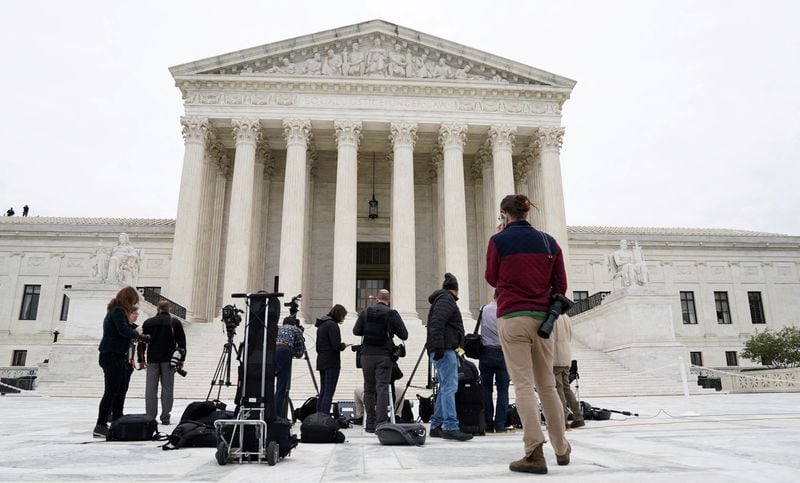
FILE PHOTO: News media gather outside the front of the U.S. Supreme Court building in Washington, U.S. September 30, 2022. REUTERS/Kevin Lamarque/File Photo
KEVIN LAMARQUE

FILE PHOTO: News media gather outside the front of the U.S. Supreme Court building in Washington, U.S. September 30, 2022. REUTERS/Kevin Lamarque/File Photo
A three-judge panel for the Court of Appeals concluded the circumstances of Anthony Christopher Cuevas’ murder conviction in Pueblo County fell “somewhere between” those two guideposts.
“Whereas the defendant in Nixon remained silent when defense counsel consulted with him regarding a guilt concession strategy, Cuevas points out that ‘there is nothing in the record to indicate that Cuevas’ counsel consulted with (him),'” wrote Judge Daniel M. Taubman in the Aug. 8 opinion.
“On the other hand, whereas the defendant in McCoy disputed any involvement in the charged criminal acts, told defense counsel before trial not to concede guilt, and protested counsel’s opening statement,” Taubman continued, “Cuevas did not.”
Ultimately, the panel was persuaded by Cuevas’ lack of protest after his lawyer conceded to the jury that his client committed the lesser offenses he was charged with. Consequently, the Court of Appeals upheld his convictions.
Prosecutors charged Cuevas with murdering his mother, Maria Cuevas-Garcia, and disposing of her partially dismembered body in a suitcase he placed in a dumpster. He also eluded police during a high-speed chase and stole a checkbook and duffel bag from a truck.
Cuevas pleaded not guilty and jurors convicted him of murder, vehicular eluding and identity theft. They could not reach consensus on a criminal trespass charge. Cuevas’ wife, Melanie Cuevas, later pleaded guilty to her role in Cuevas-Garcia’s killing.
During opening statements, Cuevas’ attorney told jurors they “don’t need to spend a lot of mental energy focusing on whether Anthony put the suitcase in the dumpster. He did.”
The lawyer went on to say Cuevas also broke into the truck and eluded police. In response, the prosecutor told the jury during closing arguments that the defense “conceded the other three charges” besides murder. The defense lawyer in closing confirmed Cuevas “admits those things,” but did not admit to murder.
There was no indication the lawyer talked with his client beforehand about that strategy.
“Cuevas plead(ed) not guilty, went to trial, and insisted upon his innocence,” wrote Lauretta A. Martin Neff, who represented Cuevas on appeal. “And yet, his attorney admitted Cuevas’ guilt to the three lesser charged crimes without Cuevas’ agreement.”
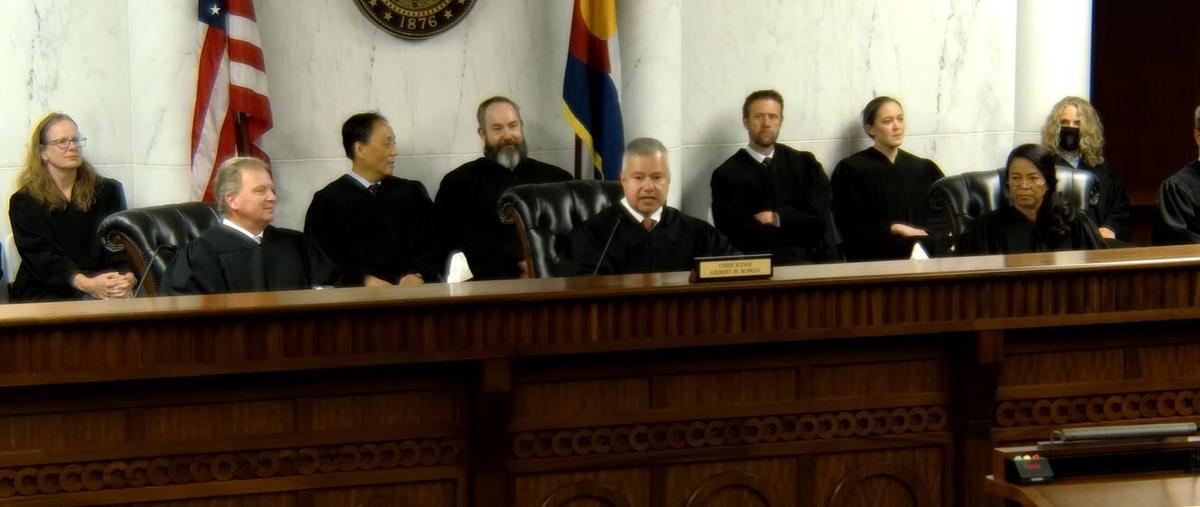
FILE PHOTO: Members of Colorado's Court of Appeals gather at the ceremonial swearing-in of Judge Grant T. Sullivan.
image from video

FILE PHOTO: Members of Colorado’s Court of Appeals gather at the ceremonial swearing-in of Judge Grant T. Sullivan.
She elaborated that the actions of Cuevas’ trial attorney absolved the prosecution of proving the less serious offenses beyond a reasonable doubt. Referencing the Supreme Court’s recognition that a defendant who objects to a lawyer’s admission of guilt is in a different position than a defendant who does not object, Martin Neff believed the distinction was unrealistic.
“In fact, it is rare that a client will object on the record, especially during trial when stress levels are high or when a criminal defendant may not fully understand what is happening,” she argued. “When a criminal defendant is represented but attempts to address the trial court directly, courts typically cut the defendant off and refer them to speak with counsel.”
The Court of Appeals panel saw the question in a somewhat different light: Did Cuevas’ plea of not guilty amount to an expression of innocence, like in McCoy, that his lawyer could not override without his consent? Pointing to cases from other states’ appeals courts, the panel decided a defendant who disagrees with his lawyer’s concessions has some obligation to say so.
“To be sure, defense counsel has a duty to consult with the client about trial strategies, including conceding guilt,” wrote Taubman, a retired judge who sat on the panel at the chief justice’s assignment. “By violating that duty, however, defense counsel does not inherently usurp his or her client’s autonomy.”
Taubman added that Cuevas might have a viable claim his lawyer was constitutionally ineffective by failing to consult with him, but Cuevas would need to raise those allegations in a separate proceeding.
Defense attorney Gregory Lansky agreed with Martin Neff that such a rule requires too much from defendants who lack knowledge about their duty to object.
“Counsel’s error caused a violation of the fundamental legal principle that a defendant must be allowed to make his or her own choices about the proper way to protect his or her liberty, the effects of counsel’s error are too hard to measure, and the error signals fundamental unfairness in the defendant’s proceedings,” he said.
The case is People v. Cuevas.

Federal judge green-lights excessive force, retaliation claims for trial against Fort Collins officers
Michael Karlik
michael.karlik@coloradopolitics.com
Updated 1 day ago
A federal judge green-lit a jury trial last week against multiple Fort Collins police officers on claims that they used excessive force on one man who was standing unarmed in his underwear, and retaliated against another man for exercising his...
10th Circuit revives wage violation lawsuit against Papa John’s operator
Michael Karlik
michael.karlik@coloradopolitics.com
Updated 22 hours ago
The Denver-based federal appeals court on Tuesday reinstated a former Papa John’s delivery driver’s lawsuit alleging violations of federal and state wage law. Steve Mighell worked for one month at a Denver Papa John’s location in summer 2023. He alleged...
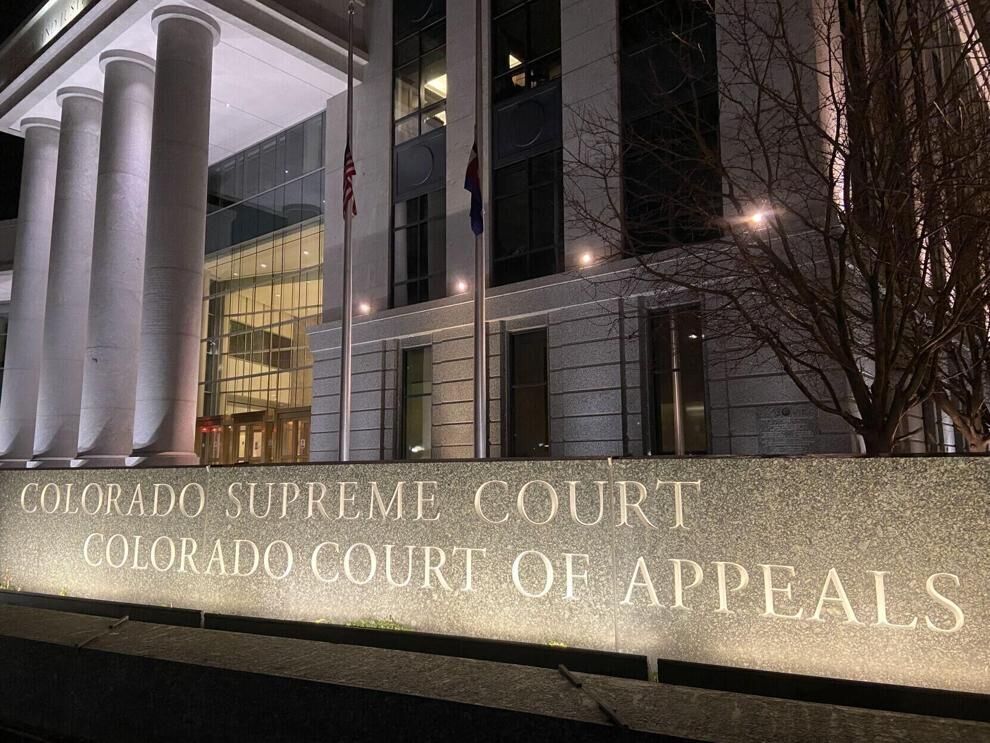
Colorado appeals judge’s delays in releasing opinions noted by performance commission
Michael Karlik
michael.karlik@coloradopolitics.com
Updated 53 minutes ago
The citizen-led performance commission that provides guidance to voters about whether to retain members of Colorado’s second-highest court raised concerns by judges and attorneys that Judge Elizabeth L. Harris sometimes struggles with releasing opinions promptly. Harris, who joined the Court...

Colorado judge explores sanctions against DOJ, ICE for rearresting man 4 days after release on bond
Michael Karlik
michael.karlik@coloradopolitics.com
Updated 1 day ago
A federal judge in Colorado is considering sanctions against the government after immigration agents rearrested a man four days after an immigration judge found him suitable for release on bond. On July 28, U.S. Magistrate Judge N. Reid Neureiter ordered...
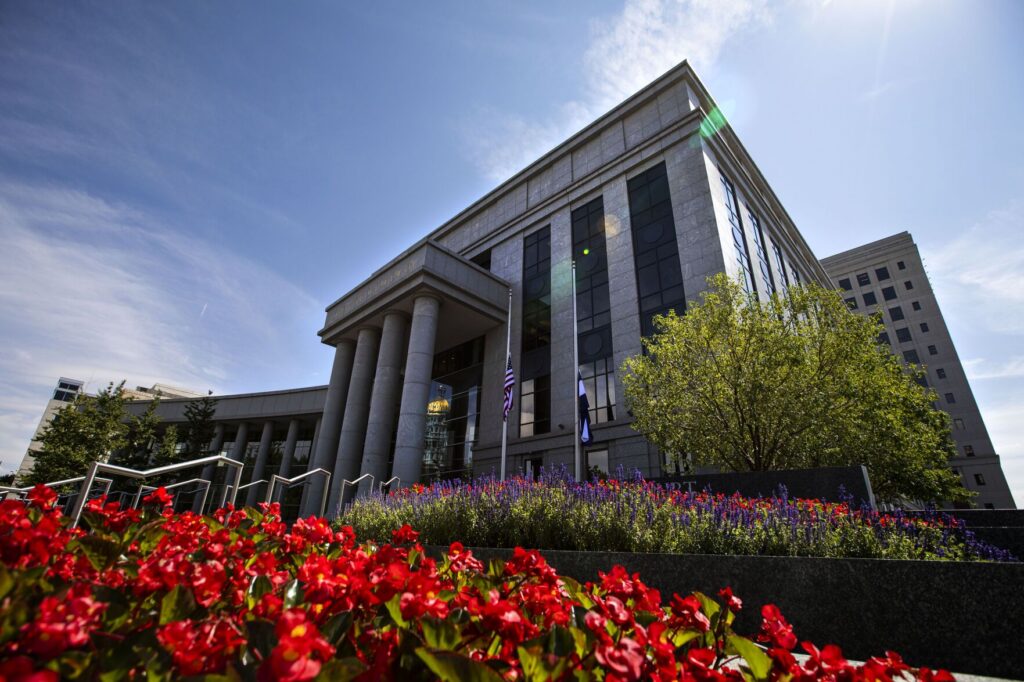
Divided disciplinary panel censures Montezuma County judge after agreement reached
Michael Karlik
michael.karlik@coloradopolitics.com
Updated 1 day ago
A disciplinary panel formally imposed a public censure, suspension, and further training on Montezuma County Court Judge Ian J. MacLaren on Tuesday by a 2-1 vote. Under constitutional Amendment H, which voters adopted in November 2024, MacLaren was set to...
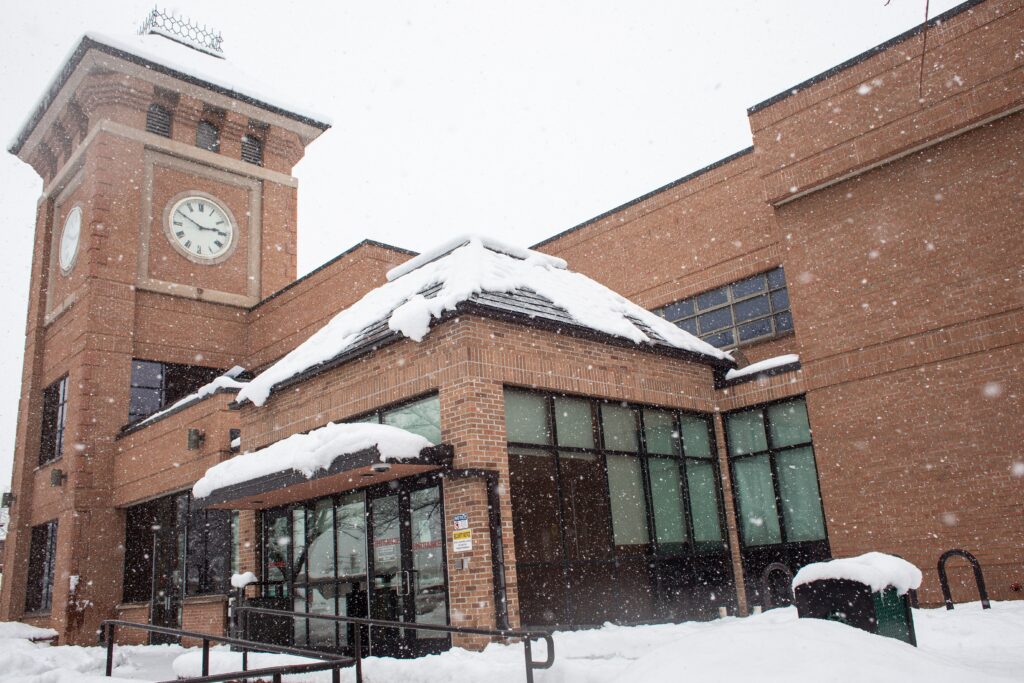
Colorado’s Western Slope magistrate judges describe unique role in federal judiciary
Michael Karlik
michael.karlik@coloradopolitics.com
Updated 3 days ago
Two of Colorado’s federal judges stationed on the Western Slope spoke to lawyers on Wednesday about their unique roles, the ways their workloads differ, and the need for more criminal defense lawyers to take cases outside the Front Range. “Here...

Denver sues Philip Morris, other tobacco companies over cigarette butt litter
Deborah Grigsby
deborah.smith@denvergazette.com
Updated 1 day ago
Denver is demanding that some of the biggest tobacco companies in the world pay for the cleanup of discarded cigarette butts on its streets, following a similar campaign that cities in other states have pursued. Denver’s lawsuit, filed this week...
Federal judge rules that request for bond hearing not necessary to challenge immigration detention
Michael Karlik
michael.karlik@coloradopolitics.com
Updated 1 day ago
A federal judge in Colorado ruled last week that it is not mandatory for a person to seek a bond hearing with an immigration judge before they challenge the lawfulness of their detention in federal court. For the past year,...

Boulder Valley School District introduces new policies following antisemitism lawsuit
Marissa Ventrelli
marissa.ventrelli@coloradopolitics.com
Updated 1 day ago
The chief of Boulder Valley School unveiled new policies for the 2026-2027 school year following a lawsuit filed on behalf of a student alleging antisemitic harassment. In June, the Anti-Defamation League filed a federal civil rights complaint against the school...

Colorado NRA chapter seeks injunction against new gun‑training requirement
Marissa Ventrelli
marissa.ventrelli@coloradopolitics.com
Updated 2 days ago
The Colorado chapter of the National Rifle Association is seeking an injunction to stop the state from enforcing a new law that took effect earlier this month. The new law requires anyone buying or selling certain firearms to first complete...