

First Amendment expert: Proposal from Democratic leaders ‘completely’ exempts lawmakers from open meeting laws
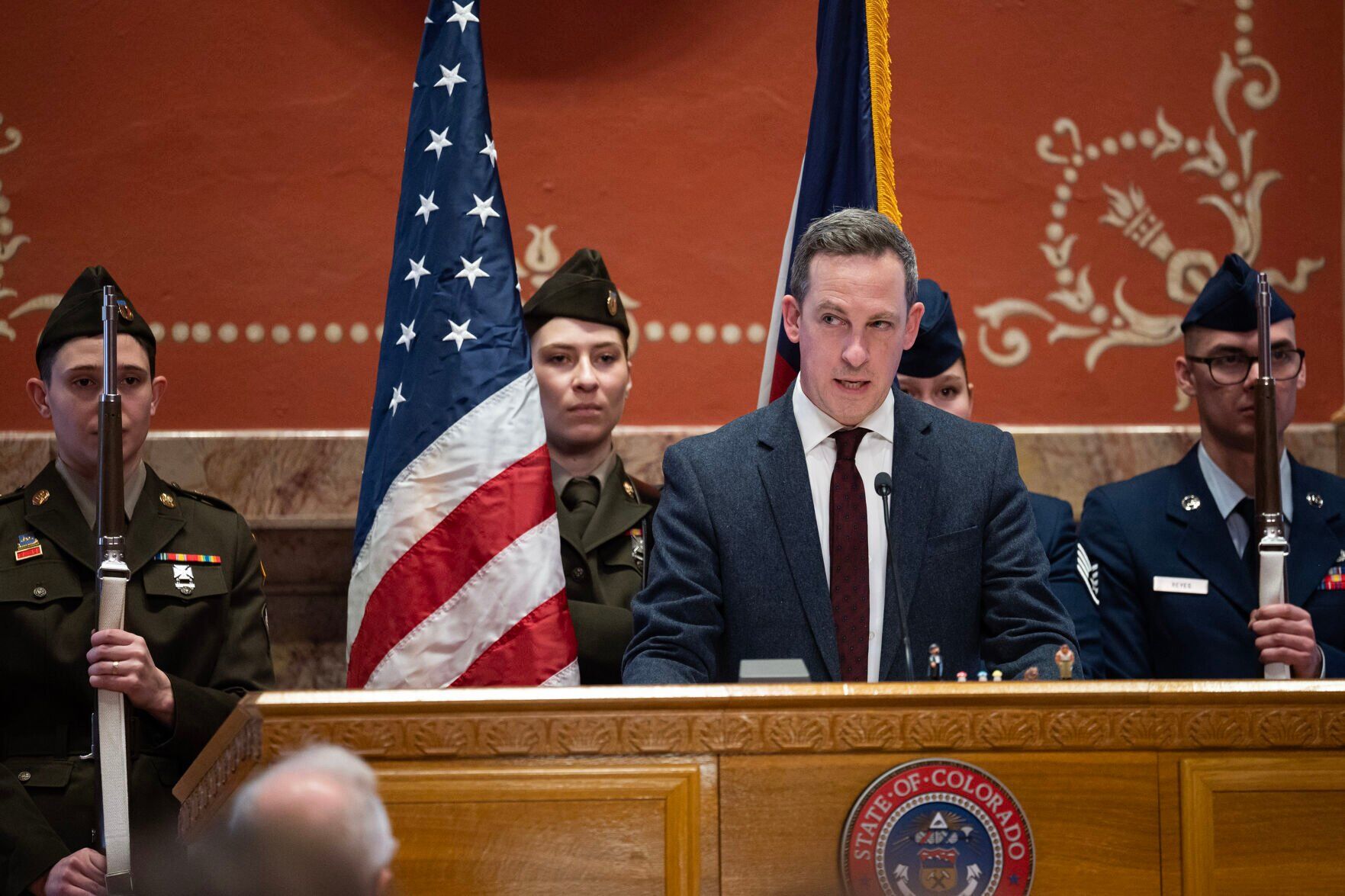
Leaders of the Colorado General Assembly, along with several Democratic members, are seeking sweeping exemptions for lawmakers from the state’s open meetings law, which contains guarantees of transparency when officials craft policies.
The exemptions only apply to the legislature, not to other policymaking bodies such as a city council or county commission.
First Amendment attorney Steve Zansberg said the proposal from Democratic leaders, in essence, "completely exempts the General Assembly, and all its constituent committees, from the open meetings law."
It’s not immediately clear if the proposal is a direct response to a lawsuit filed in July against leaders of both House caucuses. That lawsuit from two Democratic legislators claimed the Democratic and GOP caucuses each held mandatory secret meetings at least weekly during the 2023 legislative session, directing legislative aides to omit or disguise the meetings on legislators’ calendars, and thereby failing to adhere to the state’s open meetings law.
The lawsuit was settled in September with an agreement from leaders to not hold meetings that could violate the open meetings law and for members to not use open messaging apps to conduct public business.
The proposal introduced by House Speaker Julie McCluskie and Senate President Steve Fenberg would change the laws so that written communication, “electronic or otherwise,” that is exchanged between members of the General Assembly is not subject to open meetings laws.
In addition, the bill would redefine “public business” to not apply to matters that are “by nature interpersonal, administrative, or logistical or that concern personnel, planning, process, training, or operations, as long as the merits or substance of matters that are expressly defined as being public business are not discussed.”
First Amendment attorney Steve Zansberg, president of the Colorado Freedom of Information Coalition, said the proposal, in essence, “completely exempts the General Assembly, and all its constituent committees, from the open meetings law.”
“It would allow state legislators (i.e., all of them, collectively) to discuss all pending legislation via electronic communications without the public ever being able to inspect those communications,” Zansberg said.
“Given the magnitude and scope of this bill — that would literally exempt an entire branch of government from a citizen-initiated transparency law that has been in place for 50 years — the sponsors should have convened discussions with stakeholders before introducing such ill-conceived legislation. Conducting such discussions now, in committee hearings, is not likely to produce a reasonable compromise solution,” the lawyer said.
Zansberg said if enacted, the proposal would allow lawmakers to engage in an “infinite number of serial meetings” with less than a quorum of any committee, caucus or the entire body — without providing public notice or keeping minutes — and in “endless discussions through electronic means” without the public ever knowing such conversations occurred or gaining access to them.
Such a scenario would leave the public “completely in the dark,” Zansberg said.
The lawyer said if the General Assembly wants to exempt itself “wholesale” from the open meetings law, lawmakers ought to do it in a way that’s straightforward and plain for the public to see.
“It would be more transparent and plain for the public if they simply exempted the General Assembly from the definition of state ‘public body,’ rather than all of this rigmarole of how they’re going about doing it,” Zansberg said. “And that’s fine … and they will face the political consequences of doing so.”
Fenberg and McCluskie did not immediately respond to questions.
Under the the bill, text or email messages between lawmakers would not be subject to the open meetings law, though it says the Colorado Open Records Act would apply to “any records” of those communications.
As justification for the changes, McCluskie, Fenberg and Speaker Pro-Tem Chris deGruy Kennedy said the General Assembly is “distinct from any other state public body based on the volume and broad scope of the legislation it considers, the limited duration of its legislative sessions, and its large membership of one hundred legislators.”
“The policy-making function of the General Assembly is furthered by the often informal, direct flow and sharing of information, research, and ideas between and among legislators concerning policy positions and legislation,” their proposal said.
The case over caucus meetings from Epps and Marshall is not the only issue that deals with transparency at the state Capitol that has arisen within the last few years.
Democratic leaders have also faced criticism over the practice known as quadratic voting, a system that allows Democrats to internally prioritize bills while factoring in price tags and the limited pool dollars available.
It works like this: Every Democratic lawmaker gets access to an interactive website with a spreadsheet that lists the bills awaiting action from the House or Senate Appropriations committees. Bills before those two panels require general fund dollars.
The voting system has usually only applied to Democrats. Those in the majority in Colorado’s Capitol are the only lawmakers allowed to vote in the survey, and it usually only applies to their bills.
Republicans have told Colorado Politics in the past that they’ve been excluded both from the process and from having their bills considered. However, KUNC reported last year that a bill sponsored by House Minority Leader Mike Lynch of Wellington, on wildfire cameras, was included in the survey and ranked No. 2. Despite the measure winning unanimous support from the state Senate, it died in the House.
The process is conducted in secret. Lawmakers do not divulge how the voting came out. Colorado Politics began asking for access to the results in 2019, and other Capitol reporters also have challenged the secrecy behind the system. KUNC’s Scott Franz began filing open records requests in 2019 to obtain the results. All those requests were denied until this year, when Democratic lawmakers relented after complaints about the system’s secrecy and released the results of the March 24 anonymous survey.
The open meetings law prohibits lawmakers for voting via secret ballot. One lawmaker referred to quadratic voting as a secret ballot in a 2020 interview.
It’s not immediately clear how Gov. Jared Polis would approach his party mates’ proposed changes to the open meetings law.
Last year, Polis vetoed legislation that would have barred the recovery of attorney’s fees by a pro se plaintiff in cases dealing with the open meetings law.
“(We) should strive for increased transparency and accountability, not less transparency and accountability, throughout out democratic institutions,” the governor wrote.

Federal judge hears arguments about Colorado’s 3-day gun purchase waiting period
Michael Karlik
michael.karlik@coloradopolitics.com
Updated 5 hours ago
A federal judge heard arguments on Monday about the constitutionality of a 2023 Colorado law that generally imposes a three-day waiting period on firearm purchases after the initiation of a background check. The test that the U.S. Supreme Court created...

U.S. Supreme Court clears way for Trump mail voting order in advance of midterms
Wire Services
wire-services@coloradopolitics.com
Updated 9 hours ago
WASHINGTON • The U.S. Supreme Court on Monday cleared the way for President Donald Trump to move ahead with an executive order that seeks to restrict the mailing of ballots to American citizens in an eligible voters list. The executive...
Colorado Supreme Court intervenes in Weld County prosecution dismissed due to Missy Woods misconduct
Michael Karlik
michael.karlik@coloradopolitics.com
Updated 9 hours ago
The Colorado Supreme Court ordered a Weld County trial judge last week to respond to the district attorney’s claim that he improperly dismissed a criminal case because of “outrageous” conduct by the Colorado Bureau of Investigation. Daniel Lee Eatinger stood...
Trump opens ‘economic D-Day’ offensive against Iran as war nears six-month mark
Christian Datoc
christian-datoc@coloradopolitics.com
Updated 14 hours ago
President Donald Trump is seeking to increase the financial pressure on Iran with new secondary sanctions on nations and foreign actors propping up the regime’s economy as the war between the United States and Tehran nears the six-month mark. Treasury...

Trump announces 50% tariffs on Canadian cars, auto parts, and steel
Naomi Lim
naomi-lim@coloradopolitics.com
Updated 14 hours ago
President Donald Trump escalated the trade war with Canada after talks collapsed last week, announcing Monday that the United States would impose 50% tariffs on cars, trucks, automotive components, and steel starting Jan. 1, 2027. “Canada has been ripping off...
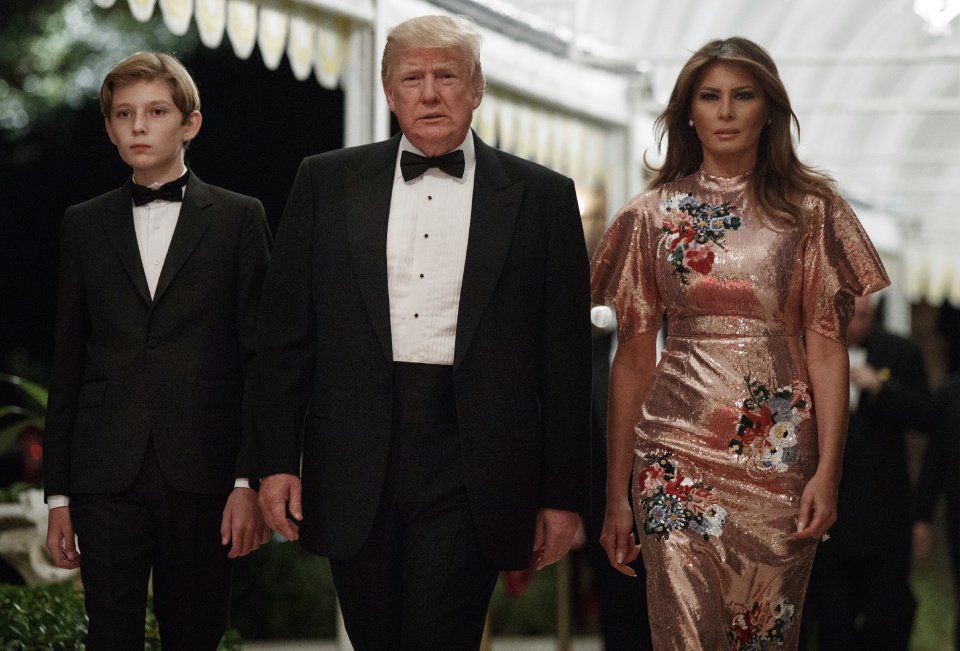
Iran puts out propaganda video tracking Barron Trump’s location, offering $10 million for his assassination
Timothy Nerozzi
timothy-nerozzi@coloradopolitics.com
Updated 15 hours ago
The Islamic Revolutionary Guard Corps is putting a hit out on President Donald Trump’s son, Barron Trump, with an inflammatory video claiming to track his location. State-run television in Iran is broadcasting a propaganda video claiming to show the locations...
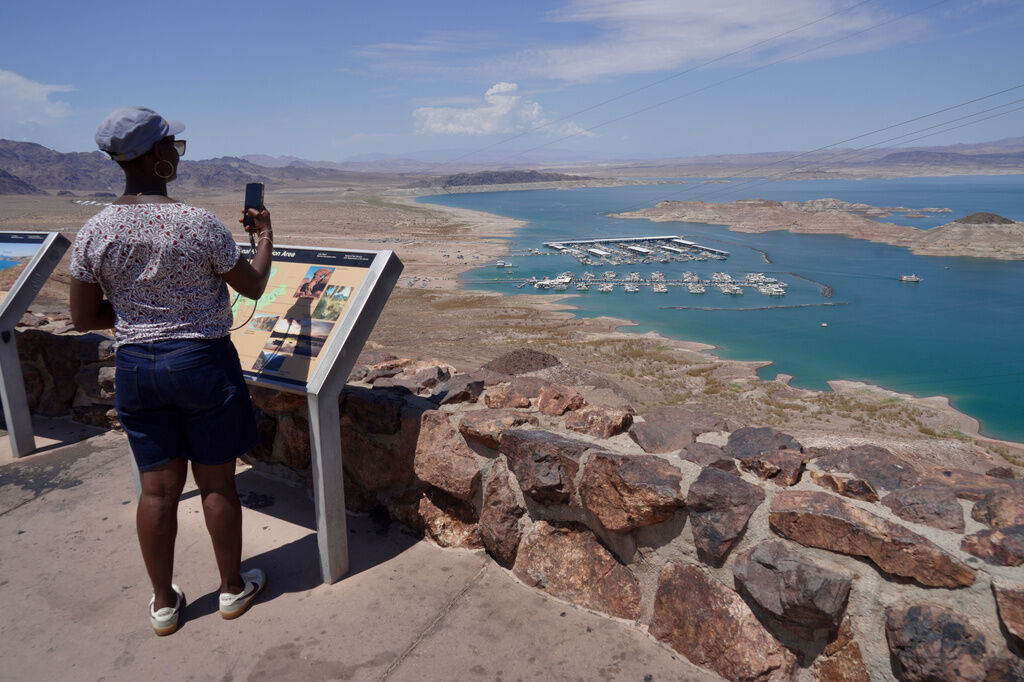
Nevada sues Trump administration over Colorado River cuts
Marianne Goodland
marianne.goodland@coloradopolitics.com
Updated 7 hours ago
On Monday, the state of Nevada filed a lawsuit against the Trump administration and Interior Secretary Doug Burgum, seeking to block the Colorado River management plan. On Friday, Burgum released a “record of decision” that would reduce water allocations to...

Healthcare Freefall: Longer drives, fewer options for maternity care in Colorado
Thelma Grimes
thelma.grimes@coloradopolitics.com
Updated 17 hours ago
Editor’s Note: Colorado’s healthcare system is entering a period of accelerating instability — a “tsunami,” as multiple leaders describe it — driven by collapsing hospital finances, shrinking Medicaid reimbursements, disappearing services and a political fight over who is responsible for...
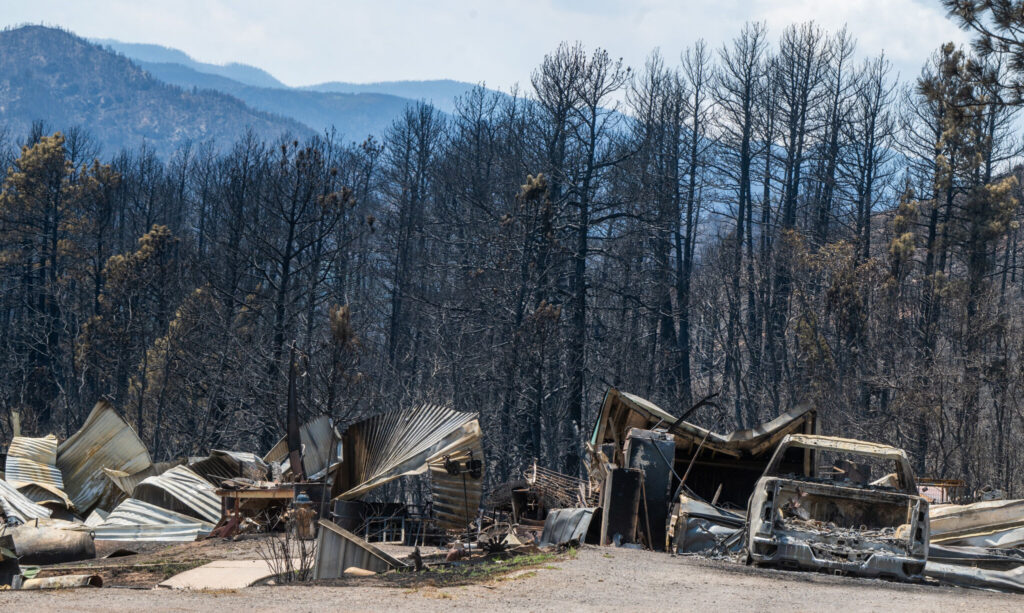
Polis requests federal disaster declaration for Colorado wildfires and floods
9News
9news@coloradopolitics.com
Updated 11 hours ago
On Sunday, Gov. Jared Polis officially requested a Major Disaster Declaration from President Donald Trump and the Federal Emergency Management Agency to support recovery from two wildfires and the subsequent flooding and debris flows on both burn scars. Polis requested a declaration...
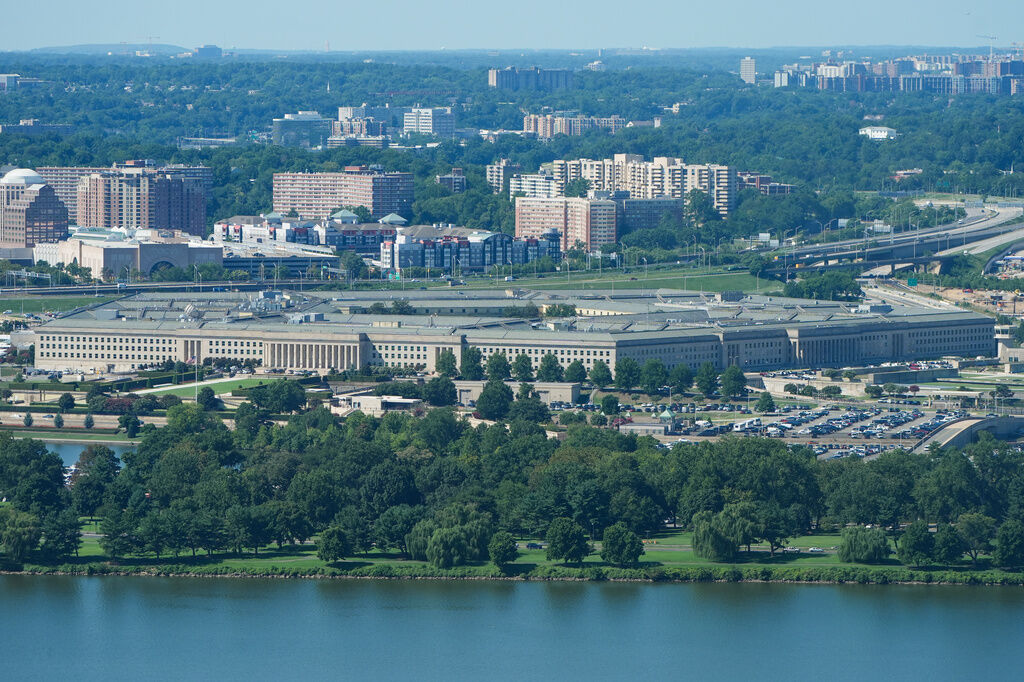
US strikes another boat in eastern Pacific, killing two, Pentagon says
The Associated Press
the-associated-press@coloradopolitics.com
Updated 18 hours ago
U.S. forces have struck another vessel in the eastern Pacific, killing two people the Pentagon says were trafficking drugs. The U.S. Southern Command announced the strike in a social media post early Monday. The death toll from the Trump administration’s...
PREV
PREVIOUS
Two candidates from the past in an election about the future | SONDERMANN
Over recent days, the mailbox has contained two distressing envelopes. One was our annual residential property tax bill. Yikes. The political temperature in many parts of the state is about to get markedly hotter. The other was my ballot for the upcoming presidential primary election on March 5th. As an unaffiliated voter of long standing, […]

Nearly a dozen Republicans pack Colorado's 4th CD primary, Democratic leaders want exemptions from open meetings law | WHAT YOU NEED TO KNOW
Today is Feb. 19, 2024, and here’s what you need to know: With just weeks until precinct caucuses and less than a month to go before nominating petitions are due, it’s crunch time in the Republican primary for Colorado’s safest GOP-held congressional seat. At last count, 11 candidates are vying for the chance to replace […]