

Boulder County judge potentially coerced verdict, appeals court finds in reversing convictions
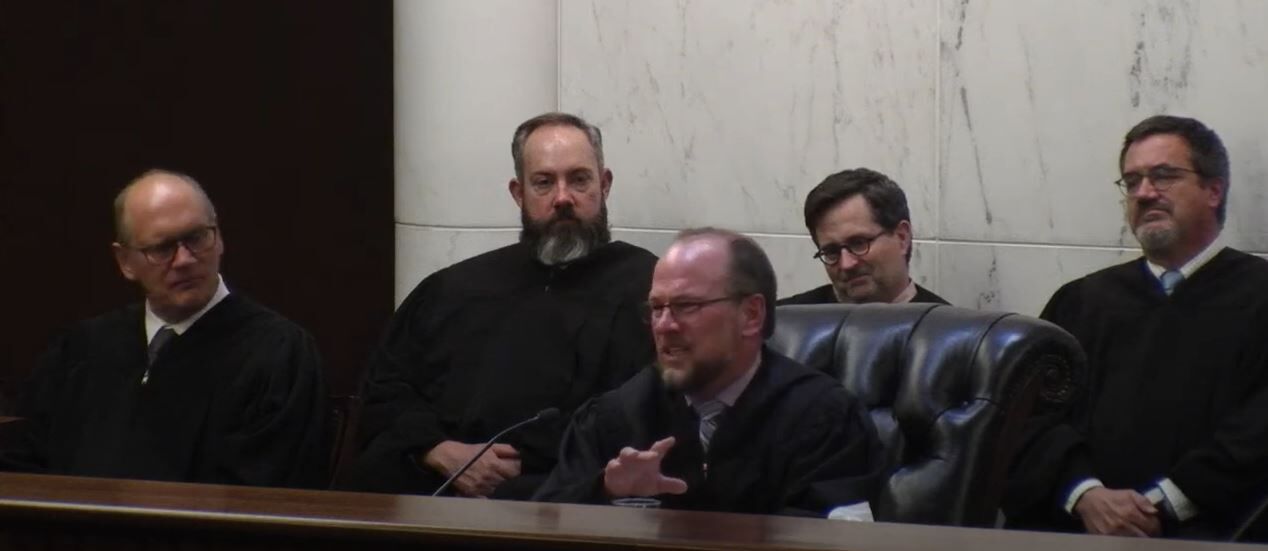
A Boulder County judge potentially coerced jurors into a verdict when she directed them to keep deliberating even though they were at an impasse, Colorado’s second-highest court ruled last month.
When a jury indicates it is deadlocked, judges may advise jurors, in what is known as a “modified-Allen” instruction, to “reexamine your own views” and possibly change their vote. But jurors should not “surrender your honest conviction” simply to reach a verdict or to go along with the others on the jury.
Crucially, however, judges must first determine whether the jury actually appears likely to reach a unanimous decision, so as to ensure the modified-Allen instruction does not push holdout jurors into a “compromise verdict.” A three-judge panel of the Court of Appeals determined then-District Court Judge Judith L. LaBuda neglected to take that step before she told jurors to keep deliberating, and that error required a new trial for defendant Omar Mosaab Abughalib.
“If a jury is truly deadlocked, an edict from the bench to reach agreement has the potential to produce a verdict that is based not solely on the evidence but on the pressure a wavering juror might feel to reach a unanimous verdict,” wrote Judge Timothy J. Schutz in the panel’s April 27 opinion. “That juror – or jurors – could feel marginalized by the court: essentially, a direction to continue deliberating when the jury is deadlocked communicates to a holdout that their sincere conscientious concerns matter less than a unanimous verdict.”
Abughalib stood trial in 2019 on nine counts related to assault and sexual assault. Ultimately, the jury convicted him of five offenses against two women and acquitted him of the rest. Abughalib’s defense was that the encounters were consensual. LaBuda sentenced him to 16 years to life in prison and 20 years to life of sex offender probation.
During the third day of deliberations, after jurors had been discussing the case for 20 hours, they sent a note to LaBuda indicating they reached an impasse. The prosecutor requested that the judge bring the jury out and ask “whether further discussions would be fruitful.” Then LaBuda could give the modified-Allen instruction. The defense agreed.
“The Court intends to bring the jury in and read them the modified-Allen instruction. That’s all I intend to do,” LaBuda replied. A few hours later, the jury rendered its verdict.
On appeal, Abughalib argued LaBuda was required to find out whether progress toward a verdict was possible. If it was not, the defense would have requested a mistrial.
“And regardless,” wrote public defender Elizabeth Griffin, “a mistrial would’ve been required since forcing a hopelessly deadlocked jury to continue deliberating – no matter the instruction – may unconstitutionally coerce a compromise.”
The government disagreed, pointing to the split verdict as a sign the jurors properly weighed the evidence.
The Court of Appeals panel rejected that interpretation of the facts. The purpose of the modified-Allen instruction, Schutz explained, is to balance the need for a unanimous verdict with the “sanctity of the jury’s deliberations.” The instruction is not necessary if a judge determines deliberations are actually headed toward a verdict, nor is it needed if there is a clear deadlock resulting in a mistrial.
Only when a judge believes deliberations might produce a verdict should they deliver the instruction, Schutz noted.
“The existence of a split verdict,” he wrote, “is just as readily interpreted as evidence the jury was hopelessly deadlocked, and one or more jurors ended up compromising their conscientious determination of innocence out of building pressure to compromise that was stoked by the modified-Allen instruction.”
Due to the risk of coercion, the appellate panel ordered a new trial.
The case is People v. Abughalib.



Federal judge clarifies ex-GOP treasurer candidate’s burden to prove defamation claims
Michael Karlik
michael.karlik@coloradopolitics.com
Updated 2 minutes ago
A federal judge clarified last week that businessman and former Republican statewide candidate Brian Watson will need to surmount a higher hurdle in proving his claim that a party guest’s alleged description of him as a “criminal” amounted to defamation....
Colorado board permits state to appeal injunction against arthritis drug price cap
Marissa Ventrelli
marissa.ventrelli@coloradopolitics.com
Updated 4 hours ago
A Colorado board voted Friday to allow the Attorney General’s Office to fight an injunction against a price cap on a drug that treats arthritis. A U.S. district court judge had granted the company Amgen a preliminary injunction, temporarily blocking...

Federal judge rejects constitutional claims, ‘expressions of hatred’ by Club Q defendant
Michael Karlik
michael.karlik@coloradopolitics.com
Updated 19 hours ago
A federal judge rejected a defendant’s claims that he received constitutionally ineffective assistance of counsel while facing federal hate crime and firearms charges for murdering five people at a Colorado Springs LGBTQ nightclub in 2022. Anderson Lee Aldrich is serving...

Divided 10th Circuit upholds Colorado congestion fee on car rentals
Michael Karlik
michael.karlik@coloradopolitics.com
Updated 16 hours ago
The Denver-based federal appeals court concluded on Monday that a 2024 “congestion impact fee” that lawmakers imposed on short-term vehicle rentals did not conflict with a federal prohibition on certain airport-related charges. Beginning in the 1970s, Congress began limiting the...
10th Circuit dismisses woman’s lawsuit following 10-year attempt to undo restraining order
Michael Karlik
michael.karlik@coloradopolitics.com
Updated 4 days ago
The Denver-based federal appeals court rejected a woman’s challenge on Friday to a restraining order imposed on her more than a decade ago, finding that she cannot credibly claim she will be prosecuted for violating the restraining order through her...
10th Circuit dismisses woman’s lawsuit following 10-year attempt to undo restraining order
Michael Karlik
michael.karlik@coloradopolitics.com
Updated 4 days ago
The Denver-based federal appeals court rejected a woman’s challenge on Friday to a restraining order imposed on her more than a decade ago, finding that she cannot credibly claim she will be prosecuted for violating the restraining order through her...
Colorado equal pay law does not require plaintiffs to allege gender-based retaliation, appeals court finds
Michael Karlik
michael.karlik@coloradopolitics.com
Updated 3 days ago
The 2019 Colorado law aimed at rooting out pay discrimination on the basis of sex does not require a plaintiff to allege their employer retaliated against them for sex- or gender-related reasons, the state’s second-highest court decided on Thursday. Lawmakers...
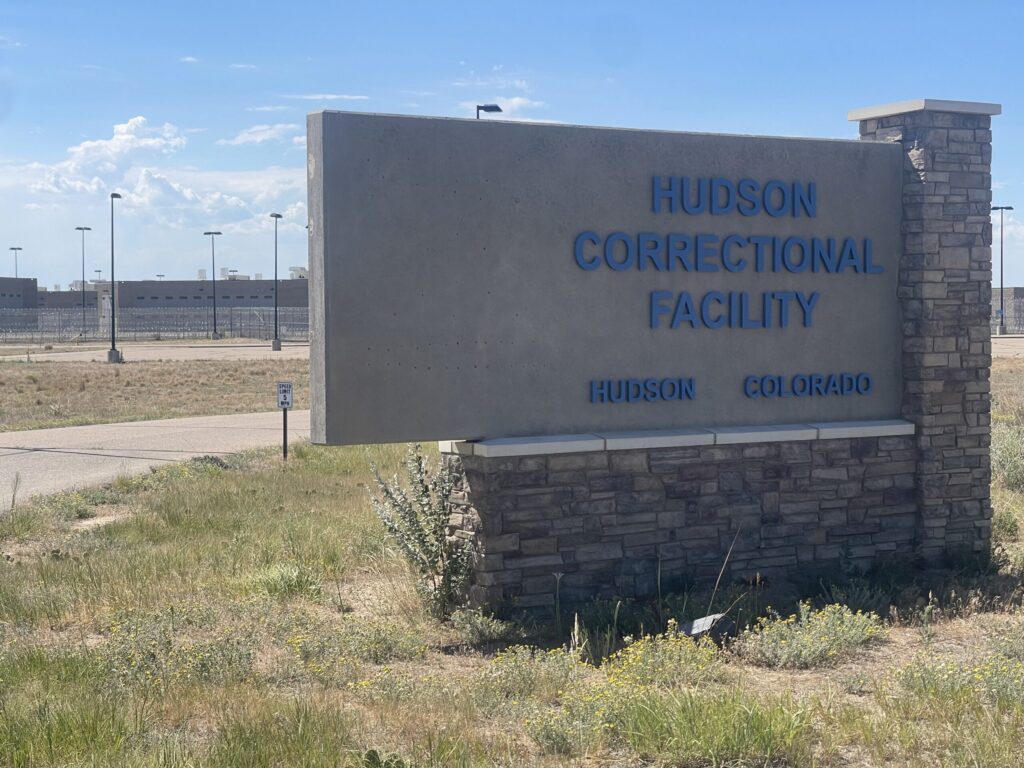
Hudson faces lawsuit over ICE detention facility
Nicole C. Brambila
nicole-c-brambila@coloradopolitics.com
Updated 4 days ago
A nonprofit organization filed a lawsuit against the Town of Hudson Wednesday, challenging plans to reopen a former federal prison in the town as a U.S. Immigration and Customs Enforcement detention facility. Together Colorado, along with Janet E. Carlson, filed...
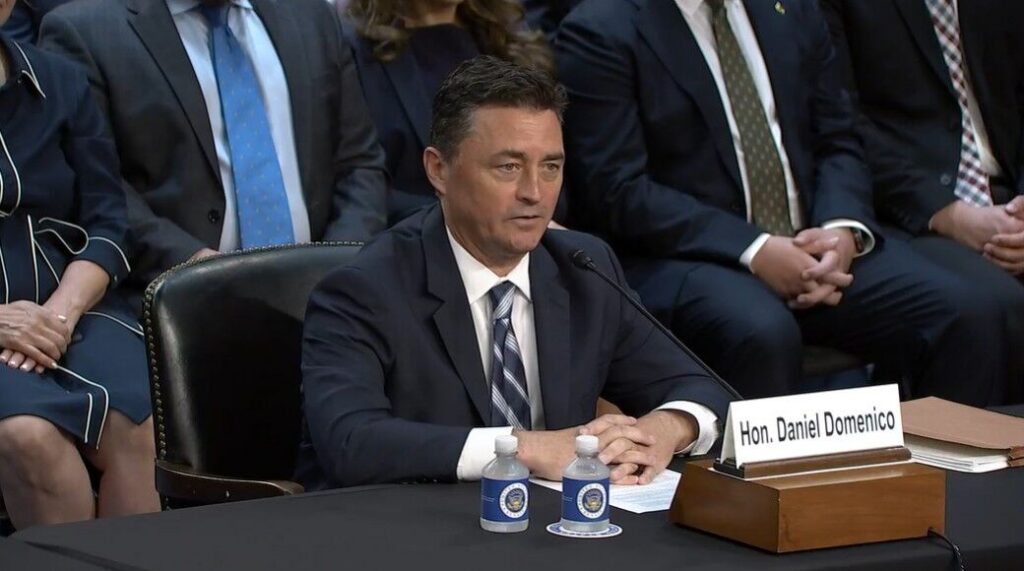
Senate committee advances Trump’s 10th Circuit nominee, as Domenico responds to questions about delays
Michael Karlik
michael.karlik@coloradopolitics.com
Updated 4 days ago
The U.S. Senate Judiciary Committee advanced President Donald Trump’s nominee to the Denver-based federal appeals court on Thursday by a party-line vote of 12-10. U.S. District Court Judge Daniel D. Domenico, who was Trump’s first-term appointee to Colorado’s federal trial...
Colorado justices to hear embryonic donation dispute
Michael Karlik
michael.karlik@coloradopolitics.com
Updated 5 days ago
The Colorado Supreme Court announced on Monday that it will decide whether lower court judges properly applied its framework for adjudicating disputes over the fate of pre-embryos, in which one person wants to use them to become a parent and...
PREV
PREVIOUS

University of Colorado at Colorado Springs lifts COVID vaccine requirement
Students at the University of Colorado at Colorado Springs will no longer be required to receive a COVID-19 vaccination, the university announced in a news release Wednesday. The requirement will end on May 15 for all students, faculty and staff. The university will continue providing COVID-related resources. “The change is welcome news and offers the […]

Bills on wolf introduction near final push, but Polis' opposition raises veto potential
Two bills designed to help Colorado’s plans to reintroduce wolves later this year won final votes in the state House Wednesday, after sponsors beat back a series of challenges in the last two days, including from the governor’s office. Senate Bill 256 is the more controversial of the two measures. It would require the state to receive […]