

Colorado’s budget drafters navigate landmines big and small | COVER STORY
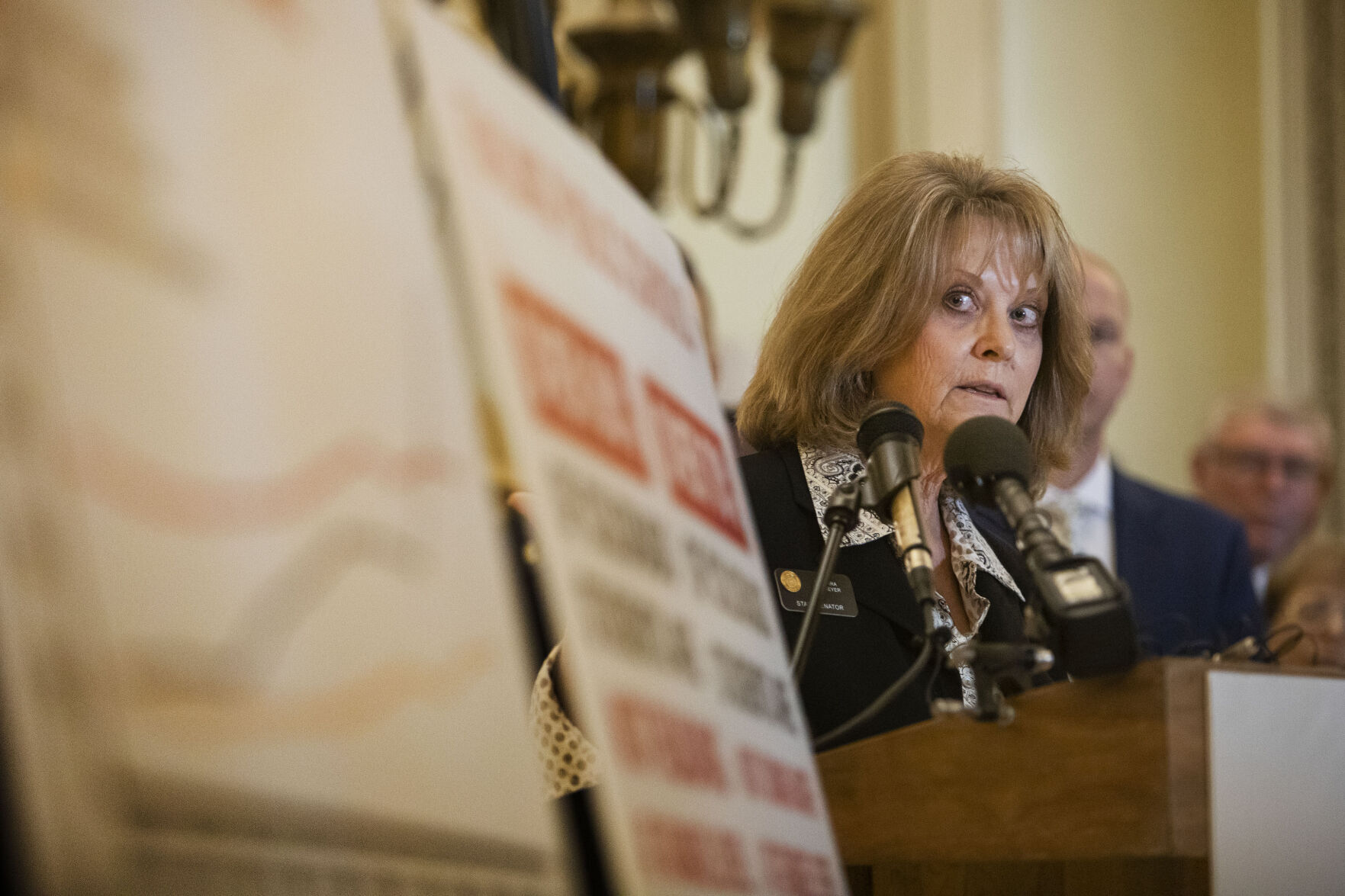
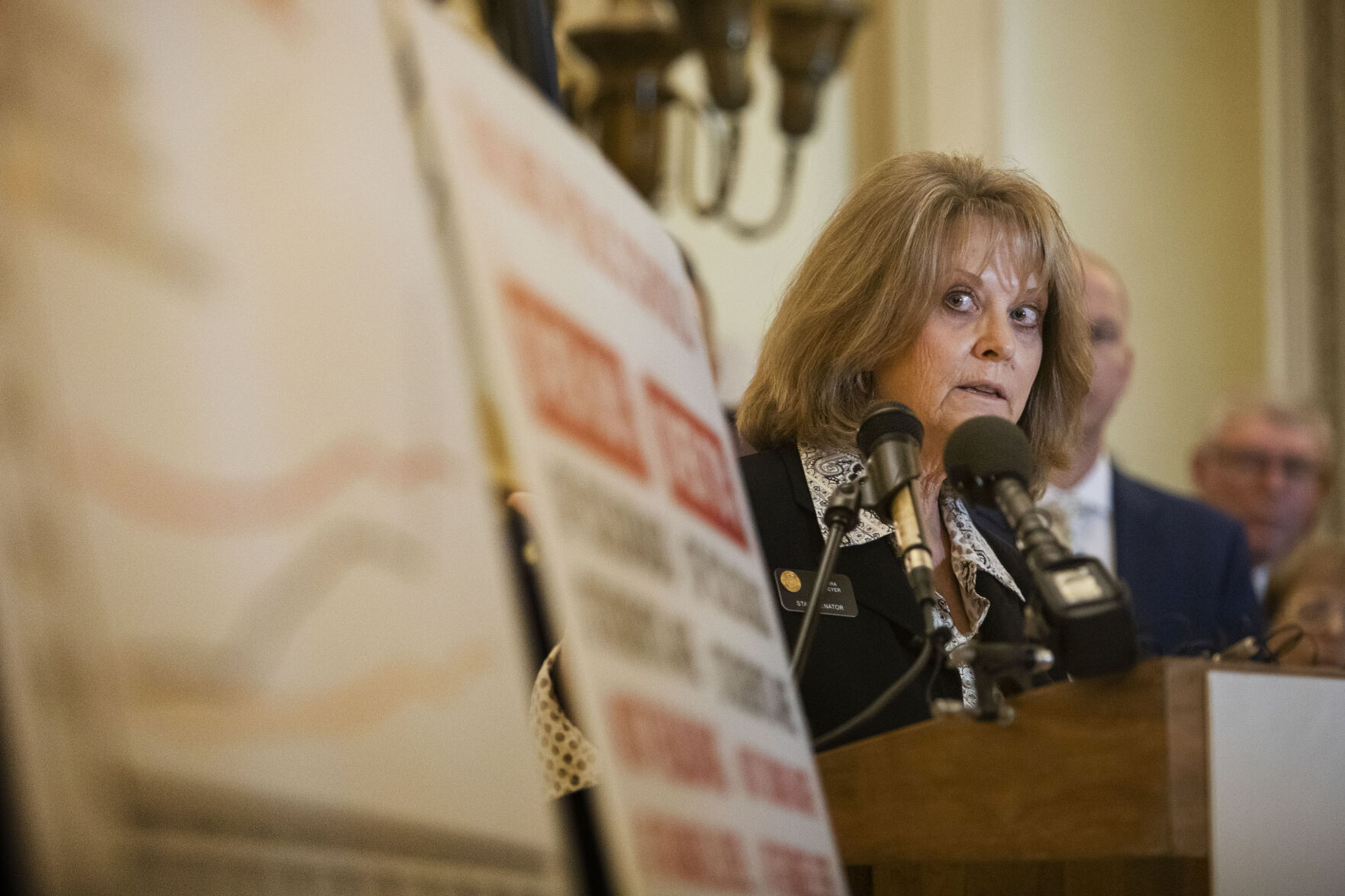
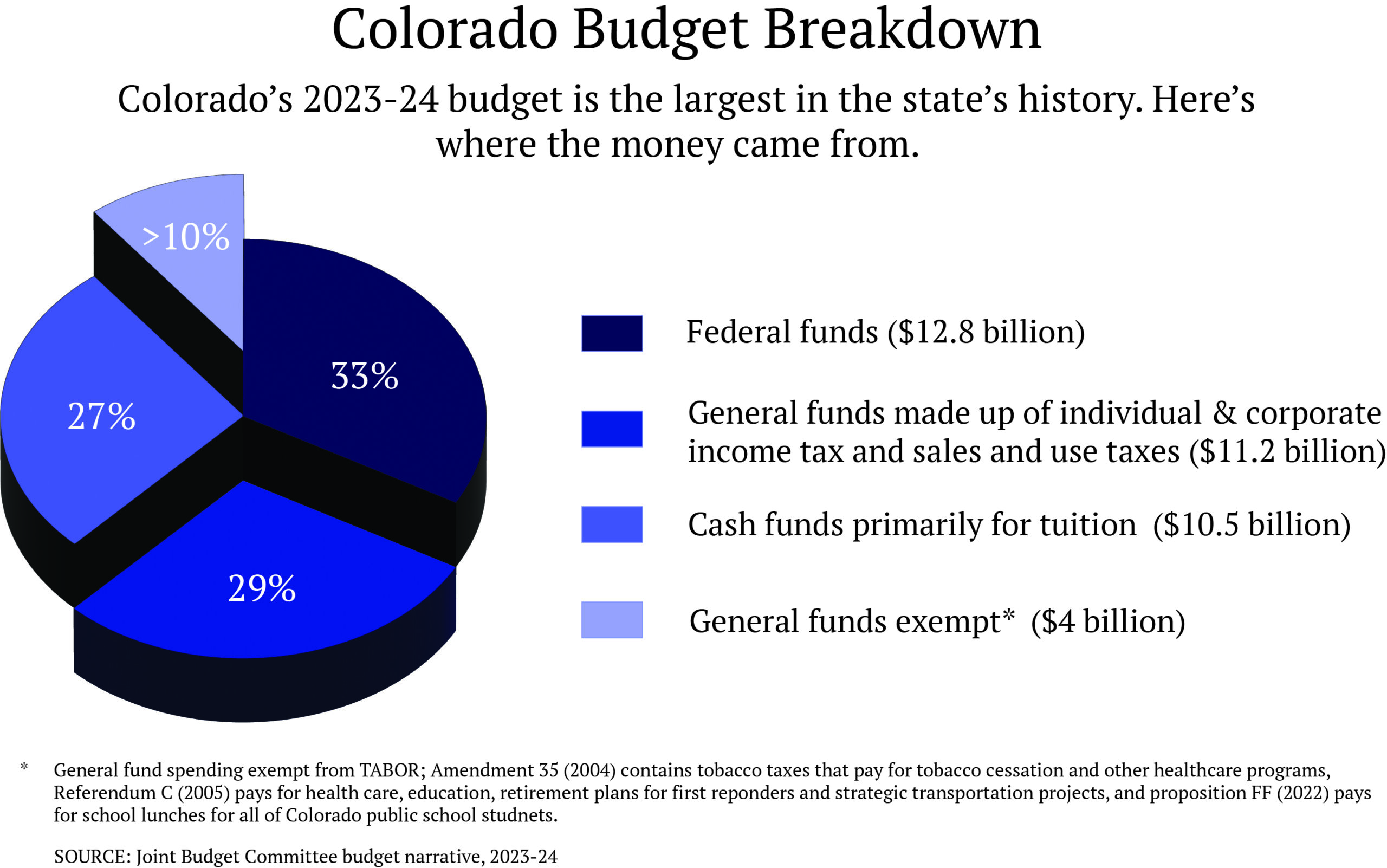
Colorado’s lawmakers sent a $38.5 billion spending plan to Gov. Jared Polis on April 21, the culmination of months of work by a small group of legislators who ultimately succeeded in persuading their colleagues to adopt the budget.
That small group – Sens. Jeff Bridges, D-Greenwood Village, and Sen. Barbara Kirkmeyer, R-Brighton, and Reps. Shannon Bird, D-Westminster, Emily Sirota, D-Denver, and Rod Bockenfeld, R-Watkins, plus the chair, Rachel Zenzinger, D-Arvada – had hunkered down since November of last year to craft a proposal palatable to lawmakers and ultimately to the governor.
Tensions between the governor’s office and the Joint Budget Committee, as well as between legislators and the JBC are inevitable when crafting a spending plan, particularly because the state budget is the most visible expression of policymakers’ values.
And those fights often attract the media’s spotlight.
Behind the scenes, however, legislators and the governor’s office ultimately figured out a way to cobble together a spending proposal that draws in just enough support from just enough people to pass.
To do so, JBC had to navigate through landmines big and small.
Provider rates
One of JBC’s trickiest tasks was reconciling the governor’s requests and the legislature’s priorities against the backdrop of dwindling aid from the federal government, which meant increasing spending out of the state’s own coffers.
For several members, increasing provider rates became one of the biggest differences between what the governor asked for and what the committee settled on. It was also the very first topic the JBC voted on when it began figure-setting for the budget.
The governor’s budget sought a 3% increase for providers in every area except those under the Department Health Care Policy and Financing. There, the governor recommended just 0.5%.
Providers are contracted by the state to offer a variety of services that the state would otherwise have to cover, such as behavioral health, family and independent living services or veterans services, as well as payments to private prisons.
“If we’re not compensating people who are willing to serve our most vulnerable, we will not have those people willing to serve the most vulnerable,” Bird said.
HCPF’s providers, however, make up more than half of what the state spends on providers. But Zenzinger and others said such a low rate was not acceptable, as provider rates have not kept pace with inflation.
“We have to be able to close that gap through the provider rate,” Zenzinger said, calling the increase “historic.”
JBC ultimately ended up pushing for a 3% across-the-board increase for providers.
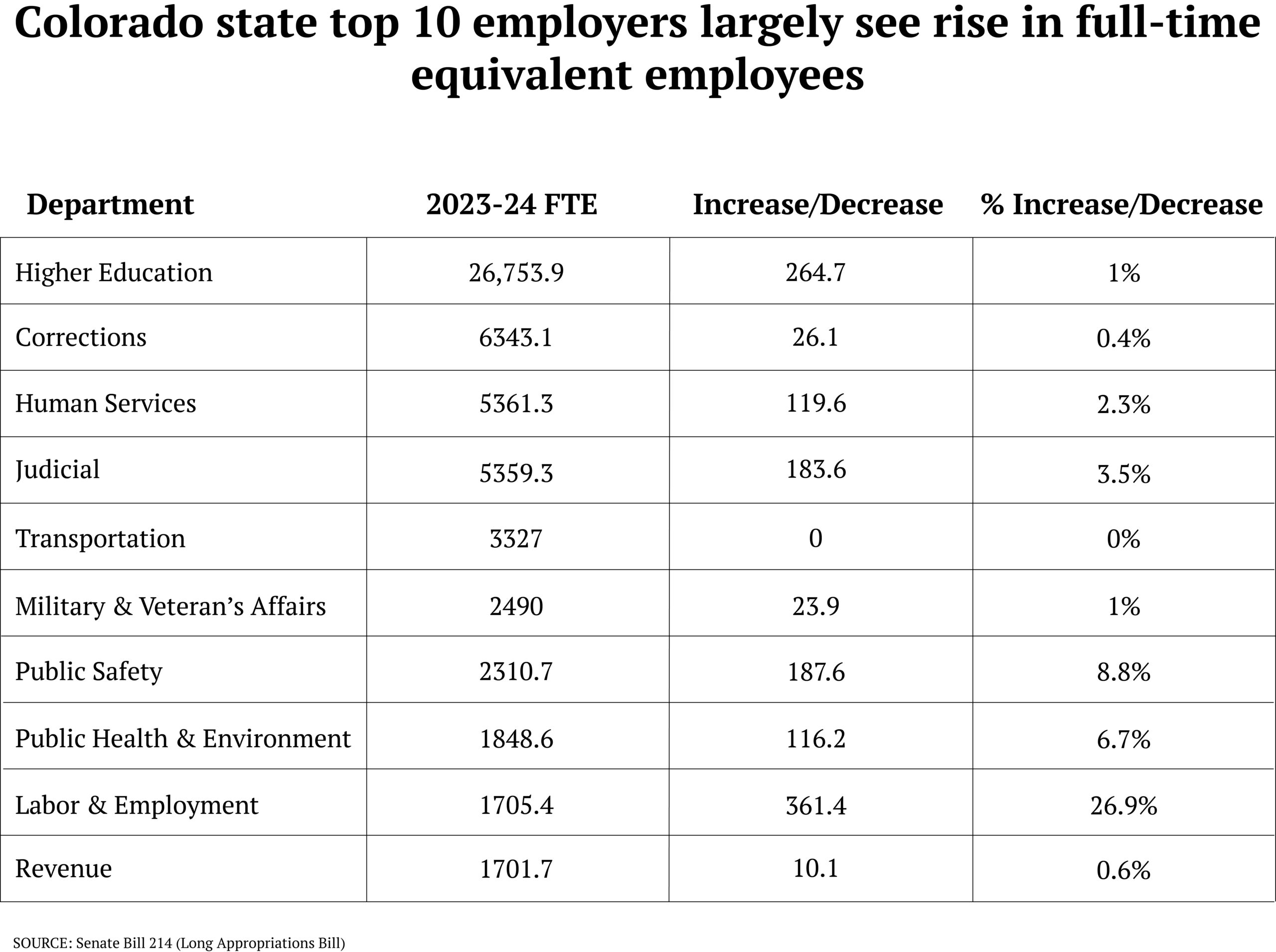
Both Bird, who is considered a centrist, and Sirota, who is regarded as a progressive, pointed to the same thing – the proposed 5% across the board pay hike for state employees.
“Our state has not kept pace with offering its employees a competitive compensation package,” said Bird.
Sirota said public employees and the administration have worked hard over the last couple years to come to an agreement on how to address the pay challenges. It’s become more and more difficult to recruit and retain state employees in certain positions, she said, so that increase will help support the people who make the state run.
Small funding, big impact
While not attracting as much media spotlight, committee members also pushed for programs or services that, in the grand scheme of things, require little funding to produce a big impact.
For Zenzinger, it’s via adult education, which received just $1 million per year, or about $2 per head. This is a program for those who do not have a high school diploma or other credential, which applies to about 450,000 Coloradans.
The JBC bumped up the funding to $3 million total.
That might not seem like much, but Zenzinger said ensuring adult Coloradans get education credentials will give them opportunities to achieve their dreams. In multiple ways, an education is a ticket out of poverty, she said, adding that, in the long run, she said, it does the state a lot of good.
A virtual reality career training equipment for inmates in the Department of Corrections – at a cost of $784,000 – met Bird’s criteria. The equipment is part of career training in fields, such as manufacturing, electrical work, and other trade skills. It’s a pilot program, but one that will prepare inmates for job opportunities after life prison, which, Bird said, would reduce recidivism rates.
Bird also pointed to JBC’s recommendation to not require Medicaid patients to pay copays.
“It will still save the state money because if people get the preventive care that they need or just the care that they need and the copay isn’t a barrier, that’s going to save us money and paying higher health cost,” Bird said.
More support for veterans’ service centers, a boost of about $120,000, struck a chord with Bridges.
That extra money will help draw down federal dollars to the benefit of those who served the country, not to mention how it would help veterans navigate a labyrinth of services, he said.
“It’s our duty as a state” to make sure veteran centers have the staffers to help them with that process, Bridges said. “It’s a weird fight to pick, but the impact this will have on the lives of veterans is huge.”
For Sirota, putting money into “doula” services, which help pregnant women and those who have given birth and who are enrolled in Medicaid, would make a large impact with small funding.
Having a doula leads to positive birth outcomes, with the support that a mother and child needs to have healthy pregnancies and births, she said.
The Office of School Safety was Kirkmeyer’s favorite, a new program that pulls together other existing grant programs and sets up a critical response unit and threat assessment team that would lift the burden off of schools and even local governments.
“It gets back to allowing students and kids to be in a safe environment to learn. And teachers being able to teach in a safe environment,” she said.
A glitch
Not everything went perfectly.
Once the main spending bill went through the entire process, a small $10,000 typo was found in the budget for the Department of Health Care Policy and Financing.
Initially, JBC members raised concerns that typo, contained in the conference committee report, would mean sending Senate Bill 214 – the main budget measure – back to the General Assembly with an elaborate unwinding of several actions in order fix the error, including reversing the final votes.
However, in an April 19 meeting, Carolyn Kampman, the JBC director, told the committee members they had two options to fix it. The option they chose, called a correction schedule, and related to clear typographical errors, would allow the Revisor of Statutes, a representative from legal services and the Secretary of the Senate to verify a clerical error had taken place, although without actually changing the typo, and send the bill on to the governor.
The error will have to be addressed, but that doesn’t have to take place now and can be done through a budget supplemental in 2024, according to Kampman.
A second issue arose out of the governor’s signing statement on one of the “orbital” bills, which are a set of several dozen measures that accompany the Long Bill and help balance the budget.
Gov. Jared Polis on Monday notified lawmakers he would allow Senate Bill 234 to become law without his signature.
The bill would end advance payments for premiums for the state employee family and medical leave insurance (FAMLI) coverage. Once the fund that provides those payments reaches $100 million, which is expected sometime in 2023-24, the state treasurer would transfer $35 million to another cash fund, which would be used to balance the budget.
In his signing statement, Polis said he realized the bill is necessary to balance the budget.
The governor’s office surmised that, when all is said and done, the measure does not threaten the “actuarial soundness of the FAMLI Fund.”
But Polis said he believes the bill “undercuts benefit for state employees and reduces slightly the impact of the historic pay adjustments for state employees,” and, as contained in the contract between state employees and Colorado WINS, the state employee union.
In addition, Polis said, “This legislation also dictates how the state, as an employer, provides benefits to employees for the 2023-24 fiscal year, which should be within the realm of the executive.”



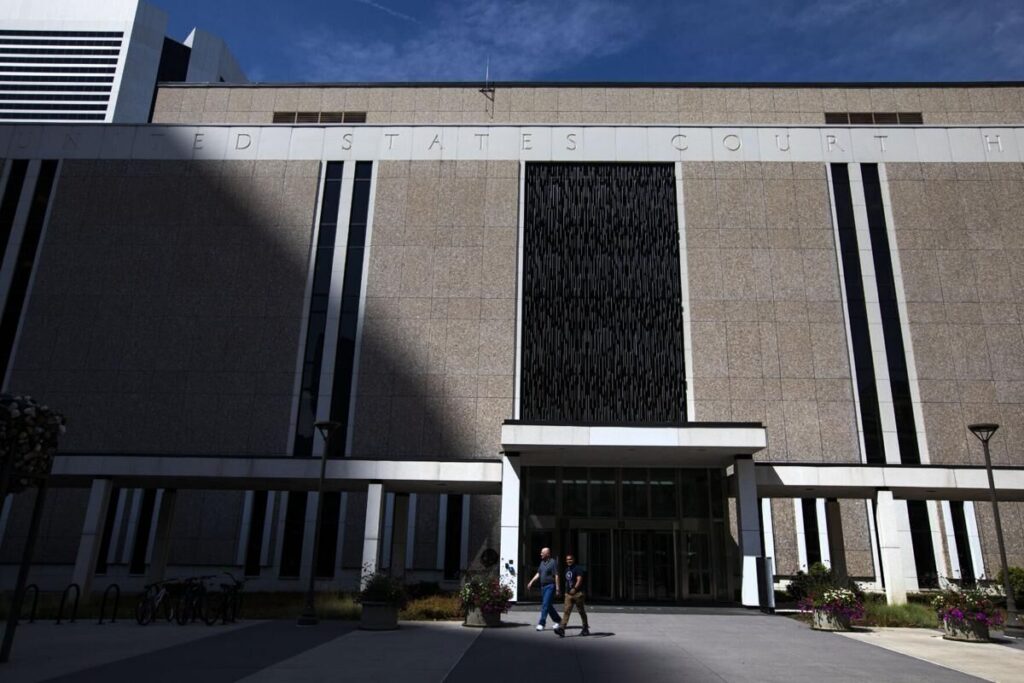
Federal judge dismisses ex-Colorado judicial discipline director’s conspiracy lawsuit
Michael Karlik
michael.karlik@coloradopolitics.com
Updated 37 minutes ago
A federal judge dismissed a lawsuit from Colorado’s former judicial discipline director on Tuesday, finding that he failed to adequately state claims for conspiracy or constitutional violations. Christopher S.P. Gregory, who served as the executive director of the Colorado Commission on Judicial...
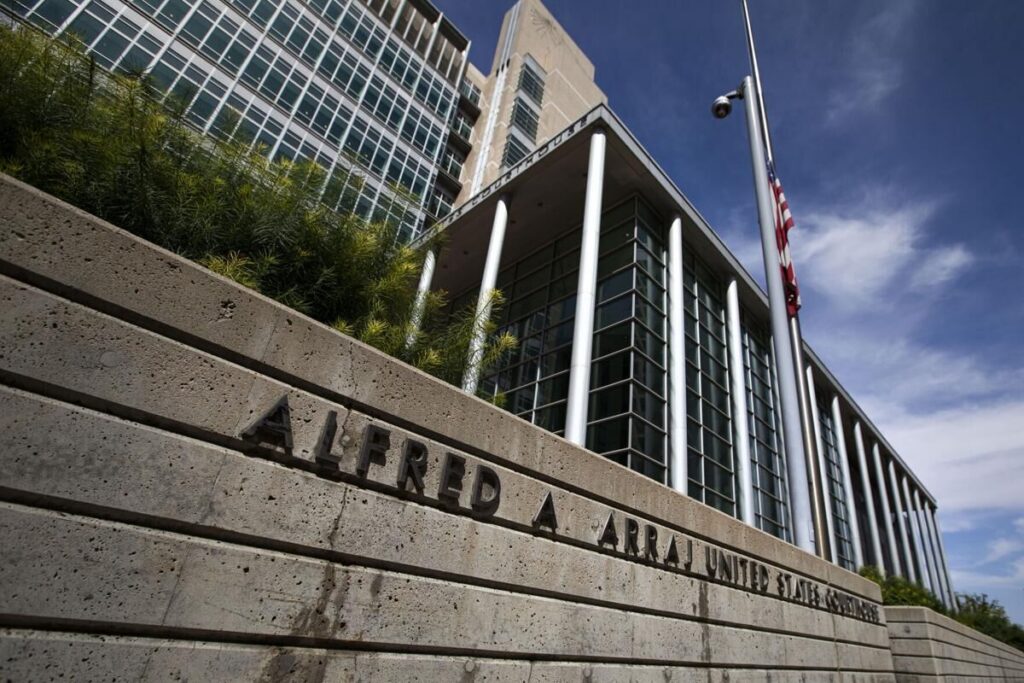
Federal judge allows retaliation claims to proceed against prison officials
Michael Karlik
michael.karlik@coloradopolitics.com
Updated 5 hours ago
A federal judge agreed last week that a man incarcerated at Sterling Correctional Facility had credibly alleged that employees retaliated against him for filing grievances, including by taking away his disability accommodations and turning off his electricity. Louis Peoples Jr.,...
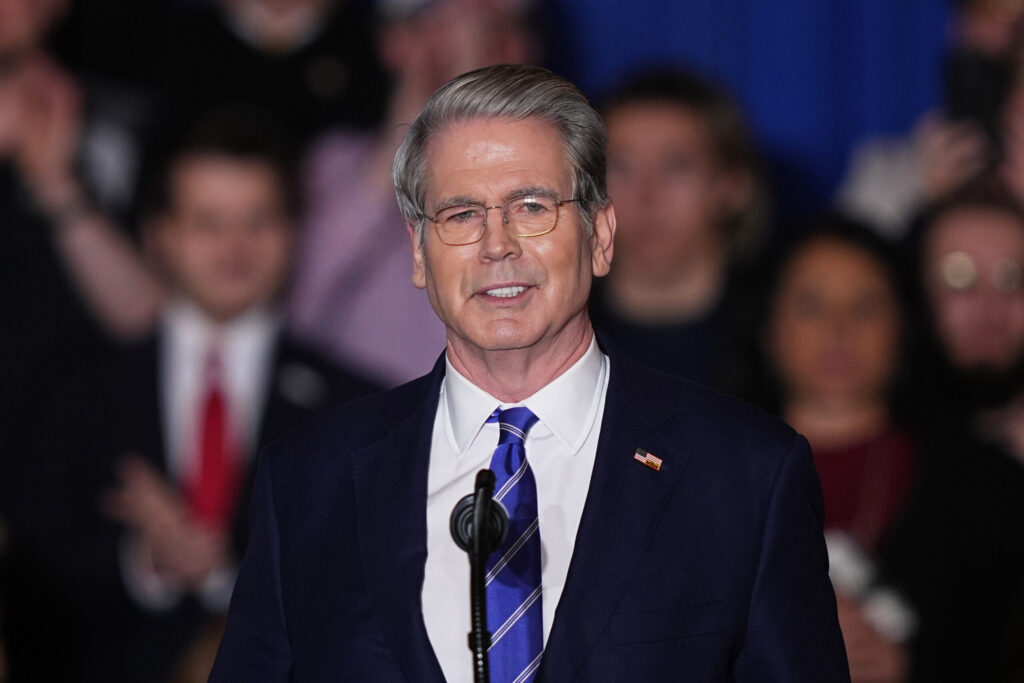
Treasury releases five-step guidance for employers to make contributions to Trump Accounts
Christian Datoc
christian-datoc@coloradopolitics.com
Updated 5 hours ago
Treasury Secretary Scott Bessent published new guidance Tuesday outlining the specific steps employers must take to contribute to employee Trump Accounts. The accounts, one of the most popular provisions included in President Donald Trump’s One Big Beautiful Bill Act, are...

Denver schools to refinance bonds to create capacity for future borrowing
Nico Brambila
nico.brambila@denvergazette.com
Updated 2 hours ago
Less than two years after voters approved a record $975 million school bond, Denver Public Schools is refinancing older debt — a move district officials say will save taxpayers money while creating capacity for another bond election. The district has...

Russia frees imprisoned US Marine over health concerns
Brady Knox
brady-knox@coloradopolitics.com
Updated 6 hours ago
Russia freed former U.S. Marine Robert Gilman upon the urging of U.S. officials so he could receive medical care in the United States. Gilman, 32, was released after 1,666 days in prison, having been arrested on Jan. 17, 2022. Eric...

Colorado students push AI task force as schools navigate new tech era
Marissa Ventrelli
marissa.ventrelli@coloradopolitics.com
Updated 2 hours ago
A group of students is urging lawmakers to establish a task force on artificial intelligence in education to advise districts on how to ensure that pupils and educators use the technology effectively without becoming overly reliant on it. The students...

Parker data center could get $19M tax rebate from Douglas County
Nicholas Fogleman
nicholas.fogleman@denvergazette.com
Updated 8 hours ago
At a time when Denver and Front Range governments are restricting or banning data center development, Douglas County commissioners are poised to approve a $19.3 million tax rebate agreement Tuesday for a new data center under construction in Parker. The...

Denver City Council rejects contract that would have given video maker 8-year deal
Deborah Grigsby
deborah.smith@denvergazette.com
Updated 11 hours ago
Denver’s Office of Human Resources will have to get creative to attract new city employees and place them in “hard-to-fill” jobs after a proposed five-year contract extension, valued at $600,000, failed to gain favor with the Denver City Council. The...
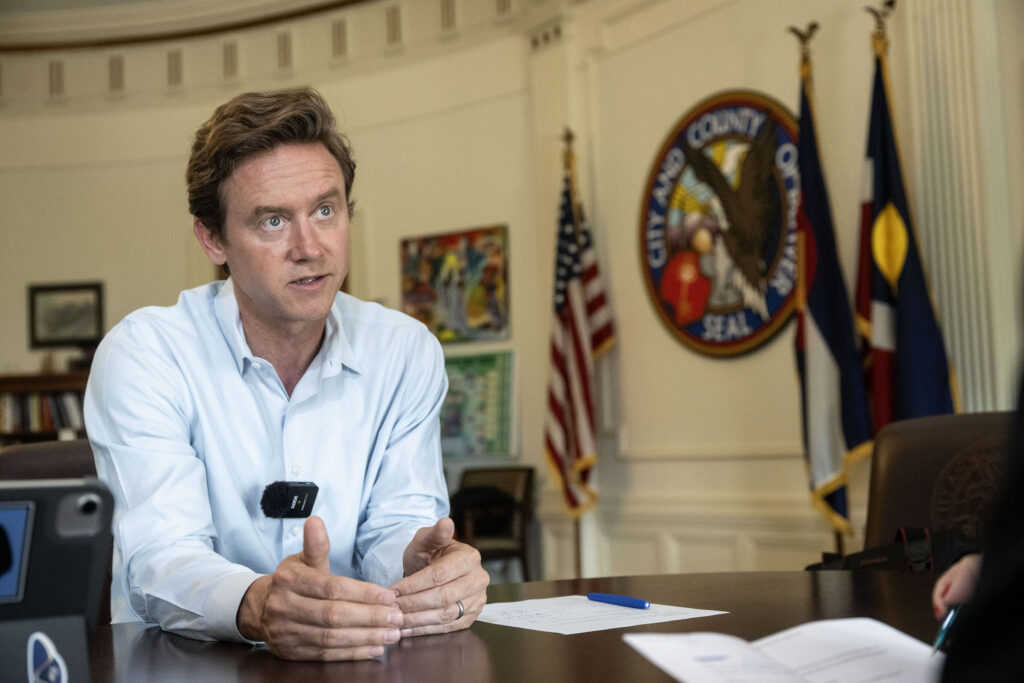
Denver Mayor Mike Johnston files to run for reelection in 2027
Michael Braithwaite
michael.braithwaite@gazette.com
Updated 11 hours ago
Denver Mayor Mike Johnston officially filed his paperwork Monday to run again for Denver’s mayoral office next year. The filing comes weeks after Johnston confirmed to The Denver Gazette that he would seek reelection as he focuses the final year...

U.S. Rep. Lauren Boebert’s son arrested, faces charges of sexual exploitation of minor
Matt Kyle
matt.kyle@denvergazette.com
Updated 1 day ago
U.S. Rep. Lauren Boebert’s son Tyler Jay Boebert has been arrested and accused of recording and sharing a video depicting himself having intercourse with a minor, according to court records. The case originated in Garfield County in Western Colorado and...
PREV
PREVIOUS

Polis signs 28 more bills into law | CROSSING THE FINISH LINE
With nine days left in Colorado’s 2023 legislative session, Gov. Jared Polis has signed 156 bills into law. After being signed, bills take effect in August, 90 days after the general assembly adjourns, unless otherwise specified in the bill. A full list of legislation signed this year can be found online by clicking here. Here are […]
Sticker shock hits state Capitol over cost of legislative studies | A LOOK BACK
Sixty Years Ago This Week: For the previous year, the Republican majority in the state legislature had been touting the many benefits of conservative fiscal policies, but reporters uncovered a spending spree on the production and publication of several legislative studies that had many in the public policy community questioning their necessity. It turned out that […]