

Judges uphold police search stemming from IP address, but disagree on legal justification
Law enforcement in Clear Creek County was in the process of executing a search warrant at a Silver Plume home, looking for devices containing child pornography, when they encountered Kevin M. Dhyne, a tenant in the house’s basement.
Dhyne volunteered to a detective that he used his landlord’s Internet – an admission that would culminate in Dhyne’s conviction on felony sexual exploitation charges.
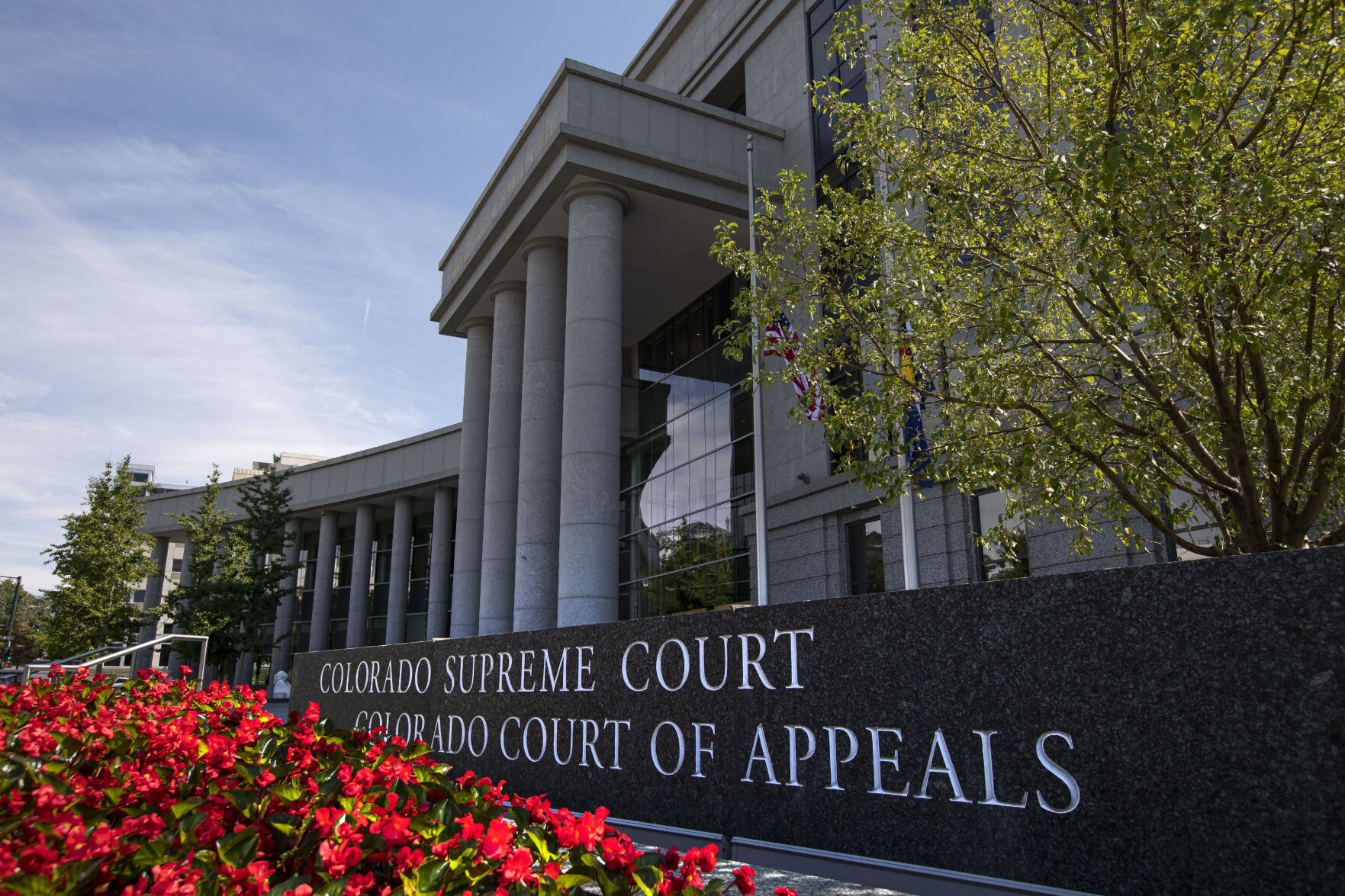
Last week, a three-judge panel of the Court of Appeals upheld Dhyne’s convictions, disagreeing with Dhyne’s argument that police violated his constitutional right against unreasonable searches and seizures when they “basically stumbled upon him” during an investigation that was focused elsewhere.
Although the appellate panel and the trial judge all agreed the evidence collected against Dhyne from his home was admissible at his trial, there was not unanimity on why that was so. In total, the various judges endorsed three different justifications for the constitutionality of the search.
Judge Neeti Vasant Pawar, in the panel’s majority opinion, called the ruling narrow because of the unique facts of the case. Specifically, Dhyne had told police – who were otherwise unaware – that he used the same Internet network the investigators were targeting.
“Without that admission,” Pawar wrote on Oct. 20, “Dhyne’s separate residence would not have fallen within the warrant’s showing of probable cause.”
Officials with the Jefferson County Sheriff’s Office were investigating sexually exploitative material involving children in May 2016. They tracked the material to an Internet protocol, or IP, address in Silver Plume. IP addresses identify a specific network and device using a series of numbers.
Using the IP address, police obtained a search warrant for the entire property, where they knew a registered sex offender was living. Once there, upon learning Dhyne also lived on the premises and used the house’s Internet service, police believed they were authorized to search Dhyne’s living area. They seized multiple devices of his, which contained sexually exploitative images and video.
Dhyne attempted to suppress the evidence from being used at trial, arguing the police search ran afoul of the Fourth Amendment’s requirement that warrants describe the specific place to be searched. Because his basement unit was not mentioned, Dhyne contended that police should have obtained a search warrant that covered his particular home.
Then-District Court Judge D. Wayne Patton conceded law enforcement should not have searched Dhyne’s quarters. However, he believed the evidence was admissible under the “inevitable discovery” exception – meaning police would have lawfully discovered the evidence on Dhyne’s devices through their routine investigation. Patton had “no doubt” police would have obtained a search warrant eventually for Dhyne’s basement unit.
Following his conviction, Dhyne argued on appeal that law enforcement had not, in fact, pursued any investigation related to him by the time they encountered him at the Silver Plume house. The only name appearing in the search warrant was that of the registered sex offender living at the home, not Dhyne.
“If the warrant says you can search anything this IP address relates to, you’re not searching the IP address. You’re searching the physical structure from which the IP address is connected,” Pawar observed during oral arguments before the appellate panel.
“In this case, clearly we had an investigation into an IP address,” added Judge Jaclyn Casey Brown, “or at least the equipment that could access a particular IP address. Is that enough?”
Michael S. Sager, a lawyer for Dhyne, responded that the warrant “needs to at least identify Mr. Dhyne.”
Assistant Attorney General Trina K. Kissel argued that regardless of the trial judge’s findings about the police search, the warrant did, in fact, apply to the basement where Dhyne lived.
“If the whole property is described, and the whole property can contain the evidence being searched for, and the whole property is supported by probable cause,” she said, “then the whole property can be searched without offending the Fourth Amendment.”
The Court of Appeals panel declined to adopt Patton’s view that Dhyne’s devices would inevitably have been discovered. Instead, Pawar, writing for herself and Brown, believed the police lawfully searched the basement unit because Dhyne revealed his Internet use was linked to the IP address at the center of the warrant. Pawar called that admission to the police “critical.”
“Because police had information that the IP address linked to the subscriber’s physical address (the basis for probable cause) was commonly used by Dhyne in his separate residence at that physical address,” she wrote, “the search of Dhyne’s apartment was authorized by the warrant, notwithstanding his separate unit.”
Judge David J. Richman wrote separately to say he also believed the search was constitutional, but not because of the inevitable discovery exception or the fact Dhyne admitted to using the Internet at the Silver Plume house. Richman referenced a 2011 federal court decision from Maryland which held that, where Internet usage is an issue, the “entire premises” are suspect when the Internet connection is open to others.
“Given the nature of the evidence that the officers were searching for and the information they had about the subscriber’s house, the entire premises were suspect, including Dhyne’s unit, once he admitted to using the subscriber’s IP address,” Richman explained.
The panel rejected Dhyne’s other challenges to his convictions, including his argument he should have been able to introduce evidence that the registered sex offender at the house was an alternate suspect.
The case is People v. Dhyne.


Colorado board permits state to appeal injunction against arthritis drug price cap
Marissa Ventrelli
marissa.ventrelli@coloradopolitics.com
Updated 9 hours ago
A Colorado board voted Friday to allow the Attorney General’s Office to fight an injunction against a price cap on a drug that treats arthritis. A U.S. district court judge had granted the company Amgen a preliminary injunction, temporarily blocking...

Federal judge rejects constitutional claims, ‘expressions of hatred’ by Club Q defendant
Michael Karlik
michael.karlik@coloradopolitics.com
Updated 9 hours ago
A federal judge rejected a defendant’s claims that he received constitutionally ineffective assistance of counsel while facing federal hate crime and firearms charges for murdering five people at a Colorado Springs LGBTQ nightclub in 2022. Anderson Lee Aldrich is serving...

Divided 10th Circuit upholds Colorado congestion fee on car rentals
Michael Karlik
michael.karlik@coloradopolitics.com
Updated 5 hours ago
The Denver-based federal appeals court concluded on Monday that a 2024 “congestion impact fee” that lawmakers imposed on short-term vehicle rentals did not conflict with a federal prohibition on certain airport-related charges. Beginning in the 1970s, Congress began limiting the...
10th Circuit dismisses woman’s lawsuit following 10-year attempt to undo restraining order
Michael Karlik
michael.karlik@coloradopolitics.com
Updated 3 days ago
The Denver-based federal appeals court rejected a woman’s challenge on Friday to a restraining order imposed on her more than a decade ago, finding that she cannot credibly claim she will be prosecuted for violating the restraining order through her...
10th Circuit dismisses woman’s lawsuit following 10-year attempt to undo restraining order
Michael Karlik
michael.karlik@coloradopolitics.com
Updated 3 days ago
The Denver-based federal appeals court rejected a woman’s challenge on Friday to a restraining order imposed on her more than a decade ago, finding that she cannot credibly claim she will be prosecuted for violating the restraining order through her...
Colorado equal pay law does not require plaintiffs to allege gender-based retaliation, appeals court finds
Michael Karlik
michael.karlik@coloradopolitics.com
Updated 3 days ago
The 2019 Colorado law aimed at rooting out pay discrimination on the basis of sex does not require a plaintiff to allege their employer retaliated against them for sex- or gender-related reasons, the state’s second-highest court decided on Thursday. Lawmakers...
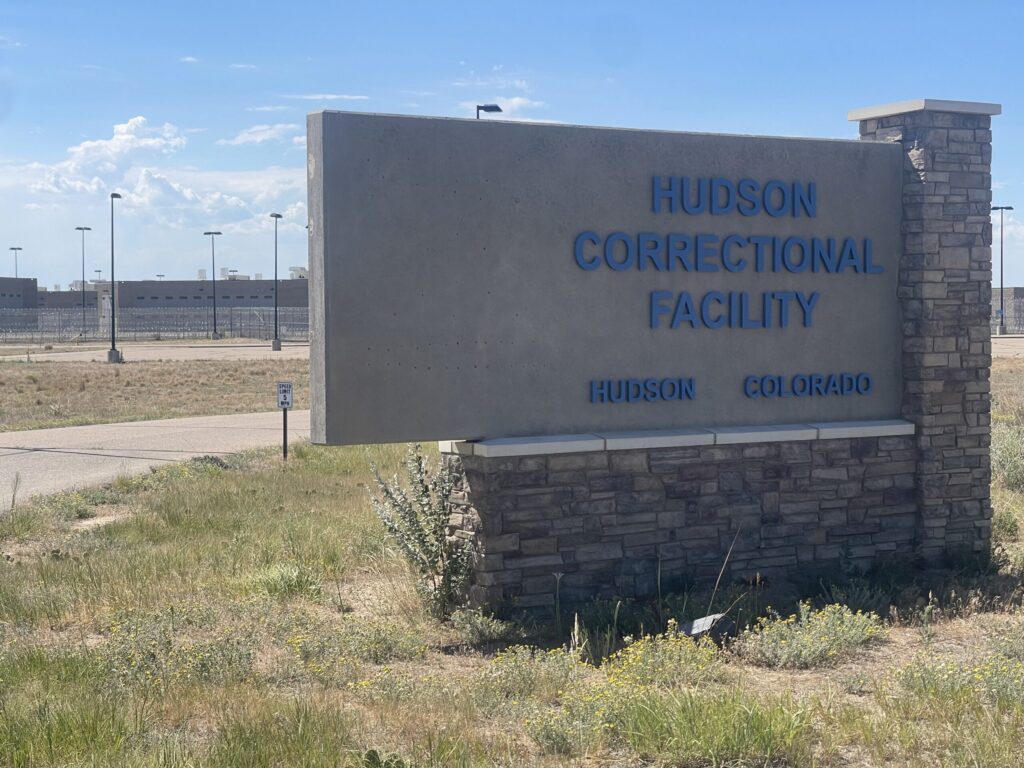
Hudson faces lawsuit over ICE detention facility
Nicole C. Brambila
nicole-c-brambila@coloradopolitics.com
Updated 4 days ago
A nonprofit organization filed a lawsuit against the Town of Hudson Wednesday, challenging plans to reopen a former federal prison in the town as a U.S. Immigration and Customs Enforcement detention facility. Together Colorado, along with Janet E. Carlson, filed...
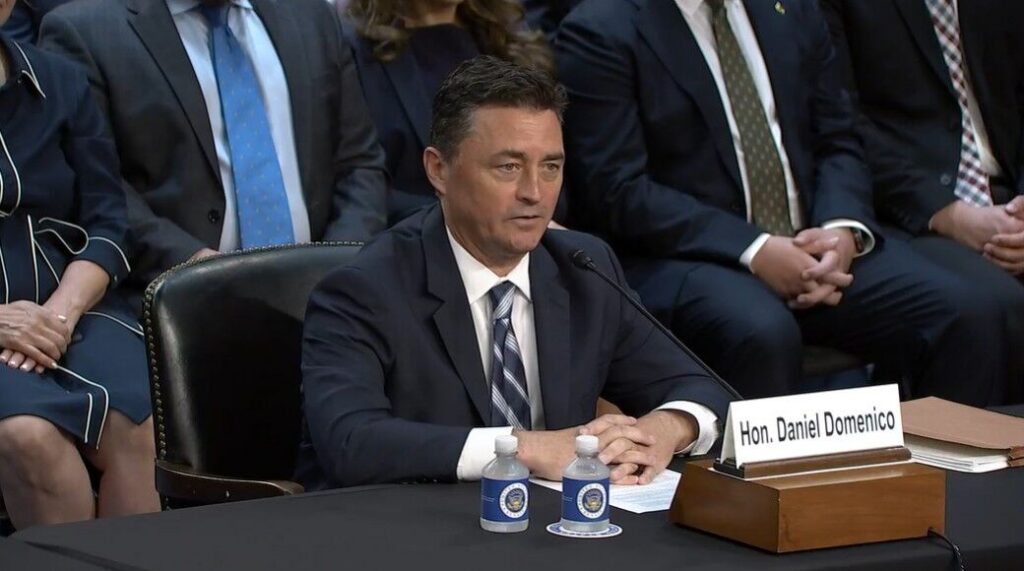
Senate committee advances Trump’s 10th Circuit nominee, as Domenico responds to questions about delays
Michael Karlik
michael.karlik@coloradopolitics.com
Updated 4 days ago
The U.S. Senate Judiciary Committee advanced President Donald Trump’s nominee to the Denver-based federal appeals court on Thursday by a party-line vote of 12-10. U.S. District Court Judge Daniel D. Domenico, who was Trump’s first-term appointee to Colorado’s federal trial...
Colorado justices to hear embryonic donation dispute
Michael Karlik
michael.karlik@coloradopolitics.com
Updated 4 days ago
The Colorado Supreme Court announced on Monday that it will decide whether lower court judges properly applied its framework for adjudicating disputes over the fate of pre-embryos, in which one person wants to use them to become a parent and...

Isolation, emotion, persona: Colorado judicial programming prepares people for life on the bench
Michael Karlik
michael.karlik@coloradopolitics.com
Updated 4 days ago
As a trial judge and now as a member of the Colorado Supreme Court, Justice Carlos A. Samour Jr. has heard the view that being a judge is isolating. “In neither court have I felt isolated. I’ve always interacted a...
PREV
PREVIOUS

El Paso County commissioners formally oppose recreational marijuana in Colorado Springs, Palmer Lake
The Board of El Paso County Commissioners on Tuesday unanimously passed a symbolic resolution formally opposing a handful of initiatives on the Nov. 8 ballot seeking the legalization of recreational marijuana sales in Colorado Springs and Palmer Lake. “The marijuana being sold in Colorado today is not the marijuana of the 1960s,” Commission Chairman Stan […]

Colorado insurance rates will be more expensive than Polis administration promised
Colorado’s insurance premiums will increase by double digits in the individual pool and by a substantial amount in the small group market next year, rate changes the state released on Tuesday show, leading the trade association for health insurers to argue that the Polis administration “chose politics over math.” Coloradans face a 7.4% hike […]