

Colorado adopts stricter air pollution permit requirements, oil industry calls it ill-timed
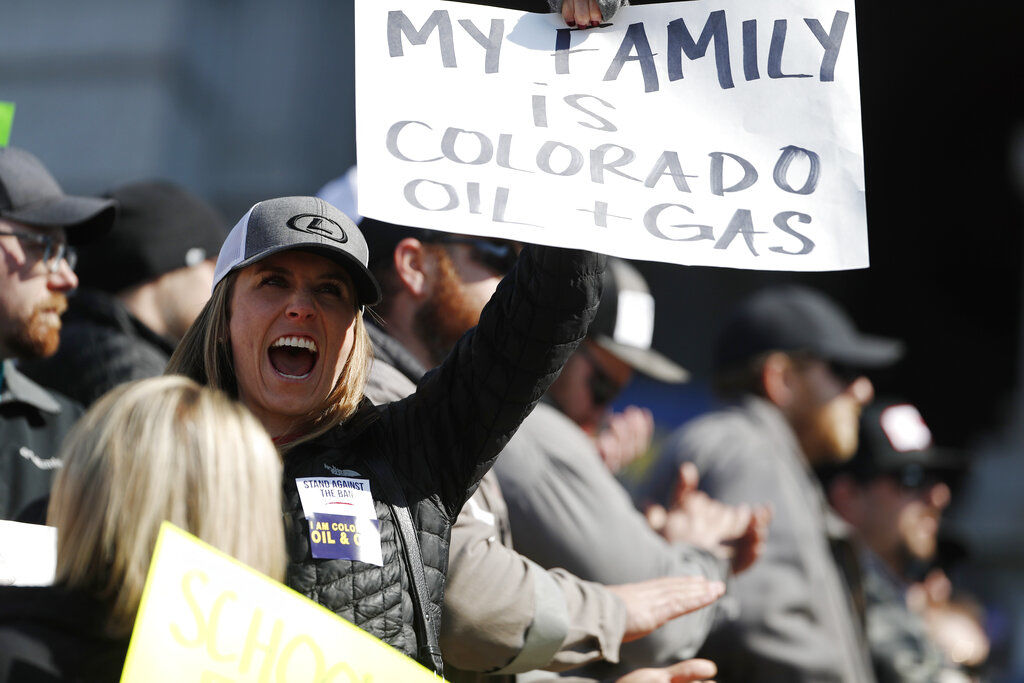
Colorado’s health agency has adopted stricter requirements in order for companies to obtain a general permit for “minor sources” of air pollution.
As part of the new application process, businesses must complete a “checklist,” which serves to certify that a business performed a “more robust review of construction projects that create a new source of air pollution,” the Colorado Department of Public Health and Environment said in a news release.
That review, the department said, ensures projects won’t exceed national air quality standards.
A “source” means an operation that releases air pollutants, such as asphalt plants or oil and gas sites. Inside a serious ozone nonattainment area, a “minor source” means releasing less than 50 tons per year of air pollutants. Kate Malloy, a spokesperson for the health department, noted that the “checklist” only applies to businesses looking to register for a new minor source general permit. Emissions above 50 tons of air pollutants of air per year are considered “majors sources” and must obtain a different kind of permit.
Colorado Oil and Gas Association President and CEO Dan Haley said the department’s latest requirement is ill-timed.
“As supply chain challenges and inflation continue to burden businesses and consumers, it’s exactly the wrong time for the state to further increase permitting timelines and regulatory costs on Colorado businesses,” Haley told Colorado Politics. “In fact, today the state currently faces a permit backlog in the thousands and ultimately the actual measured air data doesn’t justify the need for hypothetical modeling and more paperwork.”
In a news release, Michael Ogletree, director of the Air Pollution Control Division, said Colorado is “leading the nation with these protective modeling requirements. Very few states have implemented a process like this.”
Trisha Oeth, director of Environmental Health and Protection at the department, said Colorado can’t wait for federal action.
“The EPA has informed us that they will be offering more specific guidance on issuing general permits in the coming years, and we welcome that guidance,” Oeth said. “But we also cannot wait to enact more protective measures in our general permits, so that’s why we’re moving ahead now. Colorado is choosing to lead, once again, on reducing air pollution and protecting our environment.”

Atop taxes, here’s how much each Colorado resident pays in fees
Marissa Ventrelli
marissa.ventrelli@coloradopolitics.com
Updated 6 hours ago
Each Colorado resident paid nearly $5,000 in state-sanctioned fees last year, according to a report by a policy think tank. The report, which analyzed how fees have affected Colorado’s economy, found that fee revenue has more than tripled since 2008...

Colorado National Guard, Swiss Armed Forces celebrate partnership
Marissa Ventrelli
marissa.ventrelli@coloradopolitics.com
Updated 8 hours ago
Colorado’s National Guard marked a year of partnership with the Swiss Armed Forces at the Governor’s Mansion on Monday. “This anniversary marks one strong year of friendship and collaboration between the State of Colorado and Switzerland,” said Gov. Jared Polis....
Judge allows Trump to refile $15 billion lawsuit against the New York Times
Emily Hallas
emily-hallas@coloradopolitics.com
Updated 8 hours ago
A federal judge declined to dismiss President Donald Trump’s multibillion-dollar lawsuit against the New York Times on Monday, giving him roughly four weeks to amend his case after the outlet moved to toss it on First Amendment grounds. District Judge...

Gov. Polis celebrates Colorado’s first-place education ranking by U.S. News
Marianne Goodland
marianne.goodland@coloradopolitics.com
Updated 6 hours ago
Colorado officials said they have something to celebrate this week, in addition to the state’s sesquicentennial birthday on Saturday. U.S. News & World Report on Tuesday gave Colorado its top ranking for education efforts from pre-K to postsecondary, though it...
Denver detox center did not violate man’s rights with 10-hour hold, 10th Circuit says
Michael Karlik
michael.karlik@coloradopolitics.com
Updated 6 hours ago
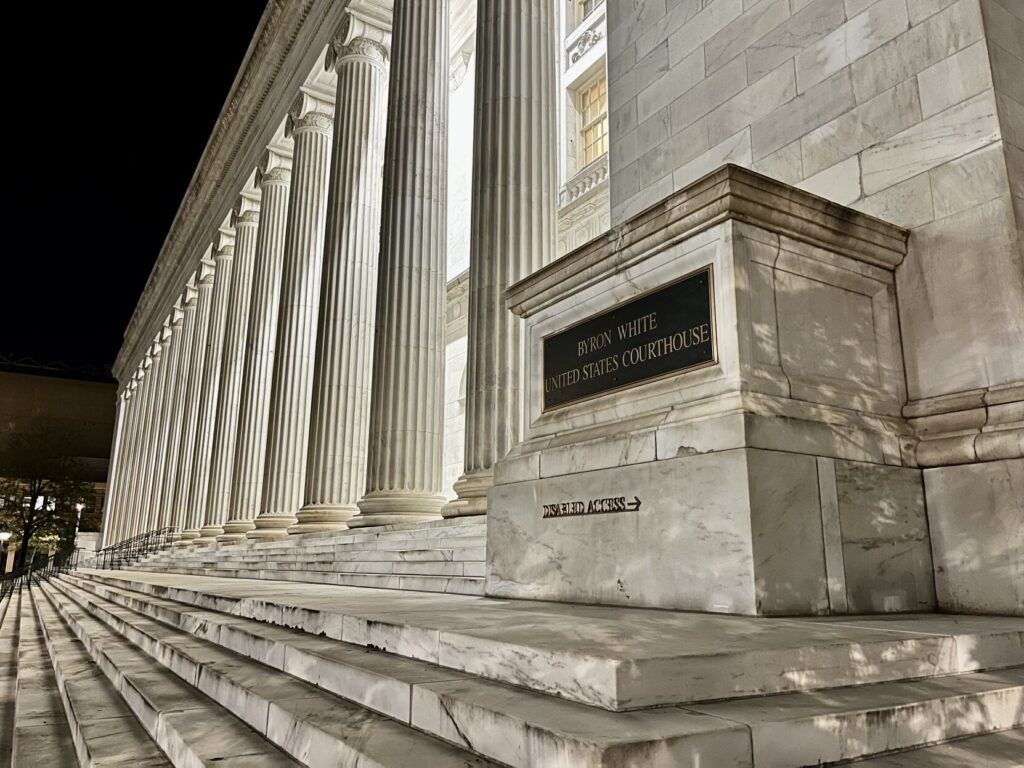
The Colorado-based federal appeals court concluded on Tuesday that Denver’s detoxification facility did not violate a man’s rights by holding him against his will for 10 hours until his blood alcohol content was projected to reach zero. Unusually, Brian Garrett’s...

Federal judge clarifies ex-GOP treasurer candidate’s burden to prove defamation claims
Michael Karlik
michael.karlik@coloradopolitics.com
Updated 6 hours ago
A federal judge clarified last week that businessman and former Republican statewide candidate Brian Watson will need to surmount a higher hurdle in proving his claim that a party guest’s alleged description of him as a “criminal” amounted to defamation....

Denver City Council sends Xcel franchise deal to voters
Deborah Grigsby
deborah.smith@denvergazette.com
Updated 10 hours ago
This November, Denver voters will decide whether to renew the city’s longstanding franchise agreement with Xcel Energy. Members of the Denver City Council approved on Monday sending a proposed 20-year franchise agreement with Xcel that would deliver more than $180...
Independent gubernatorial candidate Greg Lopez, a former GOP congressman, qualifies for Colorado ballot
Ernest Luning
ernest.luning@coloradopolitics.com
Updated 6 hours ago
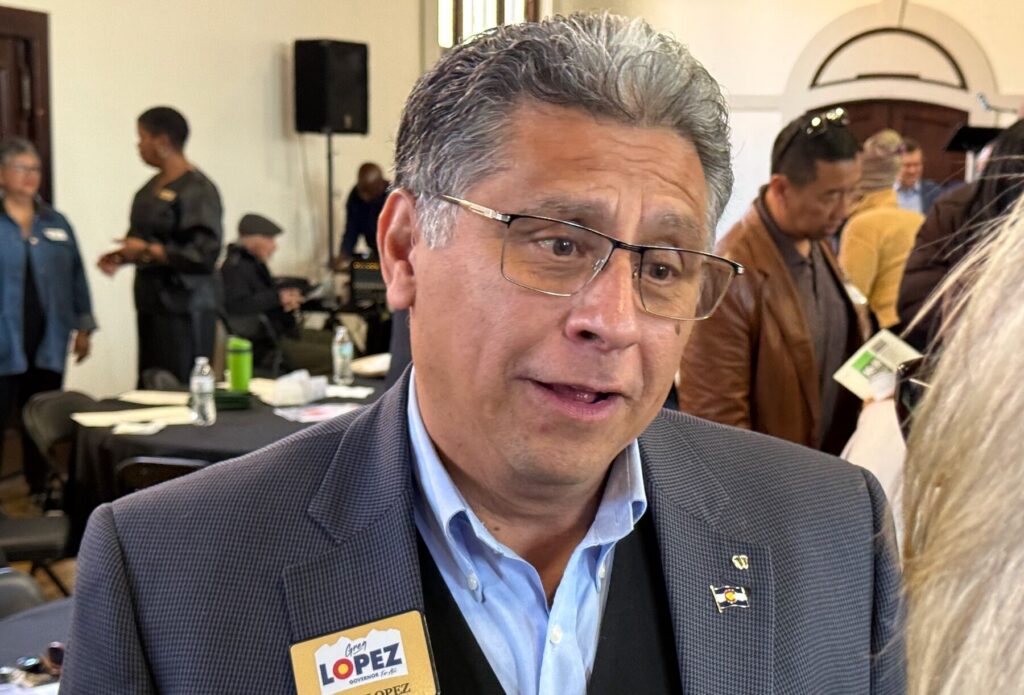
Unaffiliated gubernatorial candidate Greg Lopez, a former Republican congressman from Elizabeth who left the GOP to run as an independent, has qualified for the ballot by submitting enough petition signatures, the Colorado Secretary of State’s Office said Tuesday. He’ll face...

Meghan Shay on recovery, responsibility and second chances | The OpEdge Podcast
Tony Olivero
tony.olivero@gazette.com
Updated 12 hours ago
Step Denver and Step Springs CEO Meghan Shay joins The OpEdge to explore addiction recovery, homelessness, and the role of accountability in lasting change. Shay tells host and investigative columnist Jimmy Sengenberger why she believes recovery is built on personal...
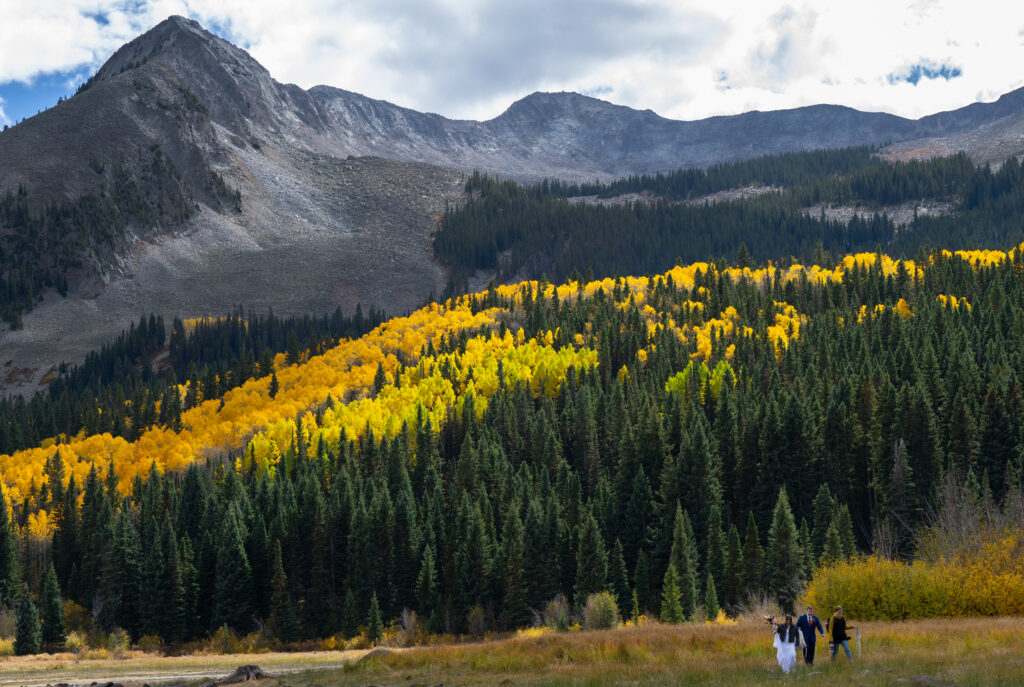
At Colorado’s 150th anniversary, leaders offer birthday wishes
Thelma Grimes
thelma.grimes@coloradopolitics.com
Updated 12 hours ago
As Colorado’s 150th anniversary approaches, leaders from across the state reflect on the spirit that binds the plains, mountains, Western Slope and Front Range — a shared commitment, they underscored, to opportunity, community, stewardship and personal freedom. Their tributes highlight...