

Federal legislation would undermine online commerce

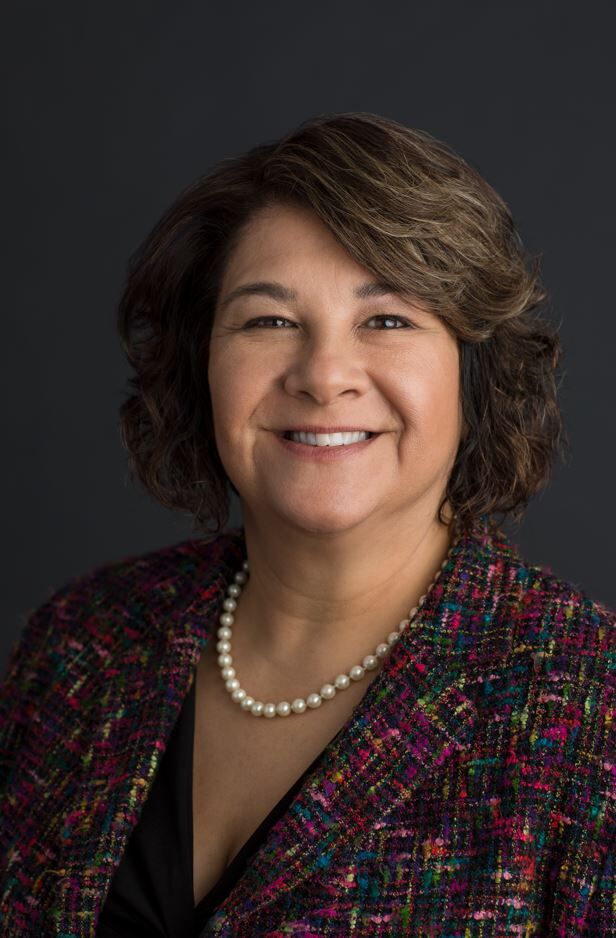
Libby Szabo

When Colorado U.S. Sens. John Hickenlooper and Michael Bennet return to Washington from their August recess, there will only be a short window of time before the midterm elections to get anything done. With that in mind, Our senators must prioritize issues critical to families in Colorado and across the entire country, namely, addressing inflation and improving our economy. Congress must not pass legislation that will be counterproductive to addressing those problems, so our delegation should oppose the American Innovation and Choice Online Act (S.2992).
Proponents say S.2992 is necessary legislation that will stop America’s major technology platforms from preferring their products and services at the expense of competitors. That is a premise with which, on the surface, it is difficult to disagree. However, when dealing with technologies and digital tools we rely on daily, we must remember that the devil is in the details. Any regulations must take great care not to create burdens that potentially exacerbate the challenging economic times we currently find ourselves in. Colorado families and businesses are still recovering from the negative impacts of the pandemic shutdowns.
Should S.2922 pass, many essential digital tools will likely be obsolete. For example, free shipping via Amazon Prime could disappear; Google searches would no longer provide Google Maps, YouTube, or Google Reviews. Which, in turn, could significantly impact our small businesses. In addition, Apple products would not come with pre-installed apps like FaceTime or iMessage.
This bill also poses — amid record inflation — the real possibility of raising prices for American consumers, which will be especially difficult for Colorado families during the upcoming holiday shopping season.
Suppose companies are restricted in their ability to provide more affordable products. They will no longer offer free and expedited shipping. If they can no longer provide free services like Google Maps, and other well-used products, there is a strong likelihood that we will have to dig deeper into our pockets for services and products that we currently enjoy through memberships like Amazon Prime.
According to a recent poll from the U.S. Chamber of Commerce, an overwhelming majority of Americans (88%) want the government to focus on policies that reduce inflation and the cost of living — not fan the flames.
Passage of this bill could also threaten personal privacy. Tech companies and other industry leaders have pointed out that the passage of this bill would hamper technology platforms and their ability to offer security by default. It would expose people to phishing attacks, malware and more of that dreaded spam we all hate. These are just a few of the potential drawbacks of S.2992.
In an opinion piece back in January, Michael Bloomberg wrote this about S.2992: “Bills like this happen when lawmakers try to channel animus toward tech companies into high-minded legislation, with insufficient concern for the unintended consequences. Easy politics rarely make smart economics.” Those words are as true today as they were in January.
Congress, Democrats in particular, who are riding high on the recent passage of the Inflation Reduction Act, would be wise to spend their time on more pressing issues — issues that do not not carry the significant risk of intensifying this country’s economic challenges. As a former state legislator and Jefferson County commissioner, I know all too well how well-intended policies can backfire if they are not correctly and thoughtfully constructed.
In this current economy, let’s not throw the baby out with the bath water by putting more undue burdens on the poor and middle class. The American Innovation and Choice Online Act will backfire on all of us if passed, and Colorado’s leaders in Congress should oppose this bill.
Libby Szabo is a former member of the Colorado House of Representatives, where she served as assistant minority leader. She was the first Latina female elected to a House leadership position. Szabo also served six years as a Jefferson County commissioner.

Colorado must continue finding common ground on wildfire policy | GUEST COLUMN
Colorado Politics
colorado-politics@coloradopolitics.com
Updated 23 hours ago
By John Herrick Colorado has never lacked for opinions about wildfire policy. We debate forest management, climate change, prescribed burns, land use, air quality and budgets. Those debates are familiar territory, but a new discussion is beginning to happen around...

Proposition NN is the best investment for Colorado’s students and schools | GUEST COLUMN
Colorado Politics
colorado-politics@coloradopolitics.com
Updated 23 hours ago
By Justin Ogden Colorado families know what it means to make difficult budget decisions. Inflation has driven up the cost of groceries, housing, utilities and just about everything else. Families like mine work hard to stretch every dollar while still...
Were the primaries a preview for consequential general election? | Paula Noonan
Paula Noonan
paula-noonan@coloradopolitics.com
Updated 2 days ago
Colorado’s political future will go the way of this election. Historically, the state has not had both chambers controlled by a supermajority. This election may change that. The primaries suggest how the general election may play out. Democrats had solid...
Disagreement doesn’t have to mean disrespect | GUEST COLUMN
Colorado Politics
colorado-politics@coloradopolitics.com
Updated 2 days ago
By Vincent Atchity These days, it doesn’t take long to feel overwhelmed by politics. Turn on the news, scroll through social media or read the comments on almost any political post and you’ll find anger, outrage and personal attacks. For...
Keeping Colorado’s kids’ trust online | PODIUM
Colorado Politics
colorado-politics@coloradopolitics.com
Updated 3 days ago
By Stuart Jenkins Almost every day, the kids and teens we serve across Colorado are introduced to new generative artificial intelligence and other emerging technology, including conversational AI systems designed to simulate human conversation. These tools are no longer a...
Marx’s ‘through line’ predates Trump, connects to Maes | FEEDBACK
Colorado Politics
colorado-politics@coloradopolitics.com
Updated 3 days ago
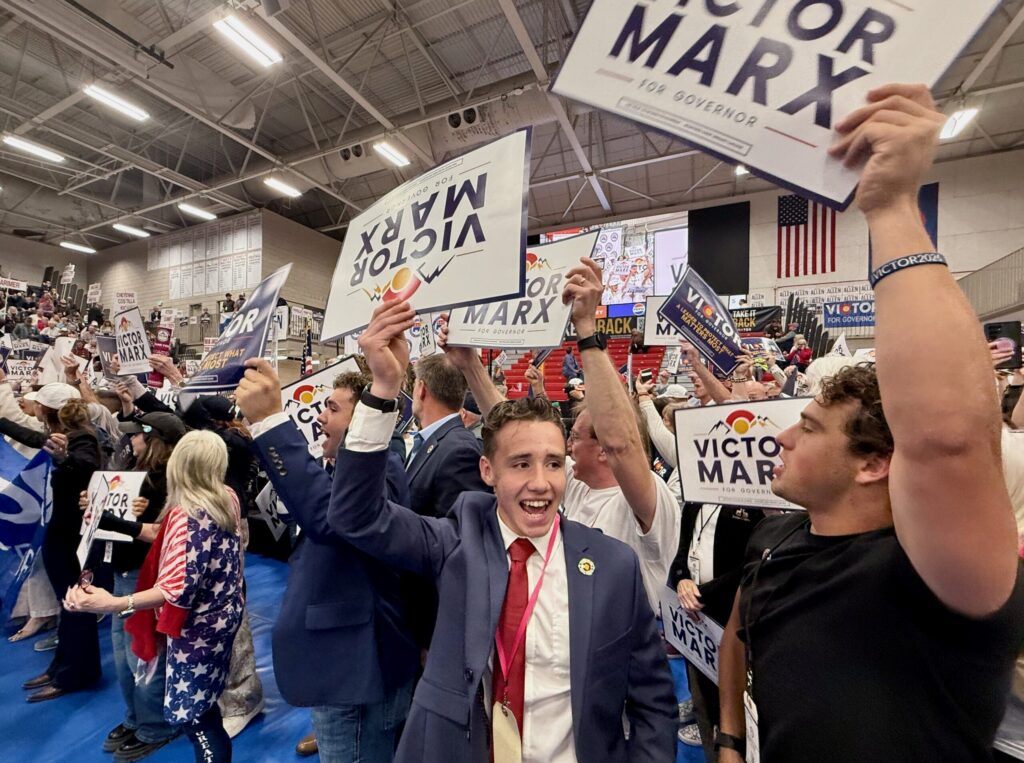
Eric Sondermann is of course correct Victor Marx is an unserious, unelectable, embarrassing Republican nominee for governor of Colorado. But I respectfully submit that the “through line,” as Mr. Sondermann describes it, is not from Trump to Marx, despite their...

Cedric Pride’s blueprint for opportunity through the trades | The OpEdge Podcast
Tony Olivero
tony.olivero@gazette.com
Updated 3 days ago
Cedric Pride, CEO of the nonprofit Pride Initiative in Denver, joins The OpEdge with a blueprint for workforce development, skilled trades, and economic opportunity. Pride tells host and investigative columnist Jimmy Sengenberger why he believes the trades offer a path...
Colorado’s No. 1 education ranking should raise our ambition | GUEST COLUMN
Colorado Politics
colorado-politics@coloradopolitics.com
Updated 3 days ago
By Scott Laband Colorado has earned the right to celebrate its new No. 1 ranking in education from U.S. News & World Report. Gov. Jared Polis called it “one of the proudest moments” of his time in office and shared the...

Colorado’s No. 1 education ranking reflects the power of school choice | GUEST COLUMN
Colorado Politics
colorado-politics@coloradopolitics.com
Updated 4 days ago
By Peter Mason Colorado is now the No. 1 state in the nation for education, according to the 2026 U.S. News & World Report Best States rankings. That is a distinction worth celebrating. It is also a distinction worth understanding....

Courageous Colorado bucks Trump’s federal stupidity | Miller Hudson
Miller Hudson
miller-hudson@coloradopolitics.com
Updated 4 days ago
There are several theories regarding the rhythm of American politics. The most frequently cited is the pendulum hypothesis — positing that episodes of liberal dominance are then interrupted by spans of conservative control. Since Ronald Reagan’s presidential election in 1980,...
PREV
PREVIOUS

Denver Gazette: Teaching Denver kids to distrust cops
You’re riding light rail to an event one day and notice another passenger being harassed a few seats away. Maybe it’s because of their race or gender or perceived sexual orientation. The confrontation gets uglier and could turn violent. Should you: a) Look out the window and ignore the spectacle? b) Attempt to intervene in […]

BIDLACK | Being offended is the cost of liberty
Hal Bidlack My regular reader (Hi Jeff!) will recall that it doesn’t take much to get me talking about constitutional rights and free speech. Heck, I’ve cited the case of Gideon v. Wainwright, and the right to say nothing to cops, in no less than seven columns during my run here at Colorado Politics. So […]