

Disagreement doesn’t have to mean disrespect | GUEST COLUMN

By Vincent Atchity
These days, it doesn’t take long to feel overwhelmed by politics. Turn on the news, scroll through social media or read the comments on almost any political post and you’ll find anger, outrage and personal attacks. For many of us, it’s becoming harder and harder to escape.
At the same time, Colorado continues in a state of mental health crisis that has persisted, unresolved, for decades. More than one in five adults experiences a mental illness each year, and too many people, young and old, struggle with isolation, anxiety and depression reflecting the conditions and tone of our times. We must recognize the increasingly toxic nature of our public discourse and politics have real effects on our well-being.
The mainstream of all we hear said and see posted or written about the other party and its voters exaggerates unpleasantness, disagreement and feelings of actual hate for Coloradans. The truth is very few of us actively hate our fellow Coloradans when we meet one another in person. We may not like someone’s opinions or behaviors, but we don’t need to pick fights right and left and vocally curse people and their families.
Disagreement isn’t the problem. In a healthy democracy, disagreement is essential. The health and well-being of communities and nations depend on people from all walks of life, in rural, urban and suburban communities bringing their experiences, perspectives and ideas to the table. Too often we treat fellow Coloradans of different backgrounds, in different parts of the state, and with whom we disagree, not as political opponents, but as enemies to be kept out, ignored or sometimes even harmed or killed. Far too often, the function of the two-party system is no longer to work together for our common cause, but to embarrass, bully or scorn leaders and community members who disagree.
Near constant exposure to hostility and conflict contributes to stress, anxiety and emotional exhaustion. It affects how we interact with our co-workers, neighbors, friends and even our own families. It incites self-harming behavior and violence against others. It leaves many people feeling angry, hopeless or tempted to disengage altogether.
Our children are watching, too.
The example adults set matters. When political conversations become dominated by insults and contempt, young people are taught disagreement requires disrespect. At a time when bullying, cyberbullying and youth mental health challenges are already on the rise, we should all be asking ourselves whether we’re contributing to a culture that encourages mutual respect, truthfulness and good teamwork or one that rewards outrage and division.
The good news is we have more control than we think.
Protecting our mental health doesn’t mean tuning out every difficult conversation or pretending differences don’t exist. Nor does it mean abandoning our convictions. Healthy civic engagement isn’t about avoiding politics; it’s about engaging in ways that are productive rather than destructive.
Endlessly refreshing headlines or arguing with strangers online rarely leaves us feeling informed or empowered. More often, it leaves us exhausted and angry. By contrast, talking to people of all kinds, giving everyone a little bit more time of the day in real life (“IRL” as the kids text it these days) is immediately enlivening, brightens the day all around and spreads a pathogen of well-being.
Participating in our communities: having respectful and open-minded conversations with people with different political opinions, voting, attending a town hall, volunteering, contacting elected officials or getting better informed and speaking up about a cause we believe in reminds us democracy isn’t something happening to us. It’s something we all have a hand in shaping.
This type of participation helps focus our attention on what we can control instead of everything we cannot. And it reminds us our voices matter.
Our elected leaders have a responsibility here as well. The tone they set influences the tone of our communities. Passionate debate is part of public service, but personal attacks, intimidation, lies, misinformation and inflammatory rhetoric should never be. Coloradans deserve leaders who can disagree vigorously while still treating one another, and the truth, with dignity and respect. Coloradans deserve leaders that want health and well-being for all Coloradans, and who are only in disagreement about how to get there.
A healthy government requires disagreement. But it doesn’t have to involve contempt. If we want healthier communities, healthier democracy and healthier people, we should care not only about the policies we debate but also about how we debate them. Our well-being depends on both.
Vincent Atchity is the president and chief executive of Mental Health Colorado.

Were the primaries a preview for consequential general election? | Paula Noonan
Paula Noonan
paula-noonan@coloradopolitics.com
Updated 7 hours ago
Colorado’s political future will go the way of this election. Historically, the state has not had both chambers controlled by a supermajority. This election may change that. The primaries suggest how the general election may play out. Democrats had solid...
Tiered or capped? Battle over Colorado’s income taxes might come down to one number
Marianne Goodland
marianne.goodland@coloradopolitics.com
Updated 5 hours ago
The battle between two competing ballot measures — one seeking to cap Colorado’s income tax rate, the other pushing for a tiered system depending on income levels — might come down to whichever ballot proposal gets one more vote. The...

New Colorado laws going into effect cover AI disclosures, medical marijuana access and gambling limits
Marissa Ventrelli
marissa.ventrelli@coloradopolitics.com
Updated 11 hours ago
More than 100 new Colorado laws take effect Aug. 12, bringing changes to chatbot safety rules, psychedelic research, campus wellness checks and sports betting restrictions. Here is a look at some of those laws set to take effect. The law:...

Colorado background checks surge 195% ahead of new semiautomatic gun law
Marissa Ventrelli
marissa.ventrelli@coloradopolitics.com
Updated 7 hours ago
The Colorado Bureau of Investigation processed a record number of firearm background checks in July, which the agency attributes to a new state law that went into effect on Aug. 1. In total, CBI performed 59,452 background checks in July...
National House Democrats add Colorado seats held by Lauren Boebert, Jeff Hurd to target list
Ernest Luning
ernest.luning@coloradopolitics.com
Updated 9 hours ago
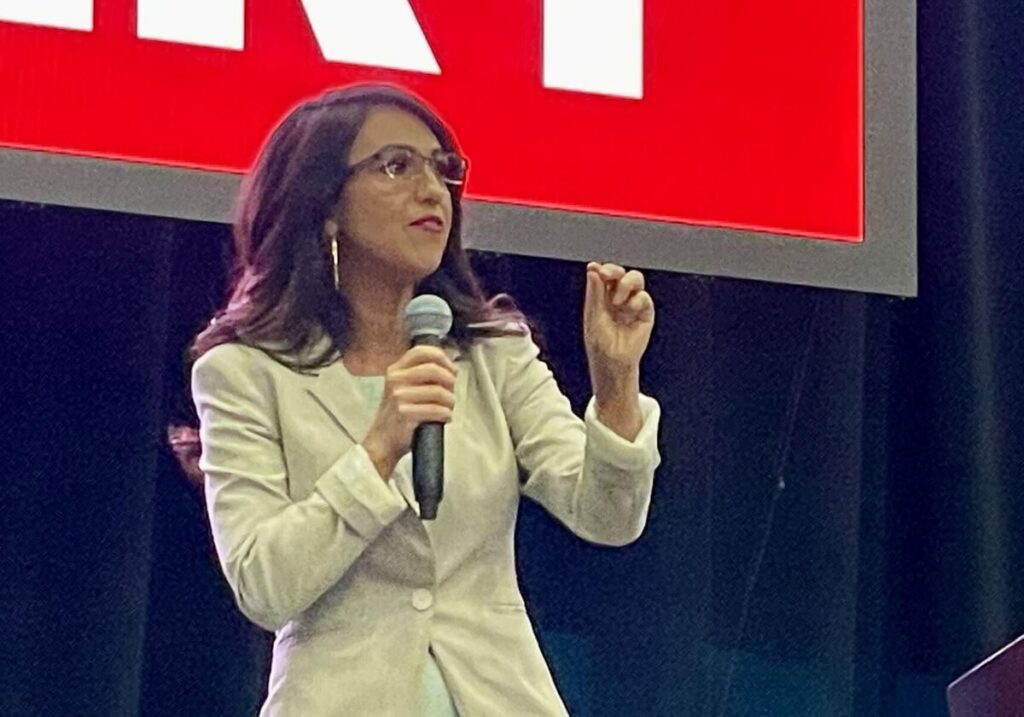
The national House Democrats’ campaign arm on Wednesday added the Colorado congressional district held by Republican U.S. Reps. Jeff Hurd and Lauren Boebert to the list of targeted seats the party believes are vulnerable in this year’s midterms. The Democratic...
Bennet settles campaign finance complaints, admits violating state law
Marianne Goodland
marianne.goodland@coloradopolitics.com
Updated 7 hours ago
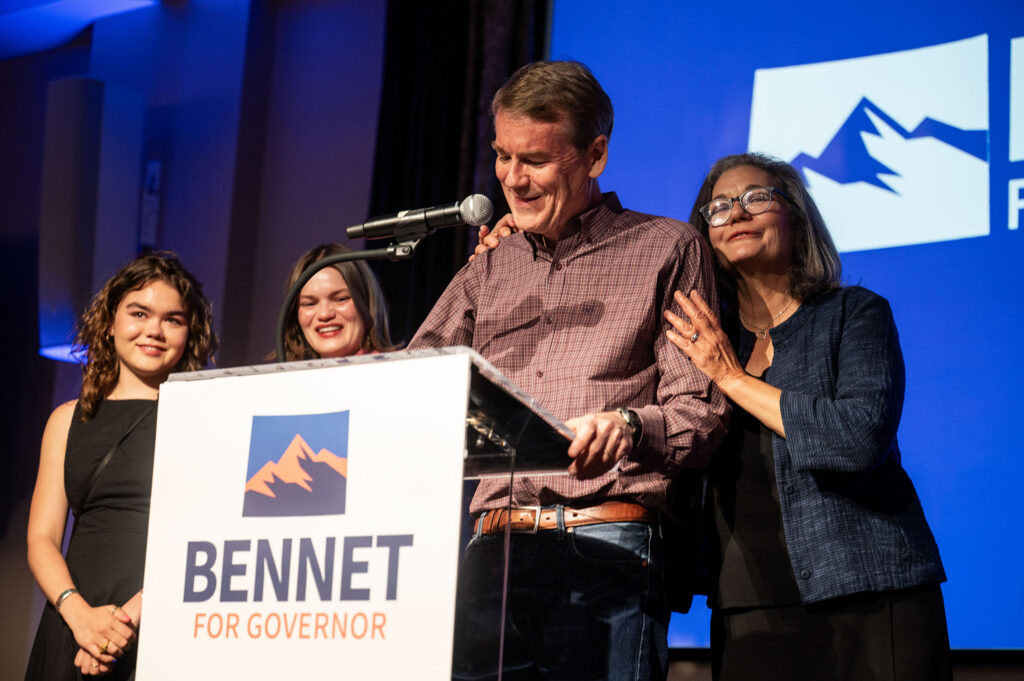
U.S. Sen. Michael Bennet’s gubernatorial campaign has agreed to pay a $7,433 fine for using his Senate campaign account to pay for gubernatorial campaign travel expenses. The July 31 settlement includes an admission by Bennet and his campaign that they...

Colorado to implement new laws on jail standards, safe haven rules, and agricultural labeling
Marissa Ventrelli
marissa.ventrelli@coloradopolitics.com
Updated 12 hours ago
In mid-August every year, a slew of recently passed laws in Colorado go into effect 90 days after the end of the legislative session. This year, all bills without a specified effective date or safety clause — a provision stating...

Colorado records 17th wolf death, a yearling tied to livestock losses
Marianne Goodland
marianne.goodland@coloradopolitics.com
Updated 8 hours ago
A yearling male wolf in Grand County has become the 17th wolf to die in Colorado in the past two years. Colorado Parks and Wildlife announced that its staff killed the wolf on Aug. 4 because it was believed to...

Keeping Colorado’s kids’ trust online | PODIUM
Colorado Politics
colorado-politics@coloradopolitics.com
Updated 1 day ago
By Stuart Jenkins Almost every day, the kids and teens we serve across Colorado are introduced to new generative artificial intelligence and other emerging technology, including conversational AI systems designed to simulate human conversation. These tools are no longer a...

Marx’s ‘through line’ predates Trump, connects to Maes | FEEDBACK
Colorado Politics
colorado-politics@coloradopolitics.com
Updated 1 day ago
Eric Sondermann is of course correct Victor Marx is an unserious, unelectable, embarrassing Republican nominee for governor of Colorado. But I respectfully submit that the “through line,” as Mr. Sondermann describes it, is not from Trump to Marx, despite their...
PREV
PREVIOUS

Tiered or capped? Battle over Colorado's income taxes might come down to one number
The battle between two competing ballot measures — one seeking to cap Colorado’s income tax rate, the other pushing for a tiered system depending on income levels — might come down to whichever ballot proposal gets one more vote. The organizations behind the two proposals have both turned in signatures to the state election office, […]

Were the primaries a preview for consequential general election? | Paula Noonan
Colorado’s political future will go the way of this election. Historically, the state has not had both chambers controlled by a supermajority. This election may change that. The primaries suggest how the general election may play out. Democrats had solid voter turnout and unaffiliated voters leaned toward Dems. The party pulled in 404,132 unaffiliateds to […]