

VA deputy chief talks burn pit bill, improved access to services in Colorado Springs visit
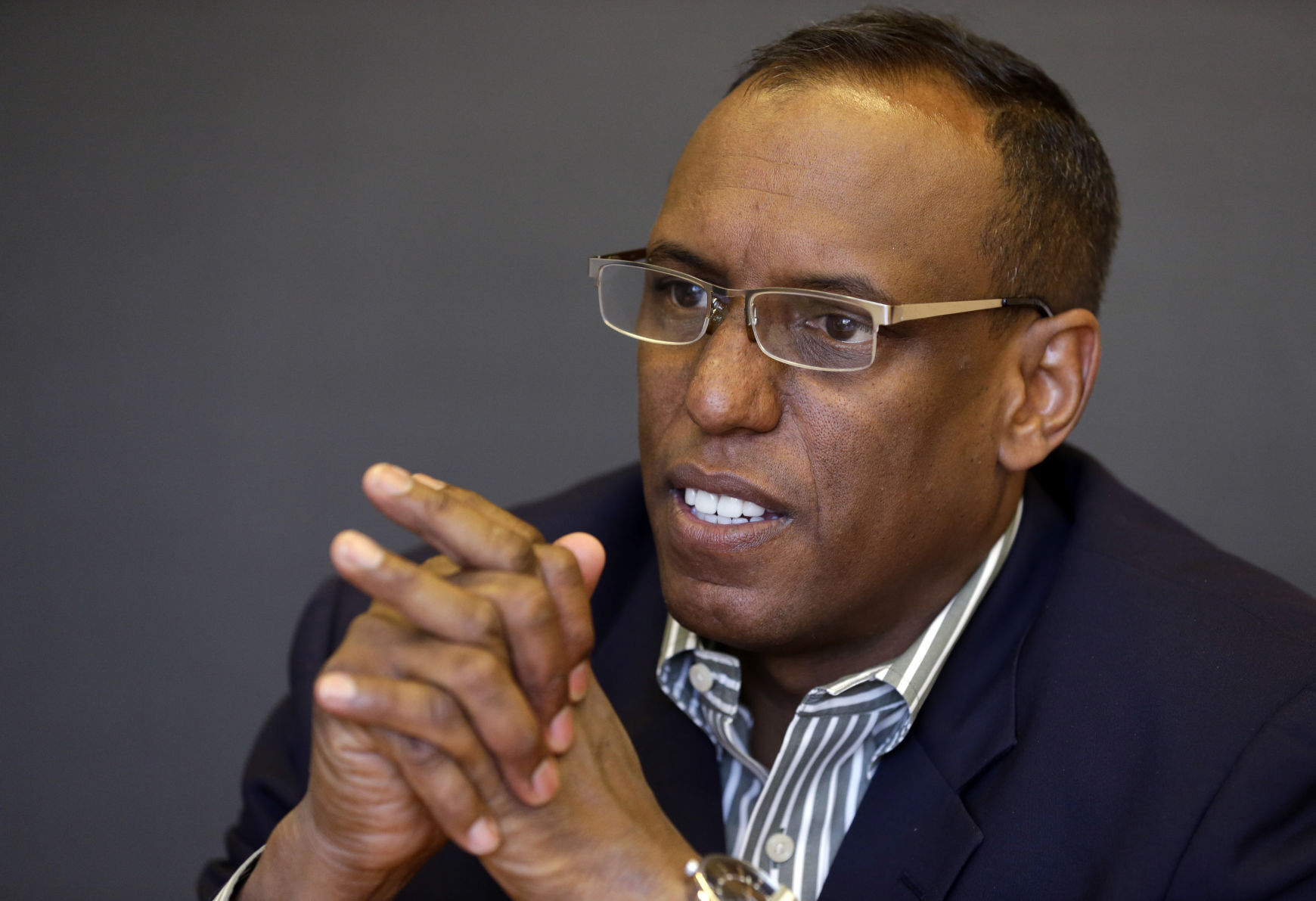
U.S. Veterans Affairs Deputy Secretary Donald Remy in a visit to Colorado Springs on Tuesday renewed federal commitment to providing veterans “increased access and improved outcomes” in health care services.
As part of his visit to, Remy attended the national conference of the American GI Forum, a Hispanic veterans and civil rights organization based in Texas, as an opportunity to hear firsthand the needs of of those individually affected by VA policy.
VA Secretary visits Colorado Springs clinic to meet providers and address growing demand
“At the end of the day, they’re the ultimate judges of the services that we provide to them,” Remy said while addressing conference attendees. “They’re the ultimate judges of our success.”
Remy’s appearance comes on the heels of VA Secretary Denis McDonough’s own visit to Colorado Springs last month amid growing demand for VA clinic services and subsequent concerns over wait times for appointments.
Jose Martinez, AGIF’s national legal adviser, said the national conference serves as a way for veterans to share experiences and issues they face locally, statewide and nationally. AGIF has seven chapters in Colorado: one in Pueblo, one in Colorado Springs and five in Denver.
He said members of AGIF’s command met with Remy personally to express additional concerns regarding veteran homelessness, suicide prevention and exposure to toxic substances during military service.
“Those issues were brought up and, of course, the deputy was very attentive to that,” Martinez said.
Remy was confirmed last July, not long before the approval of the VA’s $270 billion budget proposal for the 2022 fiscal year, which included suicide prevention and combating veteran homelessness as key funding priorities.
Remy emphasized the importance of the new three-digit Veteran Crisis Line phone number, launched July 16, in increasing “ease of access and clarity” to crisis response professionals. The line can be accessed by calling 988 and pressing 1.
“We’ve been intimately involved in trying to make sure that this quick and easy way for all of our citizens, and our veterans in particular, (to reach help) is available to them,” Remy said.
The old VCL number, 1-800-273-8255, will remain operational.
Colorado Springs area military events starting July 31
Remy celebrated the progress of the Honoring our PACT Act, which stands for Promise to Address Comprehensive Toxics, that aims to help millions of veterans exposed to toxic substances during military service.
Burn pits were commonly used to burn waste like trash and hazardous material at military sites in Iraq and Afghanistan and let off dangerous substances that have caused short and long-term health issues in those exposed, the VA said.
The act essentially presumes that veterans were exposed to these “certain substances, chemicals and airborne hazards” during their service, eliminating the requirement for veterans to prove their illnesses or conditions were caused or worsened by these burn pits.
The bill would add more than 20 respiratory illnesses and cancers to the VA’s umbrella of coverage, expanding coverage to an estimated 3.5 million veterans.
Remy said that if passed, the bipartisan bill will be the “biggest expansion of care and benefits in VA history.” He addressed pushback from some lawmakers who fear the addition of more veterans needing care will further overwhelm VA clinics around the country.
“We recognize that that will increase the number of veterans that VA serves,” he said, referring to adding procedures such as hiring more claims processors and automating claim processing.
“We understand that there will be more people in the system and more people in the system will likely result in some lag time,” he said. “But we’re working as hard as we can to minimize that impact on our veteran community.”
Remy said he will continue to visit with veterans in the Springs area after Tuesday.
“Colorado is an important location for all of our veterans,” he said. “And when I leave here, I’ll go into the community and I’ll be able to visit with others across the state and hear their stories about how they’re providing benefits and health care to our veteran population.”


Colorado gubernatorial candidates Phil Weiser, Greg Lopez to face off Thursday in televised debate
Ernest Luning
ernest.luning@coloradopolitics.com
Updated 7 minutes ago
Two of the candidates for governor of Colorado are set to square off in a televised debate for the first time Thursday night, when Attorney General Phil Weiser, the Democratic nominee, and former U.S. Rep. Greg Lopez, an unaffiliated candidate,...
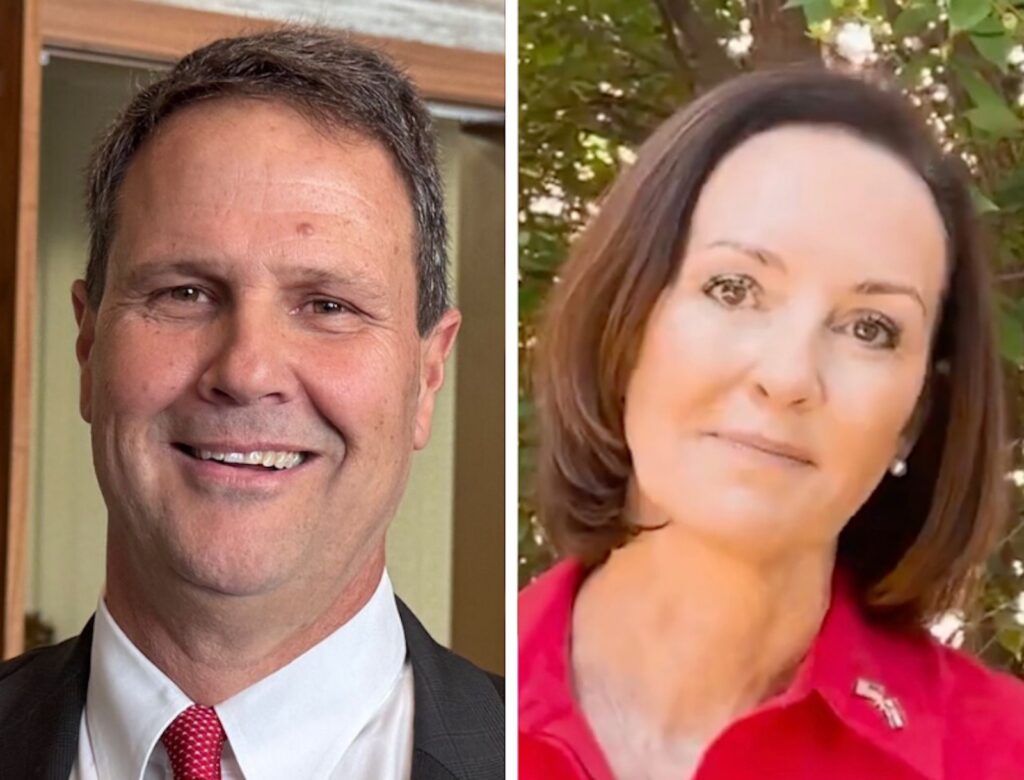
Republican US Rep. Jeff Crank, Democratic challenger Jessica Killin set to debate in Colorado’s 5th CD
Ernest Luning
ernest.luning@coloradopolitics.com
Updated 58 minutes ago
Republican U.S. Rep. Jeff Crank and Jessica Killin, his Democratic challenger, are scheduled to meet for a televised debate in the race to represent Colorado’s 5th Congressional District on Thursday night. The candidates are set to take the stage at...
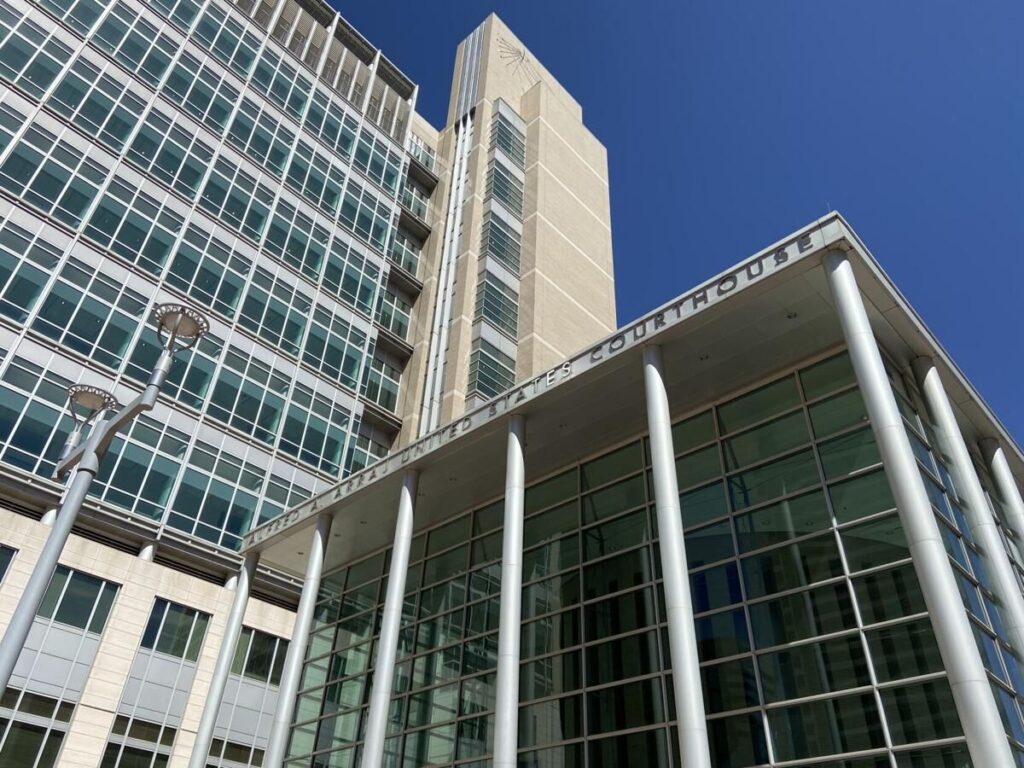
Wrongfully deported man to be returned to U.S., Colorado federal judge orders
Michael Karlik
michael.karlik@coloradopolitics.com
Updated 2 hours ago
Colorado’s chief federal judge took the extraordinary step of directing the government on Tuesday to do everything it can to return a man it deported in violation of his order. At the same time, Colorado’s chief magistrate judge has set...
Colorado’s precarious position protecting from wildfires | Paula Noonan
Paula Noonan
paula-noonan@coloradopolitics.com
Updated 11 hours ago
Fourteen firefighters died in the Storm King Mountain fire west of Glenwood Springs in 1994 when 2,115 acres burned. In August 2020, the Grizzly Creek fire burned 32,631 acres along the Interstate 70 corridor east of Glenwood causing mudslides from flooding...

We must deliver on cost of living | GUEST COLUMN
Colorado Politics
colorado-politics@coloradopolitics.com
Updated 11 hours ago
By Ryan Gonzalez Insurance premiums are on the rise. Property taxes are increasing. Groceries are becoming more expensive. Gas prices are reaching record levels. Housing costs are becoming unsustainable. These are the concerns I hear from people in my district....

Colorado to get $615M from Meta child safety settlement
Thelma Grimes
thelma.grimes@coloradopolitics.com
Updated 22 minutes ago
The parent company of Facebook and Instagram will pay hundreds of millions of dollars to Colorado, part of an $18 billion multistate deal, in which the company also agreed to adopt extensive child-safety changes to its operations. The settlement ended...

Aurora police warn businesses of 5 shoplifters involved in 139 crimes
Kyla Pearce
kyla.pearce@gazette.com
Updated 1 hour ago
Aurora police are warning business owners to look out for five shoplifters involved in 139 crimes with some $60,000 in stolen merchandise. Four of the five shoplifters are wanted on active Aurora Police Department warrants, according to a news release...

Counties warn CPW that new comment limits sideline local governments
Marianne Goodland
marianne.goodland@coloradopolitics.com
Updated 16 hours ago
The September meeting of the Colorado Parks and Wildlife Commission will feature newly revised public‑comment rules — changes introduced by chair Jay Tutchton of Bent County, who announced them without first discussing the revisions publicly with the rest of the...

Controversial two-bag furbearer limit heads to CPW meeting under legal threat
Marianne Goodland
marianne.goodland@coloradopolitics.com
Updated 16 hours ago
Next week’s Colorado Parks and Wildlife Commission meeting in La Junta is likely to open under the cloud of threatened legal action. Safari Club International and the Sportsmen’s Alliance Foundation warned the commission this month that its July vote imposing...
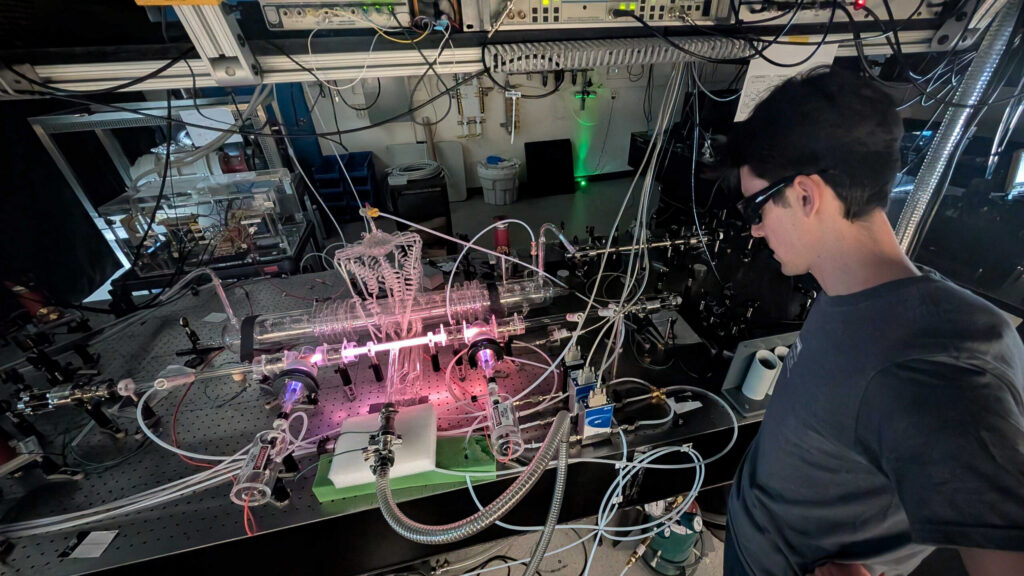
Federal science agency gives CU Boulder $37.5M to supercharge its quantum studies
Bernadette Berdychowski
bernadette.berdychowski@denvergazette.com
Updated 1 hour ago
The University of Colorado Boulder was awarded $37.5 million from a federal research agency to propel its quantum research, the U.S. National Science Foundation announced Tuesday. The school was one of eight academic institutions to receive a total of $290...