

Cutting tariffs helps economic, climate goals
Record inflation is crushing American consumers, and cutting tariffs could help. The Bureau of Labor Statistics reported an 8.3% national inflation rate as of May, the highest we’ve seen in decades. Aluminum is particularly emblematic of our national inflationary woes. The rising price of this crucial mineral fundamental to important sectors has caused a ripple effect across our economy. Recently, experts have called for eliminating Section 232 aluminum tariffs in order to drive down inflation. Fortunately, Congress is listening, and Sens. Pat Toomey (R-Pennsylvania) and Mark Warner (D-Virginia) are working to pass legislation that would eliminate these harmful levies.
Rising aluminum prices represent the broader inflationary challenges that businesses and consumers face. Prior to the pandemic, aluminum sold for $1,600 per ton and now costs about $3,000 per ton. Important economic sectors such as manufacturing, agriculture and construction rely on affordable aluminum. When accounting for its economy-wide impact, aluminum employs hundreds of thousands of workers across the country and pays nearly $50 billion in wages, per research compiled by the Aluminum Association.
Aluminum is just as economically important in Colorado as it is across the United States. Manufacturing is the third-largest state sector by GDP, and the industry uses imported aluminum to produce affordable goods. Aluminum cans are a prominent example of important aluminum products that have grown increasingly expensive. Additionally, high aluminum costs have hurt the construction and agriculture industries. Price spikes have limited our ability to fix roads, build houses and repair our national infrastructure. Meanwhile, farmers struggle to repair or buy aluminum tools or equipment, delaying harvests and threatening their bottom lines. These disruptions increase operating costs for businesses and further raise inflated prices for consumers.
A recent paper from the American Security Project (ASP) has proposed a solution: eliminate Section 232 aluminum tariffs in order to drive down inflation. ASP outlines the importance of an affordable supply of aluminum. Cutting these burdensome taxes would increase the flow of imported aluminum, translating to reduced operating costs for businesses and lower prices for American consumers.
Repealing Section 232 would also advance our national environmental goals by increasing access to low-carbon aluminum forged with hydropower. Low-carbon aluminum is far more sustainable than cheaper, Chinese aluminum that uses coal-burning smelters and produces substantial carbon emissions. Smart climate policy is especially pertinent now, as Colorado has endured wildfires and record-high temperatures. Prioritizing low-carbon aluminum is a win-win, promoting sustainable practices while boosting the economy through cutting onerous levies.
Policymakers in Washington D.C., are trying to turn these suggestions into solutions. Sens. Toomey and Warner have reached across the aisle to repeal Section 232. Their bill, the Bicameral Congressional Trade Authority Act, would rein in tariffs and protect American consumers from harmful levies that drive up inflation and slow economic growth. This legislation promotes our economic and environmental goals, and warrants Colorado U.S. Sens. John Hickenlooper and Michael Bennet’s support. The Toomey-Warner act is a smart move for Colorado.
We need lawmakers to take action in driving down inflation. ASP aptly notes that repealing aluminum tariffs would level the playing field for low- and zero-carbon aluminum, dropping operating costs for American businesses and reducing our reliance on carbon-intensive Chinese metal. Repealing Section 232, as I have argued in the past, is a promising means to achieve our economic and environmental goals. Now Sens. Toomey and Warner have introduced legislation that could make that possibility a reality. Supporting their bill would help Americans build a stronger, greener economy.
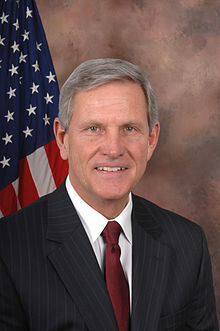
Baron Hill is a former Congressman who represented Indiana’s 9th congressional district as a Democrat. He served on the Energy and Commerce Committee and was a member of the Blue Dog Coalition.


A daring and fearless rescuer — is afraid of a debate | Dick Wadhams
Dick Wadhams
dick-wadhams@coloradopolitics.com
Updated 2 days ago
Victor Marx, the Republican nominee for governor who says he can exorcize demons and who claimed he has fearlessly rescued 45,000 women and children during 150 “high-risk” missions around the world, appears to be intimidated by the notion of debating...

Colorado’s ballot-initiative process again a battleground for deep pockets, special interests — not the people | Miller Hudson
Miller Hudson
miller-hudson@coloradopolitics.com
Updated 13 hours ago
The Oxford English Dictionary defines a constitution as, “The set of fundamental principles according to which a state is constituted and governed, a body of rules prescribing the major elements of the structure and activities of any organization.” Somewhere in...

Proposed EPA changes could save truckers billions | Rachel Gabel
Rachel Gabel
rachel-gabel@coloradopolitics.com
Updated 2 days ago
Agriculture is in distress across nearly every segment across much of the nation, and certainly to a more dire degree in the western United States. If it were not a historic drought, some pressures could be eased. Others can be...

Colorado Democrats, your time is coming | Jon Caldara
Jon Caldara
jon-caldara@coloradopolitics.com
Updated 2 days ago
Hey, Colorado Democrats! All the fun you’ve had watching Republican dysfunction in Colorado for the last 20 years was just a preview of what is about to happen to you. The Colorado Republican Party no longer exists as a competitive...

Perspective: Hunters and anglers are pushing back
Chris Dorsey
chrisd@gmail.com
Updated 11 hours ago
For generations, Coloradans hunted elk, caught trout and managed wildlife without consulting a constitutional attorney. That was before wildlife management became a recurring statewide election issue, replete with consultants, national pressure groups and enough political mail to denude an aspen...
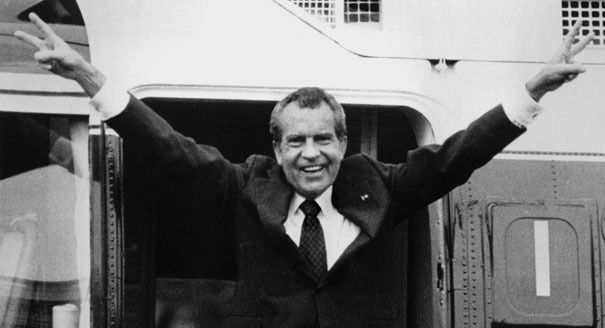
The relevance of Watergate more than a half-century later | SONDERMANN
By Eric Sondermann
by-eric-sondermann@coloradopolitics.com
Updated 5 days ago
It was the scandal for which all other scandals are now named. In June 1972, a small group of Cuban burglars with high-level connections broke into the headquarters of the Democratic National Committee. Those headquarters were located in the Watergate...

Colorado must continue finding common ground on wildfire policy | GUEST COLUMN
Colorado Politics
colorado-politics@coloradopolitics.com
Updated 4 days ago
By John Herrick Colorado has never lacked for opinions about wildfire policy. We debate forest management, climate change, prescribed burns, land use, air quality and budgets. Those debates are familiar territory, but a new discussion is beginning to happen around...

Proposition NN is the best investment for Colorado’s students and schools | GUEST COLUMN
Colorado Politics
colorado-politics@coloradopolitics.com
Updated 4 days ago
By Justin Ogden Colorado families know what it means to make difficult budget decisions. Inflation has driven up the cost of groceries, housing, utilities and just about everything else. Families like mine work hard to stretch every dollar while still...

Were the primaries a preview for consequential general election? | Paula Noonan
Paula Noonan
paula-noonan@coloradopolitics.com
Updated 5 days ago
Colorado’s political future will go the way of this election. Historically, the state has not had both chambers controlled by a supermajority. This election may change that. The primaries suggest how the general election may play out. Democrats had solid...

Disagreement doesn’t have to mean disrespect | GUEST COLUMN
Colorado Politics
colorado-politics@coloradopolitics.com
Updated 5 days ago
By Vincent Atchity These days, it doesn’t take long to feel overwhelmed by politics. Turn on the news, scroll through social media or read the comments on almost any political post and you’ll find anger, outrage and personal attacks. For...
PREV
PREVIOUS
Grand Junction Daily Sentinel: We can mitigate gun deaths
Rep. Lauren Boebert was on cable news recently and said something we agree with, though we doubt she had thought through the implications of her comment. Appearing on Fox News, Boebert said, “When 9/11 happened, we didn’t ban planes. We secured the cockpit.” Boebert made these comments to argue for “hardening” America’s schools in response […]

PODIUM | Experience and leadership matter
Hugh McKean As the 2022 legislative session has now come to a close, I am reminded of the great gift I have been given by you, my constituents, to represent you and your interests at the state capitol as well as serve as the minority leader of the Colorado House Republicans. The last 120 days […]