

Leslie Herod, policymakers react to Weiser’s investigation of Aurora police
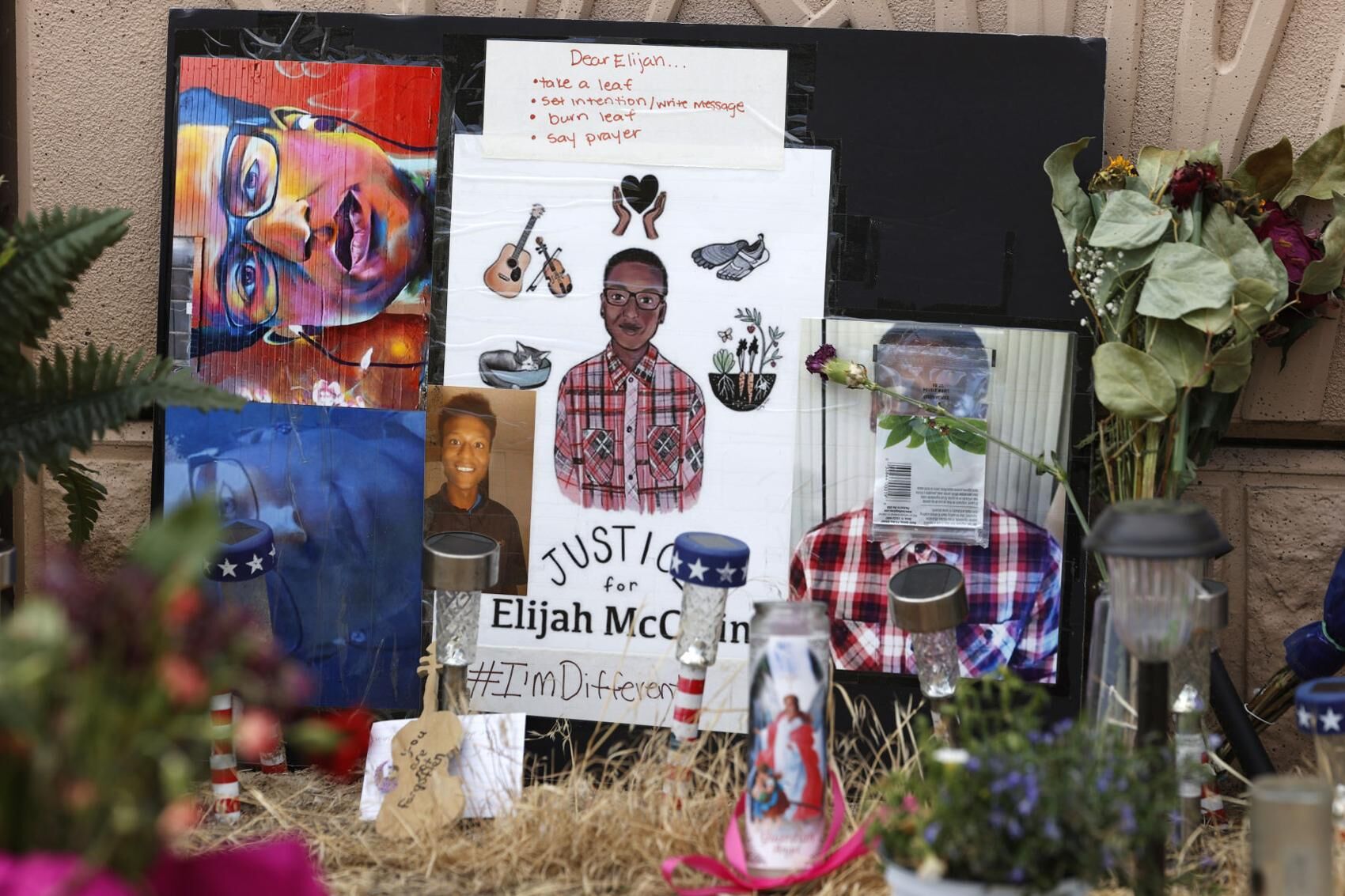
Following an announcement from Attorney General Phil Weiser that the Aurora Police Department has engaged in a pattern of racially-biased policing and other illegal practices, Rep. Leslie Herod touted legislation passed last year that enabled the probe that uncovered those findings.
Weiser: Aurora police have pattern of racial bias, misconduct
Weiser launched an investigation into the Aurora police and fire departments under the authority granted by Senate Bill 20-217. The police accountability bill, led by Herod, allows the AG’s office to step in if a law enforcement agency is suspected of engaging in a pattern of infringing on individual rights.
Polis signs historic police reform bill, among first in the nation
“Today, the attorney general affirmed that Senate Bill 217 is doing exactly what it’s supposed to be doing,” the Denver Democrat said during a Wednesday news conference. “We have affirmed what the citizens of Aurora and so many folks already knew: that the Aurora Police Department has operated in a way that is racist, and that is particularly racist against black people, and presents harm to our communities.”
She also touted a pair of bills she sponsored this year — House Bill 1250, a follow-up measure to address issues raised in SB217, and House Bill 1251, which prevents law enforcement from directing or “unduly influencing” EMTs to administer ketamine, the chemical restraint administered to McClain ahead of his death in the custody of the Aurora Police Department in 2019.
Polis signs legislation on police accountability, criminal justice
Senate advances law enforcement accountability legislation with promise of more work on the bill
Polis signs bill limiting the use of ketamine
But while she said those three pieces of legislation are working, Herod added there’s nothing to celebrate.
“What it means is that there has been harm that has been done to real people in our communities, some that will never be able to speak up about what happened to them,” she said. “But hopefully this will prove to some people and vindicate to others that what they believe happened to them was real or that what they believe that they are facing when it comes to racial discrimination in their community is real.”
Herod also praised Weiser’s work on the probe and noted she would like to see his office launch more patterns and practices investigations. Those additional probes, she said, would be dependent on the resources the legislature grants to Weiser’s office.
That falls within Herod’s purview as a member of the General Assembly’s budget-writing committee. Quizzed on a possible budgetary boost for Weiser’s office next year, Herod said she would wait to see the AG’s budget request. But if that request did come, Herod added, she would support it.
“I hope my colleagues will, too, because it’s important for Coloradans,” Herod said. “We are talking about the life and safety of Coloradans in our cities and counties throughout Colorado.
“We cannot push this aside anymore and we need to say that if there are departments that need to be investigated or that have done harm in their communities, that they will be held under a microscope and be held to account.”
Other community leaders and criminal justice reform advocates weighed in after the release of Weiser’s fundings.
“Today’s findings laid bare what many in our community know too well: that people of color are often treated differently by law enforcement and subject to abuse,” said U.S. Rep. Jason Crow, whose district includes Aurora.
Weiser’s announcement drew the attention of national advocates.
“When AGs have the tools to challenge police brutality and racism, some do step up,” wrote Sherrilyn Ifill, president and director-counsel of the NAACP Legal Defense and Educational Fund, on Twitter. “This report by the Colorado AG is important and welcome. But then there’s the remedy.”
Among other findings, the city’s emergency medical services department also has a pattern of administering ketamine in violation of the law. An injection of the sedative drug is a factor in McClain’s death, and is the subject of a civil lawsuit from another man.
Weiser encouraged the city to enter into a consent decree with the state to provide oversight of any changes Aurora decides to implement.
Colorado Politics Must-Reads:


Trump lowers flags to half-staff for Dolly Parton: ‘The World loves you’
Naomi Lim
naomi-lim@coloradopolitics.com
Updated 11 hours ago
President Donald Trump is honoring the life of country music legend and philanthropist Dolly Parton by ordering federal buildings across the country to lower flags to half-staff for a week. “Very sad to report that Dolly Parton, one of the...
Ted Cruz suggests GOP realignment coming after Trump leaves office
Emily Hallas
emily-hallas@coloradopolitics.com
Updated 11 hours ago
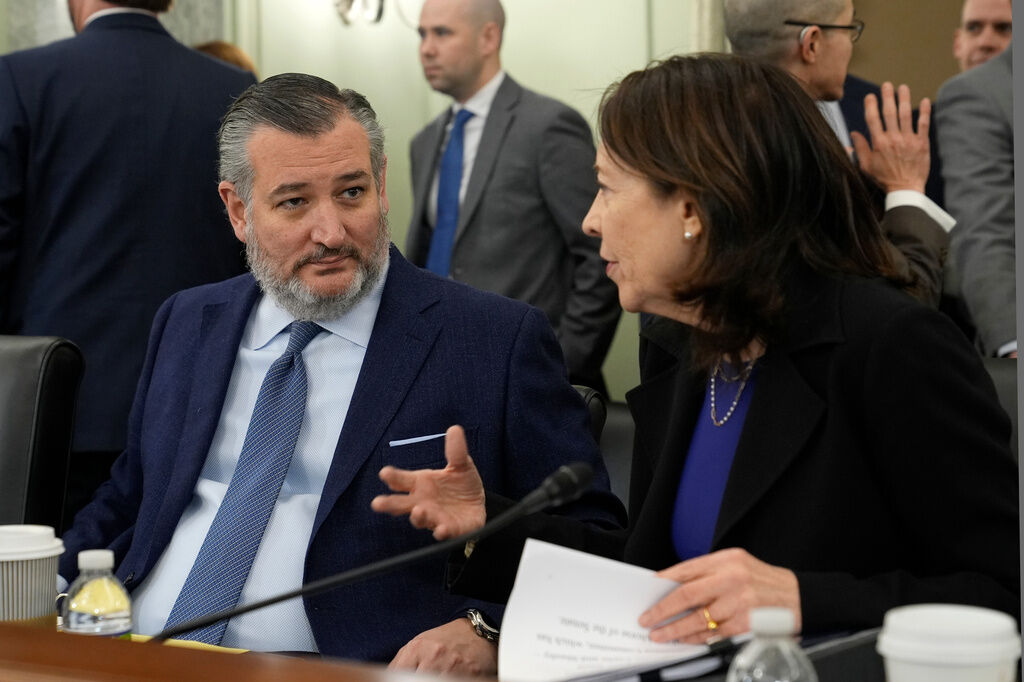
Sen. Ted Cruz (R-TX) on Monday suggested the Republican Party could embrace a directional shift after President Donald Trump leaves office, a transition that promises to leave a gaping hole in the GOP. Cruz is known as a critical ally...
2 Colorado State troopers shot near Woodland Park; suspect killed
DEBBIE KELLEY
debbie-kelley@coloradopolitics.com
Updated 11 hours ago
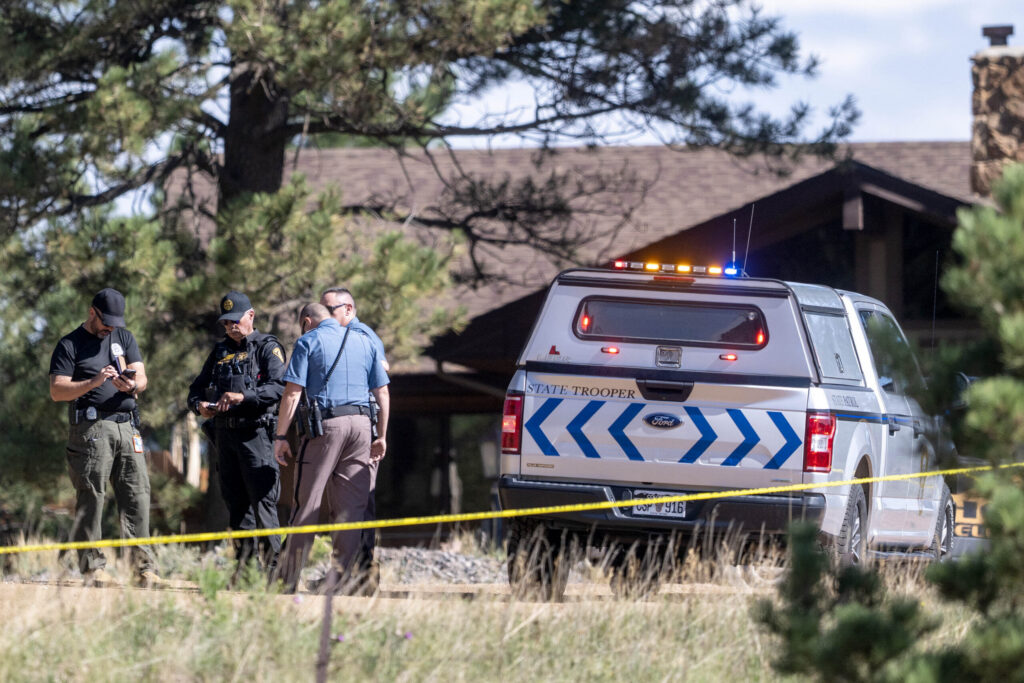
Two Colorado State Patrol troopers were hospitalized, and a suspect is dead after a shooting during a traffic stop Tuesday. The initial incident happened at about 7:15 a.m., when a resident reported suspicious activity in the area near milepost 286...
Aurora moves forward with data center regulations
Kyla Pearce
kyla.pearce@gazette.com
Updated 11 hours ago
The Aurora City Council approved moving forward with two new regulations on data centers and directed staff to come back at the next study session with others. At a council meeting in early August, council members directed city management to...

Aurora City Council considers stricter food truck regulations
Kyla Pearce
kyla.pearce@gazette.com
Updated 11 hours ago
The Aurora City Council is considering passing laws to limit the number of food trucks on properties in the city and how and when they operate. Councilmember Angela Lawson, who sponsored the ordinance, said she understands the importance of food...
Denver murder conviction reversed for incomplete self-defense instruction
Michael Karlik
michael.karlik@coloradopolitics.com
Updated 9 hours ago
Colorado’s second-highest court reversed a defendant’s murder conviction last week because a Denver judge gave an incomplete instruction to the jury about the man’s right to self-defense. Donald R. Gonzales and Gary McLaughlin met up in a Capitol Hill parking...
Colorado lawmaker, House leaders named in workplace-retaliation lawsuit
Marianne Goodland
marianne.goodland@coloradopolitics.com
Updated 12 hours ago
A former legislative aide has filed a lawsuit alleging she was mistreated, illegally directed to perform campaign work and harmed by a House leadership structure she charged was fragmented, politicized and ineffective at protecting employees. The lawsuit, filed by Jennifer...

Secret Service confirms awareness of Iranian state media video threatening Barron Trump’s life
The Associated Press
the-associated-press@coloradopolitics.com
Updated 17 hours ago
WASHINGTON (AP) — The U.S. Secret Service has confirmed it is aware that Iranian state media has aired a video that appears to threaten the life of Barron Trump, President Donald Trump’s youngest son. “The U.S. Secret Service is aware...
Federal judge hears arguments about Colorado’s 3-day gun purchase waiting period
Michael Karlik
michael.karlik@coloradopolitics.com
Updated 17 hours ago
A federal judge heard arguments on Monday about the constitutionality of a 2023 Colorado law that generally imposes a three-day waiting period on firearm purchases after the initiation of a background check. The test that the U.S. Supreme Court created...

Denver auditor finds oversight failures in $175.6M 16th Street project
Nico Brambila
nico.brambila@denvergazette.com
Updated 11 hours ago
Surprise historic sewer discovery delayed completion a year, cost $18M The Denver Auditor recently found significant oversight and contracting problems with the $175.6 million 16th Street Improvement Project, including an $18 million contract increase and a nearly one-year extension that...
PREV
PREVIOUS

There's a hole in the state House chamber, and it has a new story to tell
Wood floors that haven’t seen the light of day in more than a hundred years. An old forgotten step stool, its bottom rung snapped off, lies forgotten. Rare Rose Onyx marble that has been marked by the years, and which will be removed and saved for future use. All that can be seen from a […]

Dem congressional candidate Yadira Caraveo racks up legislative endorsements
Adams County Democrat Yadira Caraveo, the only Democrat so far running in Colorado’s new congressional district, added more endorsements from fellow state lawmakers Wednesday, including one who had considered running for the seat. “Yadira is a true advocate for Colorado families,” said state Rep. Brianna Titone, an Arvada Democrat, in a statement released by the […]