

Wild horse advocates call for help from Bennet, Hickenlooper and Polis to stop "inhumane" roundup
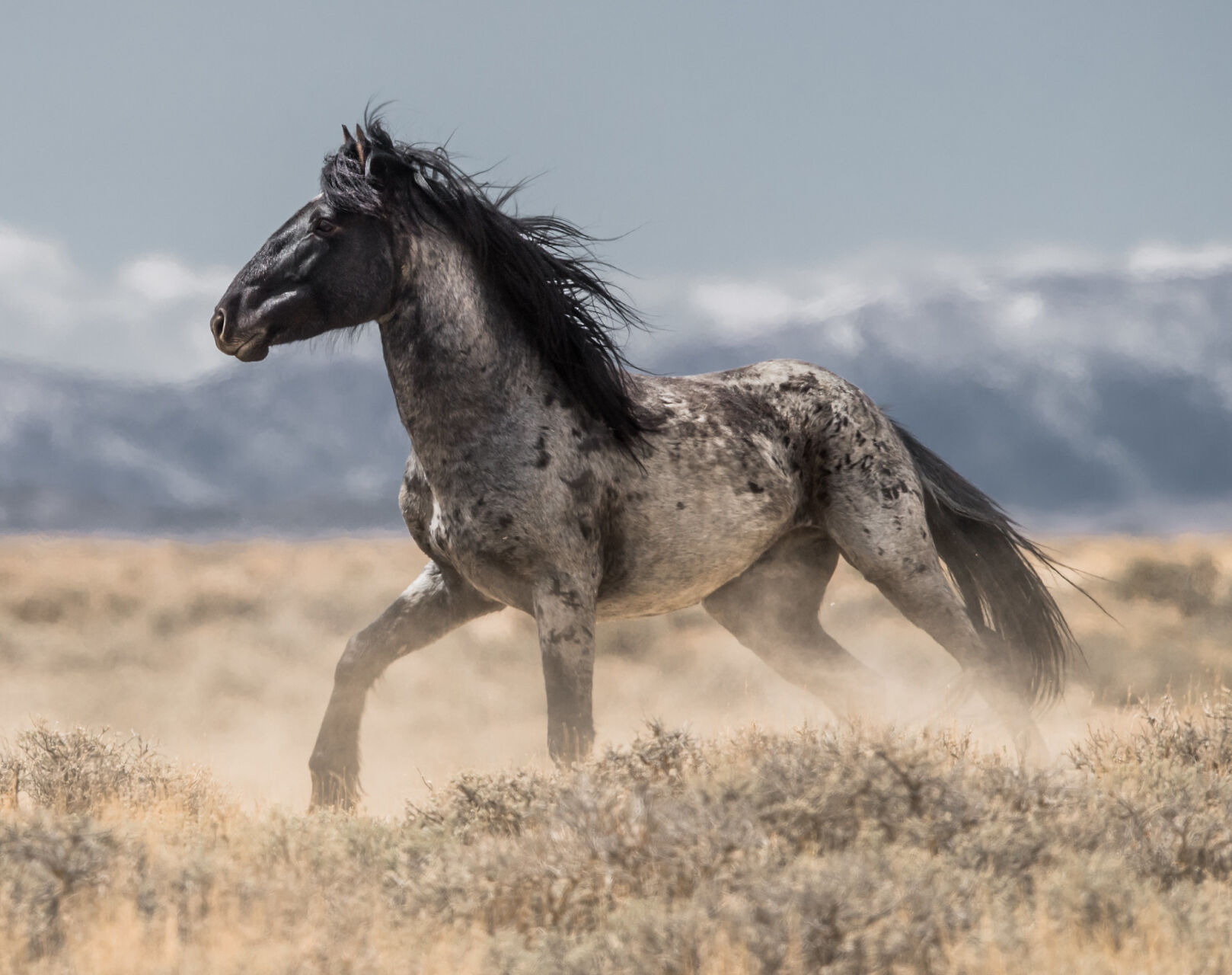
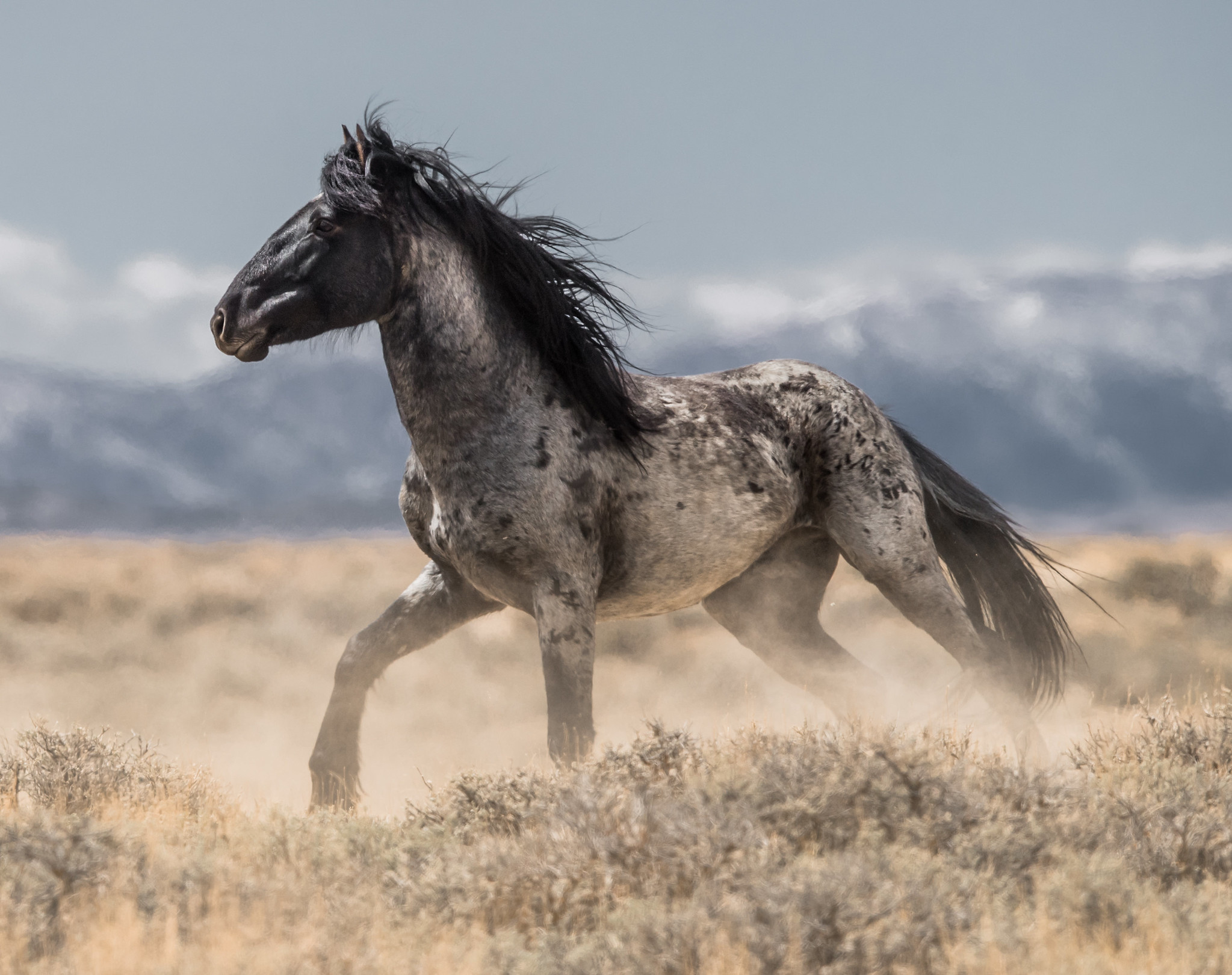
Advocates for wild horses are concerned that a planned helicopter roundup in northwest Colorado next week will be inhumane and lead to the slaughter of hundreds of mustangs.
They’re pleading with Colorado’s congressional delegation and Gov. Jared Polis to help.
The Bureau of Land Management announced last month it would try to capture, via helicopter, as many as 783 wild horses near Maybell in Moffat County, partly due to overpopulation, persistent drought and wildfires that have scorched grazing land and habitat.
Once the horses have been gathered, about 25 mares and 25 stallions would be returned to the herd, to keep the population at the lowest end of its estimated “ideal” size of 163 to 362 horses. The herd’s current estimated size is about 828 horses.
The area targeted for the roundup is known as the Sand Wash Basin Herd Management Area, a 160,000-acre range.
In a July 26 press release, Little Snake Field manager Bruce Sillitoe of BLM said “We are committed to maintaining a healthy population of wild horses on healthy rangelands in the Sand Wash Basin Herd Management Area.
An Aug. 17, 2021, BLM document said the roundup is supported by the Moffat County Board of County Commissioners, who fear not doing the roundup would hurt the local economy.
Shawn Martini, vice president for advocacy for Colorado Farm Bureau, said “we are generally supportive” of reducing the herd size, especially in that area of the state. “The population’s out of target, and damaging to sensitive rangeland.” As to the size of the herd, Martini said meeting BLM targets “would be an improvement.”
Horses trapped would enter BLM’s wild horse adoption program, but advocates for the herd fear many will head to slaughterhouses outside the United States.
With the 11th hour rapidly approaching and the roundup scheduled for next Wednesday, Sept. 1, advocates are pleading with U.S. Sens. Michael Bennet, D-Colo. and John Hickenlooper, D-Colo., and Polis to put pressure on the BLM to do the roundup humanely and for far fewer horses.
The BLM rounded up 10 horses in the same area back in January, using a bait and trap method that involves putting feed in a pen, and when horses enter a gate closes behind them.
Advocates say a roundup via helicopter is inhumane and unnecessary because recent rains have restored some of the habitat and relieved the drought.
They also challenge the BLM’s assertion that the roundup is an emergency, and raise the possibility that the roundup is being done to allow for more BLM land for sheep and cattle grazing, which brings in revenue to the agency.
Carol Walker, a wild horse photographer and advocate for the herd, said in a post last week that recent rains have filled in some of the waterholes, that the horses look healthy and that there are 10 new foals since her last visit. She also said the BLM”s plan to use intrauterine devices (IUDs) on the mares is not the preferred method to deal with population control.
The Sand Wash Basin Wild Horse Advocate Team, which works with the BLM to document the herd as well as administer fertility treatments to the horses, would prefer a bait and trap removal of no more than 300 horses, according to a recent Facebook post.
That would leave the population in the area at the high end of its optimal size, around 362 horses. (Another 100 horses that have gone outside the HMA would also be rounded up.)
The roundup would take out 87% of an iconic herd of mustangs, according to wildlife photographer Scott Wilson of Denver.
He said the BLM’s plan to return only mares and stallions means the foals in the herd would be targeted for removal.
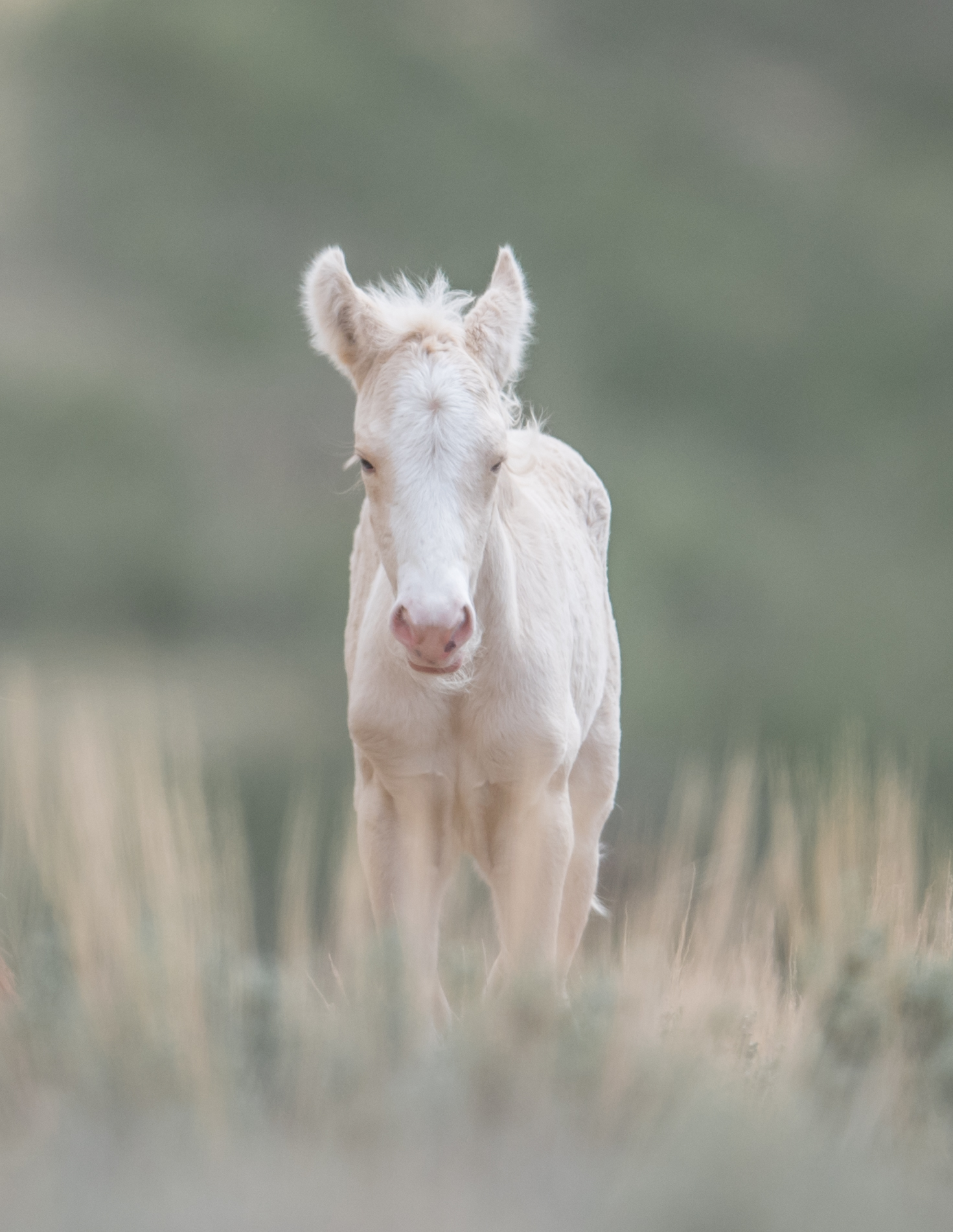
“My question is why go so low when there’s a 200-horse gap between low and high?” Wilson said the BLM is intransigent on adding even one more horse over the 163. “We’ve gotten nowhere [with the BLM], Wilson said.
Wilson acknowledges the land is under pressure. But the roundup shouldn’t take place by helicopter, which he said is cruel, and the herd does not need to be decimated by 90%.
“There’s a world of compromise between 163 and 362, which the BLM won’t meet us on,” he said.
“They’ve decided that speed is the priority and to get the biggest number out possible. That’s not the best welfare for these animals.”
The BLM, in a recent document, acknowledges that the helicopter roundup would be stressful to the herd and possibly fatal to 1.1%, or in this case about eight horses.
The roundup would return the herd management area “to a thriving natural ecological balance that benefits vegetation, rangeland resources, livestock grazing and remaining wild horses,” the BLM document said
Other effects on the animals from a helicopter roundup include nervous agitation, separation of members of individual bands of wild horses, increased social displacement and increased conflict among stallions. There’s also a risk of traumatic injuries, the BLM document said.
It’s also an expense issue, Wilson said. BLM has spent $60 million on private contractors to round up 8,000 horses two years ago, with millions more needed to hold the horses in pens.
The roundup next week is not the end of the BLM’s efforts, horse advocates said.
“You could be looking at 2,000 horses taken out of Colorado before the BLM is finished,” Wilson said.


Mysterious letter causes uproar, investigation in Mesa County GOP | A LOOK BACK
Rachael Wright, Special to Colorado Politics
rachael.wright@coloradopolitics.com
Updated 3 days ago
Twenty Years Ago This Week: An unregistered activist group calling themselves ‘The Colorado Republican Caucus’ mailed letters to at least 160 Republicans in Mesa County calling various Grand Junction Republicans “turncoats” and “traitors.” “The danger was that the letters were...

Colorado Politics Calendar Apr. 20-26
Rachael Wright, Special to Colorado Politics
rachael.wright@coloradopolitics.com
Updated 3 days ago
CoPo’s weekly political calendar helps you find political and public policy events throughout Colorado. It includes candidate and issue campaign events, public policy meetings, court hearings, state and local party conventions, assemblies, debates, rallies, parades, speaking engagements, traveling dignitary appearances,...
A happier budget week | Capitol M | Week of April 18, 2026
Marianne Goodland
marianne.goodland@coloradopolitics.com
Updated 2 days ago
It’s budget time at the state Capitol, and generally, it’s a humorless situation. It certainly was that way in the House last week, with a 15-hour reading of the long bill at 661 pages that resulted in lawmakers having to...

Colorado lawmakers advance bill to tackle Colorado’s prison capacity issues
Marianne Goodland
marianne.goodland@coloradopolitics.com
Updated 1 day ago
As lawmakers move the 2026–27 state budget toward completion, they are intensifying efforts to address overcrowding and capacity challenges within the Department of Corrections and related agencies—issues that have contributed to increased spending in the budget. The state Senate on...
Colorado justices, lawyers speak with rural students through outreach program
Michael Karlik
michael.karlik@coloradopolitics.com
Updated 5 hours ago
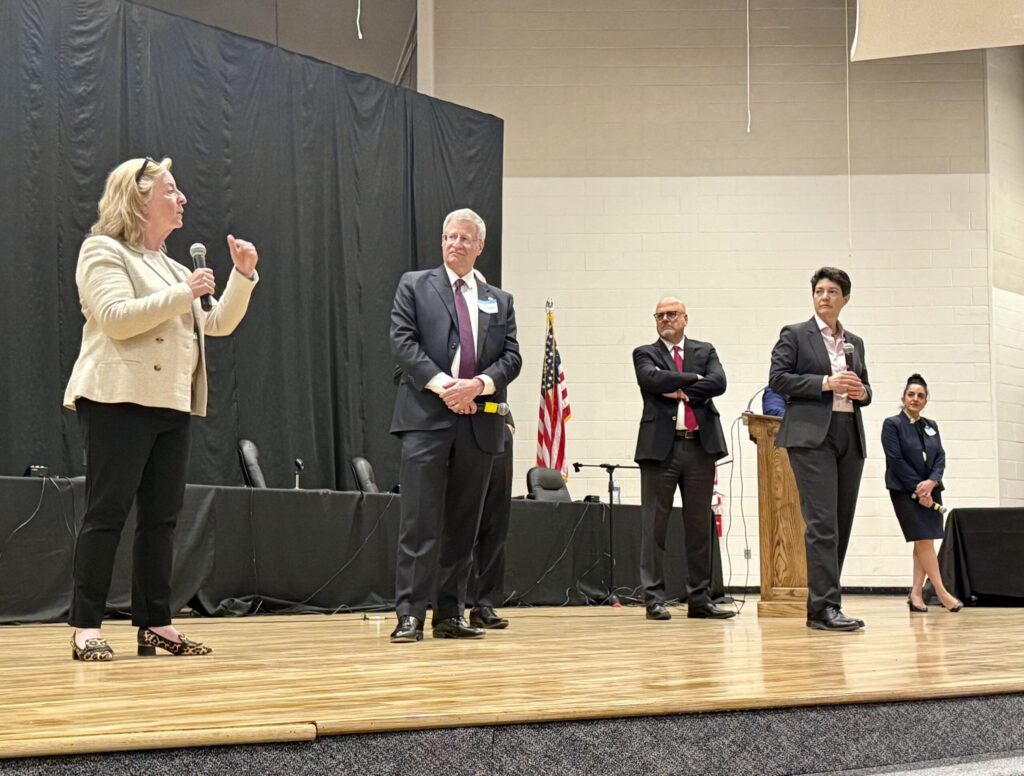
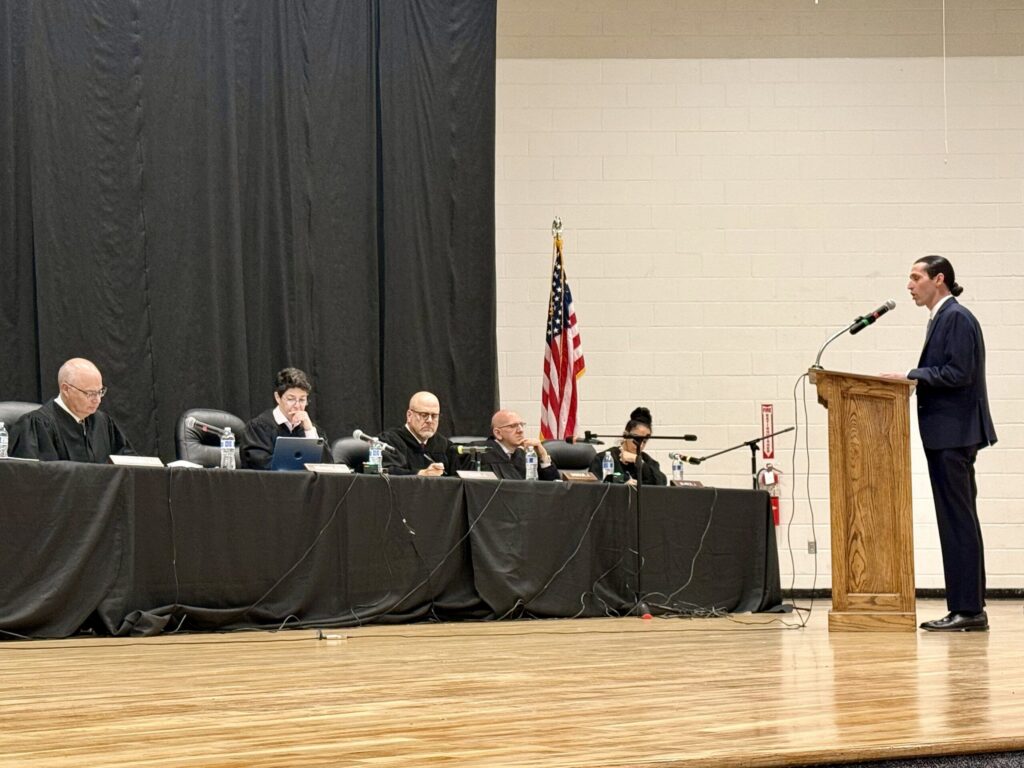
Members of the Colorado Supreme Court appeared before students from eight rural schools on Thursday to hear a pair of cases, field questions, and mark the first time the state’s newest justice participated in the long-running program. “I had such...

Democrats want Colorado colleges to provide medication abortion
Marissa Ventrelli
marissa.ventrelli@coloradopolitics.com
Updated 1 day ago
A bill proposing to require Colorado colleges and universities to provide abortion medication services cleared a legislative committee on Thursday. Advocates said the measure — which exempts religious-based institutions but applies to public, private, and community colleges — will improve...

Trump ‘in discussions’ with IRS to cut deal in tax record lawsuit
Brady Knox, Washington Examiner
brady.knox.washington.examiner@gazetteedit.wpenginepowered.com
Updated 1 day ago
President Donald Trump is in talks with the Internal Revenue Service to strike a deal over the release of his tax records. The news was revealed in a legal filing, where his legal team said they were in “discussions” with...
Governor’s wildlife commission picks face pushback ahead of Colorado Senate hearing
Marianne Goodland
marianne.goodland@coloradopolitics.com
Updated 1 day ago
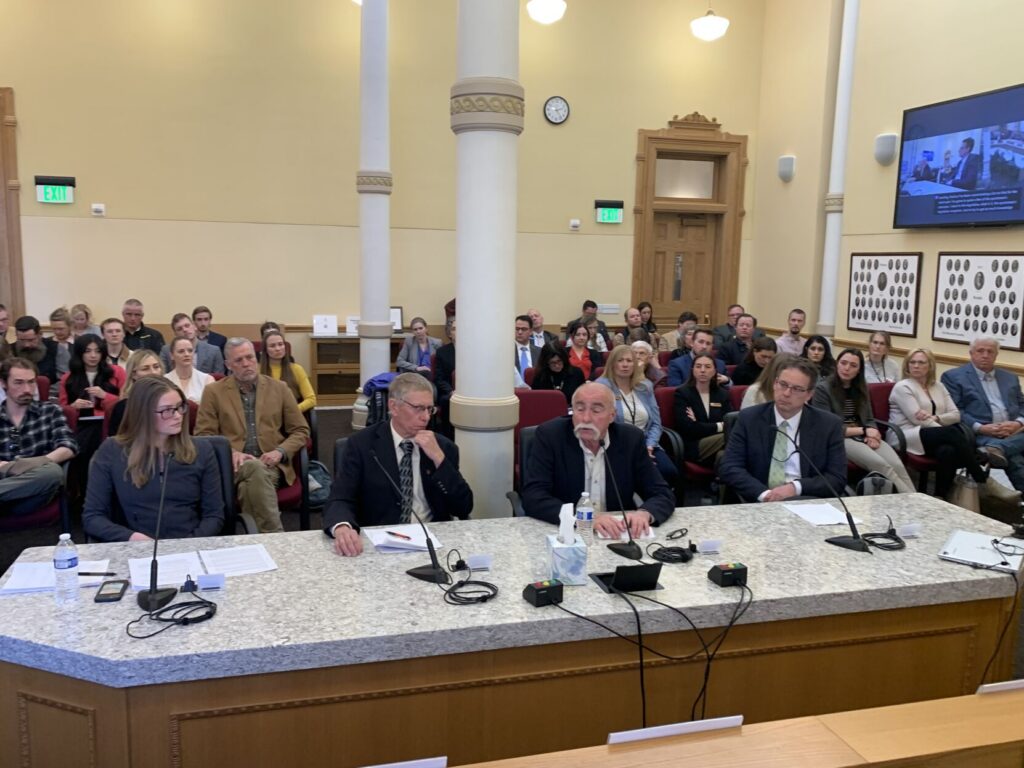
Colorado’s largest coalition of hunters, anglers, and wildlife conservation groups is urging state lawmakers to reject two of Gov. Jared Polis’ latest nominees to the Colorado Parks and Wildlife Commission, setting up a contentious confirmation hearing before the Senate Agriculture...
Colorado justices skeptical of snowboarder’s bid to revive injury lawsuit after signing new waiver
Michael Karlik
michael.karlik@coloradopolitics.com
Updated 6 hours ago
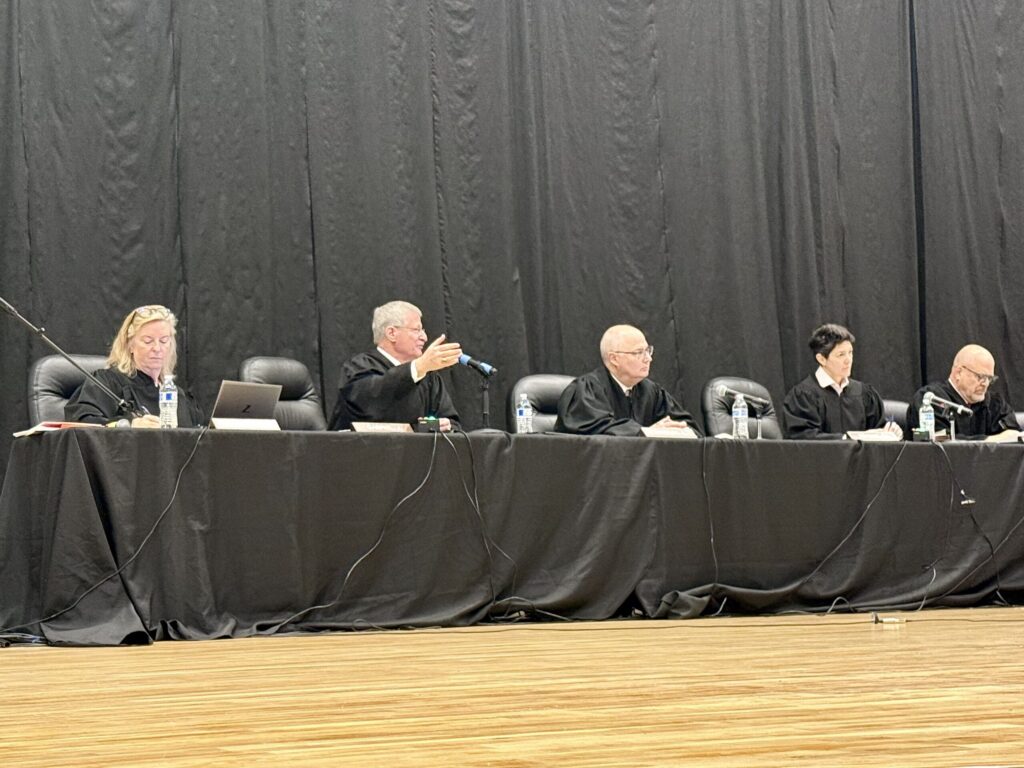
The Colorado Supreme Court seemed to agree on Thursday that a plaintiff is not entitled to continue his snowboarding injury lawsuit because he purchased another pass in the middle of litigation that released all past legal claims. “It says you’re...
Colorado Supreme Court appears OK with revised ‘reasonable doubt’ instruction
Michael Karlik
michael.karlik@coloradopolitics.com
Updated 3 hours ago
The Colorado Supreme Court appeared largely comfortable on Thursday with the recently revised definition of “reasonable doubt” that is now part of the template jury instructions for criminal cases. To date, multiple Court of Appeals decisions have endorsed the constitutionality...
PREV
PREVIOUS

Colorado's congressional Republicans offer prayers, criticism of Biden in wake of twin blasts in Kabul
After a pair of explosions rocked Hamid Karzai International Airport in Kabul early Thursday morning, Colorado’s Republican congressional delegation took to social media to express support for American forces and criticize the Biden administration. The two explosions came hours after the U.S. government warned Americans to avoid traveling to the airport in Afghanistan’s capital city because […]

Health officials warn of potentially deadly algae in Colorado reservoir
Colorado Parks and Wildlife is urging residents to stay away from the DeWeese Reservoir after a toxic algae bloom was discovered in the water Wednesday. Signs have been erected around the reservoir in Custer County, warning of “risk of death” if people or animals make contact with or consume the water. Wildlife Manager Mike Trujillo […]