

Health officials warn of potentially deadly algae in Colorado reservoir

Colorado Parks and Wildlife is urging residents to stay away from the DeWeese Reservoir after a toxic algae bloom was discovered in the water Wednesday.
Signs have been erected around the reservoir in Custer County, warning of “risk of death” if people or animals make contact with or consume the water.
Wildlife Manager Mike Trujillo ordered the closure of all activity except fishing at the reservoir, including swimming, skiing, paddle-boarding and wading. Anyone who fishes in the water is urged to thoroughly clean and cook fish caught.
“This algae bloom poses an immediate health risk to people and pets,” Trujillo said. “You can still fish, but there should be no skin-to-water contact.”
Man running with dogs attacked by moose in Colorado’s high country
Trujillo said testing found dangerous levels of toxicity in the water and elevated levels of algae were observed in a turquoise-colored film on the reservoir.
Officials have been monitoring the reservoir closely since the toxic algae was first discovered in the water on June 30.
The blue-green algae bloom is actually bacteria, according to pollution control agencies. The blooms prosper in areas with warm water, an increasing issue with global climate change.
Colorado Parks and Wildlife asking drone users to avoid harassing wildlife
There is no way to remove toxins from lakes, Trujillo said, but the public can help prevent the algae blooms by keeping nutrients from entering waterways through lawn fertilizers, pet waste and de-icers that contain urea.
If any person or animal is exposed to the water, the Colorado Department of Public Health and Environment recommends they shower immediately.
The DeWeese Reservoir State Wildlife Area is still open to nonwater recreation, including picnicking, hiking, wildlife viewing and camping.


Mysterious letter causes uproar, investigation in Mesa County GOP | A LOOK BACK
Rachael Wright, Special to Colorado Politics
rachael.wright@coloradopolitics.com
Updated 3 days ago
Twenty Years Ago This Week: An unregistered activist group calling themselves ‘The Colorado Republican Caucus’ mailed letters to at least 160 Republicans in Mesa County calling various Grand Junction Republicans “turncoats” and “traitors.” “The danger was that the letters were...

Colorado Politics Calendar Apr. 20-26
Rachael Wright, Special to Colorado Politics
rachael.wright@coloradopolitics.com
Updated 3 days ago
CoPo’s weekly political calendar helps you find political and public policy events throughout Colorado. It includes candidate and issue campaign events, public policy meetings, court hearings, state and local party conventions, assemblies, debates, rallies, parades, speaking engagements, traveling dignitary appearances,...
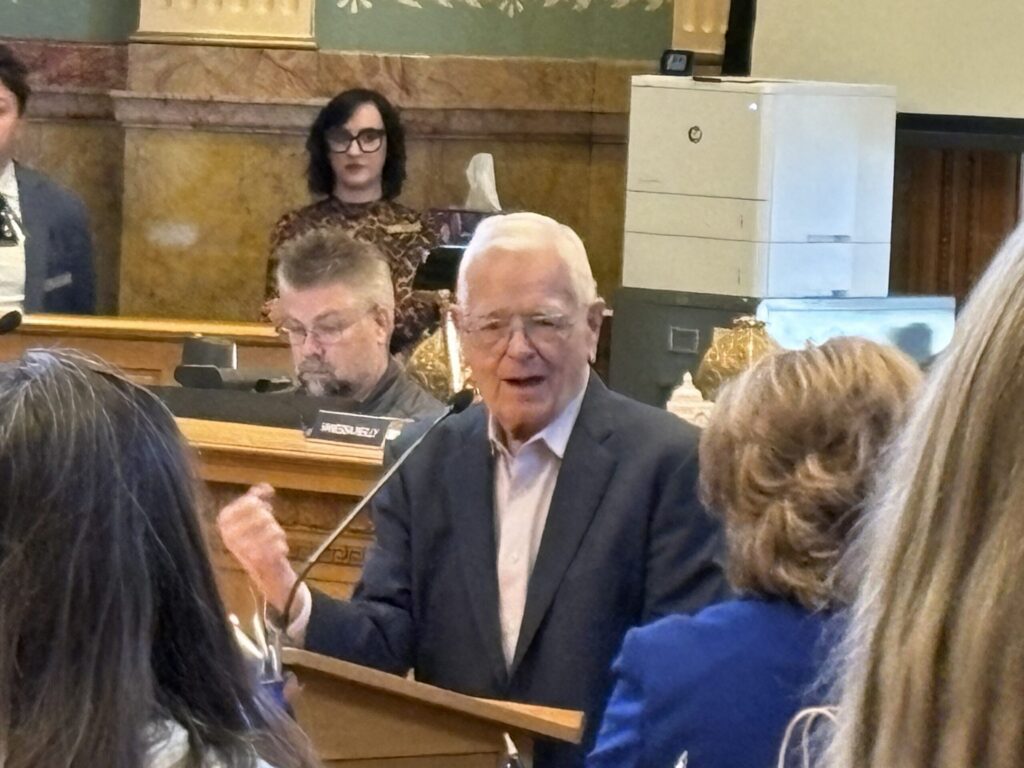
A happier budget week | Capitol M | Week of April 18, 2026
Marianne Goodland
marianne.goodland@coloradopolitics.com
Updated 2 days ago
It’s budget time at the state Capitol, and generally, it’s a humorless situation. It certainly was that way in the House last week, with a 15-hour reading of the long bill at 661 pages that resulted in lawmakers having to...

Colorado lawmakers advance bill to tackle Colorado’s prison capacity issues
Marianne Goodland
marianne.goodland@coloradopolitics.com
Updated 1 day ago
As lawmakers move the 2026–27 state budget toward completion, they are intensifying efforts to address overcrowding and capacity challenges within the Department of Corrections and related agencies—issues that have contributed to increased spending in the budget. The state Senate on...
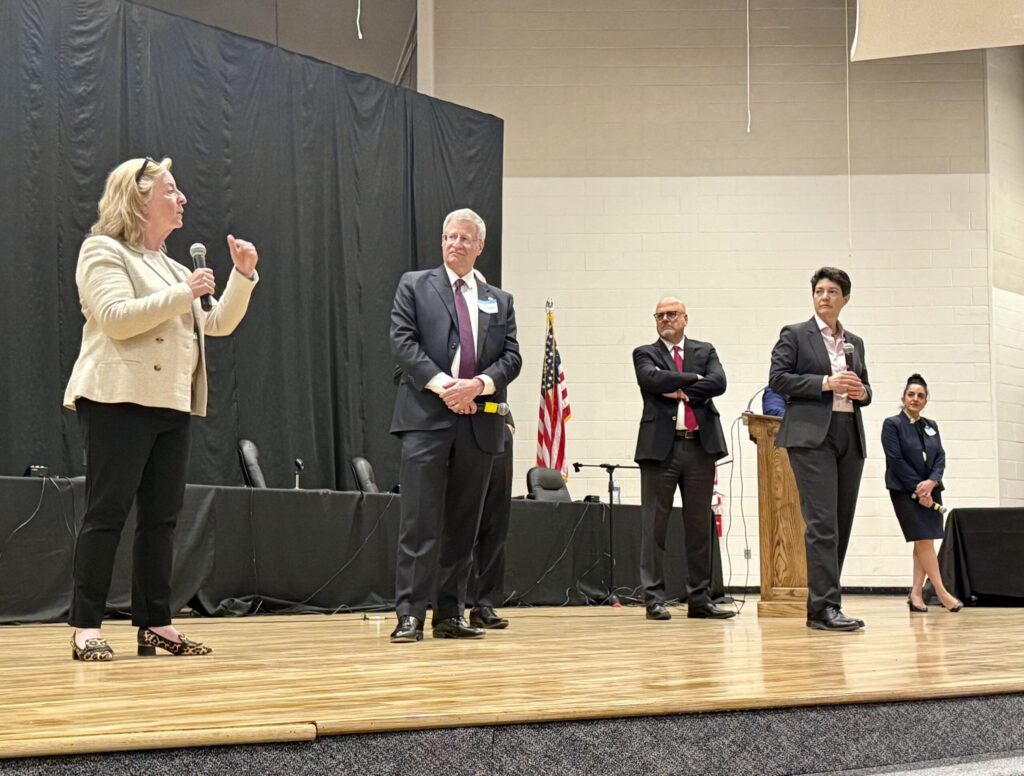
Colorado justices, lawyers speak with rural students through outreach program
Michael Karlik
michael.karlik@coloradopolitics.com
Updated 4 hours ago
Members of the Colorado Supreme Court appeared before students from eight rural schools on Thursday to hear a pair of cases, field questions, and mark the first time the state’s newest justice participated in the long-running program. “I had such...
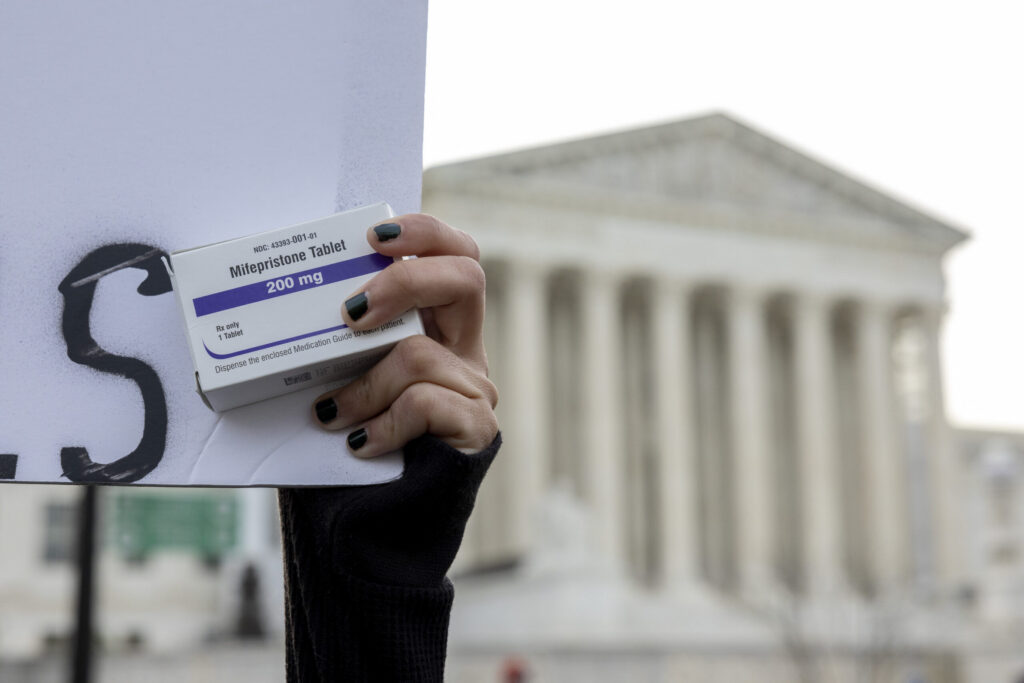
Democrats want Colorado colleges to provide medication abortion
Marissa Ventrelli
marissa.ventrelli@coloradopolitics.com
Updated 23 hours ago
A bill proposing to require Colorado colleges and universities to provide abortion medication services cleared a legislative committee on Thursday. Advocates said the measure — which exempts religious-based institutions but applies to public, private, and community colleges — will improve...

Trump ‘in discussions’ with IRS to cut deal in tax record lawsuit
Brady Knox, Washington Examiner
brady.knox.washington.examiner@gazetteedit.wpenginepowered.com
Updated 24 hours ago
President Donald Trump is in talks with the Internal Revenue Service to strike a deal over the release of his tax records. The news was revealed in a legal filing, where his legal team said they were in “discussions” with...
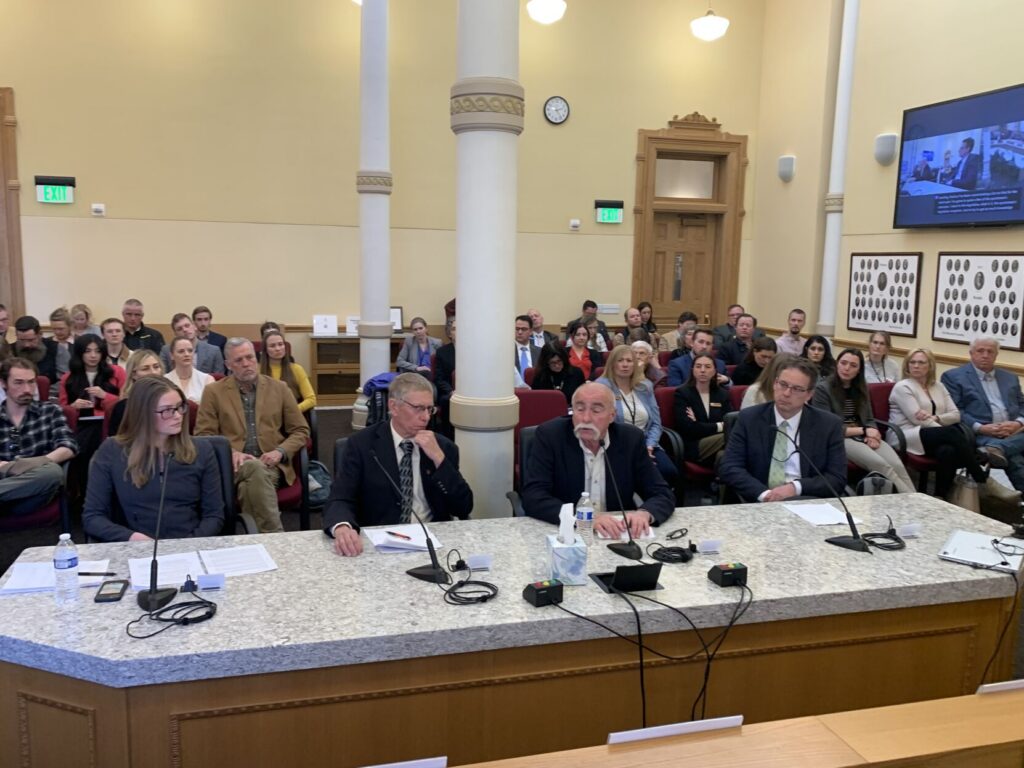
Governor’s wildlife commission picks face pushback ahead of Colorado Senate hearing
Marianne Goodland
marianne.goodland@coloradopolitics.com
Updated 1 day ago
Colorado’s largest coalition of hunters, anglers, and wildlife conservation groups is urging state lawmakers to reject two of Gov. Jared Polis’ latest nominees to the Colorado Parks and Wildlife Commission, setting up a contentious confirmation hearing before the Senate Agriculture...
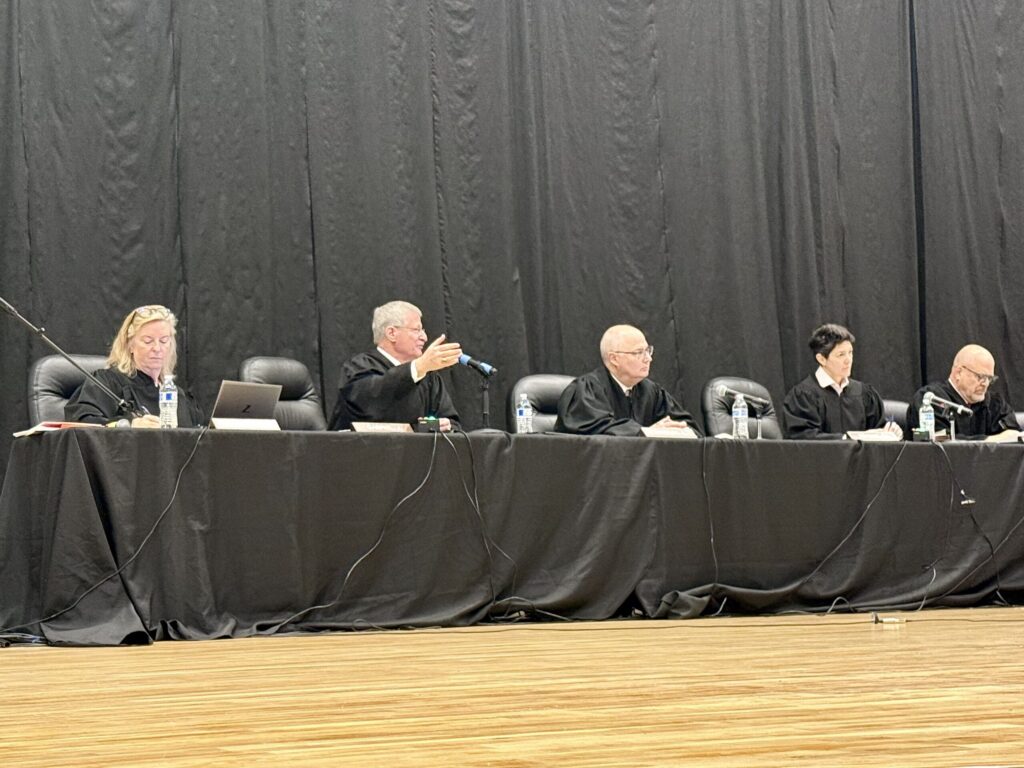
Colorado justices skeptical of snowboarder’s bid to revive injury lawsuit after signing new waiver
Michael Karlik
michael.karlik@coloradopolitics.com
Updated 5 hours ago
The Colorado Supreme Court seemed to agree on Thursday that a plaintiff is not entitled to continue his snowboarding injury lawsuit because he purchased another pass in the middle of litigation that released all past legal claims. “It says you’re...
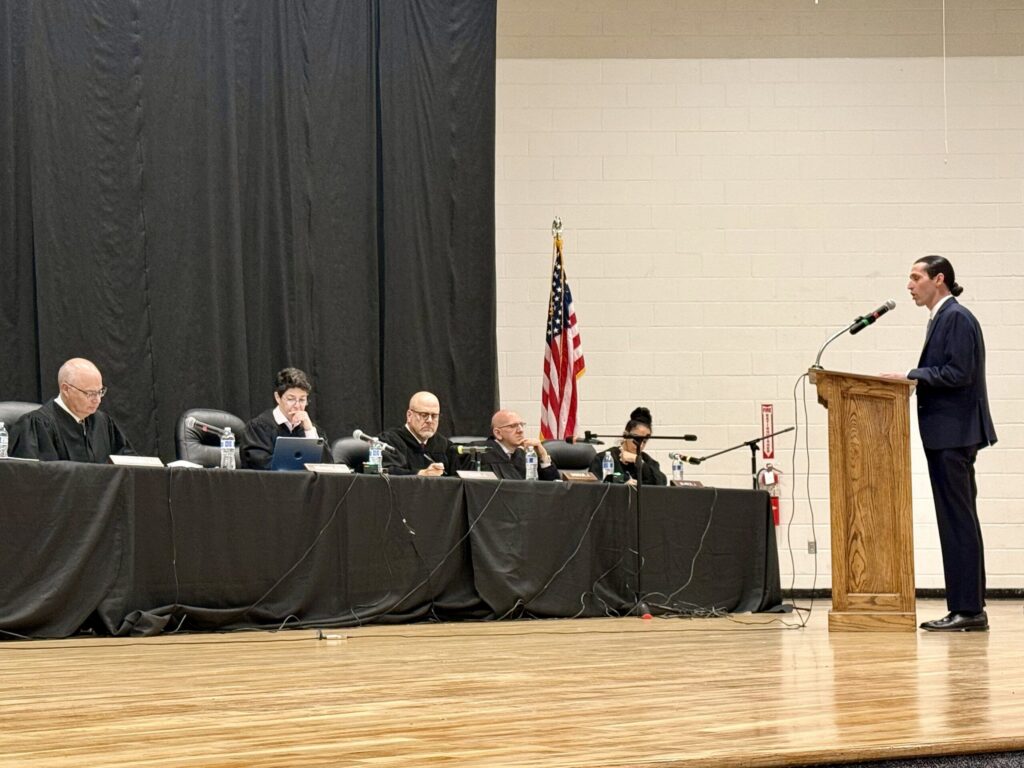
Colorado Supreme Court appears OK with revised ‘reasonable doubt’ instruction
Michael Karlik
michael.karlik@coloradopolitics.com
Updated 2 hours ago
The Colorado Supreme Court appeared largely comfortable on Thursday with the recently revised definition of “reasonable doubt” that is now part of the template jury instructions for criminal cases. To date, multiple Court of Appeals decisions have endorsed the constitutionality...
PREV
PREVIOUS
Wild horse advocates call for help from Bennet, Hickenlooper and Polis to stop "inhumane" roundup
Advocates for wild horses are concerned that a planned helicopter roundup in northwest Colorado next week will be inhumane and lead to the slaughter of hundreds of mustangs. They’re pleading with Colorado’s congressional delegation and Gov. Jared Polis to help. The Bureau of Land Management announced last month it would try to capture, via helicopter, […]

Iconic downtown Denver Sports Castle building sold, developer has renovation plans
The Denver Sports Castle building at 10th Avenue and Broadway, after enduring years sitting vacant and a fair amount of abuse from protesters in 2020, has sold. Tom McLagan, executive chairman of Hyder Construction Inc. of Denver, bought the 45,330-square-foot building and plans to renovate it and seek National Register of Historic Places status. The […]