

Appeals court strikes down discriminatory Vail condo ordinance

The Court of Appeals last week struck down a 34-year-old Vail town ordinance placing restrictions on condominium usage, concluding that it amounted to illegal discrimination against condo owners.
A three-judge panel based its decision on a 1992 state law – the Colorado Common Interest Ownership Act – which prohibits requirements on condo communities that are not also applied to developments that may have the same physical structure, but a different form of ownership such as a rental property or a hotel. Given that Vail placed occupancy conditions on units that “would be condominiumized,” and did not extend those conditions to other similar properties with different ownership, it amounted to a violation.
The Community Associations Institute, an international organization for condominium and homeowner associations, urged the appellate court to side against Vail, arguing in a legal brief that the town was undermining the General Assembly’s efforts to set policy for how condos would be treated statewide.
“A published decision in favor of the Town of Vail would impair protected property rights, condone discrimination against the condominium form of ownership, and harm condominium owners and community associations throughout Colorado,” CAI wrote.
The case stemmed from the town’s establishment in 1976 of the Village Inn Plaza development. Vail enacted an ordinance in 1987 allowing for Phase V of the development, but included a condition for developers that spawned the lawsuit. The condition required condominium units to stay in the short-term rental market as temporary accommodations, limited an owner’s use of their unit during the winter “high season” and authorized fines for violations.
Although the condo association adopted the restrictions in 1988, it decided in 2013 it would no longer enforce them. The following year, a commercial owner within the Village sued the association, alleging its rule change violated the 1987 ordinance. The town of Vail also joined the legal action.
The association countered that the town ordinance violated the CCIOA’s anti-discrimination provision.
In June 2018, then-Eagle County District Court Judge Frederick W. Gannett agreed the ordinance with its restrictions on owner occupancy was discriminatory toward condominiums. The town subsequently turned to the Court of Appeals.
Kendra L. Carberry, representing the town of Vail, told the judges at oral arguments that the point of the condo ordinance was to encourage transient occupancy in the commercial core by preventing full-time occupancy.
“In this case, there could not have been discrimination against these condominiums because they already existed prior to CCIOA,” she said.
“So in other words, you discriminated then so you can continue to discriminate now?” retorted Judge Janice B. Davidson.
The appellate panel determined that even though CCIOA was not enacted until five years after the Vail ordinance in question, the law created an enforcement mechanism for “events and circumstances” occurring later than 1992. The parties and judges observed that this language was broad.
But to the panel, an event or circumstances “unambiguously includes the Town’s current actions in seeking to enforce the 1987 ordinance,” Davidson, a retired judge who sat on the panel at the chief justice’s assignment, wrote in the court’s August 12 opinion.
She added that the state and the town both had an interest in the regulation of condo communities, but state law took precedence. Carberry warned that the district court’s original order was unclear about whether the entire 1987 ordinance was invalid, or just the section pertaining to condominium restrictions.
A spokesperson said the Vail council was scheduled to talk about the court decision with the town’s attorney on Tuesday, but the discussion ended up being postponed.
The case is Vail v. Village Inn Plaza – Phase V Condominium Association.


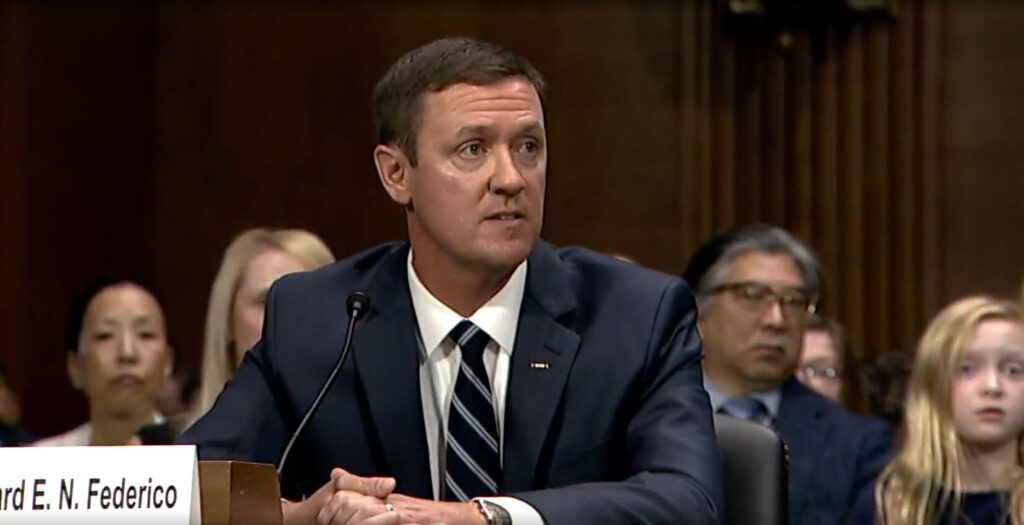
10th Circuit finds no fair housing violation by Littleton landlord for worker’s alleged rape of tenant
Michael Karlik
michael.karlik@coloradopolitics.com
Updated 15 hours ago
The Denver-based federal appeals court concluded on Monday that Littleton’s housing authority could not be held liable for a maintenance worker’s alleged rape of a tenant, as the worker’s employment did not provide any special access to the victim. A...
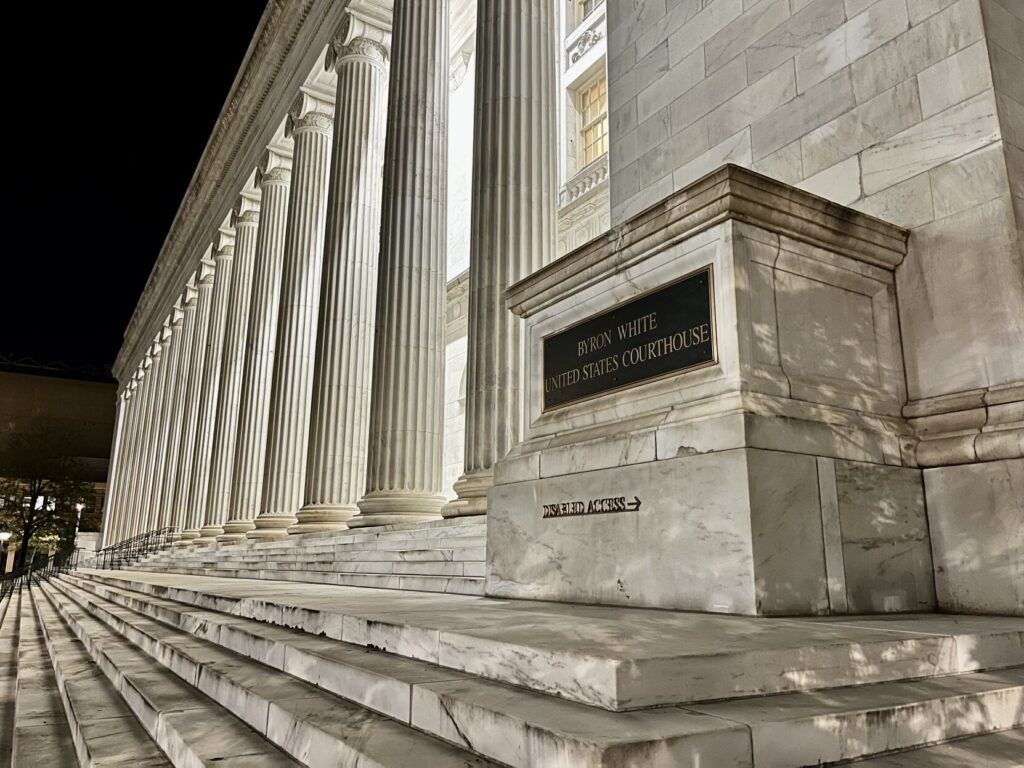
Denver detox center did not violate man’s rights with 10-hour hold, 10th Circuit says
Michael Karlik
michael.karlik@coloradopolitics.com
Updated 2 days ago
The Colorado-based federal appeals court concluded on Tuesday that Denver’s detoxification facility did not violate a man’s rights by holding him against his will for 10 hours until his blood alcohol content was projected to reach zero. Unusually, Brian Garrett’s...

Federal judge clarifies ex-GOP treasurer candidate’s burden to prove defamation claims
Michael Karlik
michael.karlik@coloradopolitics.com
Updated 2 days ago
A federal judge clarified last week that businessman and former Republican statewide candidate Brian Watson will need to surmount a higher hurdle in proving his claim that a party guest’s alleged description of him as a “criminal” amounted to defamation....
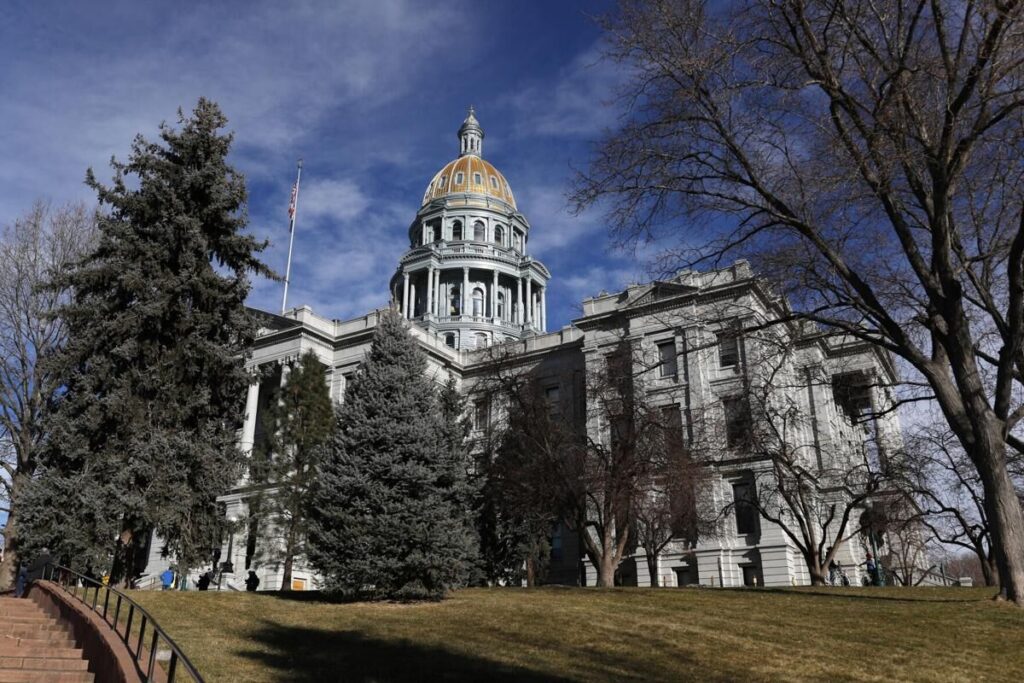
Colorado board permits state to appeal injunction against arthritis drug price cap
Marissa Ventrelli
marissa.ventrelli@coloradopolitics.com
Updated 2 days ago
A Colorado board voted Friday to allow the Attorney General’s Office to fight an injunction against a price cap on a drug that treats arthritis. A U.S. district court judge had granted the company Amgen a preliminary injunction, temporarily blocking...

Federal judge rejects constitutional claims, ‘expressions of hatred’ by Club Q defendant
Michael Karlik
michael.karlik@coloradopolitics.com
Updated 3 days ago
A federal judge rejected a defendant’s claims that he received constitutionally ineffective assistance of counsel while facing federal hate crime and firearms charges for murdering five people at a Colorado Springs LGBTQ nightclub in 2022. Anderson Lee Aldrich is serving...

Divided 10th Circuit upholds Colorado congestion fee on car rentals
Michael Karlik
michael.karlik@coloradopolitics.com
Updated 2 days ago
The Denver-based federal appeals court concluded on Monday that a 2024 “congestion impact fee” that lawmakers imposed on short-term vehicle rentals did not conflict with a federal prohibition on certain airport-related charges. Beginning in the 1970s, Congress began limiting the...
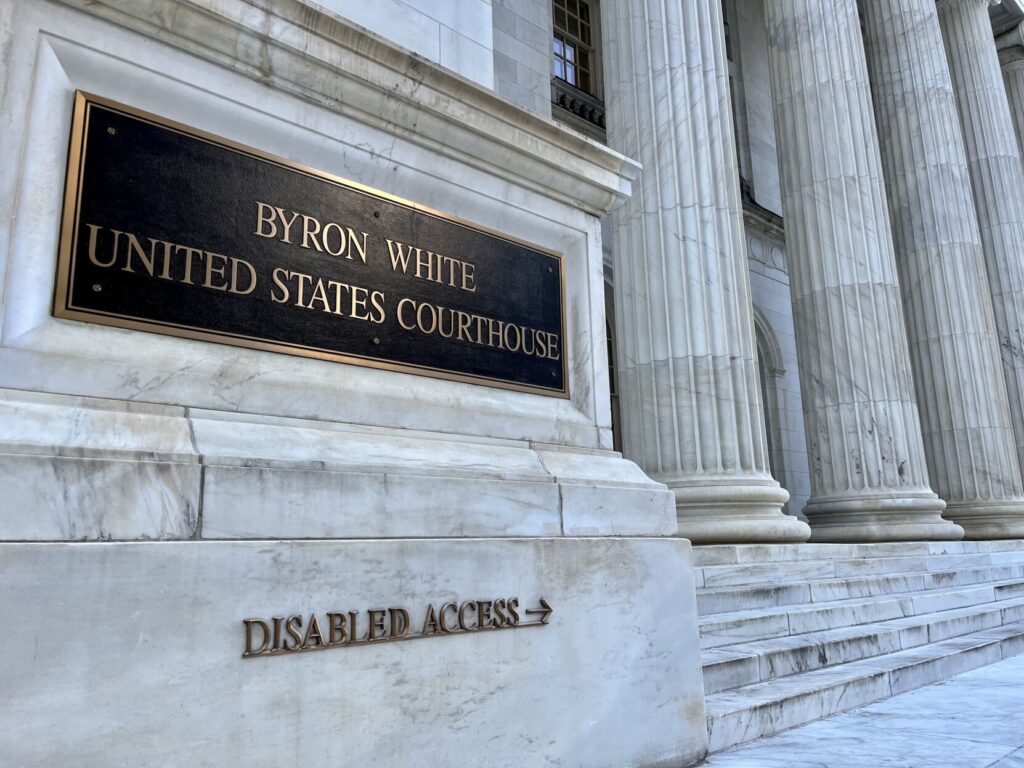
10th Circuit dismisses woman’s lawsuit following 10-year attempt to undo restraining order
Michael Karlik
michael.karlik@coloradopolitics.com
Updated 6 days ago
The Denver-based federal appeals court rejected a woman’s challenge on Friday to a restraining order imposed on her more than a decade ago, finding that she cannot credibly claim she will be prosecuted for violating the restraining order through her...
10th Circuit dismisses woman’s lawsuit following 10-year attempt to undo restraining order
Michael Karlik
michael.karlik@coloradopolitics.com
Updated 6 days ago
The Denver-based federal appeals court rejected a woman’s challenge on Friday to a restraining order imposed on her more than a decade ago, finding that she cannot credibly claim she will be prosecuted for violating the restraining order through her...
Colorado equal pay law does not require plaintiffs to allege gender-based retaliation, appeals court finds
Michael Karlik
michael.karlik@coloradopolitics.com
Updated 5 days ago
The 2019 Colorado law aimed at rooting out pay discrimination on the basis of sex does not require a plaintiff to allege their employer retaliated against them for sex- or gender-related reasons, the state’s second-highest court decided on Thursday. Lawmakers...
Hudson faces lawsuit over ICE detention facility
Nicole C. Brambila
nicole-c-brambila@coloradopolitics.com
Updated 6 days ago
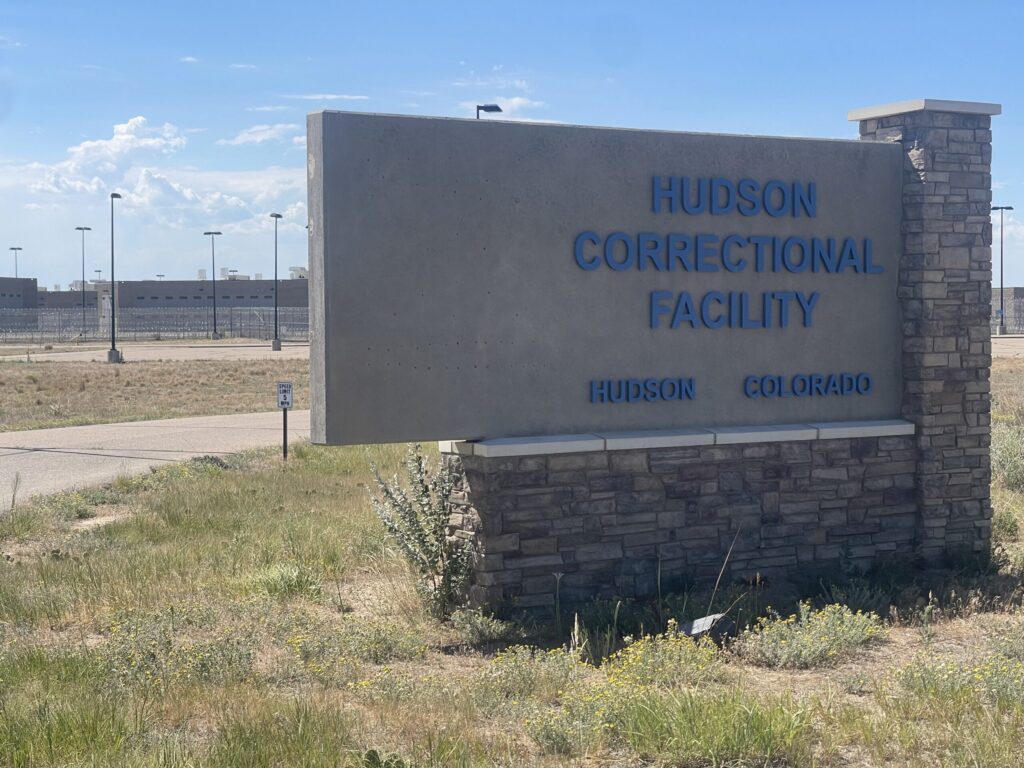
A nonprofit organization filed a lawsuit against the Town of Hudson Wednesday, challenging plans to reopen a former federal prison in the town as a U.S. Immigration and Customs Enforcement detention facility. Together Colorado, along with Janet E. Carlson, filed...
PREV
PREVIOUS

10th Circuit agrees debt collection agency violated law in contacting Colorado Springs woman
A Colorado Springs woman has prevailed over a medical debt collection company after the Denver-based federal appeals court agreed Medicredit, Inc. violated consumer protection law by contacting her after she expressly asked for the calls to stop. On Tuesday, a three-judge panel for the U.S. Court of Appeals for the 10th Circuit upheld a lower […]

NONPROFIT REGISTER | Annual Q & Brew to feature country duo LOCASH
TENNYSON CENTER Denver News: Country duo LOCASH, whose latest, “One Big Country Song,” is among its chart-topping hits, will provide the entertainment when the annual Mile High Country Q & Brew comes down Sept. 10 at Mile High Station. The 6 p.m. event is a benefit for Tennyson Center for Children. It’s presented by 98.5 […]