

Chief justice issues updated misconduct rules for state judiciary
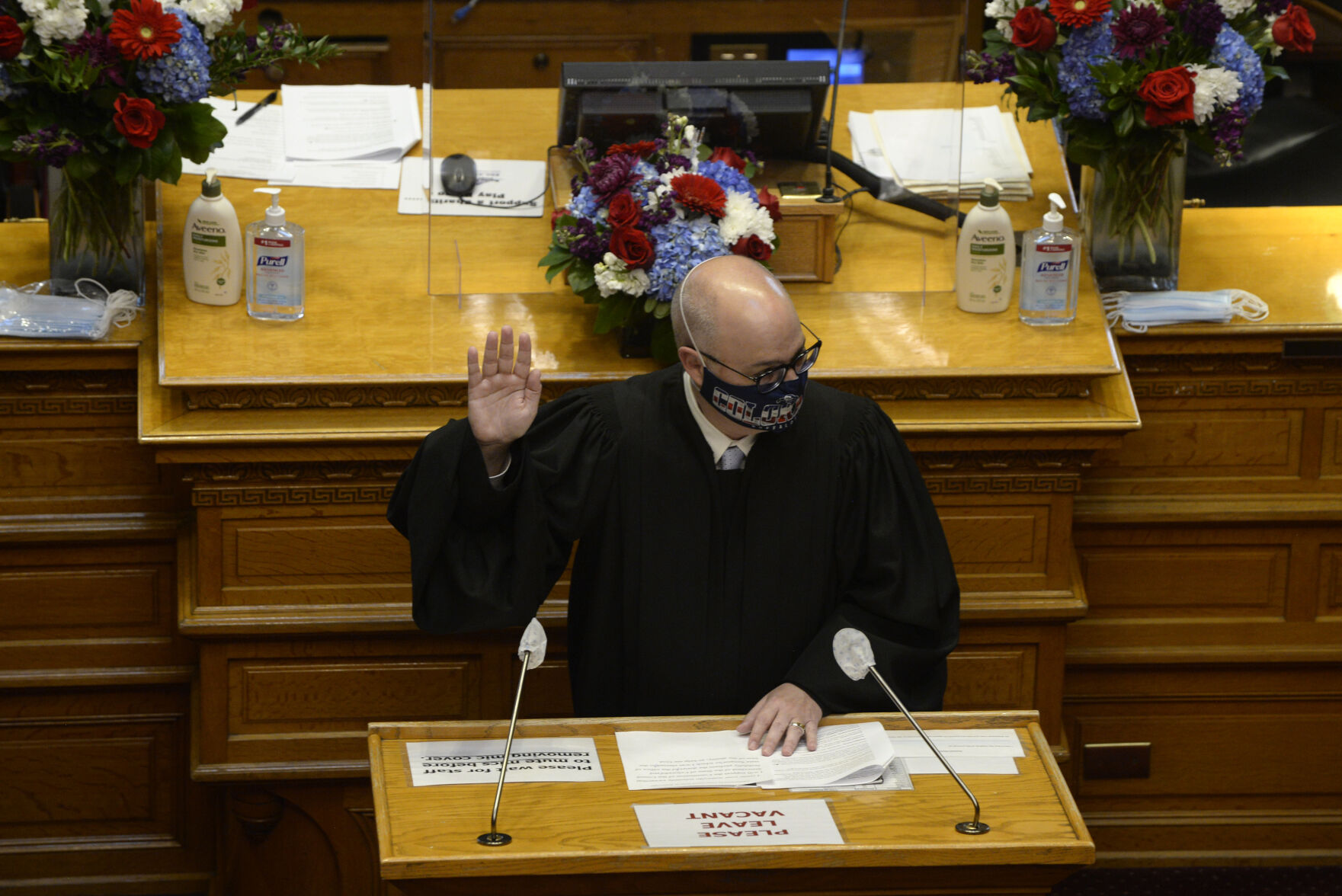
Chief Justice Brian D. Boatright has issued an updated anti-harassment and anti-discrimination policy for the state’s Judicial Department, which comes just nine months after the last revision but follows a series of misconduct reports within the judiciary.
Notably, Boatright’s amended Chief Justice Directive 08-06, effective July 1, adds language informing the department that harassing or discriminatory behavior in the workplace or during any work-related activity is prohibited, but so is conduct that “impacts the workplace in any way, including through social media.”
A Judicial Department spokesperson said there was no specific incident that prompted the changes, and they amounted to a periodic review of departmental policies.
“In this case, the review presented an opportunity to clarify expectations and make explicit what has always been an implicit expectation of judicial officers, contractors and Judicial Department employees regarding harassment and discrimination,” said Jon Sarché, the deputy public information officer.
The previous update to the directive came in October 2020 under then-Chief Justice Nathan B. Coats. Since that time, the Supreme Court has addressed a number of incidents involving the behavior of its employees and officers.
In December, the Court publicly censured a former Weld County judge who pleaded guilty to obstructing a federal drug trafficking investigation. Then on April 16, the justices accepted the resignation of Arapahoe County District Court Judge Natalie T. Chase, who admitted to using the N-word in front of court employees and directed her staff to perform non-work-related tasks. One month later, the Court also censured former Baca County Judge Debra M. Gunkel, following her multiple drunk driving arrests.
Beyond those specific instances of misbehavior, The Denver Post and The Gazette reported in February that Coats approved of a scheme to award a multimillion-dollar contract to the department’s chief of staff in exchange for her silence on misconduct allegations against judges and other employees. The Supreme Court quickly welcomed an inquiry, and a panel of legislators and executive branch employees is currently reviewing proposals from potential investigators, according to Sarché.
The Post reported on Wednesday that Coats himself is now under investigation from the Office of Attorney Regulation Counsel for his role in the contract deal.
Among the other provisions Boatright added to the anti-harassment and anti-discrimination directive: the Human Resources Division of the State Court Administrator’s Office must confer with the Colorado Commission on Judicial Discipline for reports involving judges. If the disciplinary body requests information about the reporter or witnesses, the division shall provide it, as well as any other documentation.
Finally, there is a clarification that harassment reports will be kept confidential as much as possible, “but there is no guarantee of confidentiality for any report.”
Although disciplinary proceedings against judges are typically kept secret, the Supreme Court will disclose details in cases where a public reprimand is involved, and the judicial discipline commission publishes an annual report summarizing actions taken against judges both publicly and privately.

Colorado Supreme Court upholds police search of car based on arm movements
Michael Karlik
michael.karlik@coloradopolitics.com
Updated 57 minutes ago
The Colorado Supreme Court decided last week that Denver officers’ search of a vehicle was constitutional, based on their perception of the occupants’ arm movements that a trial judge found to not be credible. Officers Keegan Grubb and Richard Eberharter...

10th Circuit tosses Pueblo County sheriff defendants’ appeal in fatal shooting lawsuit
Michael Karlik
michael.karlik@coloradopolitics.com
Updated 8 hours ago
The Denver-based federal appeals court rejected an attempt from Pueblo County sheriff’s employees on Wednesday to rely on their own version of the facts to escape liability for fatally shooting an unarmed man outside a middle school. A trial judge...
Colorado justices uphold strict interpretation of consumer protection law against debt collector
Michael Karlik
michael.karlik@coloradopolitics.com
Updated 4 hours ago
The Colorado Supreme Court concluded last month that a debt collector failed to comply with state law by suing a woman for an unpaid credit card debt without documentation that it owned her account. Portfolio Recovery Associates, LLC filed a...
Colorado justices say judges can nearly eliminate parenting time without it being a ‘restriction’
Michael Karlik
michael.karlik@coloradopolitics.com
Updated 1 day ago
The Colorado Supreme Court concluded last month that judges can reduce the number of days a parent spends with their child post-divorce to just above zero without it rising to the level of a “restriction” that requires more rigorous justification...

Colorado Springs may be sued for faulty intersection, state Supreme Court rules
Michael Karlik
michael.karlik@coloradopolitics.com
Updated 1 day ago
The Colorado Supreme Court decided last month that Colorado Springs can be sued over a collision that occurred as a result of traffic lights that were functioning normally in one direction, but were inoperative in the perpendicular direction. The question...
Internal appeals of parole revocation must come before judicial review, Colorado justices conclude
Michael Karlik
michael.karlik@coloradopolitics.com
Updated 1 day ago
The Colorado Supreme Court ruled last month that criminal defendants whose parole is revoked must appeal the decision internally to the state’s parole board before seeking review by a judge. The process for returning someone to incarceration for violating the...
Judge approves injunction for Colorado Springs counselor after SCOTUS rules in conversion therapy case
Michael Karlik
michael.karlik@coloradopolitics.com
Updated 4 hours ago
A federal judge last week blocked Colorado from enforcing its restriction on conversion therapy for LGBTQ children against a Colorado Springs counselor, after both sides agreed that the state will not pursue professional disciplinary action while the case proceeds. The...
Colorado Supreme Court to decide whether out-of-state defendant may be prosecuted for in-state crime
Michael Karlik
michael.karlik@coloradopolitics.com
Updated 1 day ago
The Colorado Supreme Court recently announced that it will decide whether Douglas County prosecutors had grounds to pursue criminal charges against a woman in New York whose conduct occurred outside of Colorado. Erin Brennan and her children lived in New...
Colorado justices, 4-2, say defendant cannot be retried after judge rejected jury’s partial acquittal
Michael Karlik
michael.karlik@coloradopolitics.com
Updated 2 days ago
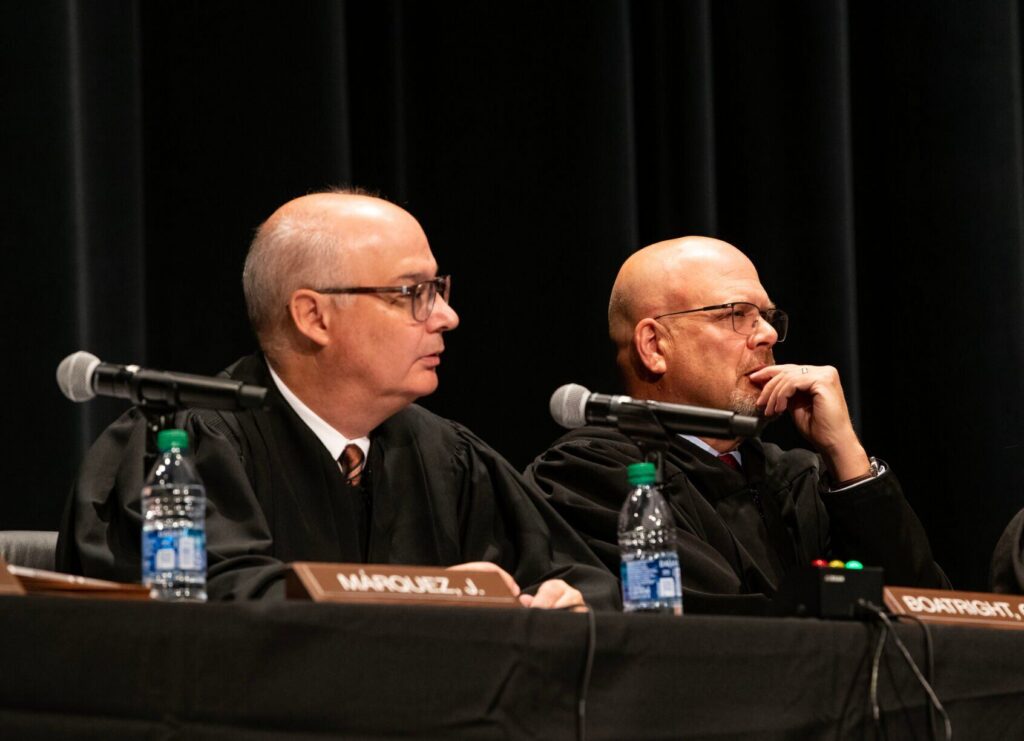
If a jury clearly indicates that it has acquitted a defendant of certain charges while remaining deadlocked on others, judges must accept that partial acquittal verdict, a divided Colorado Supreme Court ruled on Monday. Justice William W. Hood III, in...
After prison release, Tina Peters faces tight parole limits, ongoing legal troubles
Marianne Goodland
marianne.goodland@coloradopolitics.com
Updated 5 days ago
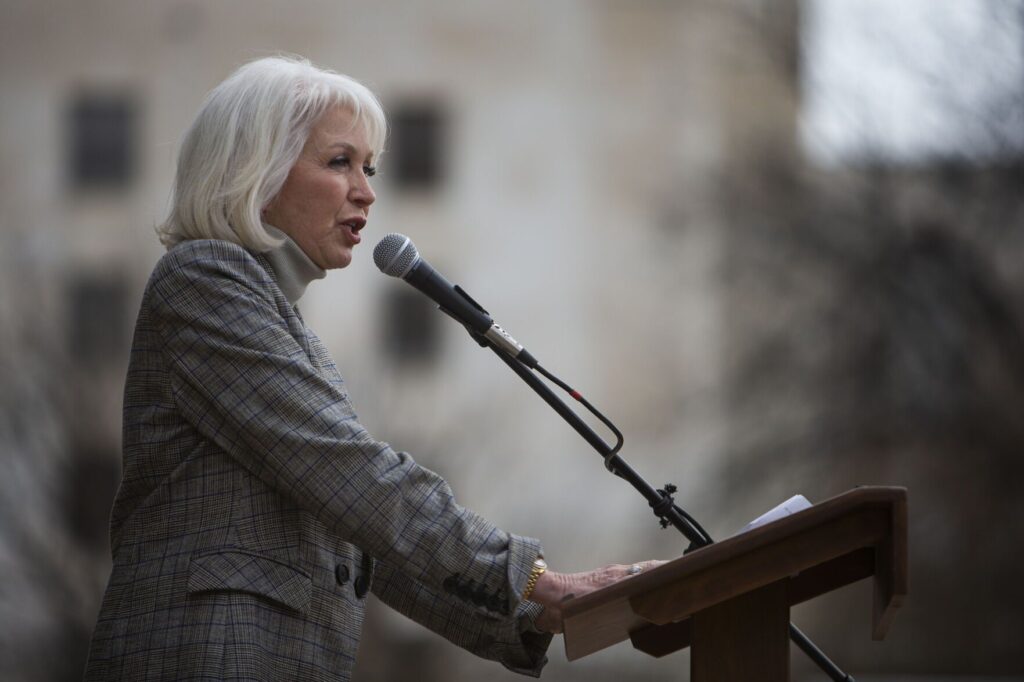
Released from prison this week, former Mesa County Clerk Tina Peters now begins a parole term that outlines strict limits on her movements and conduct, while separate ethics and campaign‑finance cases continue to move forward. Peters’ parole, as first reported...
PREV
PREVIOUS

Diana DeGette draws Democratic primary challenge from 'grassroots progressive' Neal Walia
Denver Democrat Neal Walia on Tuesday announced that he’s running in next year’s Democratic primary for the seat held by U.S. Rep. Diana DeGette, the longest-serving member of Colorado’s congressional delegation. Describing himself as a “grassroots progressive” candidate, Walia says he was moved by the economic and social fragility exposed by the COVID-19 pandemic to […]

Final $1 million Colorado Comeback Cash lottery winner praised 'miracle' vaccine
A stay-at-home mom of four is the fifth and final winner of the $1 million Colorado Comeback Cash drawing that sought to lure residents of the state to get vaccinated against COVID-19, Gov. Jared Polis announced Wednesday. The final prize went to Heidi Russell of Aurora, who also works at her husband Randy’s oral and […]