

Colorado ahead of the pack on vaccine distribution, though fewer than half of doses have been used
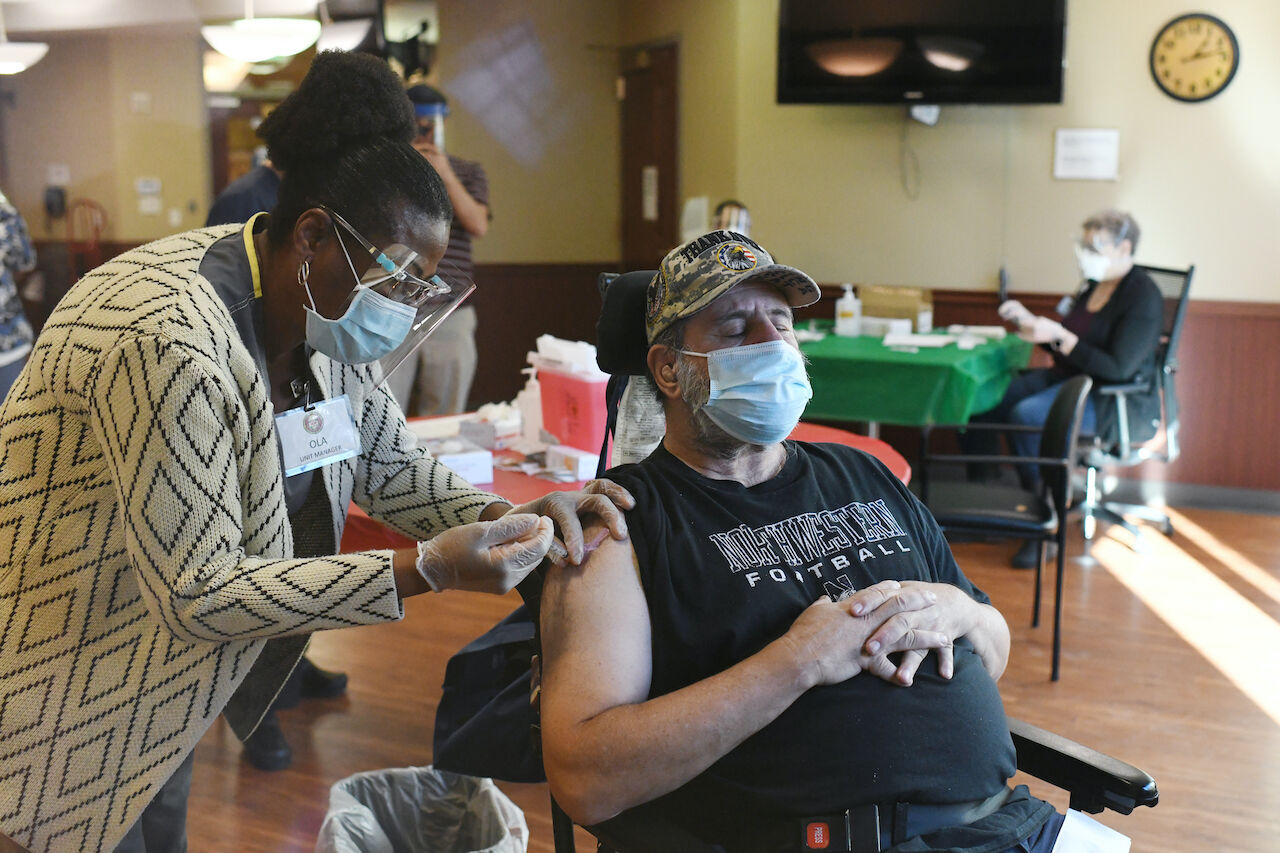
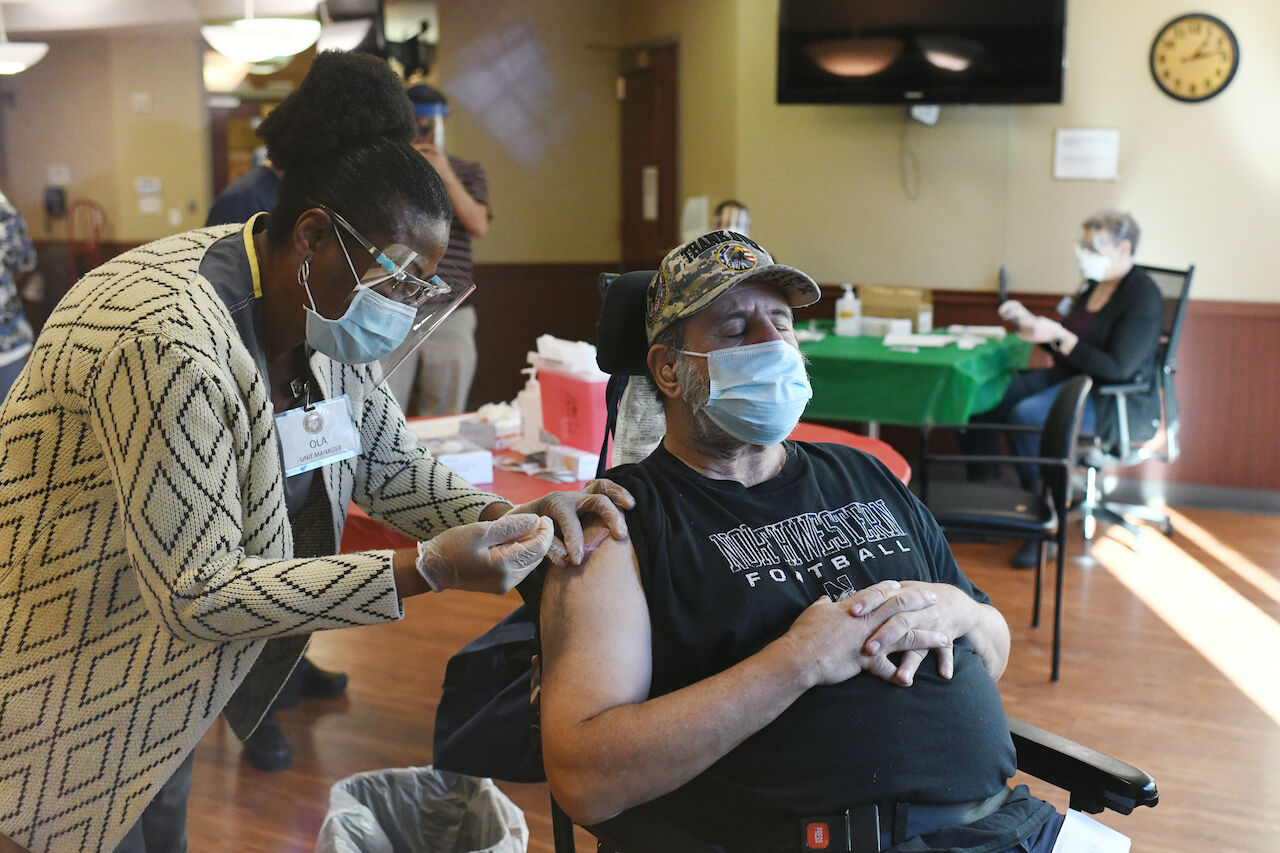
Several weeks into its distribution of the COVID vaccine, Colorado is running ahead of most other states on inoculating its early priority groups, according to data from the Centers for Disease Control and Prevention.
The state’s early vaccine response could be improved, Gov. Jared Polis and others have said said, but it’s drawn praise from several health officials across the state. Per the CDC’s data, which lags slightly behind state data, Colorado has used roughly 42% of the 282,400 vaccine doses it’s received thus far. That’s about 2,125 doses per 100,000 people, the 13th-best rate in the country.
“It’s good to say we’re ahead of the curve compared to the rest of the country,” Gov. Jared Polis said at a Wednesday press conference. He noted that the numbers fluctuate as shipments come in early in the week and are distributed later in the week. “We’ve consistently been in the top tier of states in successfully getting vaccine into arms.”
Still, the current number amounts to roughly 2% of the state’s population and 6% of its priority population, according to Polis and the Washington Post’s tracking of national vaccine progress. That also only accounts for the first injection, not the number of people who’ve been fully vaccinated, which at this point is relatively small.
“But this is not an exercise that’s graded on a curve,” Polis continued. “We need to do better here in Colorado, the entire nation needs to do much better.”
The state is nearing the completion of its effort to vaccinate high-risk health care workers. As part of a federal program, CVS and Walgreens are handling the other part of the top priority, residents and staff of long-term care facilities. Polis and the state’s health director both indicated at the press conference that he wanted that process to pick up speed; as of Tuesday, fewer than 5,000 doses had been administered to that particularly at-risk group.
“We talk to (Walgreens and CVS) regularly, we are on them, we want to make sure they meet their timelines,” he said.
He said that Walgreens is anticipating finishing its first doses by the end of next week, while CVS projects it’ll take until the end of January. According to data presented by Polis, there are 197,000 Coloradans in the top tier of priorities. The entirety of the top tier should be finished by Jan. 15.
In the lower part of the top tier, which includes first responders, those over 69 years old and educators, there are more than 1.3 million people. Vaccinating that group will take the next couple of months, Polis said.
Jill Hunsaker Ryan, the executive director of the state Department of Public Health and Environment, said at that press conference that the state is working to distribute the vaccines as quickly and efficiently as possible. She added that the state receives about 70,000 vaccines each week.
“This is an enormous undertaking,” she said.
Cara Welch, spokeswoman for the Colorado Hospital Association, praised the state as pulling off “an incredible feat of vaccinating this many people over the past few weeks.” She and others said the process will further improve as the state sorts through growing pains.
Overall, experts said, the distribution process has been about as clean as could be expected, despite Polis and state health officials repeatedly tweaking the vaccine priority list over the past week.
“I think the state health department has done a good job with what they’ve had,” said John Hammer, an infectious disease specialist at Rose Medical Center. He criticized the lack of direction from the federal government, which has left the states to devise plans and priorities among themselves. “Utilizing hospital systems to dole out vaccines, that system appears to have worked well.”
But he cautioned that the two groups who’ve started being vaccinated thus far — health care workers and long-term care residents and staff — are logistically easier than others in the general public. Hospitals can more effectively vaccinate their own, while long-term care facilities are ready-made clinics with their own steady populations.
Still, he said the state needed to do more, including rolling out a better plan to communicate with the general public on when they need to receive their second vaccine and for hospitals and providers to track who’s been vaccinated.
“In my mind, it’s not quick enough,” Hammer said. “I would rather have everybody vaccinated in hospitals now and move onto community vaccinations more aggressively. We’re starting to do that.”
Richard Zane, a UCHealth physician and professor at the University of Colorado’s School of Medicine, was more effusive about the state’s efforts, saying that the rollout here has “been kicking butt.” But he, too, said that the bigger issue facing Colorado’s effective distribution of the inoculations came from uncertainty at the national level.
At Polis’s press conference Wednesday, officials said that the number of vaccines has fluctuated from week to week. But as more vaccines are delivered, and more brands of vaccine are approved, the state will need to prepare for more rollout, more patients and more logistics.
“Sometimes it’s a little bit erratic and that’s challenging,” Zane said. “There’s not enough vaccines. We knew it wouldn’t be enough. From my perspective on how Colorado is doing, I think we’re learning, what has worked well, what has not worked well. We were never going to do something that was immaculate and perfect from the very beginning.”

Michael Dougherty is literally running for attorney general in Colorado Democrat’s 1st TV ad
Ernest Luning
ernest.luning@coloradopolitics.com
Updated 14 hours ago
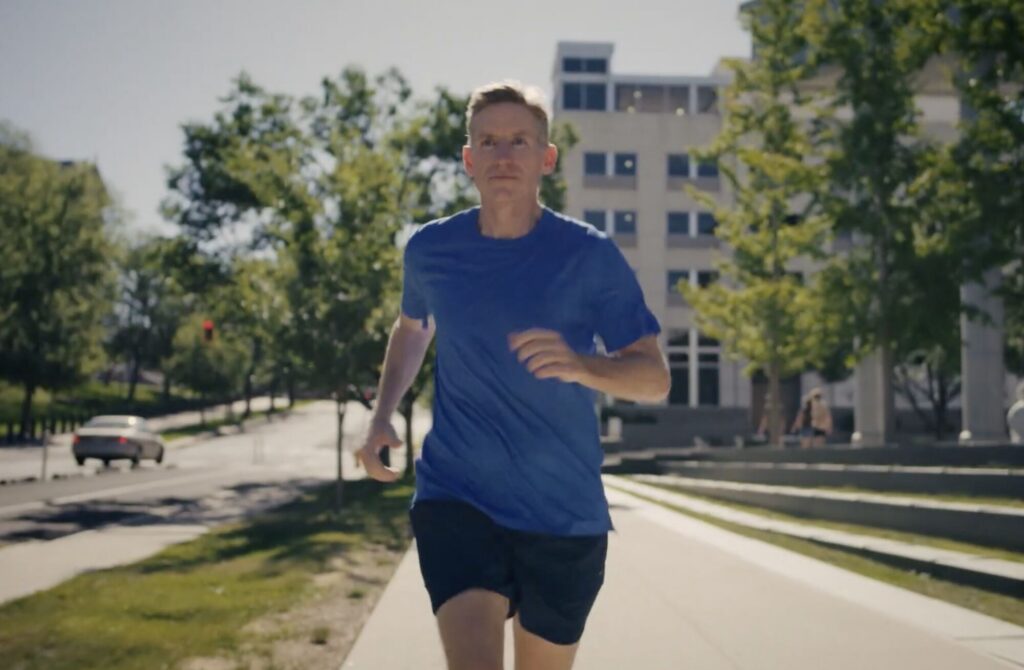
Democratic attorney general candidate Michael Dougherty, the Boulder County district attorney, runs laps around the judicial complex in Denver that houses the office he’s seeking in a TV ad released Friday that includes a subtle dig at one of his...

Group aims to add right to hunt and fish to Colorado Constitution
Marissa Ventrelli
marissa.ventrelli@coloradopolitics.com
Updated 11 hours ago
A group is seeking to make Colorado the 25th state in the nation with an established constitutional right to hunting and fishing through a proposed ballot initiative. Backed by the International Order of T. Roosevelt, a group dedicated to preserving...

Colorado Politics Calendar June 15-21
Rachael Wright, Special to Colorado Politics
rachael.wright@coloradopolitics.com
Updated 4 days ago
CoPo’s weekly political calendar helps you find political and public policy events throughout Colorado. It includes candidate and issue campaign events, public policy meetings, court hearings, state and local party conventions, assemblies, debates, rallies, parades, speaking engagements, traveling dignitary appearances,...

A primary brings out primal instincts | SONDERMANN
Eric Sondermann
eric-sondermann@coloradopolitics.com
Updated 3 days ago
There are no Stanley Cup finals or NBA title showdowns involving local teams this June. In their place, we are inundated with primary election campaign ads. Coloradans can be excused for missing the diversion and alternate programming. But life can...
Dem-GOP tension dominates 1,000-bill legislative session | A LOOK BACK
Rachael Wright, Special to Colorado Politics
rachael.wright@coloradopolitics.com
Updated 3 days ago
Forty-Five Years Ago This Week: “I can honestly say that until now, we got along well with the governor’s office,” said House Minority Leader Federico Peña, D-Denver. “We visited frequently with the staff. And you didn’t see certain legislators speaking...

Hickenlooper lands endorsements from Elizabeth Warren, Ministerial Alliance in US Senate primary
Ernest Luning
ernest.luning@coloradopolitics.com
Updated 1 day ago
U.S. Sen. John Hickenlooper won endorsements this week from a progressive Democratic colleague and a coalition of metro-area African American faith leaders as voting began in Colorado’s primary election. U.S. Sen. Elizabeth Warren of Massachusetts and the Greater Metro Denver...
Colorado justices say insurers may access policyholders’ medical info in denied-benefits litigation
Michael Karlik
michael.karlik@coloradopolitics.com
Updated 1 day ago
The Colorado Supreme Court declined on Monday to expand its narrow prohibition on insurance companies accessing policyholders’ medical information, clarifying that a dispute over an insurer’s bad-faith decision to deny benefits is the only situation where a company is limited...

House District 14: Businesswoman, consultant square off in GOP primary
Mary Shinn
mary-shinn@coloradopolitics.com
Updated 2 days ago
Firearms training company owner Ava Flanell will face Troy Vanderhule, the chief fundraising officer for Dobson Philanthropic, in the June 30 Republican primary for state House District 14, an area in northern Colorado Springs. Flanell was appointed to the seat...
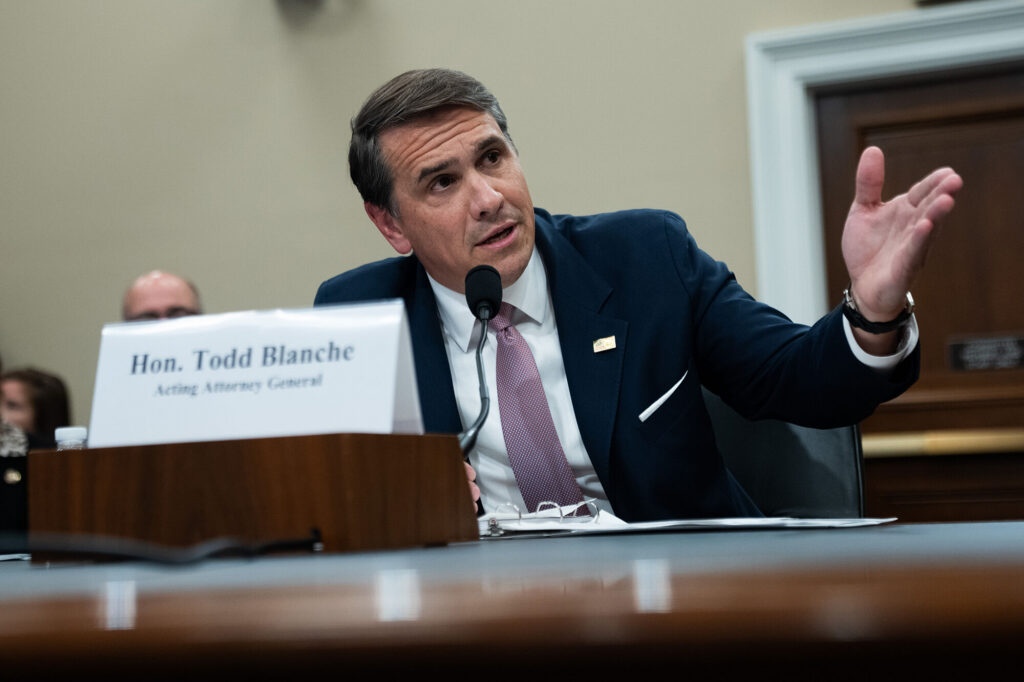
Federal judge wants Todd Blanche to swear in writing anti-weaponization fund won’t be revived
Jack Birle, Washington Examiner
jack.birle.washington.examiner@gazetteedit.wpenginepowered.com
Updated 1 day ago
A federal judge maintained a block on the Department of Justice’s $1.776 billion anti-weaponization fund Friday, despite the DOJ claiming they have abandoned the planned fund aimed at compensating allies of President Donald Trump and others who say they were politically targeted by...

Colorado Supreme Court declines to loosen requirements for insurance company defendants
Michael Karlik
michael.karlik@coloradopolitics.com
Updated 11 hours ago
The Colorado Supreme Court declined last week to reconsider its longstanding expectations for insurance company defendants, and agreed that an insurer failed to properly raise its defenses against a policyholder’s breach-of-contract lawsuit. When an insured driver has an accident with...
PREV
PREVIOUS

Polis: Colorado schools to receive more than 1M rapid COVID tests per month
Colorado school districts will have access to more than 1 million rapid COVID-19 tests per month to better track the coronavirus as the pandemic enters a new year, Gov. Jared Polis said Wednesday. The state is one of three to partner with BinaxNOW, which produces rapid COVID-19 tests, to bring the tests to public and […]

'We will finish the work of the people': Rep. Jason Crow recounts Capitol siege, faults Trump's 'enablers'
U.S. Rep. Jason Crow said late Wednesday afternoon that he was ready to get back to work as soon as law enforcement secured the U.S. Capitol after throngs of President Donald Trump’s supporters rampaged through the building, bringing congressional certification of the presidential election to a halt. “We have stopped the coup attempt and will […]