

CU Boulder team researches the spread of COVID-19 through instruments

Researchers from the University of Colorado Boulder are working to develop the future of musical performances, discovering if and how playing instruments can spread COVID-19.
The research team is trying to determine if wind instruments create aerosols — droplets of liquid that can spread the virus — and if so, where the aerosols come out of instruments and how to make practicing and performing safer.
“Engineers help solve problems, and we really want to help solve this problem,” said Shelly Miller, lead researcher and mechanical engineering professor.
The team was commissioned by a conglomerate of 120 performing arts groups to conduct the research.
The project began in June and will conclude in December. However, the first phase is already complete: The research determined that wind instruments do generate aerosols.
Miller’s research also determined that singing and theater performances create aerosols after the U.S. Centers for Disease Control and Prevention linked a COVID-19 outbreak in Washington to a choir rehearsal.
No recorded outbreak has been linked to an instrumental ensemble.
Now, the goal of the study is to find out how musical ensembles can perform together safely, during and after the pandemic.
“They wanted to know whether wind instruments are as dangerous as singing and what we could do to make them safer,” Miller said. “They are literally trying to save music.”
The researchers are looking at how many aerosols are produced, where they leave instruments and how they move through an indoor space during musical performances.
Based on early results, Miller suggests musicians wear a mask while playing, using a mask with a small slit for the mouth but still covering the nose.
Miller also recommends social distancing while playing, playing in well-ventilated areas and covering the bell of instruments with a well-fitted cover of multiple layers of tightly woven material.
“It’s not going to be just one thing to make you safe,” Miller said. “It’s going to be a layered approach.”
Band students at CU began applying these practices this week as the third and final part of the study.
The research team consists of Miller, mechanical engineering graduate student and clarinet player Tehya Stockman, assistant professor in mechanical and environmental engineering Marina Vance and professor in atmospheric and oceanic sciences Darin Toohey.
The team is also collaborating with researchers from the University of Maryland.

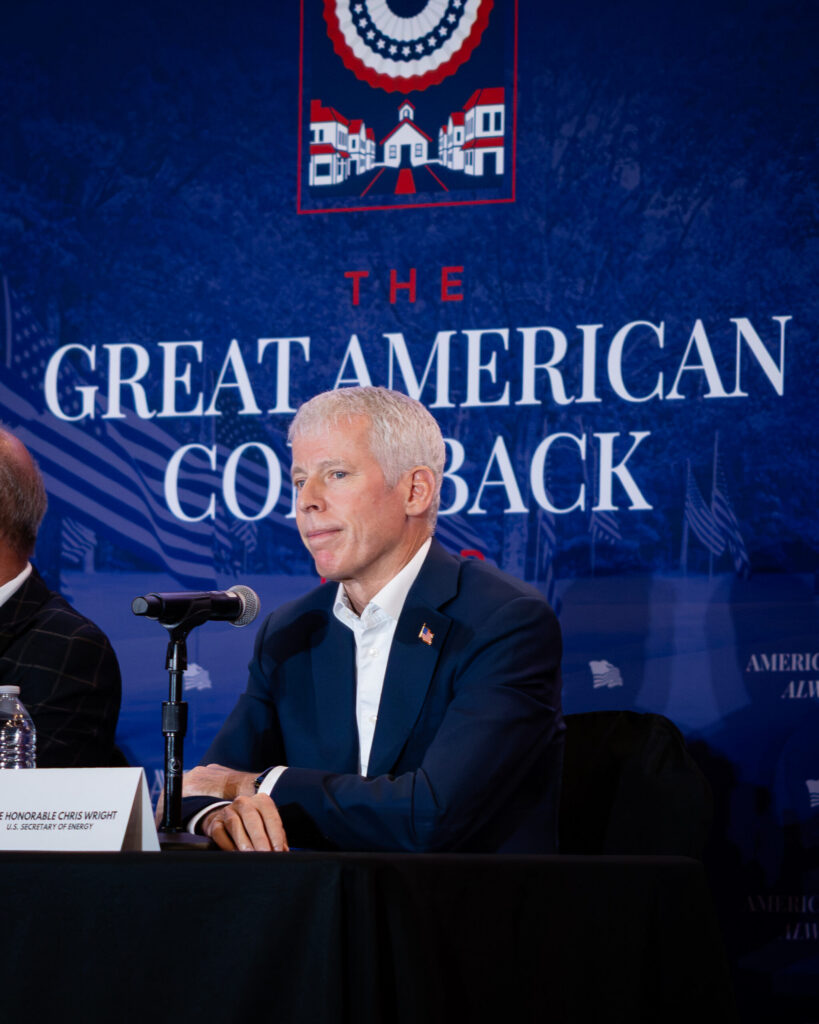
Energy secretary says U.S. must grow capacity, lower price during Colorado visit
Mark Samuelson Special to The Denver Gazette
mark.samuelson@denvergazette.com
Updated 4 hours ago
As a heatwave in the U.S. and Europe punctuated widespread calls for recommitments to solar and other “renewable” sources, U.S. Secretary of Energy Chris Wright doubled down on America’s current policy, telling a Thornton crowd on Monday that energy goals...
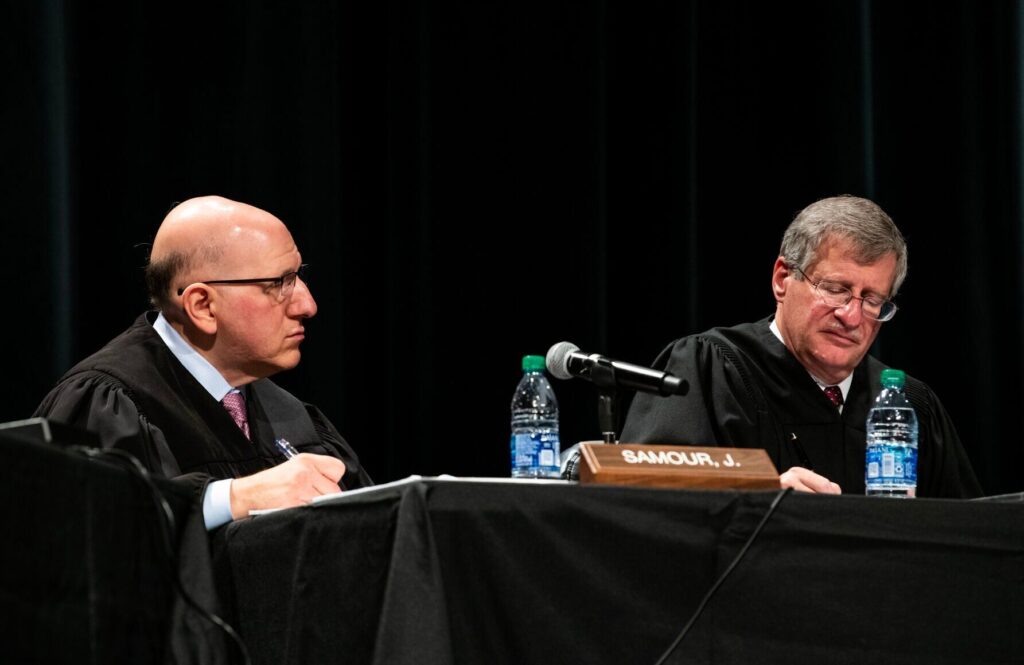
Colorado Supreme Court upholds child abuse convictions despite faulty jury instruction
Michael Karlik
michael.karlik@coloradopolitics.com
Updated 6 hours ago
The Colorado Supreme Court decided on Monday that a San Miguel County jury properly convicted a defendant of child abuse resulting in death, even though the instructions potentially allowed jurors to avoid finding that the child abuse resulted in death....
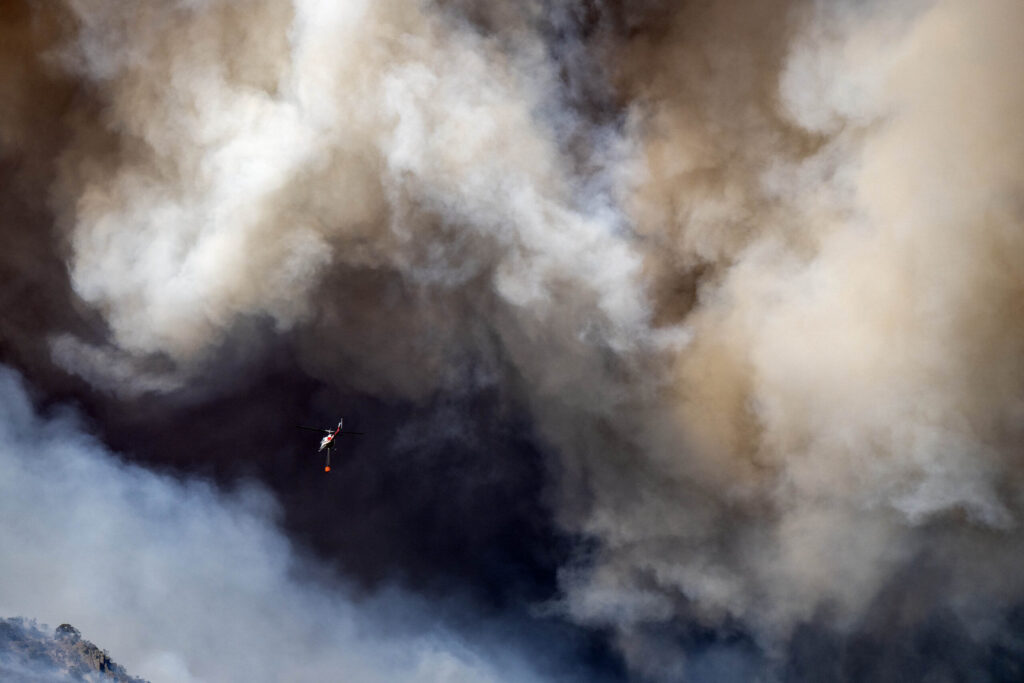
Gov. Polis asks residents not to use fireworks as wildfires burn
Rachael Wright, Special to Colorado Politics
rachael.wright@coloradopolitics.com
Updated 5 hours ago
While Gov. Jared Polis said he will not issue a statewide fire ban, Colorado’s top political leader urged residents against using fireworks as the country heads into the July 4 weekend. “We are encouraging the people of Colorado to exercise...
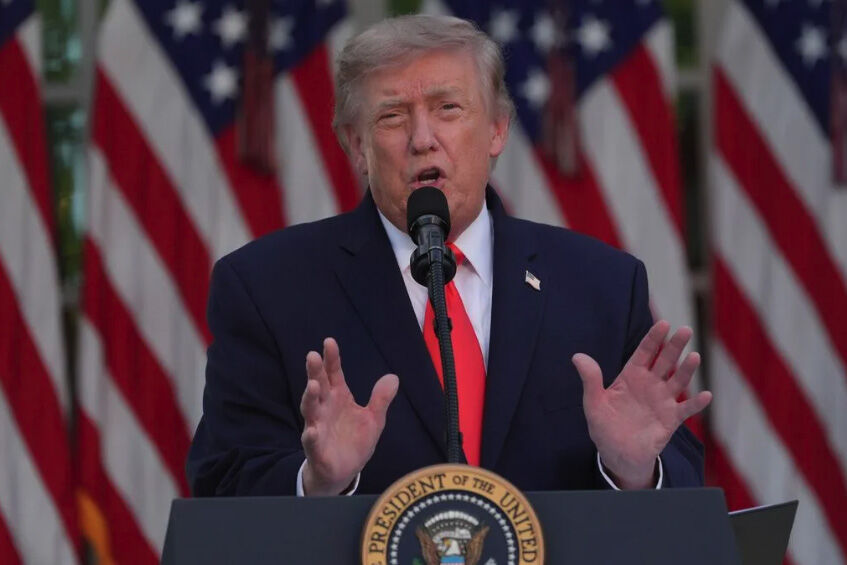
Trump says communism greater threat than WWI, WWII, 9/11, and Pearl Harbor
Naomi Lim
naomi-lim@coloradopolitics.com
Updated 7 hours ago
President Donald Trump compared the rise of socialism to the Sept. 11 terrorist attacks. Trump was asked about the possible rise of more socialist candidates after three candidates New York City Mayor Zohran Mamdani endorsed last week won their Democratic...
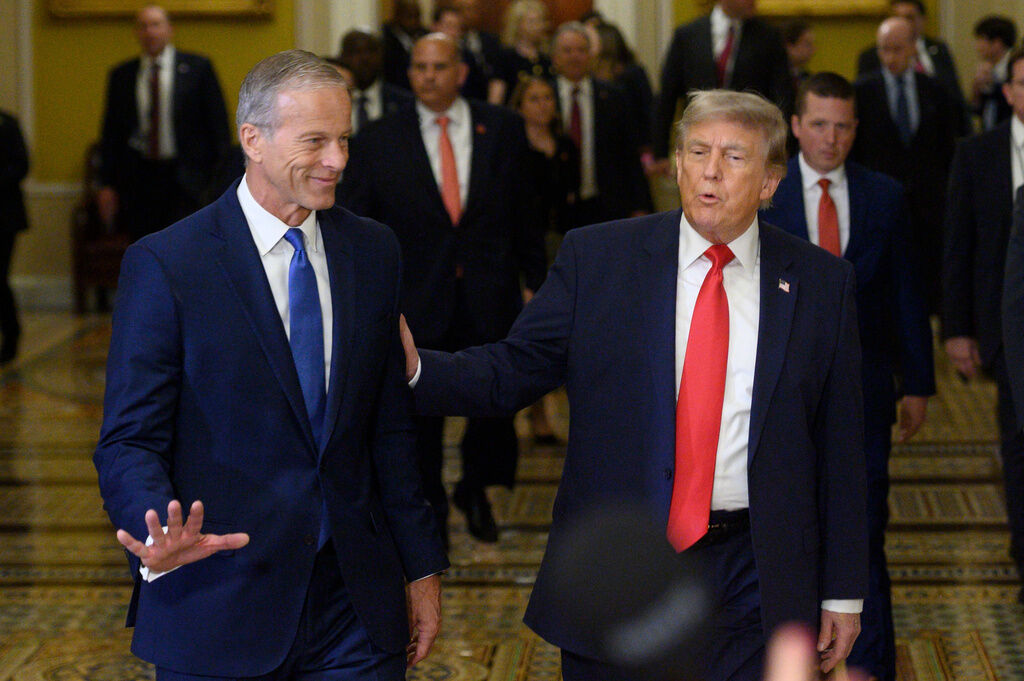
GOP doubles down on SAVE America Act after Supreme Court allows mail ballots to be counted late
Lauren Green
lauren-green@coloradopolitics.com
Updated 7 hours ago
Congressional Republicans continue to push the voter identification bill — that has left Washington in grid lock for months — after the Supreme Court ruled states can count mail-in ballots that arrive after Election Day. The 5-4 decision rejected a...

US and Iran to cease strikes and discuss Strait of Hormuz this week: Report
Carter Schroppe
carter.schroppe@washingtonexaminer.com
Updated 9 hours ago
Officials from the United States and Iran will meet in Qatar this week to discuss the Strait of Hormuz after agreeing to “halt strikes” following a weekend of intermittent fighting between the two countries. The meeting, scheduled for Tuesday in...
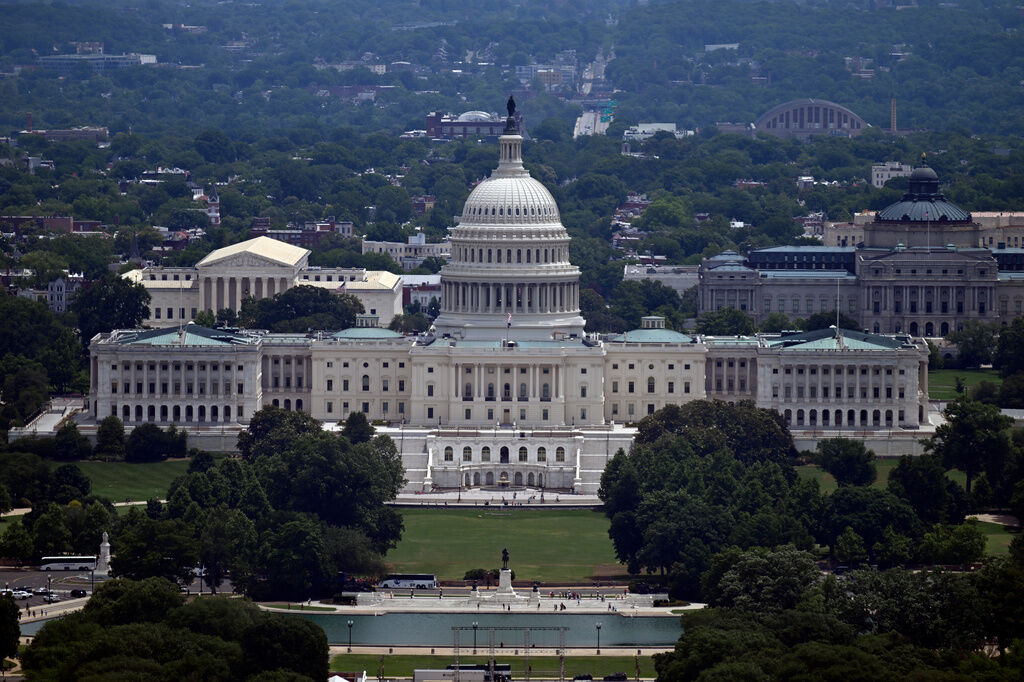
Congress is struggling to get its work done and a new report argues for 21st-century upgrades
Kevin R. Kosar
kevin-r-kosar@coloradopolitics.com
Updated 9 hours ago
The news coming from Capitol Hill over the past couple of weeks has left much to be desired. Congress has had difficulty discharging its lawmaking duties. The Senate’s appropriations committee is at loggerheads over how much spending to authorize. The...
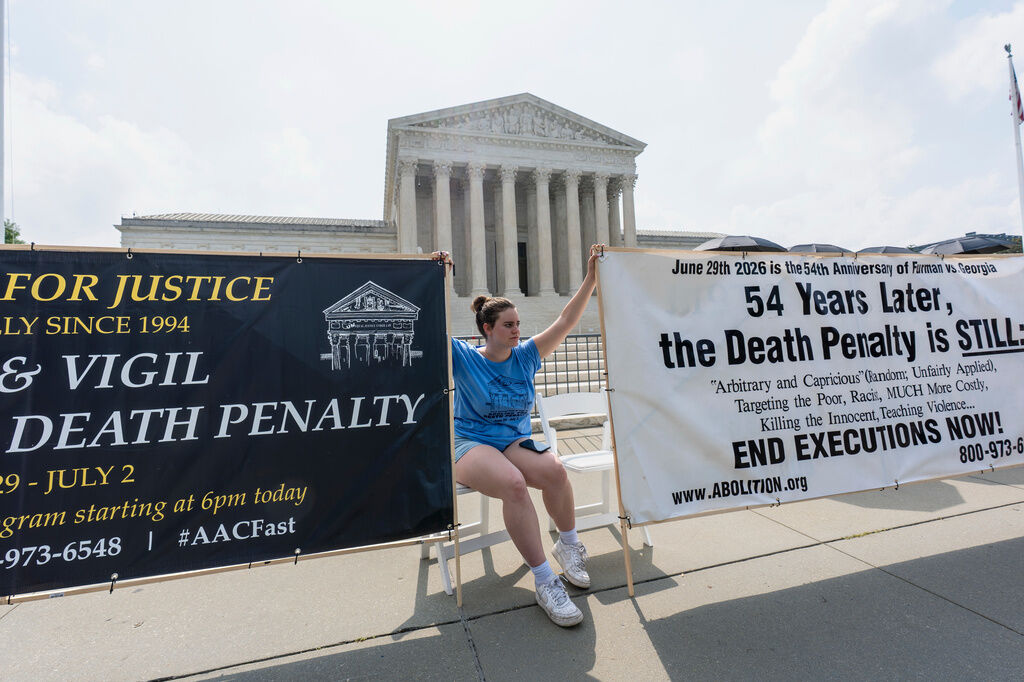
Supreme Court rules constitutional privacy protections apply to cellphone users location history
The Associated Press
the-associated-press@coloradopolitics.com
Updated 9 hours ago
WASHINGTON (AP) — The Supreme Court held Monday that constitutional privacy protections extend to cellphone location information, ruling in the case of a bank robber whose identity was discovered through a geofence warrant. Justice Elena Kagan wrote for the 6-3...
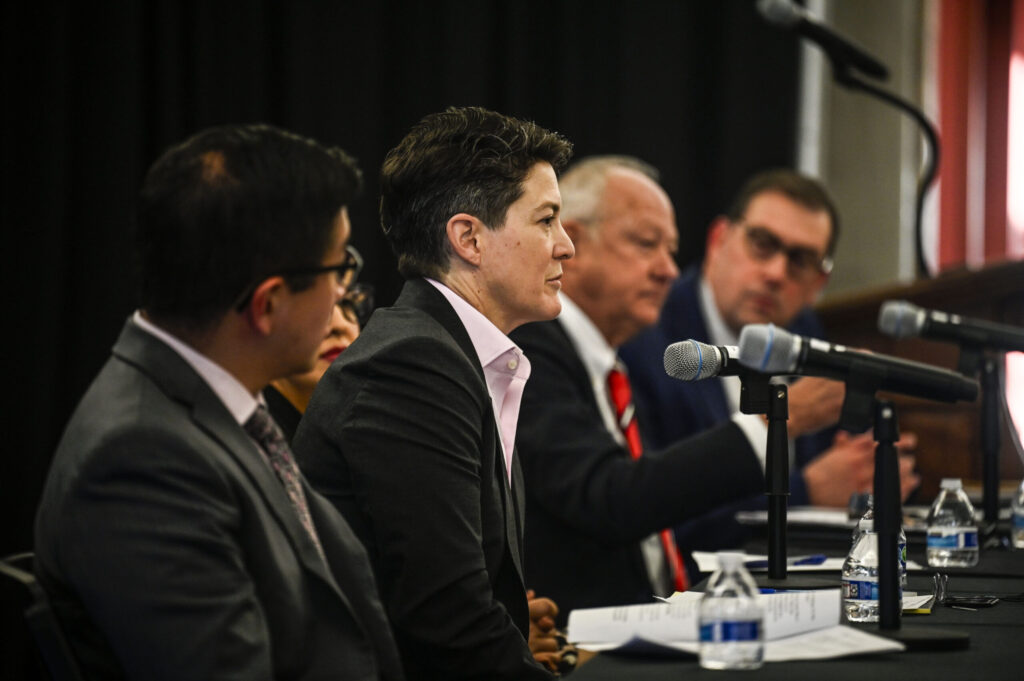
Colorado justices say group that spent $4M on ballot initiatives does not have to disclose donors
Michael Karlik
michael.karlik@coloradopolitics.com
Updated 9 hours ago
The Colorado Supreme Court ruled on Monday that an organization that spent $4 million to advocate on ballot initiatives in the 2020 election is not required to disclose its donors and spending. The Supreme Court acknowledged that multiple factors suggested...

Colorado–Nebraska water clash heads to US Supreme Court as canal fight intensifies
Marianne Goodland
marianne.goodland@coloradopolitics.com
Updated 5 hours ago
The U.S. Supreme Court on Monday agreed to hear Nebraska’s lawsuit against Colorado over the Perkins County canal, a move that advances a legal dispute likely to take years to resolve. The proposed Perkins County canal would run through land...
PREV
PREVIOUS

Flobots co-founder, Denver nonprofit leader named state’s music ambassador
Stephen Brackett, co-founder of the Flobots, is Colorado’s new music ambassador, the Polis administration announced on Thursday. “Through his musical work, Brackett has not only elevated the global profile of Colorado’s music industry, but also has earned national recognition for his leadership and artist-engaged social impact,” said the Office of Economic Development and International Trade […]

Gardner intends to seek VA hospital for Colorado Springs
U.S. Sen. Cory Gardner announced on Friday that he will support a new veterans’ hospital in Colorado Springs to help serve the estimated 83,000 veterans living in El Paso County. “Based on conversations with the VA and staff here and through the region, it is critically important that we build a new VA hospital in […]