

SLOAN | Anti-car crowd collides with reality
The deprivations of the COVID pandemic could be, if the radicals have their way, adumbratory.
At the peak of the quarantine, one could hear muttered, among the environmental fanatics, a sense of joy at the fact that people were largely sequestered to their homes, and not out and about in greenhouse gas-emitting vehicles, doing greenhouse gas-emitting things. You could almost hear the policy gears rotating as their brains worked through the ways in which they could make the nirvana of April 2020 a permanent state.
Well before the pandemic hit there was already a not-so-subtle push to restrict vehicle usage. A Westword article from last February, excerpts of which have made appearances in competing op-eds appearing recently in these pages, illuminates part of the story. It reports on Bicycle Colorado’s annual “Moving People Forward” conference, an aggregation of enthusiasts for biking, walking and public transit, evidently advocating for people moving forward slowly and over short distances. The article quotes Danny Katz, chair of the Denver Streets Partnership, who summed the situation like this: “Denver has really seen a sea change in how we approach transportation… in terms of the amount of money that we’ve got coming in through bonds and the budget, to build out bike lanes, the efforts to fix sidewalks, the conversations around what transit needs to look like, the new micromobility options that we’ve seen over the last couple of years – I think we’ve gone through some big changes, and we’re poised to make a lot of progress.”
How to make that progress happen? Well, according to an advocate for Conservation Colorado, “If you’re going to promote multimodal options, you’ve got to make single-occupancy cars more difficult.” Lest one believe that such views are simply idle talk confined to the shared workspaces of left-wing think tanks, local policy makers jumped on board as well. Denver City Council member Chris Hinds echoed the sentiment saying “The first thing is that we should encourage non-car transit. The second – and I think the order is important – is that we should discourage car transit.” Well then.
Since the start of the pandemic and the societal shutdown it spawned, there have been a number of stories popping up about groups and movements extolling the utopic winsomeness of car-free existence in major cities. If Denver hasn’t yet fully embraced rainbows-and-lollipops vision, it is not far behind. It is already taking quite a feat of social engineering to gravitate towards Mr. Hind’s recommendations, with planned and completed lane restrictions on some of the city’s busiest downtown streets, elimination of parking, and other measures designed to torture commuters into compliance with the beatific vision of the future.
The problem with utopic machinations like those conjured by the anti-car crowd is that they hit the brick wall of reality without an airbag. Just as excise taxes on goods for which demand is, if not quite inflexible, then militant, are inexorably regressive, so too are the measures in place and proposed for restricting individual vehicle usage. For instance, a 100% increase in gas tax will not result in a 100% reduction in car usage any more than an increased tax on cell phones or wi-fi would create a proportionate reduction in cell phone ownership or internet access. Similarly, the imposition of driving restrictions will not cause a serious drop in the number of people who drive. What minor reduction there is will be reluctant. People drive cars for much the same reasons they purchase cell phones or wi-fi; yes, alternative communication methods exist, but land lines and paper letters (notwithstanding that those things, the latter especially, have their merits) simply do not provide the convenience and speed which modern society demands and has come to expect. Any more than buses and bikes do.
It is a complicated matter, which COVID has complicated even further. The push for greater urban density may have been stalled amid the fears inherent with the risk of disease transmission in tight quarters, but the cities are not going anywhere, and few quarrel with certain accommodations being made for non-vehicular commuters. And certainly temporary closures of streets like Larimer square to allow for the recommence of restaurant commerce within the invoked guidelines is welcome, though most of the street closures can no more be realistically made permanent than can 50% seating capacity or 10 p.m. last calls.
Energy and climate policy has taken a back seat to the exigencies of the year, but those discussions are resurfacing with the approaching election and presenting us with alternatives; a realistic approach which embraces domestic energy independence, nuclear power, and accommodates how most Americans get from place to place; or the approach increasingly accepted by Joe Biden which would seek to codify April 2020 into law.

Blue states should avoid disasters | Hal Bidlack
Hal Bidlack
hal-bidlack@coloradopolitics.com
Updated 9 hours ago
Back when I was teaching political science at the U.S. Air Force Academy (and amazingly to me, a week from this column’s publication will mark 20 years since my retirement from active duty. Where the heck did that time go?)...
Right-to-hunt ballot measure’s a cruel, anti-wildlife solution to a nonexistent problem | GUEST COLUMN
Colorado Politics
colorado-politics@coloradopolitics.com
Updated 9 hours ago
By Eric Washburn I love to hunt. Every year I try to hunt big game in Colorado and waterfowl in Louisiana. This year, I applied for five Colorado big game licenses — elk, deer, pronghorn, moose and bighorn sheep. I...
Jena Griswold’s record: corruption, incompetence | Dick Wadhams
Dick Wadhams
dick-wadhams@coloradopolitics.com
Updated 3 days ago
There is no statewide elected official going back decades who is as breathtakingly corrupt and incompetent as Secretary of State Jena Griswold, who is now running for attorney general of all things. And compliant ruling Democrats know it. Their silence...
Kiros exudes why Colorado’s political times are a-changin’ at annual Denver Dems gala | Miller Hudson
Miller Hudson
miller-hudson@coloradopolitics.com
Updated 3 days ago
Among Colorado’s few remaining bipartisan rituals are county and state party dinners. I was particularly intrigued by last week’s Denver Democratic Party’s 2026 Annual Gala, a “New Deal for a New Era.” Their glossy program featured an artist’s Technicolor rendering...
Livestock grazing regulations need flexible updates | Rachel Gabel
Rachel Gabel
rachel-gabel@coloradopolitics.com
Updated 3 days ago
The Bureau of Land Management last updated their livestock grazing regulations the year I graduated from high school. I am 49. Assessing rangeland health can’t be done once and not revisited. This year is a prime example that managers must...

Taxpayers donate to tax increase campaign | Jon Caldara
Jon Caldara
jon-caldara@coloradopolitics.com
Updated 4 days ago
Give the man his due. President Donald Trump has undeniable talents. Colorado politicians are learning. Chief among The Don’s skills is taking the self-serving, ethically dubious behavior of previous politicians and putting it on steroids. Or, to borrow from the...
A summertime all-you-can-eat political buffet | SONDERMANN
Eric Sondermann
eric-sondermann@coloradopolitics.com
Updated 6 days ago
We find ourselves in the doldrums of August with a complete dearth of political news. Yeah, right. These days, that train never stops moving. It is a 24/7/365 express amplified by 24/7/365 media. Let me respond with one of my...
State money diversion scheme the unsurprising downfall of ERBOCES scam | Paula Noonan
Paula Noonan
paula-noonan@coloradopolitics.com
Updated 5 days ago
Falcon School District 49, aka El Paso County School District 49, has finally cut bait, thrown the fishing pole into the lake and sunk the canoe. The longtime enabler of the Education Reenvisioned BOCES’ (ERBOCES) schemes to fund private Christian...

Steve Schuck on the ‘magic’ of school choice | The OpEdge Podcast
Tony Olivero
tony.olivero@gazette.com
Updated 6 days ago
Parents Challenge co-founder and longtime school choice advocate Steve Schuck joins The OpEdge to discuss expanding educational opportunities and ensuring parents are in charge of their kids’ education. Schuck tells investigative columnist and host Jimmy Sengenberger why he believes Colorado...
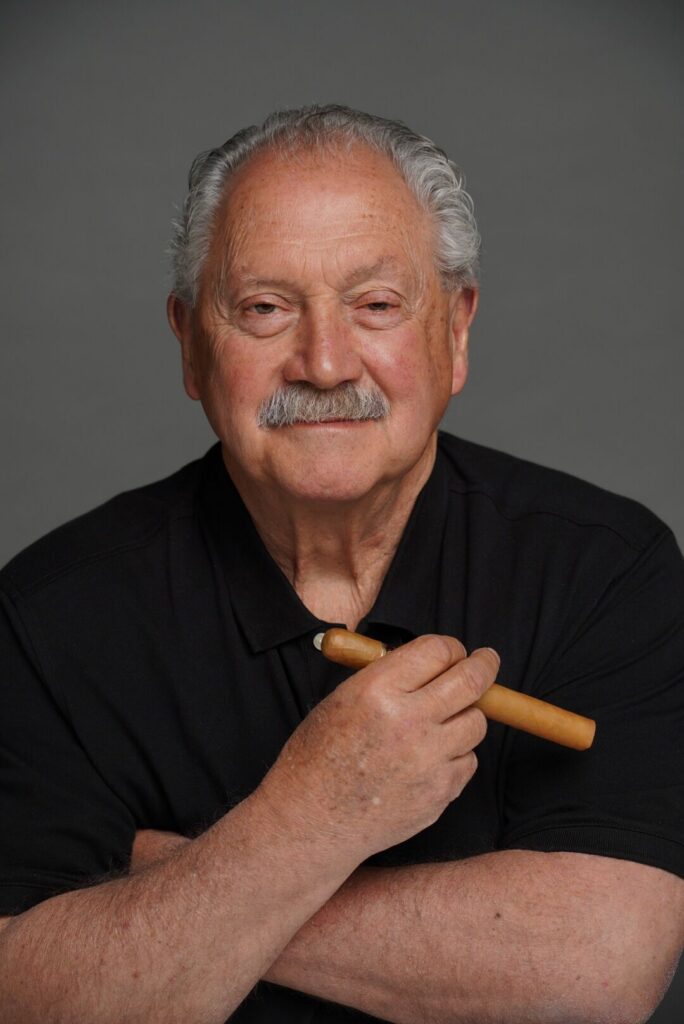
Do lobbyists add value to policymaking? | PODIUM
Colorado Politics
colorado-politics@coloradopolitics.com
Updated 6 days ago
By Corky Kyle I was recently asked a straightforward question: are lobbyists a valuable component in the development of public policy? After more than four decades working with the Colorado General Assembly, state agencies, local governments, associations and businesses, my...
PREV
PREVIOUS
NOONAN | GOP losing ground, district by district
Paula Noonan Republicans have dug themselves into a very deep hole. Their shovel has turned into an excavator. This last month’s voter registration numbers by state Senate districts show GOP registration losses from -1.7% to – 7.1% by district since 2016. Democrats have lost registrations also, but at a much lower rate ranging from -.04% […]
Cities, counties need a lifeline in COVID's wake
Michael Hancock The COVID-19 pandemic has changed our world as we know it. It has threatened our health, safety and economy, and transformed the way we live our lives. We often hear about the impacts of this virus at the state and federal level and the decisions being made there to protect people and slow the […]