

State ethics commission: Ballot measure 305 isn’t going to make it to the ballot
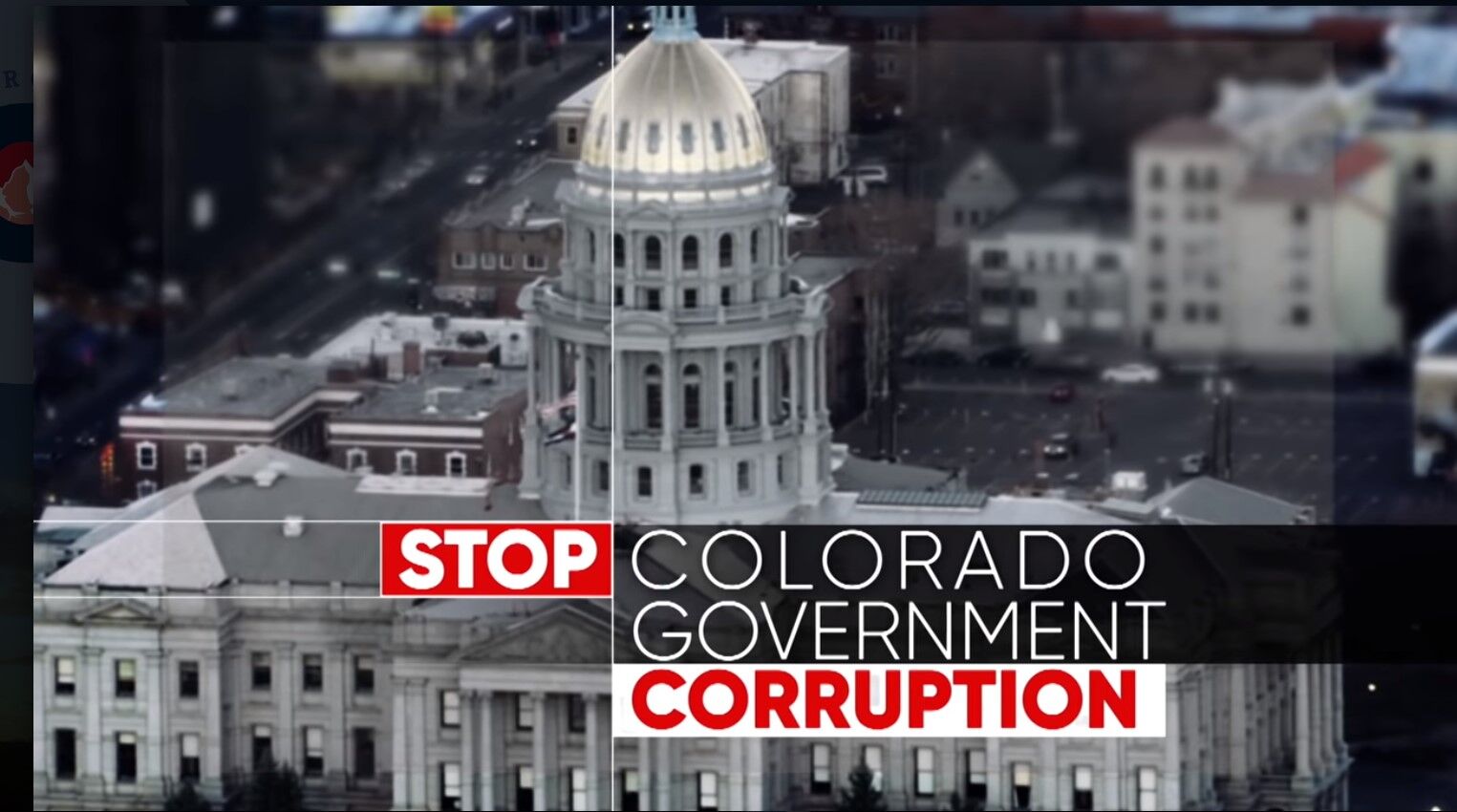
A ballot measure attempting to lengthen the statute of limitations for complaints with the Colorado Independent Ethics commission is unlikely to obtain enough signatures by the August 3 deadline, according to a staff report in Tuesday’s ethics commission meeting.
Documents from the Federal Communications Commission reveal the ballot measure is a pretext for something else: to attack Democratic U.S. Senate candidate and former Gov. John Hickenlooper over his ethics issues rather than attempting to garner signatures for a November ballot question. The dark money group behind the ads, Unite for Colorado, has spent more than $150,000 in July on TV ads alone.
The Colorado Sun reported on July 8 that Unite for Colorado could spend as much as $2.2 million on attack ads against Hickenlooper.
Some of the ads are due to run through August 30, according to several ad buys with KMGH, extending beyond the Aug. 3 deadline for submitting signatures on the ballot measure to the Secretary of State . Several documents tied to the ad buy also says the purpose of the ads is to target Hickenlooper in the U.S. Senate race, as opposed to promoting a statewide ballot measure.
Unite for Colorado’s website has a link to an online petition, but those signatures cannot be used to satisfy the state’s petition signature requirements, based on a recent ruling by the Colorado Supreme Court. The Secretary of State’s website lists two dozen companies or campaigns attempting to gather petition signatures, but none for the ballot measure known as Initiative #305.
Ads allegedly seeking support for the ballot measure have hit TV, radio and social media in recent weeks. According to FCC filings, at least 13 ad buys made by Unite for Colorado were made between June 30 and July 13. Those ad buys are for KWGN, KCNC, KMGH and KDVR. KUSA is also running those ads but FCC information on those buys are not yet available.
The ballot measure’s chief proponents are Frank McNulty, the former Republican Speaker of the House, and Suzanne Staiert, director of the Public Trust Institute, a former deputy Secretary of State and a Republican candidate for Senate District 27.
McNulty founded PTI in October 2018, just days before filing two ethics complaints with dozens of allegations against then-Gov. John Hickenlooper. All but five of the issues raised by PTI were dismissed because they fell outside the statute of limitations. Under commission rules, a complaint must be filed within one year of the incident in question.
In June, the commission dismissed three of the five complaints after a two-day hearing. The commission ruled Hickenlooper violated Amendment 41 on the last two complaints: accepting a ride in a luxury limo at the 2018 Bilderburg Meeting, and accepting private jet trips to the commissioning of the USS Colorado. Hickenlooper was fined $2,750 and said he would not contest the decision.
The CEO of Unite for Colorado is Dustin Zvonek, a former vice president of strategy and innovation for Americans for Prosperity. One ad buy lists Katie Kennedy as the registered agent for the committee. Kennedy is a registered agent for 64 mostly Republican-leaning committees in the Secretary of State’s TRACER database, although no such issue committee for #305 is registered with the Secretary of State.
Zvonek did not respond to multiple emails seeking comment.
As to the staff report, McNulty told Colorado Politics that the ethics staff is in no position to talk about the fate of the ballot measure. “We’ve had trouble gathering signatures,” McNulty said Tuesday. “We fully intended to form an issue committee and gather signatures, but COVID hit and everything shut down,” and they also lost the opportunity to gather online signatures when the Colorado Supreme Court ruled against an executive order from Gov. Jared Polis that would have allowed it. “Given the time on the calendar, this just may be something we come back with for another time,” he added. Staiert added that “like many campaigns we were set back with COVID” and that they never formed an issue committee for the measure. “I don’t know if others did,” she said.
Melissa Miller, a spokeswoman for the Hickenlooper campaign, said the ads are “just more deception from Cory Gardner’s dark money allies – they can’t defend him supporting Donald Trump 100% of the time and will say or do anything to change the subject.”
Curtis Hubbard, a spokesman for the Colorado Ethics Institute, which is tied to the state Democratic Party, said, “I should check to see if Colorado’s manufacturing statistics are going up – because this partisan hit job continues to try and manufacture outrage where there is none. Now they’ve added abuse of the ballot-initiative process to their abuse of Colorado’s ethics laws.”
The commission Tuesday also began work to finalize its report on the Hickenlooper case, and Commissioner Debra Johnson addressed questions in a June 22 Colorado Politics article about her relationship with Staiert. Johnson did not respond to a request for comment at the time of the original story.
Related: Ethics problems once again plague Independent Ethics Commission
Johnson said she’s known Staiert since 2001 when Staiert was an Aurora city attorney assigned to the city clerk’s office. Johnson was city clerk at the time. Staiert did recommend Johnson for the IEC appointment in 2019, as well as suggesting other people, Johnson said. All that was reported in the article, as well as a contribution Johnson made to Staiert’s Senate campaign.
“I didn’t believe there was a conflict under commission policy or that warranted recusal,” Johnson said. “My relationship with Staiert is professional.” Johnson did acknowledge that she gave Staiert the campaign contribution, noting that under commission policy she can make contributions to candidates. “None of the mandatory recusals were present,” Johnson said. “My relationship with Suzanne Staiert is no different than with any other public servant.”
Former Secretary of State spokesperson Lynn Bartels, in a Jan, 3, 2019, Facebook post, referred to Johnson as Staiert’s “former partner in crime.”
Staiert did not appear to be present during Tuesday’s commission meeting.
Staiert has another complaint pending with the ethics commission, against former Democratic Rep. Joe Salazar, a complaint on lobbying activities. A similar complaint was filed with the Secretary of State, but is now under a motion to dismiss.
The ad buy from Unite for Colorado for Colorado ballot measure #305, which isn’t even mentioned in the ad buy.


Rural frustration, parental rights shape Scott Bottoms’ pitch ahead of Colorado’s gubernatorial primaries
Thelma Grimes
thelma.grimes@coloradopolitics.com
Updated 8 hours ago
With just weeks before Colorado’s June primary, Republican gubernatorial candidate state Rep. Scott Bottoms is spending nearly all his time on the road — literally crisscrossing the Western Slope and eastern plains — in a final push to connect with...
Registered voters on the eve of the 2026 primaries | Cronin & Loevy
Tom Cronin Bob Loevy
tom-cronin-bob-loevy@coloradopolitics.com
Updated 3 days ago
The Colorado Secretary of State’s Office has published the latest voter registration figures for the state and its counties as of June. Colorado ranks among the highest states for independent, or unaffiliated, voters. Only Alaska and Massachusetts have more. New Hampshire, New Jersey, Maine and Oregon also rank highly. So here...
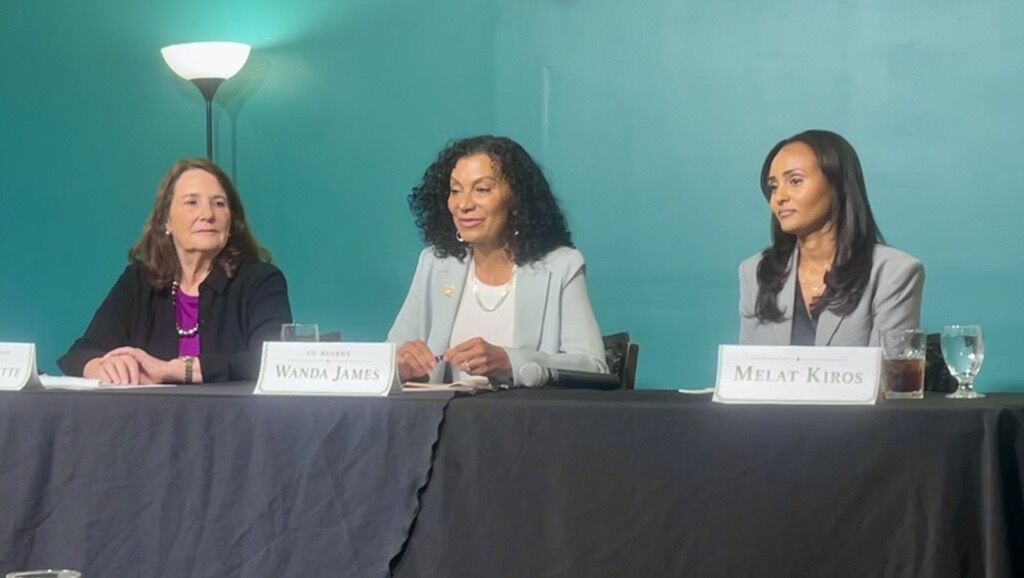
Democratic candidates DeGette, Kiros and James clash in CD1 forum
Marissa Ventrelli
marissa.ventrelli@coloradopolitics.com
Updated 17 hours ago
The three Democratic candidates for Colorado’s 1st Congressional District clashed on Friday night over a host of issues, even as they expressed frustration with their party. The candidates — U.S. Rep. Diana DeGette, doctoral student Melat Kiros and university regent...
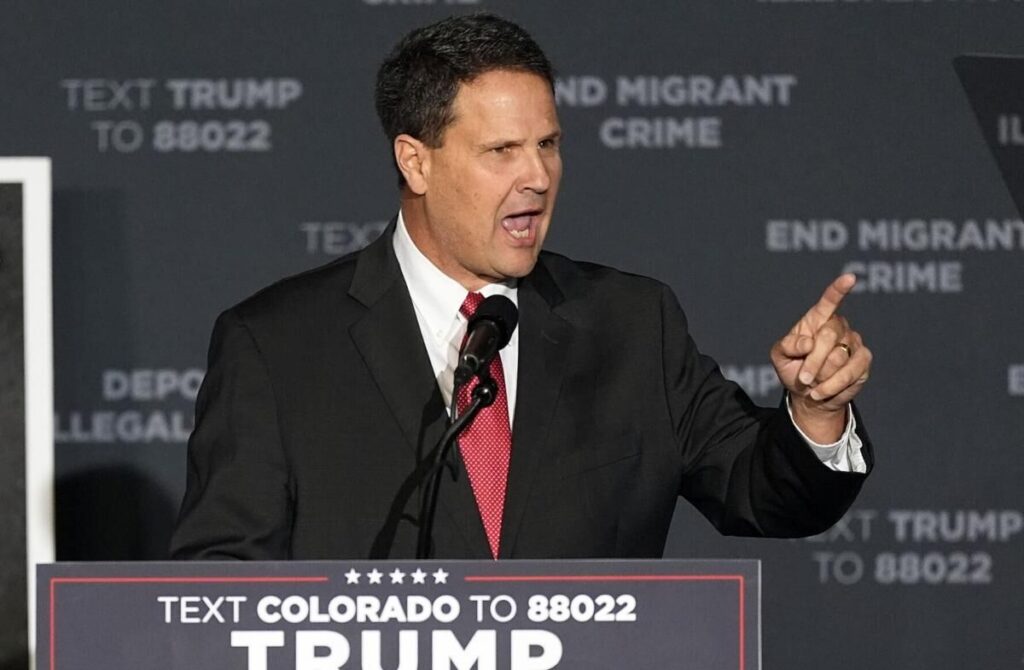
Rep. Jeff Crank thinks Democrats are too focused on Trump, not enough on Colorado Springs | Vince Bzdek
Vince Bzdek
vince.bzdek@gazette.com
Updated 1 day ago
For U.S. Rep. Jeff Crank, who’s unopposed in the Republican primary for the 5th Congressional District but the main target of both candidates in the lively Democratic primary, the big question in the midterms is not who will stand up...

Bernie Sanders endorses DeGette challenger Melat Kiros in Colorado’s 1st CD Democratic primary
Ernest Luning
ernest.luning@coloradopolitics.com
Updated 4 days ago
U.S. Sen. Bernie Sanders on Friday endorsed congressional candidate Melat Kiros, one of two Democrats challenging 15-term U.S. Rep. Diana DeGette in Colorado’s June primary. Sanders, a Vermont independent who caucuses with the Democrats, called the 29-year-old Kiros “exactly the...
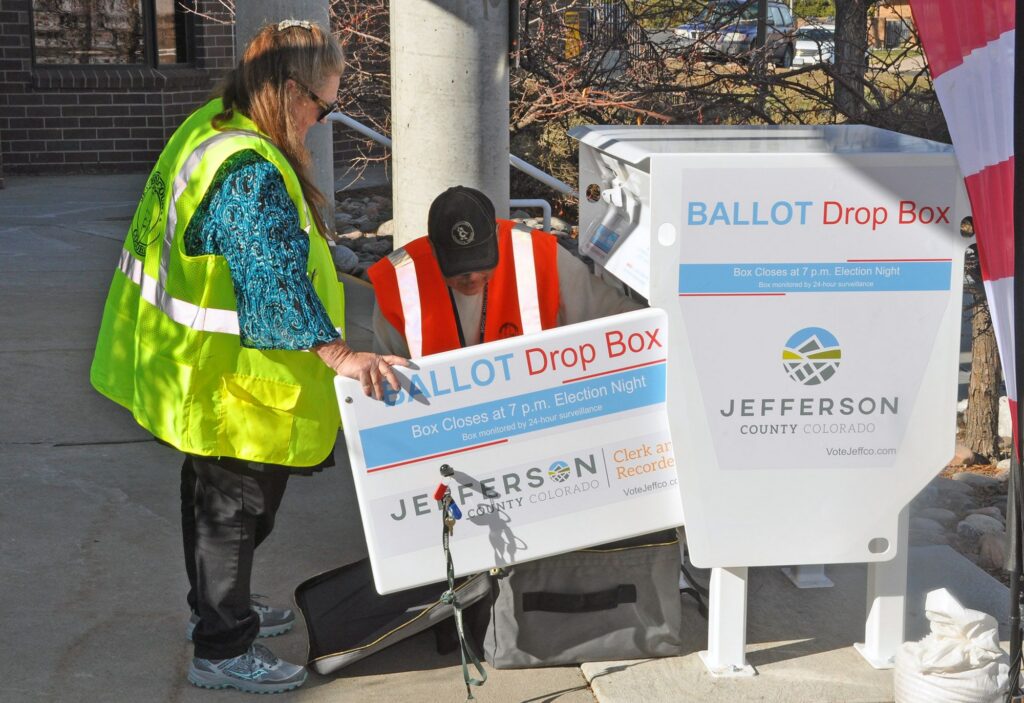
Democratic ballots outpace Republicans’ as Colorado’s primary vote starts to trickle in
Ernest Luning
ernest.luning@coloradopolitics.com
Updated 3 days ago
With less than two weeks left before ballots are due in Colorado’s primary election, election officials have logged in ballots from just under 6% of the state’s 4 million active, registered voters, the Colorado Secretary of State’s Office said Thursday....

Amid public pressure, Colorado candidates tackle social media regulations for minors
Bethany Johnson
bethany.johnson@denvergazette.com
Updated 2 days ago
Following the accidental overdose of her daughter in 2020, Patti Lujan pursued a lawsuit against Snapchat, the social media platform that, she claimed, connected her daughter with a drug dealer. In a news release announcing the lawsuit, Lujan alleged that...
Colorado state Senate: Meet the primary election candidates
Marianne Goodland
marianne.goodland@coloradopolitics.com
Updated 5 days ago
Colorado’s June 30 primary features a slate of state Senate contests, with several incumbents stepping aside and competitive fields emerging in both parties. These are some of the races to watch as voters begin to submit ballots. Senate District 3:...

Hickenlooper raises $900K since April, heads into primary with almost $3 million on hand
Ernest Luning
ernest.luning@coloradopolitics.com
Updated 5 days ago
U.S. Sen. John Hickenlooper raised just over $900,000 for his reelection bid in the 10-week pre-primary reporting period, the Colorado Democrat’s campaign said Wednesday. The campaign finished the period with almost $3 million in the bank, with more than 80%...
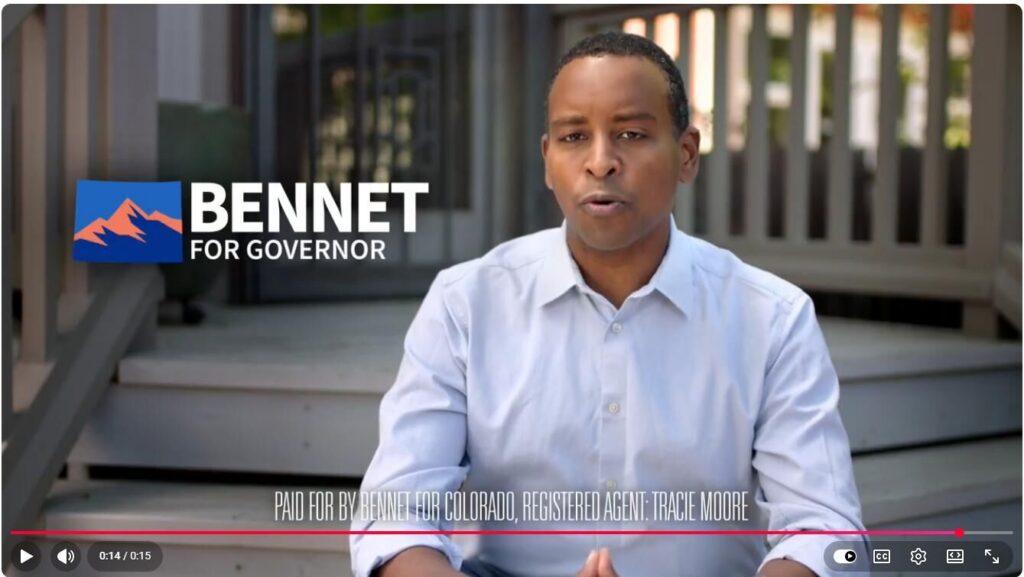
Bennet’s gubernatorial ads say U.S. Senate committee paid for them
Marianne Goodland
marianne.goodland@coloradopolitics.com
Updated 5 days ago
Update: as of Wednesday morning, at least one of the ads, featuring Colorado’s Democratic congressional delegation, has been changed to include the disclaimer “paid for by Bennet for Governor.” A series of TV commercials for U.S. Sen. Michael Bennet’s gubernatorial...
PREV
PREVIOUS

Vaccine makers pledge not to sacrifice safety for speed in House hearing
Representatives from five pharmaceutical companies told a congressional panel on Tuesday that they would not sacrifice safety for the sake of speed in developing a COVID-19 vaccine, even if the Trump Administration were to loosen science-based safeguards. “Historically, I’ve been very confident in the FDA, but now that Trump is president, I still think there’s […]

10th Circuit revives copyright claim on skeleton model from Colorado artist
The U.S. Court of Appeals for the 10th Circuit on Tuesday ordered further proceedings to determine whether a skeletal sculpture used in human anatomy instruction deserves copyright protection. Balanced Body University, which is a training program for Pilates instructors from the company Fusion Pilates, bought multiple sculptures of “the Maniken.” The object resembles a model […]