

Vaccine makers pledge not to sacrifice safety for speed in House hearing
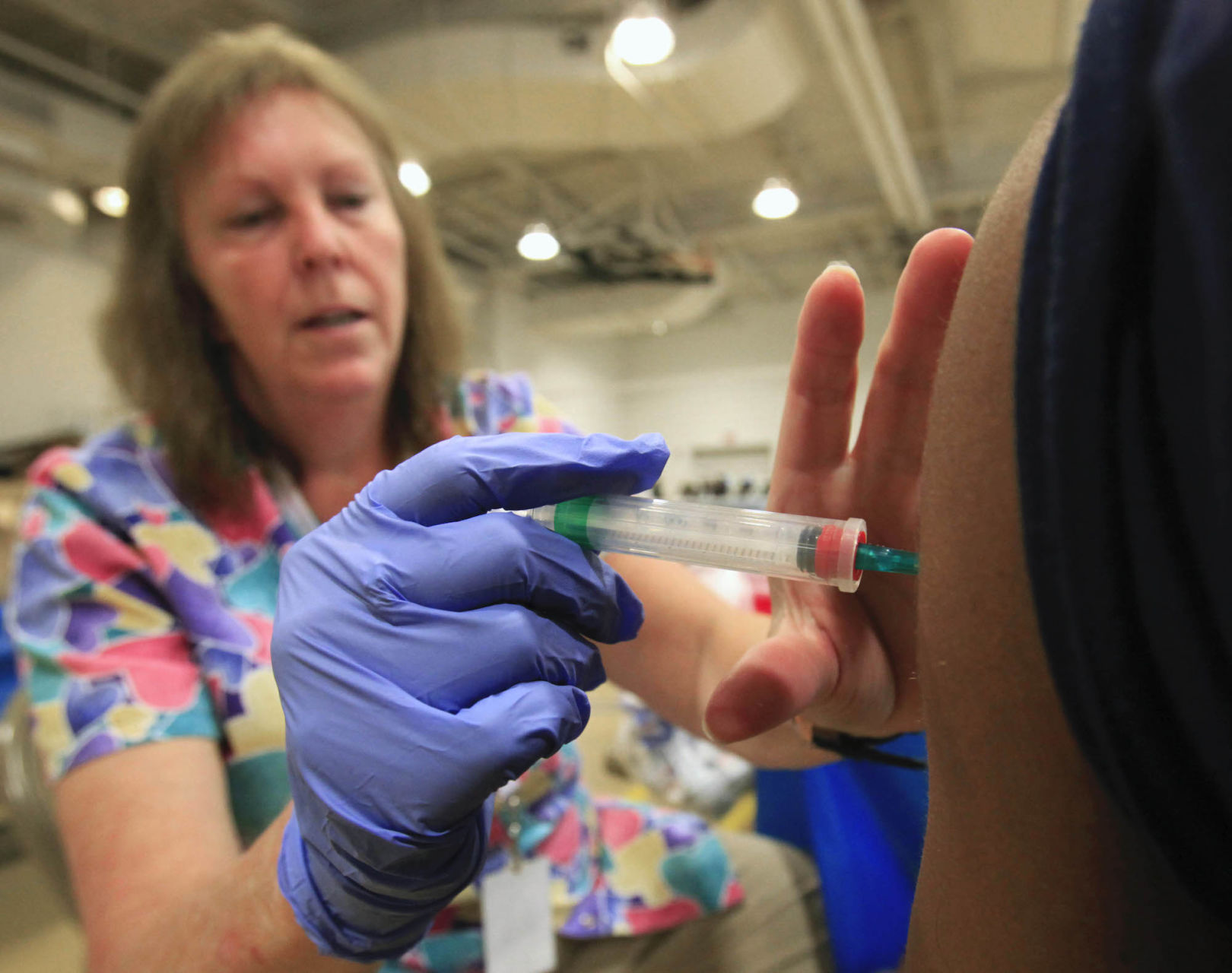
Representatives from five pharmaceutical companies told a congressional panel on Tuesday that they would not sacrifice safety for the sake of speed in developing a COVID-19 vaccine, even if the Trump Administration were to loosen science-based safeguards.
“Historically, I’ve been very confident in the FDA, but now that Trump is president, I still think there’s a real possibility he will pressure the FDA to lower the standards,” said U.S. Rep. Frank Pallone, Jr., D-N.J. “What can you do in those circumstances? I want to make sure that you guard against any pressure that comes from the FDA.”
Pallone, who chairs the U.S. House Committee on Energy and Commerce, received assurance from Menelas Pangalos, executive vice president of drugmaker AstraZeneca, that the vaccine’s reach would be global. Therefore, “every regulatory authority is going to have a view on the efficacy and safety of our vaccine.”
Within the past week, the vaccine candidate of AstraZeneca, in conjunction with the University of Oxford, reportedly has entered large-scale human trials after successfully producing the antibodies needed to neutralize COVID-19. U.S. Rep. Diana DeGette, who chaired the hearing of the oversight and investigations subcommittee, asked if drug companies anticipated receiving approval from the U.S. Food and Drug Administration before the end of the year.
“Yes, we do. If we have efficacy data, we hope it will happen anytime from September onward,” said Pangalos.
“We would not expect to have a licensed product by 2021 at the earliest,” cautioned Julie Gerberding, executive vice president of Merck and the former director of the Centers for Disease Control and Prevention.
The Trump Administration’s “Operation Warp Speed” has invested money into rapid development of promising vaccines, a process that can normally take years or decades. Pangalos said AstraZeneca has entered into agreements with the United States and other governments to provide hundreds of millions of doses at no profit to the company, with preparations to offer 300 million doses immediately upon regulatory approval. He hoped that trials with upwards of 50,000 volunteers would be complete by the fall.
Macaya Douoguih of Johnson & Johnson said that her company expects to begin human trials in Belgium and the U.S. later this year, and will expand manufacturing capacity even before clinical development of the drug.
Gerberding added that the three qualities Merck would look for in a vaccine would be safe and effective immunity against other viruses, availability in a single dose, and feasibility of distributing in a global method.
“No one is safe until everyone is safe,” she said, explaining that mistrust of government, including in the U.S., would be a necessary barrier to overcome.
Multiple Democratic members of the committee fretted over the lack of an aggressive federal response to the virus from the Trump Administration, which has left the United States with more than one-quarter of the world’s COVID-19 cases despite having 4% of its population.
“From day one, President Trump has done everything he can to minimize the severity of this pandemic and to undermine his public health experts,” said Pallone. “The administration still has not developed a national plan to combat the pandemic, it has no national testing strategy, no one in charge of the supply chain, and little effort to invoke the Defense Production Act.”
Pallone worried that “these problems will likely extend to the development and distribution of a COVID-19 vaccine as long as Trump is president.” DeGette similarly suggested that the shortages of personal protective equipment for hospitals and other essential workers could morph into shortages of syringes and vials for the vaccine.
Douoguih, of Johnson & Johnson, said that there may need to be surveillance of the vaccine after it hits the market, and her company is working on such a plan. She said if trials showed a low level of effectiveness, “we would make those results available but we would not feel comfortable bringing forward a product that was not found to be efficacious according to what we put forth in our protocol.”
U.S. Rep. Markwayne Mullin, R-Okla., pushed back on the pessimistic analysis. “I don’t think at all that our government has failed. I think we’re in a pandemic that we’ve never experienced before. But we’re responding better than any other country out there,” he said of the disease that has killed more than 140,000 Americans so far, also the highest casualty count in the world.
U.S. Rep. David McKinley, R-W.Va., strayed from the vaccine topic and instead asked the pharmaceutical representatives whether they would feel comfortable sending their children to school. While some Republican governors and the White House want to see in-person learning start as scheduled, teachers and parents have raised alarms about the safety implications for themselves and their children.
“My wife and I are both physicians,” responded Stephen Hoge, the president of Moderna. “I honestly don’t know the answer yet even for my three children…. We’re talking about that tonight at dinner.”


10th Circuit grants Boulder-Weld district’s fire chief immunity for firing union leader
Michael Karlik
michael.karlik@coloradopolitics.com
Updated 11 hours ago
The Denver-based federal appeals court decided on Monday that the chief of a fire protection district spanning Boulder and Weld counties could not be held liable for terminating a union leader through the process outlined in the collective bargaining agreement....
Michael Allen says a weakened justice system, rising crime drove him to run for attorney general
Thelma Grimes
thelma.grimes@coloradopolitics.com
Updated 10 hours ago
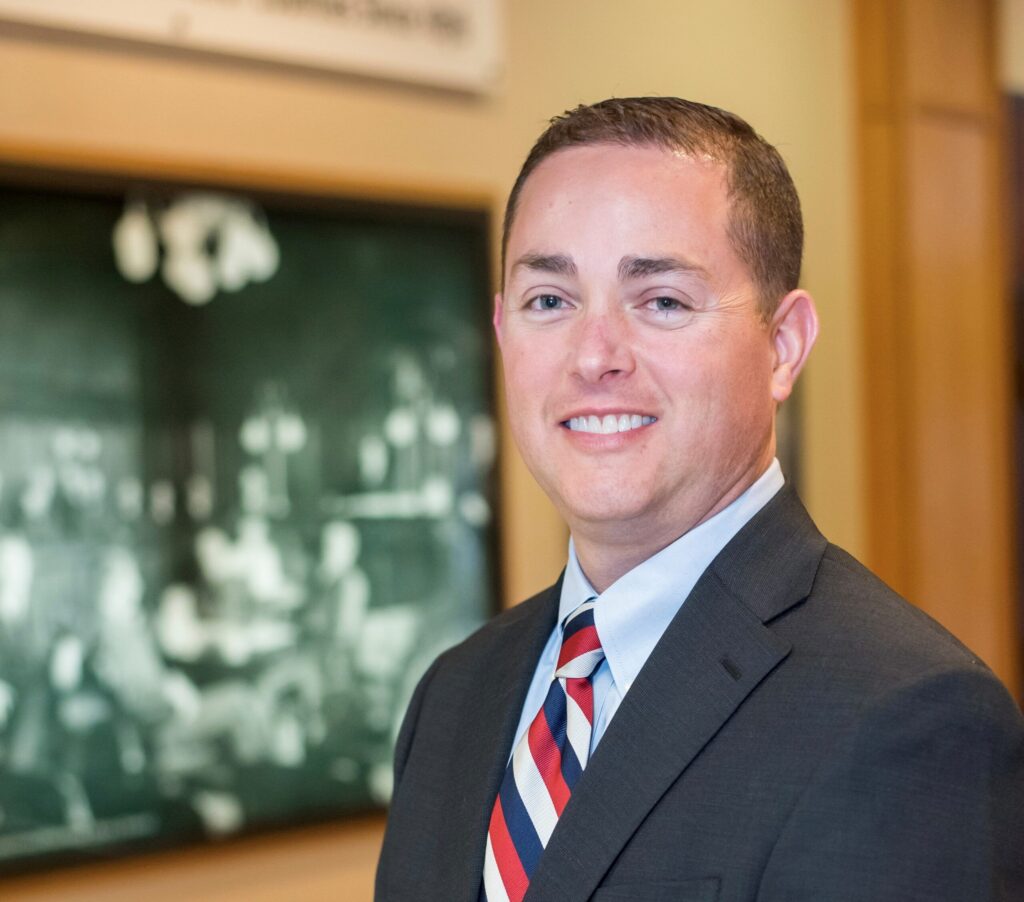
Michael Allen said he is running for attorney general because he believes Colorado’s criminal justice system has been weakened by recent legislation and that rising crime is directly increasing the cost of living. A Navy veteran and longtime prosecutor, Allen...

Colorado House ethics committee delays hearing to allow Rep. Lindsay to seek legal counsel
Marianne Goodland
marianne.goodland@coloradopolitics.com
Updated 14 hours ago
The Colorado House ethics committee voted Monday to pause the ethics complaint against Rep. Mandy Lindsay while she seeks legal counsel. The hearing was scheduled to begin with two days of testimony, during which Lindsay could present evidence and call...

State Supreme Court oral arguments, 10th Circuit nominee recuses from cases | COURT CRAWL
Michael Karlik
michael.karlik@coloradopolitics.com
Updated 8 hours ago
Welcome to Court Crawl, Colorado Politics’ roundup of news from the third branch of government. The state Supreme Court will hear its last set of oral arguments this week before breaking for the summer, and the nominee for a vacancy...

‘Peaking at the right time’: Barbara Kirkmeyer is confident as ballots go out
Thelma Grimes
thelma.grimes@coloradopolitics.com
Updated 10 hours ago
Calling 2026 an “interesting” year, Sen. Barbara Kirkmeyer said the race for the Republican nomination has taken her from a “bizarre debate” to a broader effort to maintain the party’s integrity, while making the case that she’s ready to lead...
Sheehy calls for Rubio to take over Iran negotiations if Vance can’t swing it
Claire Carter, Washington Examiner
claire.carter.washington.examiner@gazetteedit.wpenginepowered.com
Updated 16 hours ago
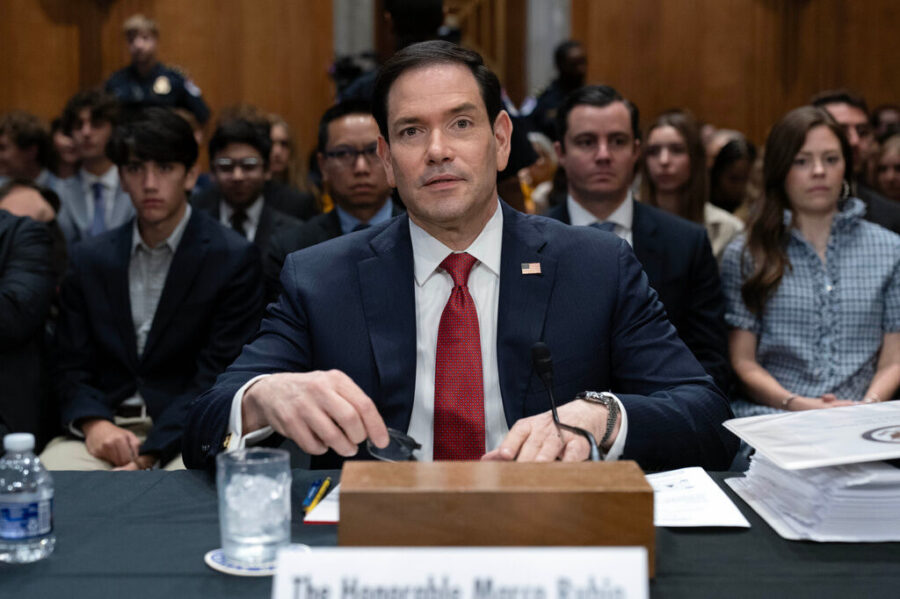
Sen. Tim Sheehy (R-MT) on Monday suggested Secretary of State Marco Rubio should be waiting in the wings to handle negotiations with Iran if Vice President JD Vance can’t get a long-term agreement with Tehran over the finish line. Vance...
Rural frustration, parental rights shape Scott Bottoms’ pitch ahead of Colorado’s gubernatorial primaries
Thelma Grimes
thelma.grimes@coloradopolitics.com
Updated 10 hours ago
With just weeks before Colorado’s June primary, Republican gubernatorial candidate state Rep. Scott Bottoms is spending nearly all his time on the road — literally crisscrossing the Western Slope and eastern plains — in a final push to connect with...

Appeals court adopts federal standard for jail deaths under Colorado law
Michael Karlik
michael.karlik@coloradopolitics.com
Updated 8 hours ago
Colorado’s second-highest court decided last month that the standard used by federal courts for assessing whether government officials may be liable for constitutional violations upon the death of a jail detainee also applies to claims made under the Colorado Constitution....

District court judges weighing Trump policies face repeated slap downs by appeals courts
Kaelan Deese, Washington Examiner
kaelan.deese.washington.examiner@gazetteedit.wpenginepowered.com
Updated 16 hours ago
Federal district court judges reviewing President Donald Trump’s immigration agenda and other contested policies are increasingly being checked by appeals courts, raising questions as to whether some members of the federal judiciary are implementing the law or seeking partisan ends....
Registered voters on the eve of the 2026 primaries | Cronin & Loevy
Tom Cronin Bob Loevy
tom-cronin-bob-loevy@coloradopolitics.com
Updated 3 days ago
The Colorado Secretary of State’s Office has published the latest voter registration figures for the state and its counties as of June. Colorado ranks among the highest states for independent, or unaffiliated, voters. Only Alaska and Massachusetts have more. New Hampshire, New Jersey, Maine and Oregon also rank highly. So here...
PREV
PREVIOUS
Gov. Jared Polis: Last call for alcohol now at 10 p.m.
Gov. Jared Polis Tuesday offered something of a carrot-and-stick approach to young people who get inebriated – last call for alcohol at restaurants and bars that have converted to restaurants is being shortened from 2 a.m. to 10 p.m. by executive order. The carrot? Polis said he is “very irritated” by last call laws, and called […]

State ethics commission: Ballot measure 305 isn't going to make it to the ballot
A ballot measure attempting to lengthen the statute of limitations for complaints with the Colorado Independent Ethics commission is unlikely to obtain enough signatures by the August 3 deadline, according to a staff report in Tuesday’s ethics commission meeting. Documents from the Federal Communications Commission reveal the ballot measure is a pretext for something else: […]