

Study: Affordable Care Act reduced bankruptcy risk among ‘churners’

The Affordable Care Act reduced the risk of bankruptcy for individuals who lost and gained health insurance coverage, a new study from University of Denver and University of Colorado researchers discovered.
Previous research attempted to connect health insurance to bankruptcy filings. Those findings included a relationship between how generous a state’s Medicaid benefits were and the number of bankruptcies, as well as a lesser increase in bankruptcies among states that expanded their Medicaid benefits in the 1990s relative to those states that did not.
Pointing out that the information disclosed in bankruptcy filings makes it difficult to do a large-scale analysis of causes rooted in medical debt and insurance, the Colorado researchers turned to a sample of 12,686 individuals that the U.S. Bureau of Labor Statistics has surveyed since 1997, when the respondents were between 14 and 22 years old. Just under 8,000 of those offered information about bankruptcies in their responses.
“The ACA did reduce the percentage of individuals who had either no health insurance or intermittent coverage,” the study found, referring to the 2010 law that provided incentives for expanding Medicaid coverage, established marketplaces for subsidized insurance, and outlawed the denial of coverage based on so-called pre-existing conditions. “Second, and quite significantly, the association between intermittent coverage as a predictor for filing a bankruptcy petition in the pre-ACA waves is no longer statistically significant post-ACA.”
Although bankruptcies increased during the recession for all groups, the authors found that not having any insurance did not predict the likelihood of bankruptcies to a significant degree. People with full insurance coverage had a slightly elevated risk of bankruptcy during the recession relative to the other demographics. But people who “churned” off and on of insurance, however, saw a dramatically increased risk of bankruptcy during the recession.
While they did not provide a reason for why the loss and gain of insurance coverage carried less bankruptcy risk for that intermittent group in the years after 2010, the researchers suggested that shorter periods without insurance coverage, lower rates of people reporting that they struggle to pay medical bills, and better access to health insurance all played a role.
“Findings that the ACA has a positive impact on peoples’ finances and reduces the risk of filing for bankruptcy is incredibly important to know, particularly since much of the political wind continues to try to dismantle the ACA,” they concluded.
The study will be published in the Brooklyn Law Review.


Colorado House passed a bill raising threshold for agriculture overtime by one vote
Marianne Goodland
marianne.goodland@coloradopolitics.com
Updated 9 minutes ago
The bill that would raise the overtime threshold for overtime pay for certain agricultural workers won the narrowest of votes Thursday in the Colorado House. Senate Bill 121 won a 33-32 vote, a dramatic difference from votes cast Wednesday on...
Colorado’s $46.8 billion budget nears finish line
Marianne Goodland
marianne.goodland@coloradopolitics.com
Updated 17 hours ago
The Colorado Senate on Thursday voted largely along party lines to approve $46.8 billion in spending for the next state budget. The spending plan is bigger than what legislators originally approved for the current fiscal year’s budget, driven by increases...

Colorado Senate passes bill for voluntary $5 fee to fund wildlife crossings
Scott Weiser
scott.weiser@gazette.com
Updated 17 hours ago
The Colorado Senate approved bipartisan legislation allowing drivers to voluntarily pay an extra $5 when registering their vehicles to help finance wildlife crossings and reduce the growing number of dangerous collisions between cars and animals on state highways. In 2024...

A proposed Democratic bill would make taking Colorado workers’ IDs a crime
Marissa Ventrelli
marissa.ventrelli@coloradopolitics.com
Updated 18 hours ago
After a narrow 6–5 vote, a bill to bar employers from taking workers’ identification documents is moving to the full Colorado House, sparking questions about how often such intimidation occurs and whether a new state law is necessary. House Bill...

House rejects effort to withdraw US forces from the Iran war as Republicans stick with Trump
Kevin Freking
kevin.freking@associatedpress.com
Updated 23 hours ago
WASHINGTON (AP) — The House rejected a resolution Thursday requiring President Donald Trump to withdraw U.S. forces from the war with Iran unless Congress authorizes military action. It was the latest such vote that fell short of passage as Republicans...

9 Colorado hospitals at risk of closing due to Medicaid cuts
Nico Brambila
nico.brambila@denvergazette.com
Updated 23 hours ago
The $900 billion in Medicaid cuts over the next decade could threaten the viability of more than 400 hospitals nationally and at least nine in Colorado, a new report has found. The hospitals span the Front Range and rural communities,...
Democrats vow to block next Trump Supreme Court pick amid Alito speculation
Ramsey Touchberry, Washington Examiner
ramsey.touchberry.washington.examiner@gazetteedit.wpenginepowered.com
Updated 23 hours ago
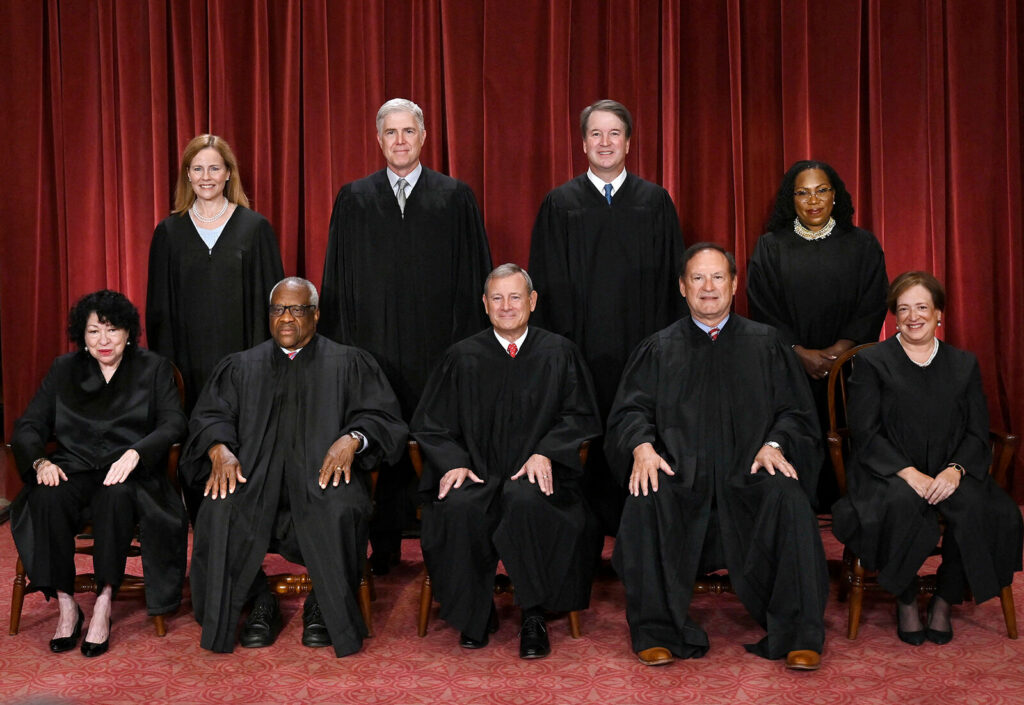
Justice Samuel Alito hasn’t tipped his hat on retiring just yet, but Senate Democrats are already entrenched in opposing the confirmation of a successor that would deliver President Donald Trump his fourth lifetime appointment to the high court. Democrats need...
Lakewood mayor calls for unity, community in State of the City speech
Sage Kelley
sage.kelley@denvergazette.com
Updated 24 hours ago
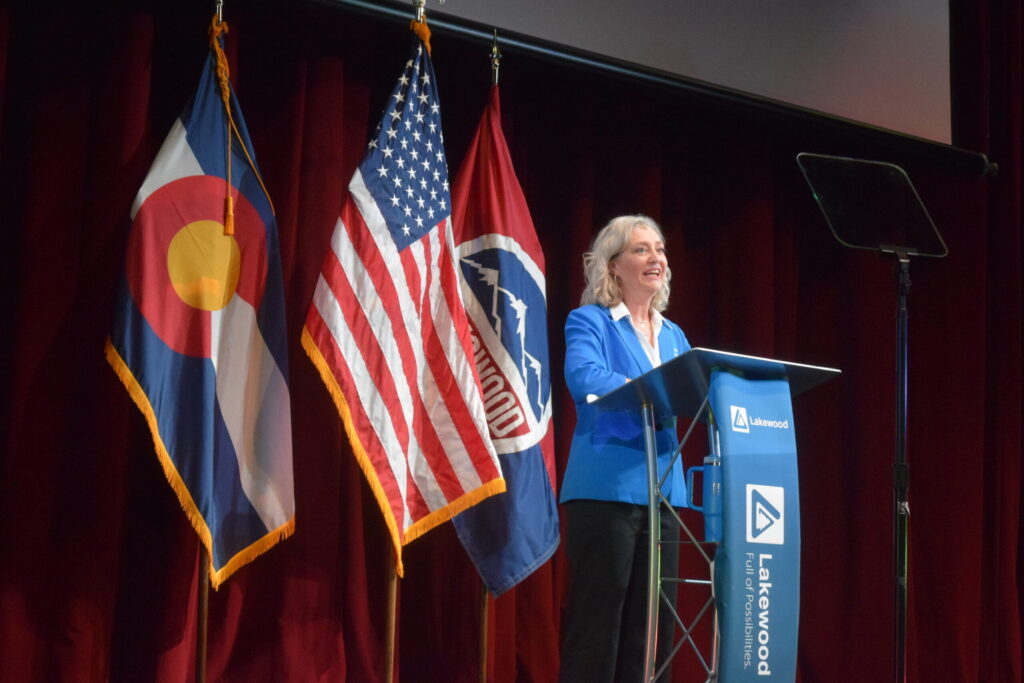
Lakewood held its first State of the City address since 2018 on Wednesday — timing Mayor Wendi Strom attributed to fate. “We got bumped a few times on dates,” Strom said to a room of nearly 100 residents and officials....

Colorado Senate reworks key programs, gives preliminary nod to $46B budget
Marianne Goodland
marianne.goodland@coloradopolitics.com
Updated 24 hours ago
With the Senate’s traditional Budget Day barbecue setting a lighter tone, lawmakers worked through the $46.8 billion state budget Wednesday, navigating a long list of amendments but avoiding the partisan clashes that defined the House debate last week. The Senate...
Colorado budget plan seeks to keep $306 million by canceling TABOR refunds
Marianne Goodland
marianne.goodland@coloradopolitics.com
Updated 1 day ago
Tucked deep within the hundreds of pages of the proposed $46.8 billion 2026–27 state budget is a line item showing $306.1 million in savings — achieved by canceling Taxpayer’s Bill of Rights refunds. Gov. Jared Polis has recommended withholding TABOR...
PREV
PREVIOUS

Colorado’s Loh nominated to lead U.S. Air National Guard
President Donald Trump has nominated Maj. Gen. Michael A. Loh to be the director of the U.S. Air National Guard. Loh is the adjutant general of the Colorado National Guard and the head of Colorado’s Department of Military and Veterans Affairs. “I am tremendously honored to receive this nomination, privileged to have the potential to continue […]
Denver neighborhood coalition supports mayoral appointment charter change
The coalition representing Denver’s registered neighborhood organizations has endorsed a city councilwoman’s proposal to give legislators the authority to confirm mayoral appointees. “Over the years, the Inter-Neighborhood Cooperation has requested many times for the voice of the citizens of Denver and their elected Councilpersons be heard,” wrote George E. Mayl in a May 1 email […]