

Denver’s domestic violence shelters anticipate ‘dramatic spike’ in calls for help as lockdown lifts

Denver’s domestic violence support centers are reporting a decrease in call volume amid the coronavirus, but not because fewer incidents are occurring, they say.
Before Denver’s stay-at-home order went into effect March 24, people experiencing domestic violence could seek support while abusers were out of the house or while children were at school, said Abby Hansen, the director of counseling and advocacy services at SafeHouse Denver, a nonprofit that provides housing and assistance for victims of domestic abuse.
“They just don’t have that ability right now, so we’re seeing a dip, which is sort of counterintuitive” she said. “But I certainly don’t think that means that less domestic violence is happening. I think what that means is that there are more barriers for survivors to reach out for supportive services.”
When Denver’s stay-at-home order lifts on May 9, Hansen said she is “very confident” the city will see a “dramatic spike” in calls from domestic abuse victims.
Data from the Denver Police Department shows that the number of calls for domestic violence service between February 1 and April 22 was on par with the volume of calls received in the same time period last year. Police chief Paul Pazen told The Denver Post that he has seen a slight drop in the average number of domestic violence offenses, but that the incidents officers are responding to have been more severe.
“That makes a lot of sense,” Hansen said in response to Pazen’s findings. The longer victims wait to seek assistance, the more hostile situations can escalate, she said. “It’s a similar trend as we’re seeing on our hotline. I think fewer people feel comfortable outreaching law enforcement because they don’t see a safe window in which to do so.”
Denver District Attorney Beth McCann told Colorado Politics in an email that it is “particularly challenging to measure the scope of violence right now,” because victims of domestic violence are “confined at home with their abusers.”
Stay-at-home orders have created a perfect storm when it comes to domestic violence, said Margaret Abrams, the executive director of the Rose Andom Center, a domestic violence resource center in Denver.
“Isolation is such a big factor in domestic violence dynamics, where an offender may make a lot of efforts to isolate a victim and to keep her in a situation where she can’t really access family or friends or coworkers,” she said.
Between 90% and 95% of the people Rose Andom serves are women, Abrams said.
Stay-at-home orders not only create “another layer of isolation,” she explained, but also provide more leverage for “taking control from that victim and feeding fears that, ‘If you leave me, you may get sick and die,’ or, ‘You can’t leave because the police will arrest you.’
“You know, feeding somebody who is already anxious false information, which we have heard circumstances of happening.”
Many victims are afraid to leave their homes and enter a shelter for fear of catching the coronavirus, she said. Meanwhile, as more than 32,600 unemployment claims have been filed in Denver, domestic violence victims also face financial barriers that could only further complicate their decision to get out.
Another issue likely to create problems amid the pandemic, Hansen said, is trying to keep track of varying local and state stay-at-home orders.
“For survivors trying to navigate what their next steps are, when they hear about different timelines and changing timelines, I imagine that just feels confusing and will mean survivors are probably going to want to continue to hunker down, stay in place and kind of do what they’ve been doing to manage through this time.
“I think that there also will be more confusion about which (domestic abuse) resources have opened and which are going to remain shut, because I don’t think that consistently we really know yet,” she added. “It’s definitely going to be confusing, and we’re going to have just a wide variety of needs.”
The Denver Police Department said in a statement that it worked with the mayor, the Denver Broncos and the Rose Andom Center on social media messaging to ensure that those in need know how to receive help and that the stay-at-home orders do not mean they must stay home with their abusers.
“They are allowed and encouraged to find somewhere safe to stay and there are resources to assist them, such as the Rose Andom Center,” the department said in a statement. “We also want victims of DV to know to call or text 911 for emergencies and 720-913-2000 for non-emergencies, and that our DV investigative unit – working with the Denver District Attorney’s Office – continues to actively investigate DV cases.”
“Anyone who is being abused needs to know that a stay at home order does not mean you have to stay in a violent situation,” McCann said. “Help is available.”


Democratic ballots outpace Republicans’ as Colorado’s primary vote starts to trickle in
Ernest Luning
ernest.luning@coloradopolitics.com
Updated 10 hours ago
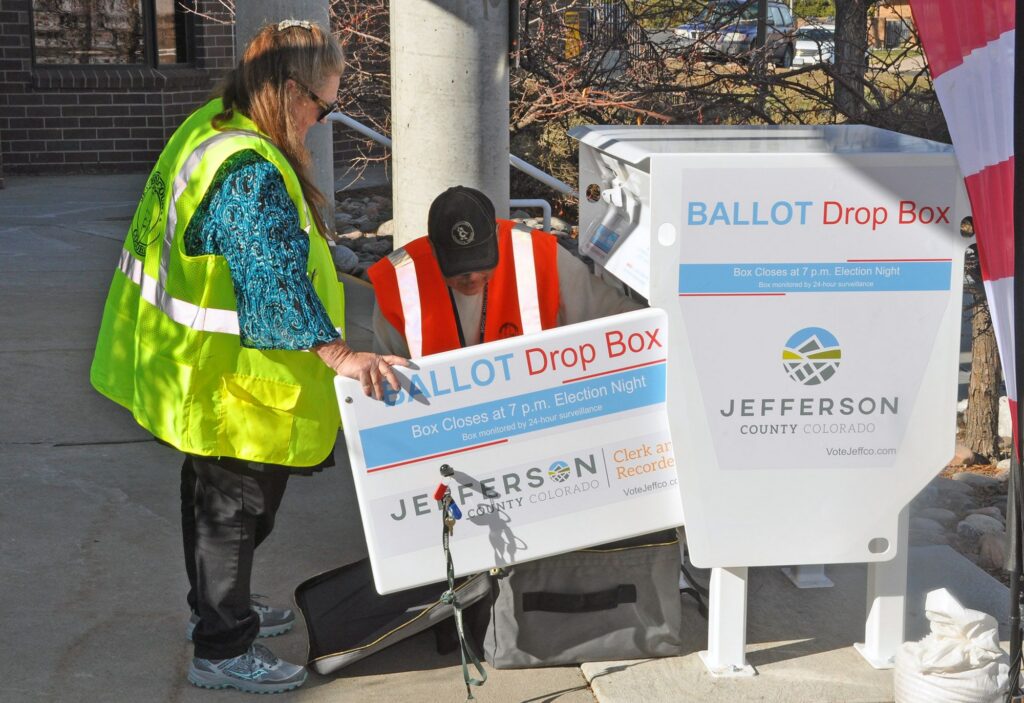
With less than two weeks left before ballots are due in Colorado’s primary election, election officials have logged in ballots from just under 6% of the state’s 4 million active, registered voters, the Colorado Secretary of State’s Office said Thursday....
Colorado court upholds murder conviction despite jury disobeying instructions
Michael Karlik
michael.karlik@coloradopolitics.com
Updated 14 hours ago
Colorado’s second-highest court upheld an Arapahoe County defendant’s murder conviction last month, even though jurors found he was not the one who shot the victim and the evidence suggested he was not present for the shooting. A three-judge Court of...

July 1 brings new Colorado rules on ammunition purchases, wildfire‑risk scoring and wildlife enforcement
Marissa Ventrelli
marissa.ventrelli@coloradopolitics.com
Updated 17 hours ago
Colorado will usher in a new set of laws on July 1 that touch everything from ammunition sales to insurance transparency and wildlife trafficking enforcement Here is a look at some of the state’s new laws: Ammunition sales Sponsored by...
Divided appeals court reverses conviction after judge declined to define ‘bludgeon’
Michael Karlik
michael.karlik@coloradopolitics.com
Updated 19 hours ago
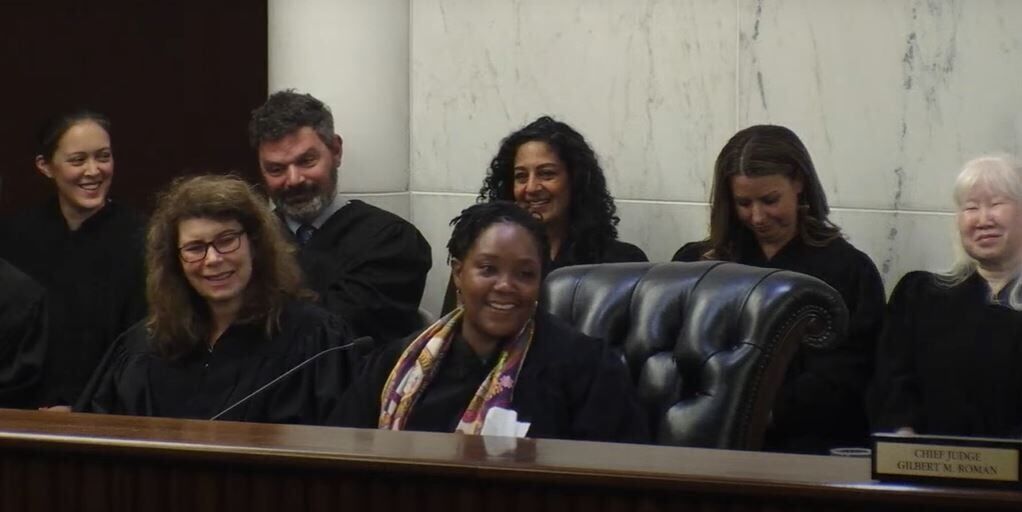
Colorado’s second-highest court reversed a Jefferson County defendant’s felony menacing conviction on Thursday, concluding that the trial judge’s failure to define “bludgeon” for jurors may have affected the outcome. A three-judge Court of Appeals panel divided in unusual ways in...

Poll finds majority believe US military action against Iran was a mistake
Brady Knox, Washington Examiner
brady.knox.washington.examiner@gazetteedit.wpenginepowered.com
Updated 18 hours ago
A poll found a wide majority of U.S. voters believed the decision to launch military action against Iran was a mistake. The Beacon Research and Shaw & Company Research poll for Fox News was conducted from June 12-15, meaning many...

For Vance, Iran deal presents opportunity and risk
W. James Antle III Washington Examiner
wjamesantleiiiwashingtonexaminer@wpstage.coloradopolitics.com
Updated 21 hours ago
Vice President JD Vance has a lot riding on the deal to end the war in Iran. The memorandum of understanding between the United States and Iran came together at the outset of Vance’s book tour, but that’s not the...
10th Circuit dismisses Tina Peters’ challenge to confinement as moot
Michael Karlik
michael.karlik@coloradopolitics.com
Updated 10 hours ago
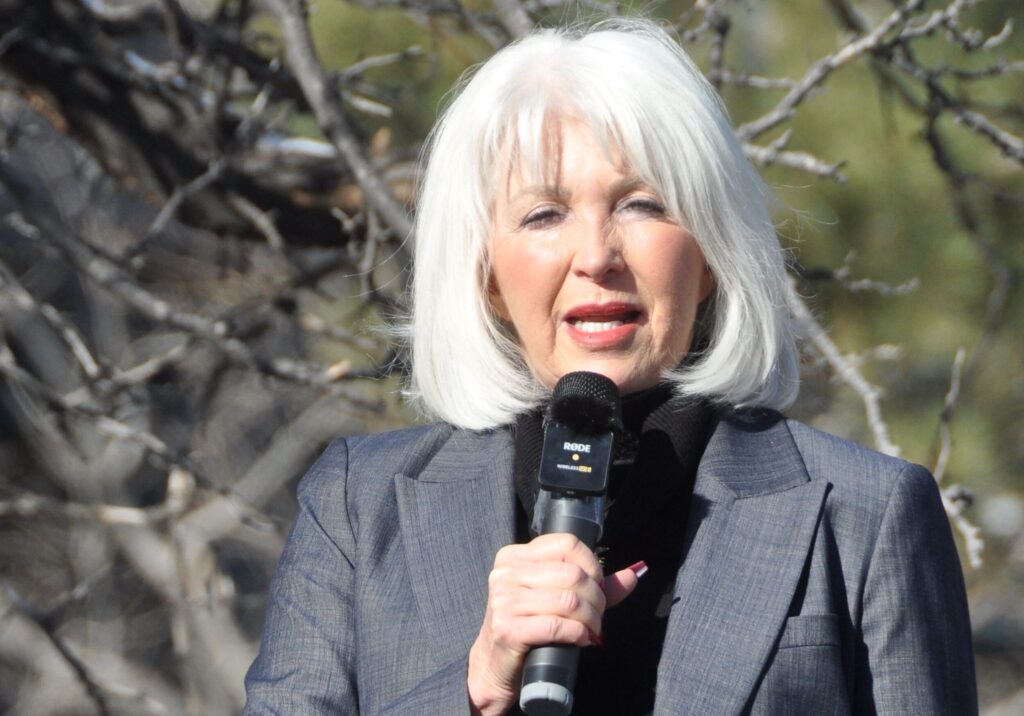
The Denver-based federal appeals court granted the state’s unopposed request on Wednesday to dismiss former Mesa County clerk Tina Peters’ challenge to her confinement as moot. Although Peters received a commutation of her prison sentence last month from Gov. Jared...
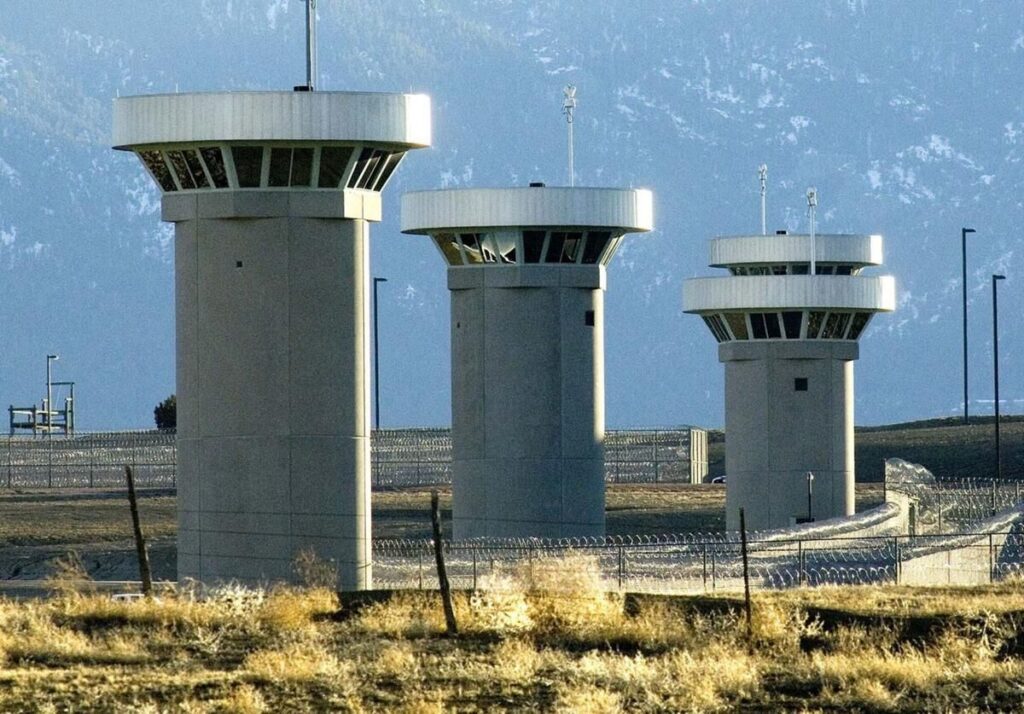
Federal judge declines to recuse from death penalty case after Supermax visit
Michael Karlik
michael.karlik@coloradopolitics.com
Updated 12 hours ago
A federal judge declined to recuse herself last month from a death penalty case arising out of Colorado’s “Supermax” prison, finding that her tour of the facility earlier this year did not bias her decision-making. U.S. District Court Judge Charlotte...

Amid public pressure, Colorado candidates tackle social media regulations for minors
Bethany Johnson
bethany.johnson@denvergazette.com
Updated 20 hours ago
Following the accidental overdose of her daughter in 2020, Patti Lujan pursued a lawsuit against Snapchat, the social media platform that, she claimed, connected her daughter with a drug dealer. In a news release announcing the lawsuit, Lujan alleged that...

Denver gets more time to answer FAA questions in probe regarding Key Lime lease denial
Deborah Grigsby
deborah.smith@denvergazette.com
Updated 19 hours ago
The City of Denver has asked the Federal Aviation Administration for additional time to gather information and prepare its response to the federal agency’s investigation of the city’s 2025 denial of a Denver International Airport ground lease expansion for Key...
PREV
PREVIOUS

Colorado Republicans nominate Gardner for 2nd term, pick Corporon, Ortegón for RNC
Following a vote that held zero suspense, Colorado Republicans on Saturday made it official: U.S. Sen. Cory Gardner has won the nomination for a second term. Gardner received the votes of 96% of delegates to the GOP’s state assembly and convention, which was held remotely the morning of April 18 with results announced Saturday, capping a […]

SONDERMANN | Governor's true test on COVID still lies ahead
Eric Sondermann As we take the next step of the viral response, from staying at home to staying at home with multiple asterisks, let’s turn to more mundane concerns. In keeping with the title of this publication, it’s time to assess the Colorado political landscape in the context and eventually the aftermath of this historic […]