

State Supreme Court upholds conviction despite ‘inference stacking’
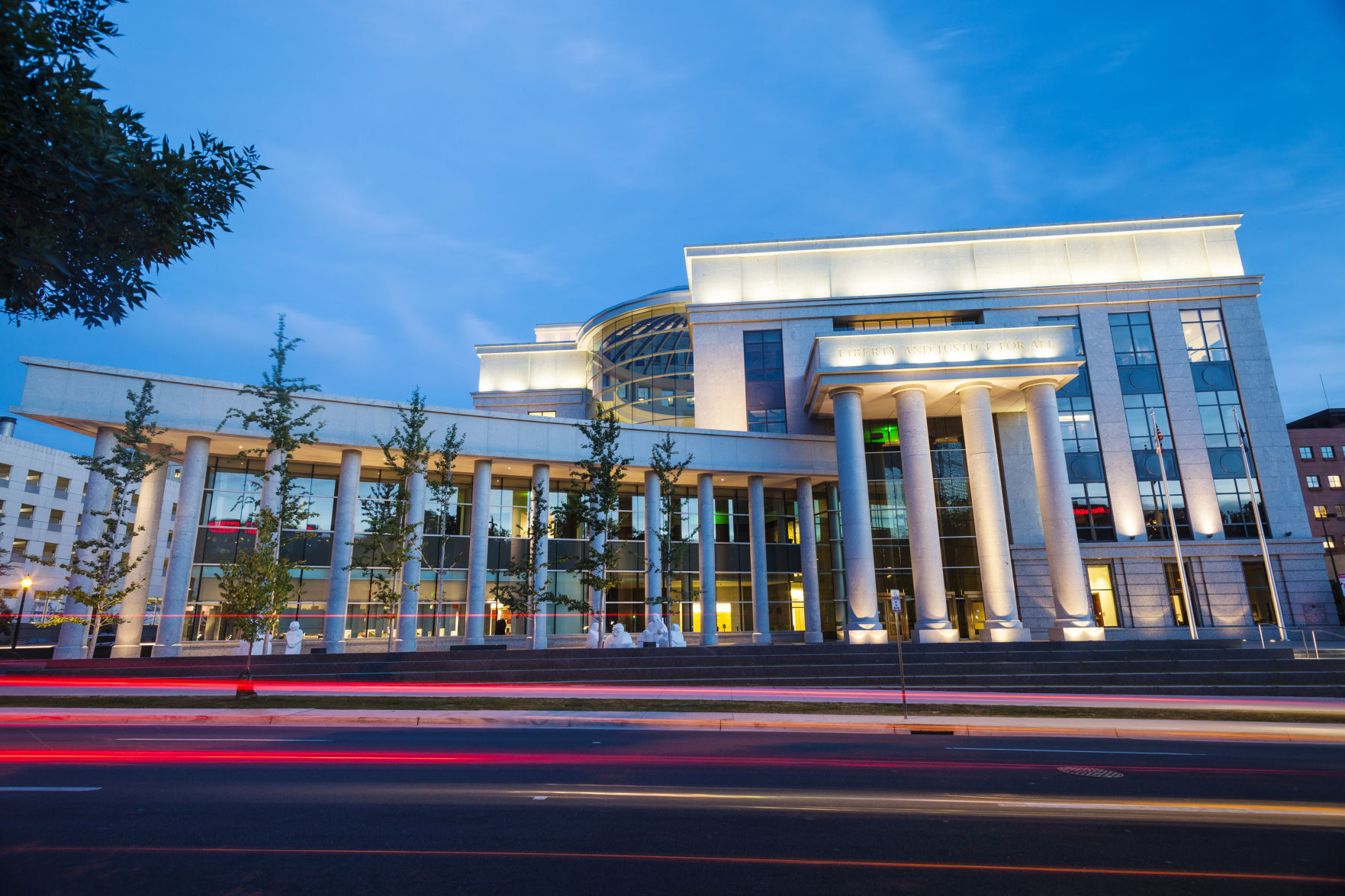
The Colorado Supreme Court on Monday allowed a criminal conviction to stand, even though it was based on multiple inferences that the defendant knew he violated the conditions of his bond.
Laron Antonio Donald posted bond after a felony arrest, and a stipulation of his release from jail was that he would not leave the state without approval. When he failed to appear for a court date, a judge issued a warrant for his arrest. Police later found Donald in Mississippi and extradited him to Colorado.
Donald received additional charges for “knowingly” violating his bond conditions and failing to appear. He pleaded not guilty. At trial, the bail bondsperson testified that it would have been rare for someone receiving a bond not to sign the paperwork laying out the conditions of release. She was not present when Donald signed the papers, however, and could not say whether it was his signature on the forms.
The officer who arrested Donald in Mississippi further testified that the defendant appeared to shake, sweat, and was “very nervous” when pulled over.
Donald argued that there was no proof to show that it was he who signed his bond paperwork, and therefore no proof that he knew about the requirement to not leave the state. While conceding the point, the judge inferred from the bondsperson’s testimony that “you can’t get out of jail unless you sign this paperwork,” and rejected the argument.
Even though Donald’s own lawyer acknowledged that the signature was Donald’s, the defendant appealed his conviction. He alleged that the prosecution had not proven beyond a reasonable doubt that Donald knowingly violated his bond conditions because of the uncertainty whether he read and signed the paperwork purporting to have his signature.
A Colorado Court of Appeals panel agreed with Donald and tossed the bond conviction. The judges reasoned that if Donald signed the paperwork, that did not mean he understood the conditions. A jury would have to infer that Donald signed the forms himself and further infer that he knew about the restrictions, something for which the prosecution had not presented evidence. The Mississippi officer’s testimony that Donald’s nervousness was related to his bond condition was speculation.
“It is the necessity of this inference stacking without any additional evidence to support it that renders the evidence insufficient to support Donald’s conviction,” the judges concluded.
Writing for the Supreme Court, Justice Richard L. Gabriel reversed the appellate court’s ruling, saying that inference stacking “is one factor that a court may consider in determining whether the evidence presented” merits a conviction, although it is not the only one.
It is possible that inferences that depend on other inferences may become so separated from underlying evidence that they cast doubt on a prosecutor’s conclusion. Gabriel wrote that the prosecution’s burden was to show Donald actually knew about his bond conditions, not merely that he should have known.
Noting that the court must construe evidence favorably to the prosecution, Gabriel found that a reasonable jury could have determined Donald was aware of the directive to not leave Colorado, “given that the paperwork consisted of a single page and that the condition at issue was the first condition listed under the bolded heading, ‘Additional Conditions'”.
The case is The People of the State of Colorado v. Laron Antonio Donald.


Trump lowers flags to half-staff for Dolly Parton: ‘The World loves you’
Naomi Lim
naomi-lim@coloradopolitics.com
Updated 2 hours ago
President Donald Trump is honoring the life of country music legend and philanthropist Dolly Parton by ordering federal buildings across the country to lower flags to half-staff for a week. “Very sad to report that Dolly Parton, one of the...
Ted Cruz suggests GOP realignment coming after Trump leaves office
Emily Hallas
emily-hallas@coloradopolitics.com
Updated 2 hours ago
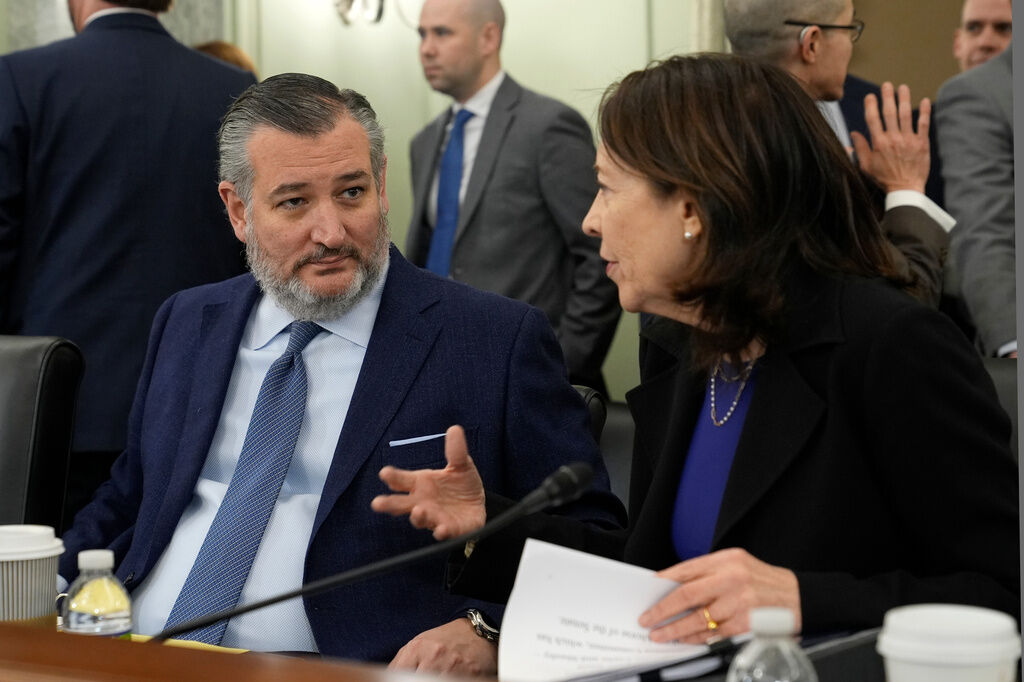
Sen. Ted Cruz (R-TX) on Monday suggested the Republican Party could embrace a directional shift after President Donald Trump leaves office, a transition that promises to leave a gaping hole in the GOP. Cruz is known as a critical ally...
2 Colorado State troopers shot near Woodland Park; suspect killed
DEBBIE KELLEY
debbie-kelley@coloradopolitics.com
Updated 2 hours ago
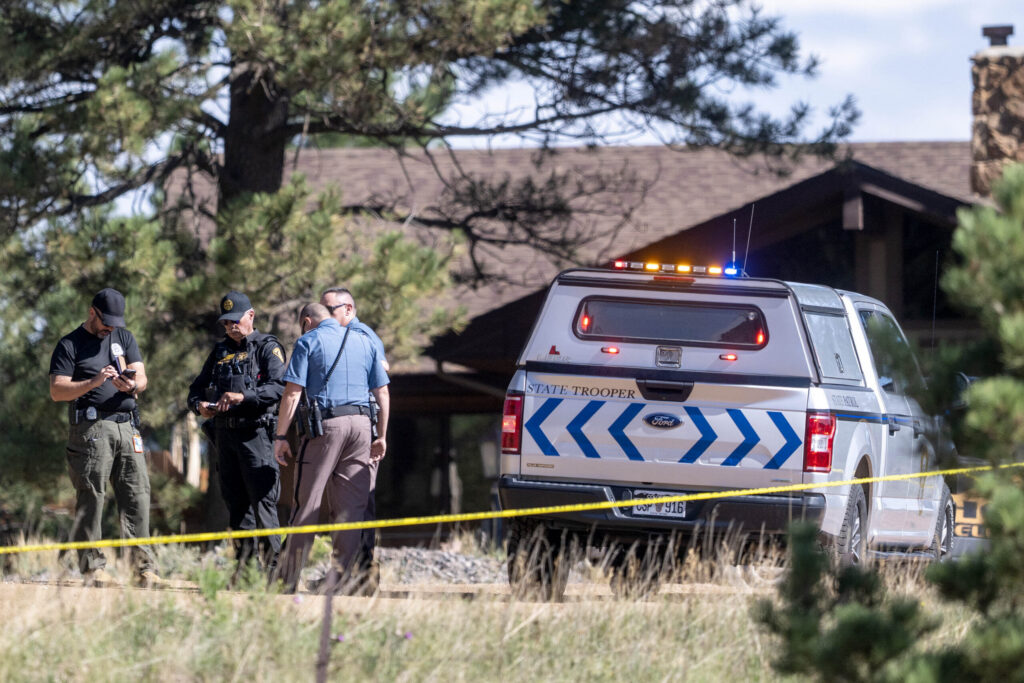
Two Colorado State Patrol troopers were hospitalized, and a suspect is dead after a shooting during a traffic stop Tuesday. The initial incident happened at about 7:15 a.m., when a resident reported suspicious activity in the area near milepost 286...
Aurora moves forward with data center regulations
Kyla Pearce
kyla.pearce@gazette.com
Updated 2 hours ago
The Aurora City Council approved moving forward with two new regulations on data centers and directed staff to come back at the next study session with others. At a council meeting in early August, council members directed city management to...

Aurora City Council considers stricter food truck regulations
Kyla Pearce
kyla.pearce@gazette.com
Updated 2 hours ago
The Aurora City Council is considering passing laws to limit the number of food trucks on properties in the city and how and when they operate. Councilmember Angela Lawson, who sponsored the ordinance, said she understands the importance of food...
Denver murder conviction reversed for incomplete self-defense instruction
Michael Karlik
michael.karlik@coloradopolitics.com
Updated 6 hours ago
Colorado’s second-highest court reversed a defendant’s murder conviction last week because a Denver judge gave an incomplete instruction to the jury about the man’s right to self-defense. Donald R. Gonzales and Gary McLaughlin met up in a Capitol Hill parking...
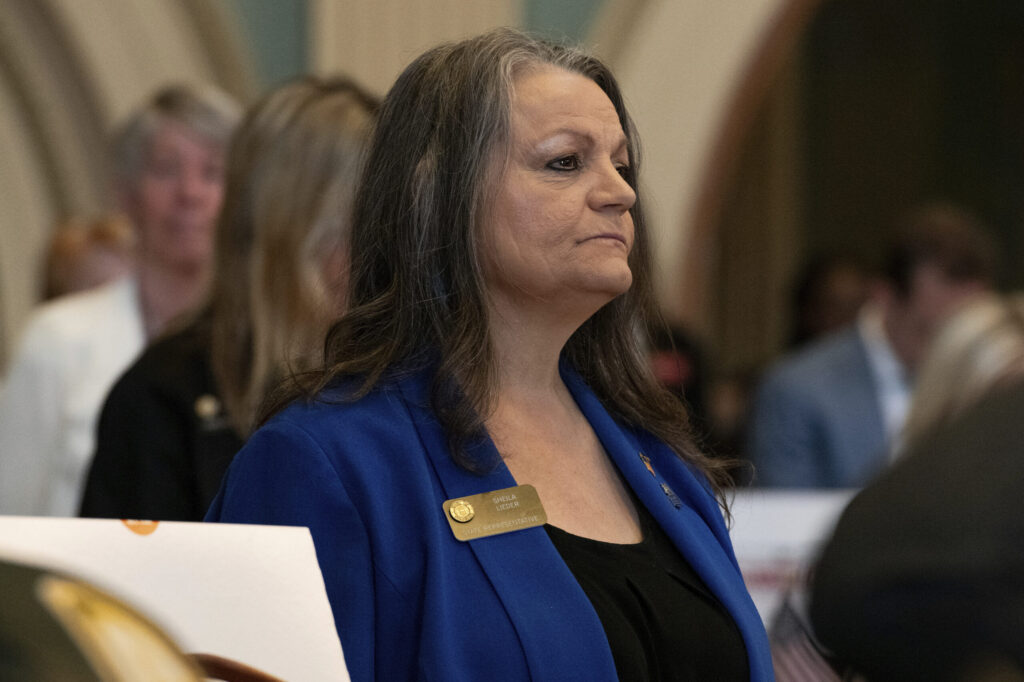
Colorado lawmaker, House leaders named in workplace-retaliation lawsuit
Marianne Goodland
marianne.goodland@coloradopolitics.com
Updated 3 hours ago
A former legislative aide has filed a lawsuit alleging she was mistreated, illegally directed to perform campaign work and harmed by a House leadership structure she charged was fragmented, politicized and ineffective at protecting employees. The lawsuit, filed by Jennifer...
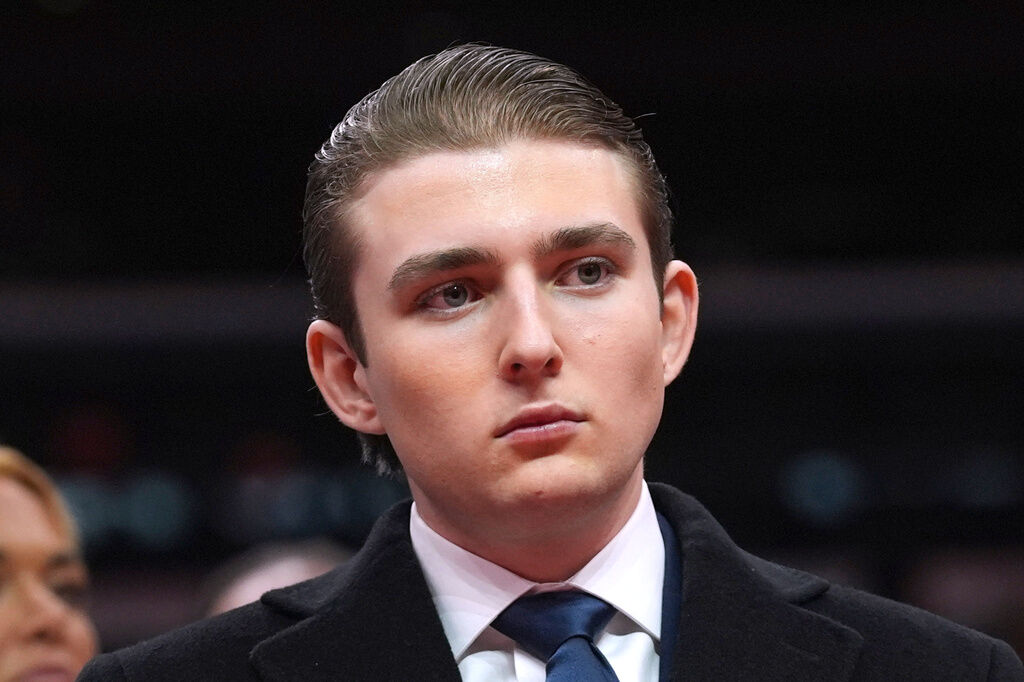
Secret Service confirms awareness of Iranian state media video threatening Barron Trump’s life
The Associated Press
the-associated-press@coloradopolitics.com
Updated 7 hours ago
WASHINGTON (AP) — The U.S. Secret Service has confirmed it is aware that Iranian state media has aired a video that appears to threaten the life of Barron Trump, President Donald Trump’s youngest son. “The U.S. Secret Service is aware...
Federal judge hears arguments about Colorado’s 3-day gun purchase waiting period
Michael Karlik
michael.karlik@coloradopolitics.com
Updated 7 hours ago
A federal judge heard arguments on Monday about the constitutionality of a 2023 Colorado law that generally imposes a three-day waiting period on firearm purchases after the initiation of a background check. The test that the U.S. Supreme Court created...
Denver auditor finds oversight failures in $175.6M 16th Street project
Nico Brambila
nico.brambila@denvergazette.com
Updated 2 hours ago
Surprise historic sewer discovery delayed completion a year, cost $18M The Denver Auditor recently found significant oversight and contracting problems with the $175.6 million 16th Street Improvement Project, including an $18 million contract increase and a nearly one-year extension that...
PREV
PREVIOUS

Q&A with Debbie Brown | Colorado Business Roundtable
President, Colorado Business Roundtable, a public policy organization that includes some of the state’s top business execs. Was president and founder of Amplify Strategies, a strategic communications and public policy consulting firm. Recognized as one of the Top 25 Most Powerful Women in Colorado by the Colorado Women’s Chamber of Commerce. Colorado Politics: By all […]

Bennet and Senate Democrats ask Trump Administration to pause rulemaking
U.S. Sen. Michael Bennet has signed on to a letter with 21 other members of the Democratic caucus asking the Trump Administration to extend indefinitely all public comment periods for new federal rules and to pause any rulemaking actions unrelated to the COVID-19 pandemic. “Necessary federal, state, Tribal and local government actions to stop the […]