

OPINION | Public safety, victims’ voices must not be overlooked in response to COVID-19

The coronavirus outbreak is having a huge impact on communities throughout Colorado, and when it comes to the criminal justice system, no one – not crime victims, inmates, law enforcement, the judicial system or the public – is exempt. As members of the victim advocate, law enforcement and legal communities, we recognize the challenges law enforcement and the judicial system face as they weigh public safety and public health – both in jails and in our communities – while at the same time upholding justice.

We are working in an unprecedented time, and as this work continues to unfold, public safety and the voice of victims must not get lost. Local judges and law enforcement must have the flexibility to make decisions that consider the resources available in their local communities, as well as the threat to individual victims and community as a whole.
Much attention has been paid recently to the steps law enforcement and the judicial system are taking to reduce jail populations and to protect inmates and deputies and officers. When stay-at-home orders were issued, jails started carefully reducing their detained populations by anywhere from 20 percent to 50 percent. These numbers vary, as they should. In these extraordinary times, releasing detainees deemed not to pose a risk to victims and the community not only helps protect those who are released, but also other inmates and law enforcement officers. However, these reductions cannot come at a cost to victims and public safety, and they must consider the local resources available to monitor and support detainees released back into the communities. Colorado’s large communities are better equipped than their smaller counterparts to monitor and support detainees’ early release, and asking everyone to deploy the same approach is not just unachievable, it’s dangerous.
Some detainees cannot be released, and for the population that remains, jails are constantly screening and monitoring, as well as trying to isolate people who show symptoms. At the same time, law enforcement has begun issuing summons for non-violent crimes instead of booking new offenders into jail.
What has received far less attention is what these changes have meant for the health and safety of victims and our communities. Colorado has long recognized that crime victims are an important part of the criminal justice system, and our state’s constitution includes special protections for victims of specified crimes, including, for example, assault, child abuse and stalking. COVID-19 is putting an incredible strain on crime victims who are already struggling with difficult situations, especially victims of domestic violence, unlawful sexual behavior and violent felonies. We can’t let this pandemic nullify their rights. Now more than ever, crime victims should be treated with fairness, respect and dignity, and their rights should be upheld in a manner no less vigorous than the rights afforded to defendants. These rights include ensuring they are informed of critical stages of the criminal justice process and that they may be present for, and heard, at certain stages as well. This is not only a just approach but it also affords victims time to make sure they are safe.
COVID-19 is a real threat, and we must work to protect first responders and those who are detained. The potential consequences of letting the wrong people out of jail early is an equal, if not greater, threat. Accordingly, as we balance each of the difficult challenges presented by this crisis, we must continue to also carefully consider each individual case and its impact on the safety of the victim and the community.
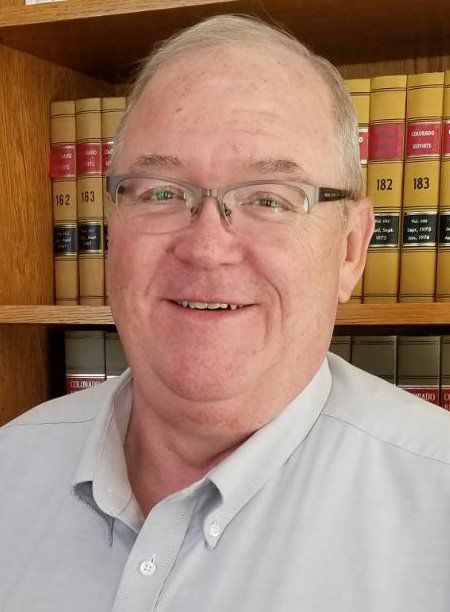
Sterling Harris is chief deputy director at the Colorado Organization for Victim Assistance; Joe Pelle is sheriff of Boulder County, and Jim Bullock is district attorney of the 16th Judicial District, which includes Bent, Crowley and Otero counties.

Pueblo board violates Open Meetings Law | Dennis Maes
Dennis Maes
dennis-maes@coloradopolitics.com
Updated 15 hours ago
By Dennis Maes I recently witnessed two serious violations of the Colorado Open Meetings Law by the Pueblo Urban Renewal Authority (PURA) board. Both were brought to the attention of the board in an open meeting and entered on the...

Legislation would undermine educational opportunity | OPINION
Colorado Politics
colorado-politics@coloradopolitics.com
Updated 1 day ago
By Norton Rainey and Weston Kurz New legislation under consideration by Colorado lawmakers could have far-reaching consequences for Colorado students and families looking for new educational options. HB26-1292, currently under consideration by the Colorado General Assembly, would severely limit the...

Medicaid cuts for critical care hurts providers, reduces access to the best care for patients | OPINION
Colorado Politics
colorado-politics@coloradopolitics.com
Updated 1 day ago
By Gurdev Rai This year, the legislative session started with one thing on everyone’s minds: the state budget, and the major hole created by Congress’ HR 1 law. Costs, including for health care, have ballooned across the board, and we...
Not-so-public comment in Douglas County | Paula Noonan
Paula Noonan
paula-noonan@coloradopolitics.com
Updated 2 days ago
Let’s do some high and low history. First, the high history. England’s King George III didn’t like the complaining he heard from the American colonies, so he went to war to shut the people up. President Donald Trump doesn’t like...
Why Colorado should stop charging swipe fees on sales taxes | OPINION
Colorado Politics
colorado-politics@coloradopolitics.com
Updated 2 days ago
By William Lindstedt, Iman Jodeh, Julie McCluskie and Monica Duran Small businesses across Colorado are working harder than ever right now to keep their doors open, hire local workers and serve their communities. But every day, they are forced to...

Colorado can be a gamechanger in regulating GLP-1 weight loss drugs | OPINION
Colorado Politics
colorado-politics@coloradopolitics.com
Updated 2 days ago
By Nancy Glick “As goes California, so goes the nation” is a phrase reflecting California’s reputation as a bellwether in setting regulations that often become a precedent for national policy. Now, Colorado can play this role, setting new safety standards...
Colorado can be a gamechanger in regulating GLP-1 weight loss drugs | OPINION
Colorado Politics
colorado-politics@coloradopolitics.com
Updated 2 days ago
By Nancy Glick “As goes California, so goes the nation” is a phrase reflecting California’s reputation as a bellwether in setting regulations that often become a precedent for national policy. Now, Colorado can play this role, setting new safety standards...

The public health hazards in sports betting | PODIUM
Colorado Politics
colorado-politics@coloradopolitics.com
Updated 2 days ago
By Brandon Zelasko As Colorado lawmakers revisit sports betting policy this session, the state has an opportunity to widen the lens. Beyond revenue projections and regulatory frameworks lies a critical question: Are we fully reckoning with the human effect of...
Colorado’s public lands are not for sale | OPINION
Colorado Politics
colorado-politics@coloradopolitics.com
Updated 3 days ago
By Jonathan Houck Our state is defined by its public land. It shapes our communities, our economy and our Colorado way of life. Just driving through Gunnison County, where I have lived for more than 30 years, sometimes I can’t...
The real impact of regulations on businesses, employees and Colorado’s way of life | OPINION
Colorado Politics
colorado-politics@coloradopolitics.com
Updated 4 days ago
By Loren Furman and Steve Swinney Every day in Colorado, business owners are faced with decisions most people never see, shaped by rising costs and a regulatory environment that has grown more complex over time. Those choices eventually reveal themselves...
PREV
PREVIOUS

SENGENBERGER | Let's all shake on it — after it's no longer a crime in Colorado
Jimmy Sengenberger The handshake goes back millennia. It’s a tried and true way to connect with one another in professional and social occasions on a deeper level. In the ninth century B.C., Assyrian King Shalmaneser III shook hands with a Babylonian ruler to affirm an alliance. In his Iliad and Odyssey, the ancient Greek poet Homer used handshakes to reflect oaths […]

BIDLACK | Ship's captain was right to speak up, wrong to flout chain of command
Hal Bidlack It’s not often that I sit down to write a column that I know will offend nearly everyone reading it. But here we are, eh? Acting Navy Secretary Thomas Modly did the right thing when he relieved Captain Brett Crozier of command of the U.S.S. Theodore Roosevelt. That statement may come as a […]