

Medicaid cuts for critical care hurts providers, reduces access to the best care for patients | OPINION
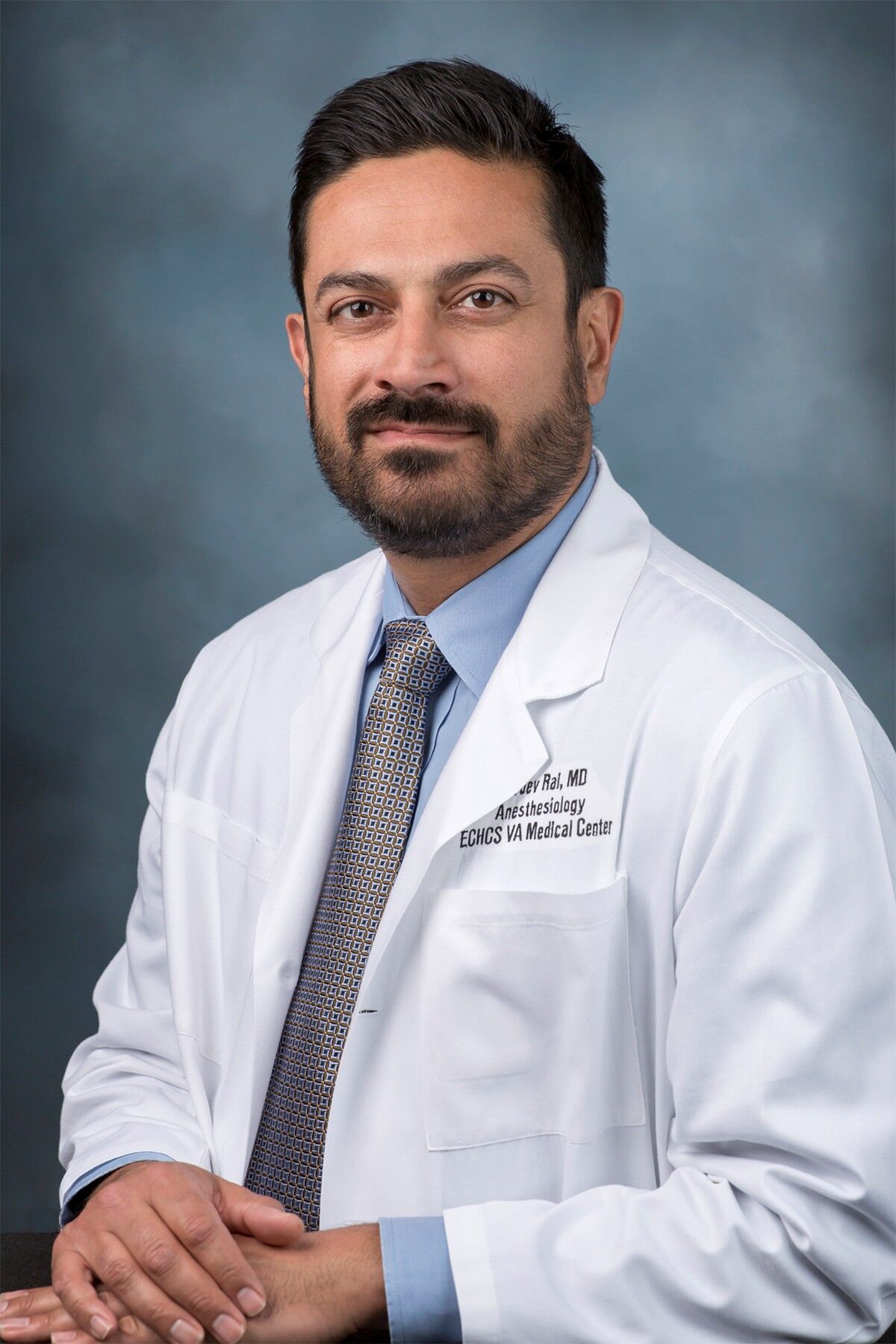
By Gurdev Rai
This year, the legislative session started with one thing on everyone’s minds: the state budget, and the major hole created by Congress’ HR 1 law. Costs, including for health care, have ballooned across the board, and we know state leaders are looking for solutions. However, as a practicing physician, I find it unconscionable the state legislature has decided to balance the budget on the backs of Medicaid patients by cutting reimbursement rates for the most
critical care.
Anesthesia care plays a pivotal role in health care. The ability to perform lifesaving procedures, including surgeries and maternal care, without severe pain is one of greatest accomplishments in the history of modern science and is now of course essential to the delivery of health care.
Yet year after year, the legislature tries to solve budget crises by cutting Medicaid reimbursement rates across the board, without success. One in four Coloradans use Medicaid, and 40% of Colorado’s children use Medicaid or CHP+.
That’s 1.2 million people who may find themselves unable to access care because so many serious medical treatments or surgeries require anesthesia. It also disproportionately affects lower-income and minority groups, who are already more likely to be uninsured or underinsured. Research shows lack of insurance has a stronger correlation with poor health outcomes than
almost any other factor, including race.
We know what happens when patients don’t have access to the care they need because of cost. They delay health care, or forgo it entirely, regardless of whether it’s preventive, elective, emergency, or long-term treatment for a diagnosed medical issue. Drastic cuts like these hurt patients and providers alike. Cuts like these put government between patients and doctors. I speak for me and many of my colleagues when I say, I hope I will not be in a position to have to recommend care based on what a patient can afford, instead of what I know will lead to the best outcomes for their long-term care.
The Medicaid reimbursements for anesthesia care are already benchmarked to Medicare rates, unlike any other system in the state. That has led rates to remain artificially low compared to other carriers, based on a flawed approach to data. According to a 2020 report, Medicare pays significantly less for anesthesia services compared to the commercial market than it does for
other physician services.
Cutting rates, especially by the staggering amount of 15% across the board now passed by the legislature, causes a ripple effect that undoubtedly leaves the most vulnerable people without access to the quality care they need. This amounts to almost a 50% cut to anesthesia care incorporating a nearly 40% cut from last year. This is completely unsustainable for patients and providers.
These cuts also come at a time when the state agency responsible for managing Medicaid, the Department of Health Care Policy and Financing (HCPF) has come under fire from multiple sources for making improper payments and mismanaging funds. It seems the state could make some improvements internally before looking to cut critical programs like Medicaid.
Anesthesia requires highly trained teams of providers and nurses led by physicians who can provide high-quality care and coordinate to ensure patients stay safe and to reduce significant pain. But providers will not be able to afford working in the state, and physician shortages do result in longer patient wait times and delayed care overall.
It will be difficult for physician practices to remain open, even though they help serve populations where there are fewer hospitals — especially in rural areas, where more than 20 counties’ populations disproportionately rely mostly, or even solely on Medicaid. Three rural counties rely on Medicaid programs to serve more than 50% of their population — in Costilla County, it’s 55%.
Numbers don’t tell the whole story of health care. It’s one thing to look at a budget plan; it’s another to tell someone they or a loved one can’t have the surgery they need because there are no providers in the area, or to force expectant mothers to drive hours to receive adequate maternal care.
We’ve made major improvements in health care access and equity. These steps have helped thousands of people receive lifesaving care they desperately need. We can’t leave Colorado patients and providers behind like this. I am urging the legislature to roll back these cuts, before it is too late.
Dr. Gurdev Rai is an anesthesiologist.

Colorado board permits state to appeal injunction against arthritis drug price cap
Marissa Ventrelli
marissa.ventrelli@coloradopolitics.com
Updated 26 minutes ago
A Colorado board voted Friday to allow the Attorney General’s Office to fight an injunction against a price cap on a drug that treats arthritis. A U.S. district court judge had granted the company Amgen a preliminary injunction, temporarily blocking...

Colorado schools receive $24 million for free meals program
Marissa Ventrelli
marissa.ventrelli@coloradopolitics.com
Updated 24 minutes ago
The Colorado Department of Education is providing Colorado schools with nearly $24 million in grant funding to implement a free lunch program. Approved by voters in 2022, the Healthy School Meals for All provides free breakfast and lunch to all...
‘Be prepared to march in the streets’ | Miller Hudson
Miller Hudson
miller-hudson@coloradopolitics.com
Updated 3 days ago
It was early in 1974 when I first met Tim Wirth as he announced his candidacy for Congress, challenging Republican incumbent Don Brotzman. Although I had only resided in Colorado two years, I was drafted to serve as a Democratic...

Colorado districts prepare for school year amid mental health cuts. But will less cellphone distractions help?
Marissa Ventrelli
marissa.ventrelli@coloradopolitics.com
Updated 3 days ago
The signs of a new school year are everywhere — buses in the shop, teachers unpacking boxes, families ticking through supply lists — but behind the familiar rituals, Colorado districts are preparing for a year defined less by routine than...
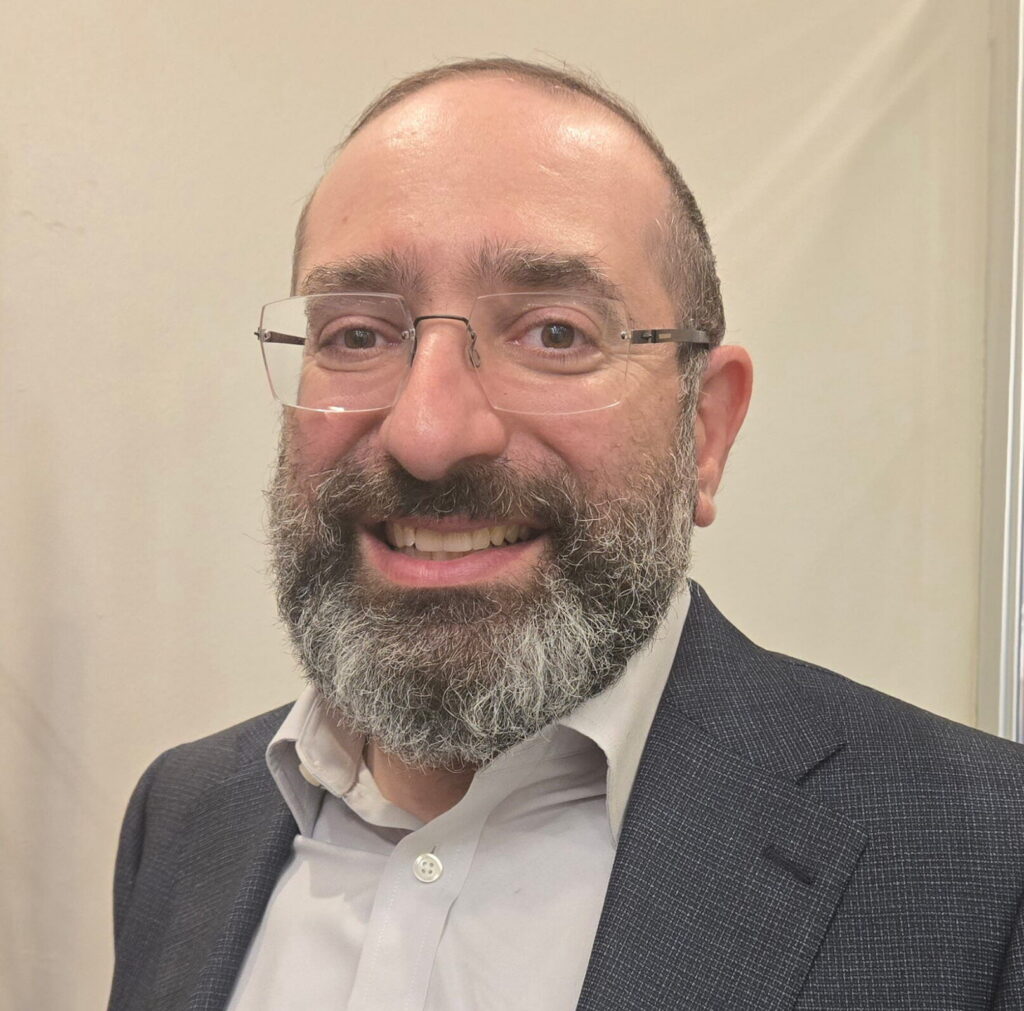
Surprise candidate Shimon Blau cleared to face off against Melat Kiros in November
Ernest Luning
ernest.luning@coloradopolitics.com
Updated 3 days ago
Unaffiliated congressional candidate Shimon Blau, a Denver doctor, has qualified by petition for the general election in Colorado’s 1st District, where Democrat Melat Kiros defeated 15-term U.S. Rep. Diana DeGette in last month’s primary, the Colorado Secretary of State’s Office...

UNC opens College of Osteopathic Medicine
Marissa Ventrelli
marissa.ventrelli@coloradopolitics.com
Updated 3 days ago
The University of Northern Colorado held a grand opening for its new College of Osteopathic Medicine on Friday, with Gov. Jared Polis in attendance to celebrate the culmination of a two-year, $127.5 million project. The project was funded through legislation...

Victor Marx, GOP candidate for governor, faces 100-plus campaign finance complaints
Marianne Goodland
marianne.goodland@coloradopolitics.com
Updated 3 days ago
Victor Marx’s gubernatorial campaign has been hit with more than 140 campaign finance complaints, although most have been consolidated by the state’s election office because they follow similar alleged violations. Marx faces Attorney General Phil Weiser, who won the Democratic...
Primary voters rejected big money in politics | Paula Noonan
Paula Noonan
paula-noonan@coloradopolitics.com
Updated 3 days ago
While we’re in an election campaign lull between now and Labor Day, we have time to consider the impact of $102 million in campaign contributions in the primary. In the general election, more money will fill candidate campaign coffers, and...

DOJ sues Colorado to overturn in‑state tuition for students living in the country illegally
Marianne Goodland
marianne.goodland@coloradopolitics.com
Updated 3 days ago
The U.S. Department of Justice has sued Colorado to dismantle a decade‑old law that grants in‑state tuition to students living illegally in the United States, setting up a high‑stakes clash over immigration policy. In 2013, after more than six tries...
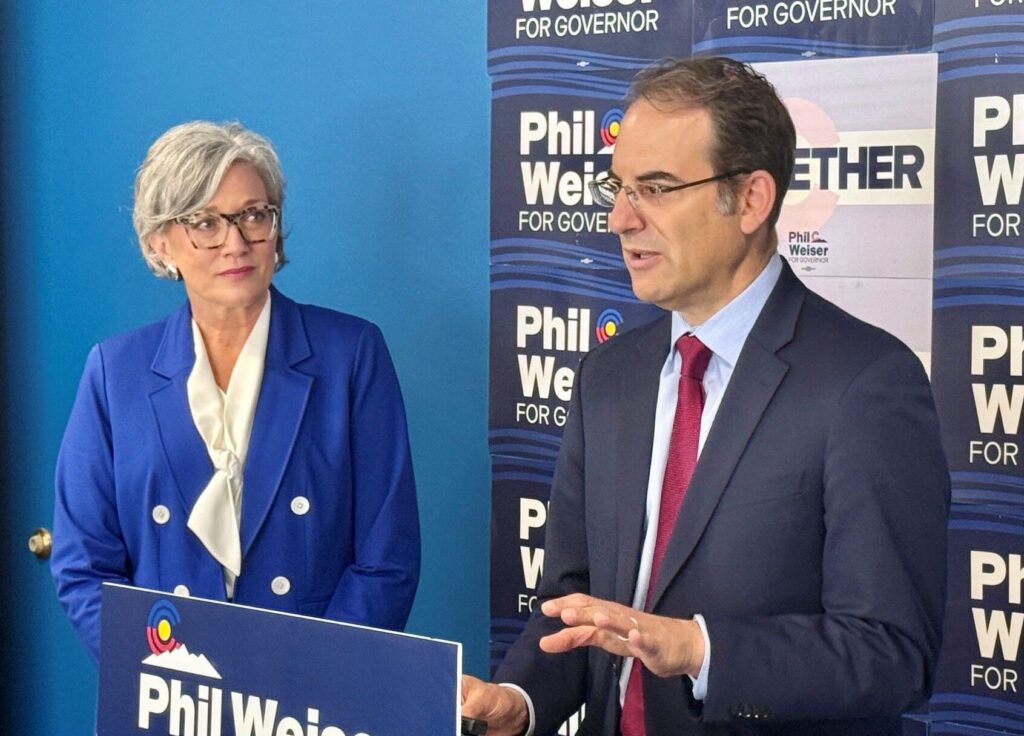
Jefferson County to fill commissioner vacancy after Dahlkemper tapped for lieutenant governor
Matt Kyle
matt.kyle@denvergazette.com
Updated 4 days ago
Democratic gubernatorial nominee Phil Weiser on Wednesday announced that Jefferson County Commissioner Lesley Dahlkemper would be his lieutenant governor, meaning she would be leaving her commissioner seat open should he win the race in November. However, Dahlkemper’s term was already...
PREV
PREVIOUS
U.S. House probes reports of fraud, waste in Colorado's Medicaid program
A congressional committee is probing reports of waste, fraud and abuse in Colorado’s Medicaid program, citing recent stories outlining over-billing in transportation spending and alleged improper payments in autism services. The U.S. House Committee on Energy and Commerce has sent a letter to Gov. Jared Polis and the Colorado Department of Health Care Policy and […]

Legislation would undermine educational opportunity | OPINION
By Norton Rainey and Weston Kurz New legislation under consideration by Colorado lawmakers could have far-reaching consequences for Colorado students and families looking for new educational options. HB26-1292, currently under consideration by the Colorado General Assembly, would severely limit the ability of nonpublic schools — particularly faith-based schools — to participate in the new Education […]